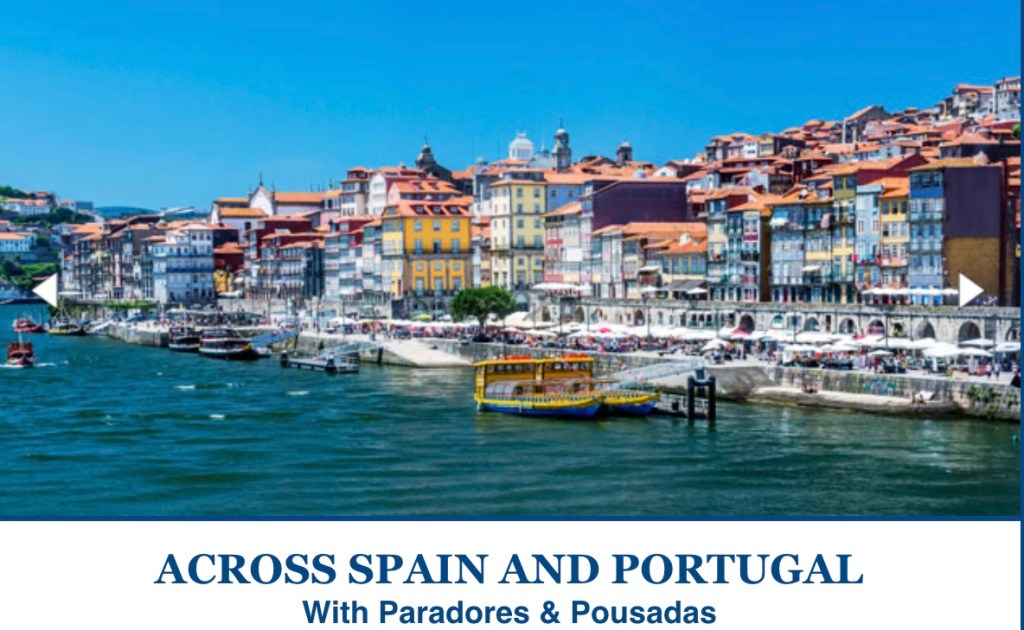
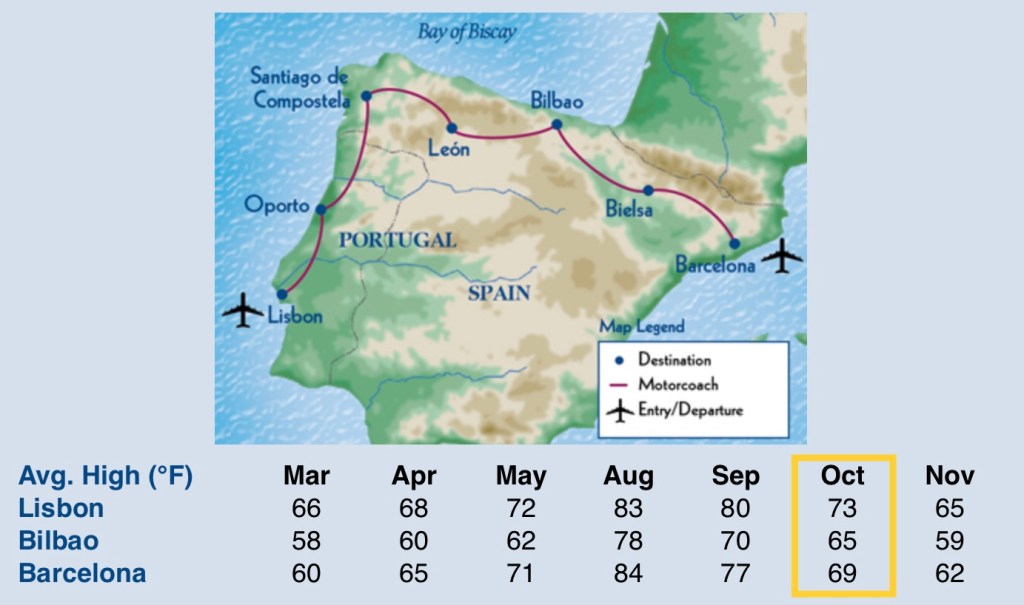
A 17 day journey across Portugal and Spain. Odysseys Unlimited Tour with a group of 15 travelers

Day 1 Friday 29 Sep
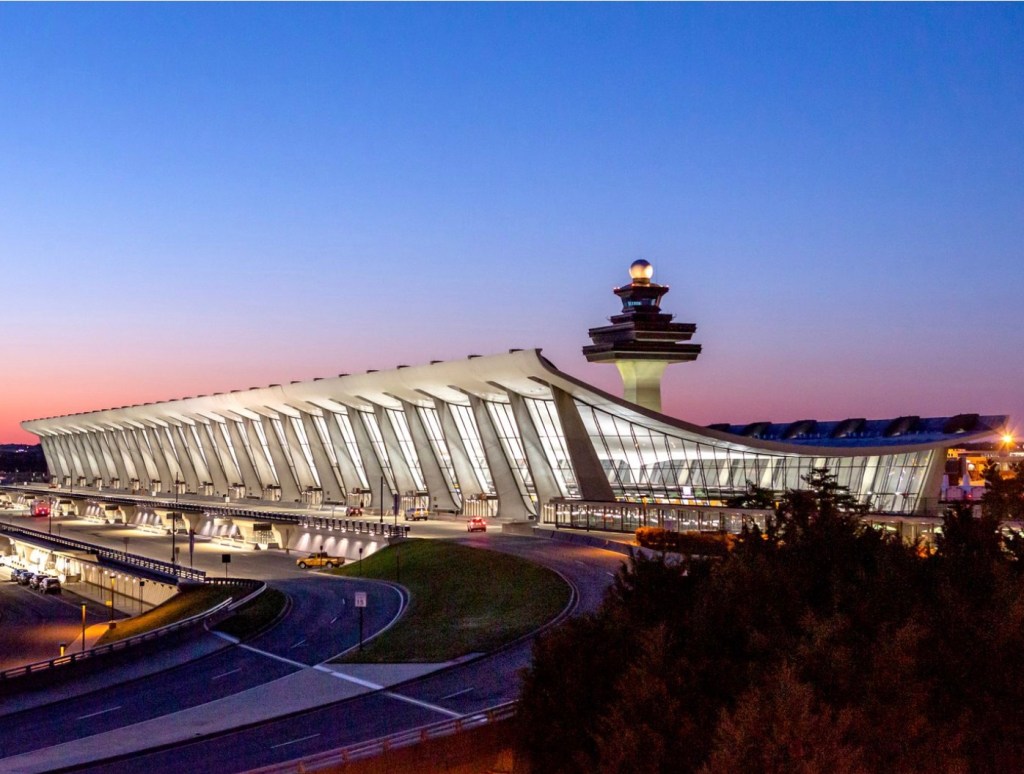
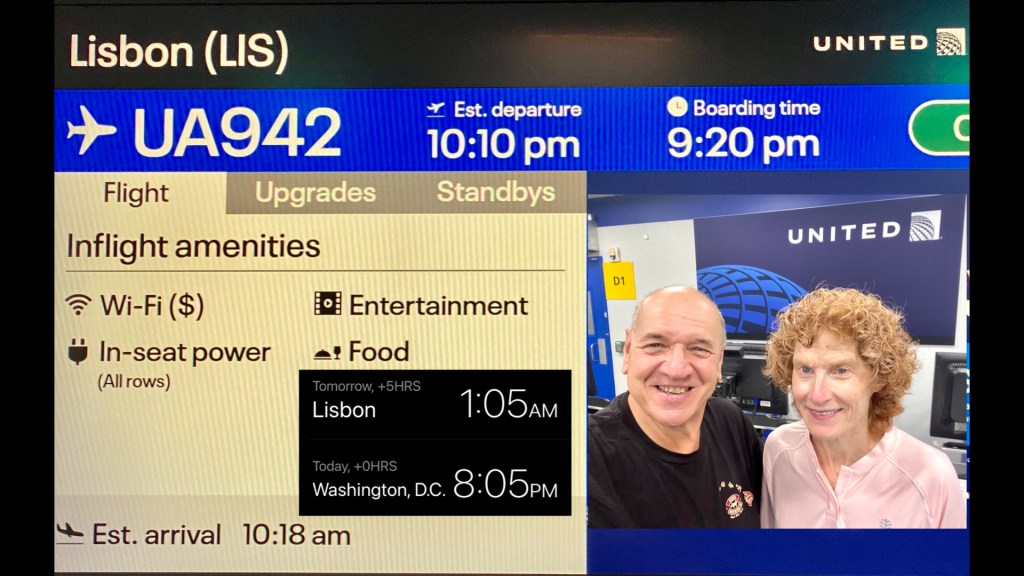
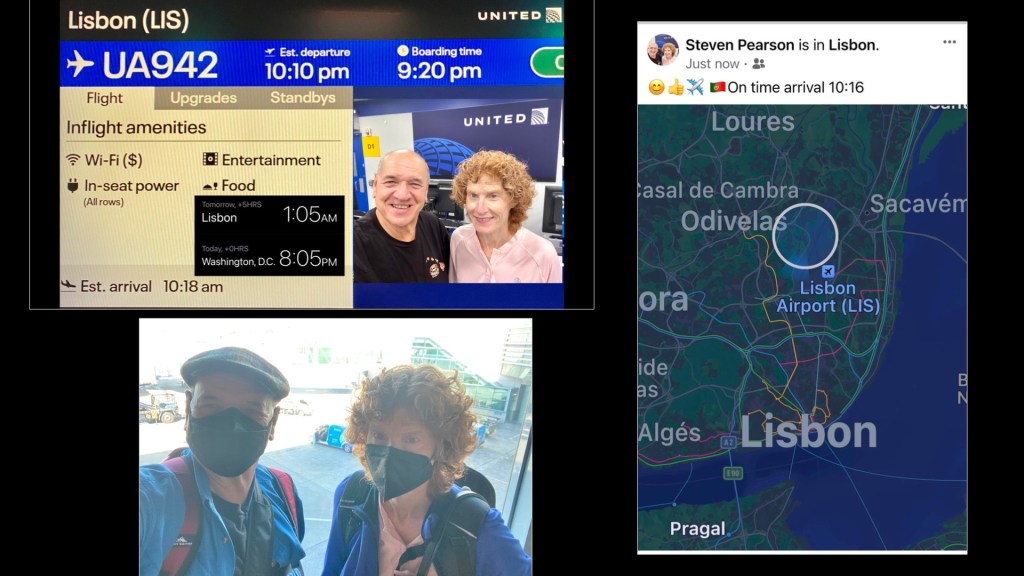
Departed Washington Dulles Airport (10 PM) for Lisbon, Portugal
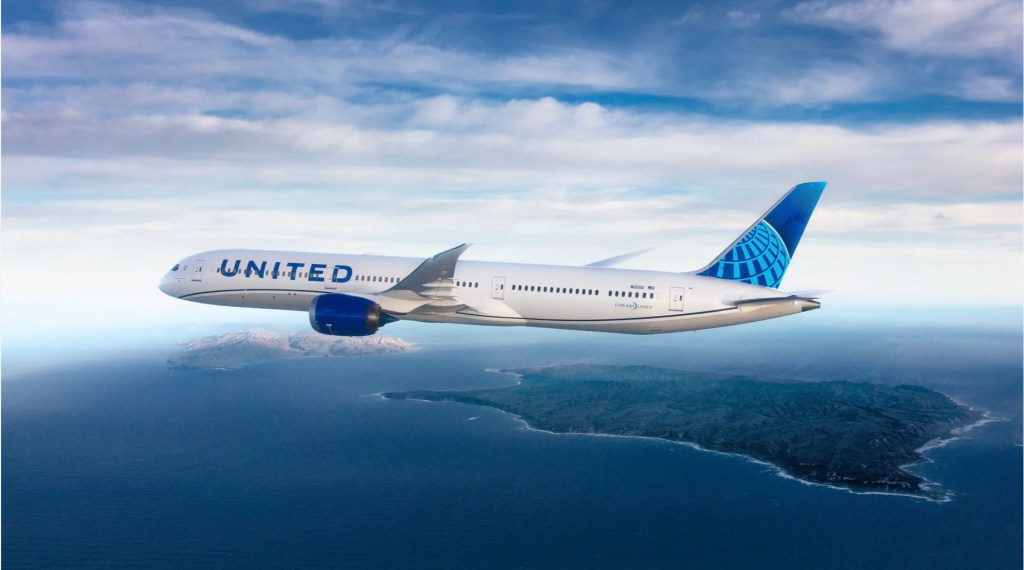
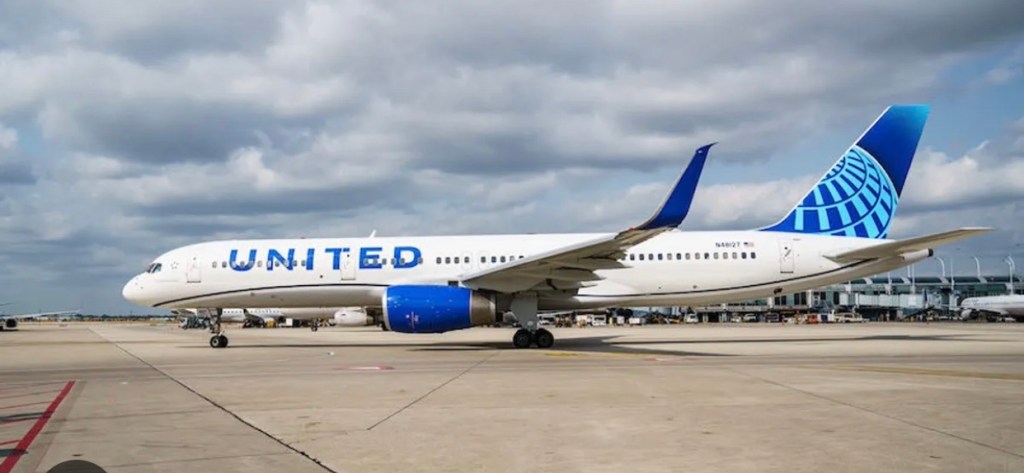
United Airlines Flight 0942



Day 2 Saturday 30 Sep
Lisbon
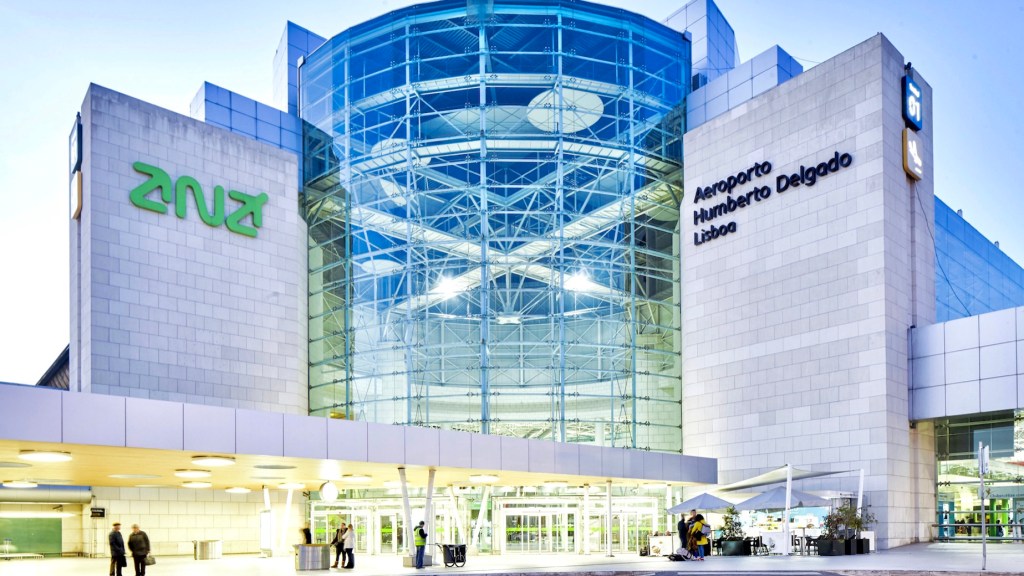
Arrived Lisbon 1030AM. Met at the airport by Odyssey’s Unlimited representative. Transported to hotel
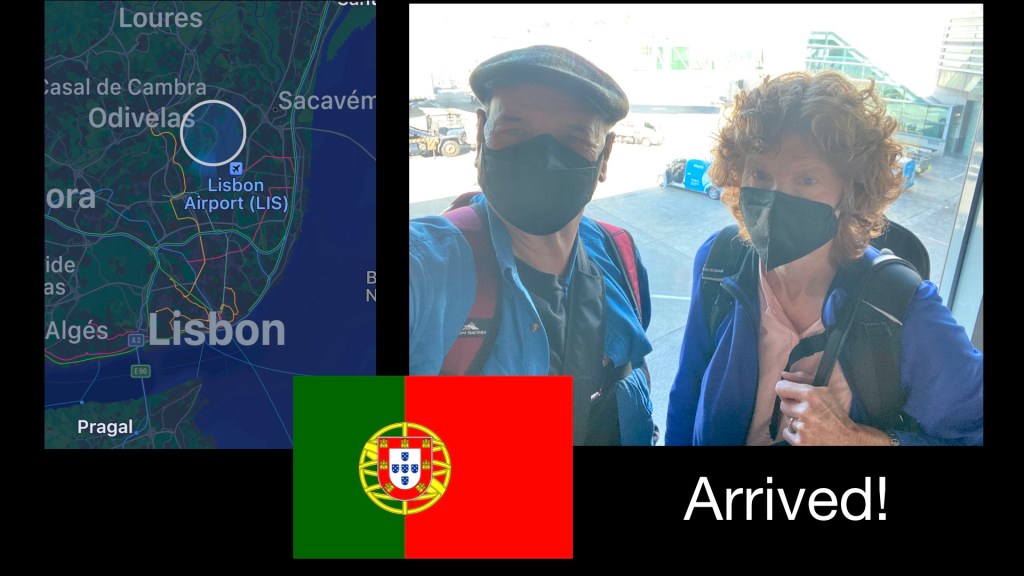
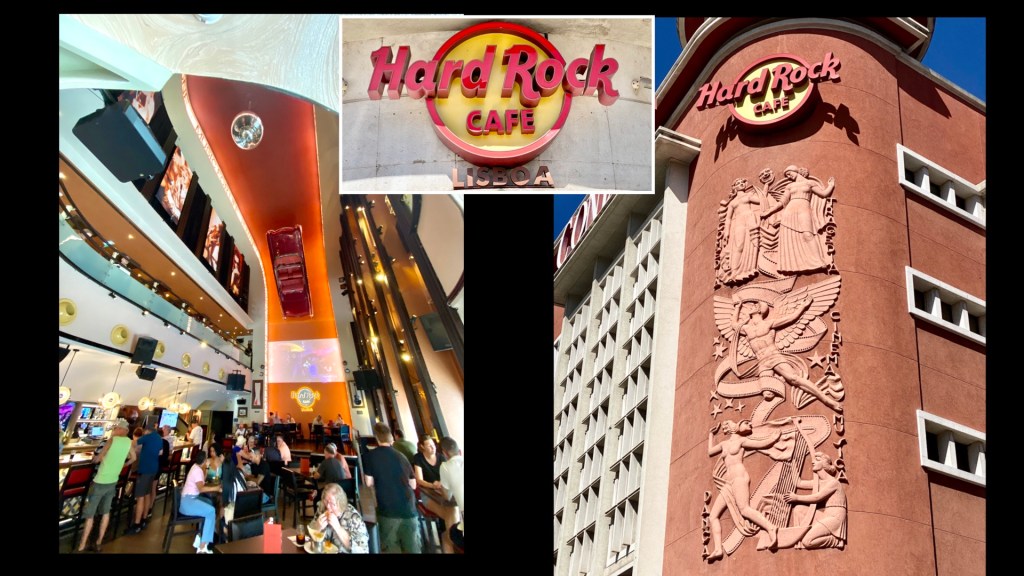
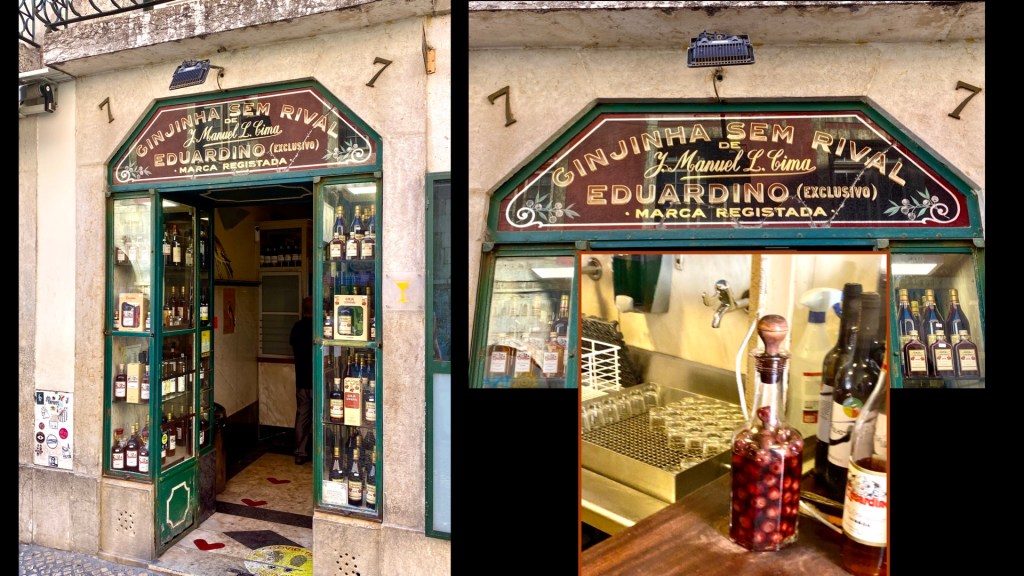
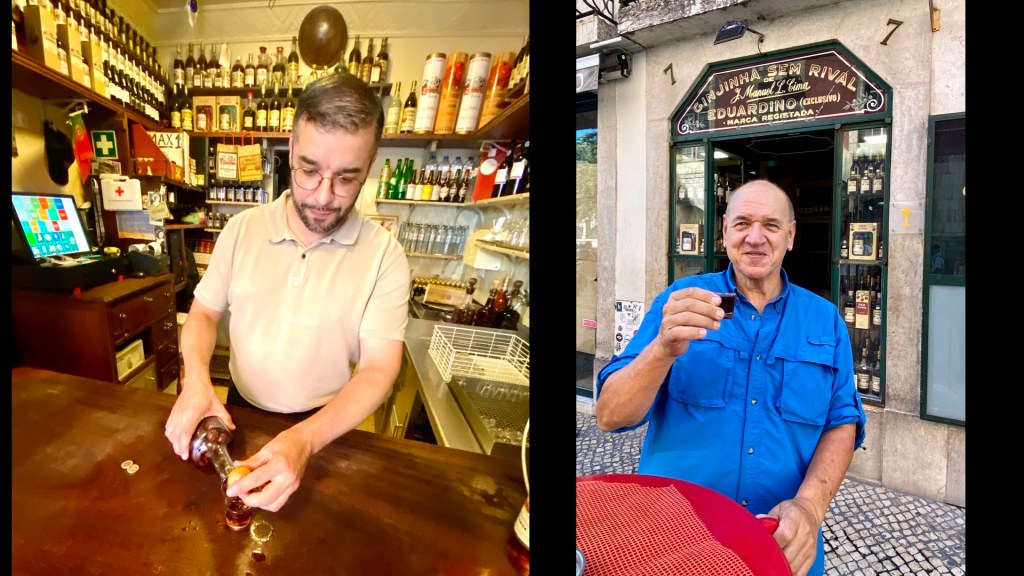
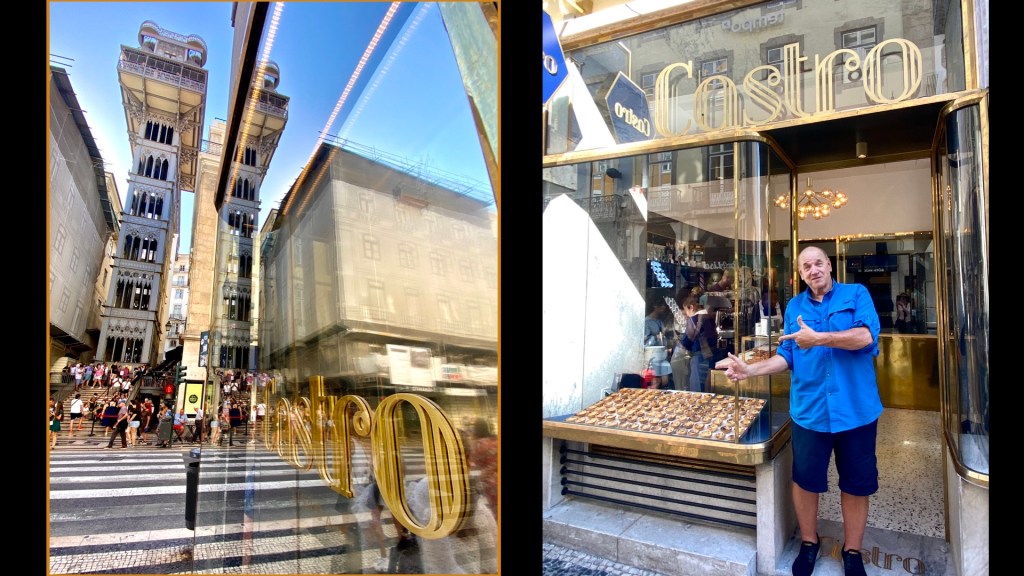
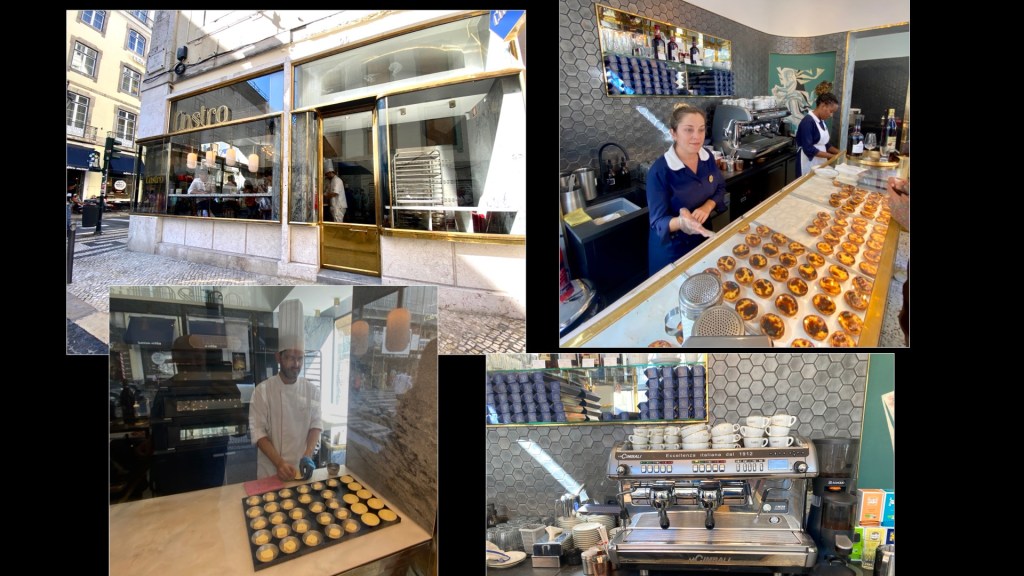
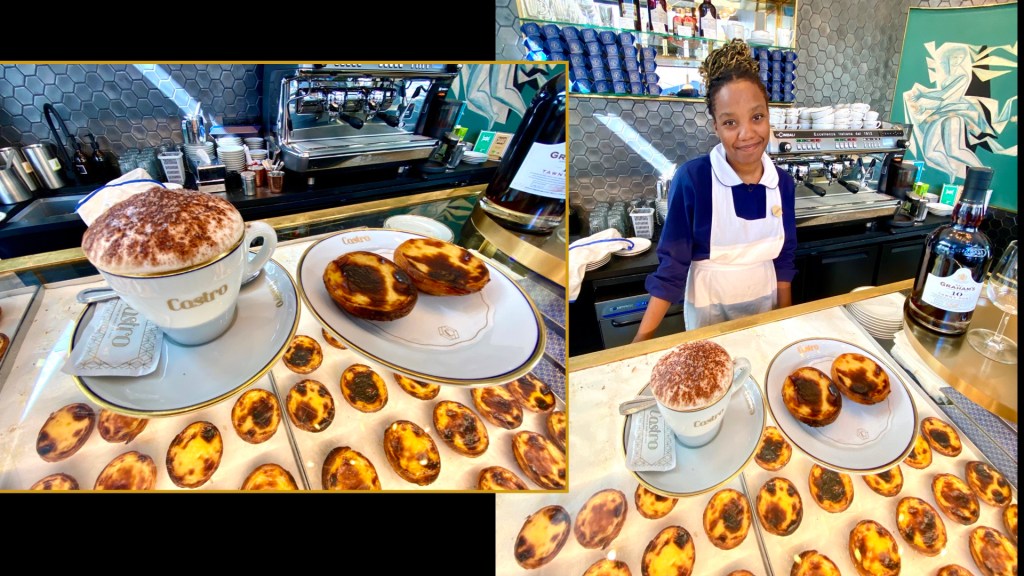
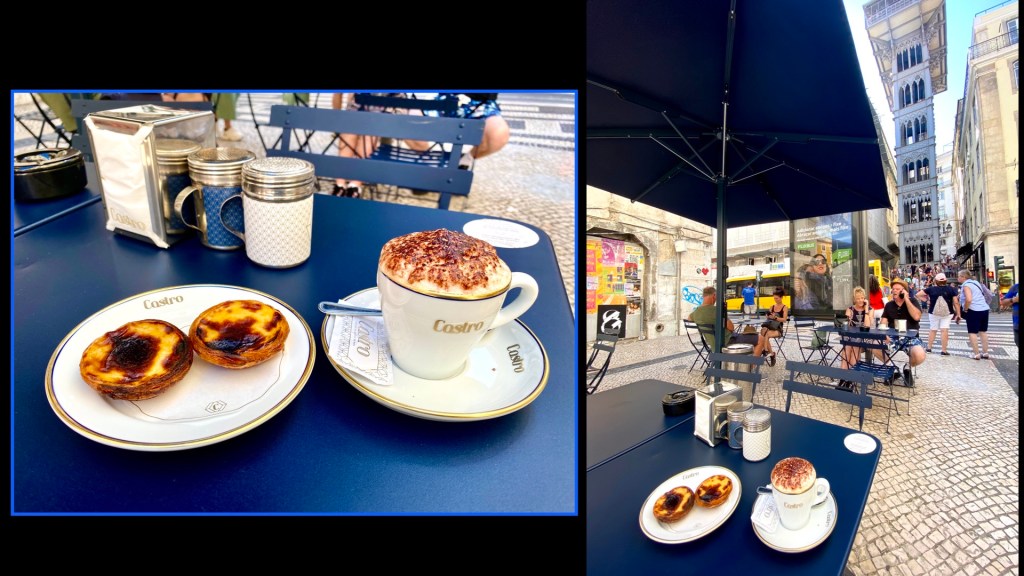
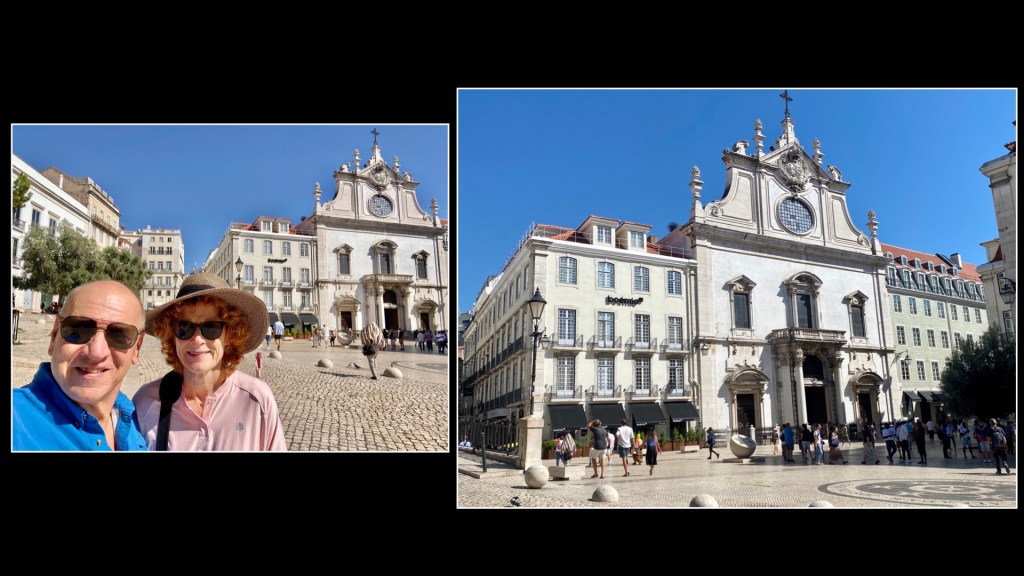
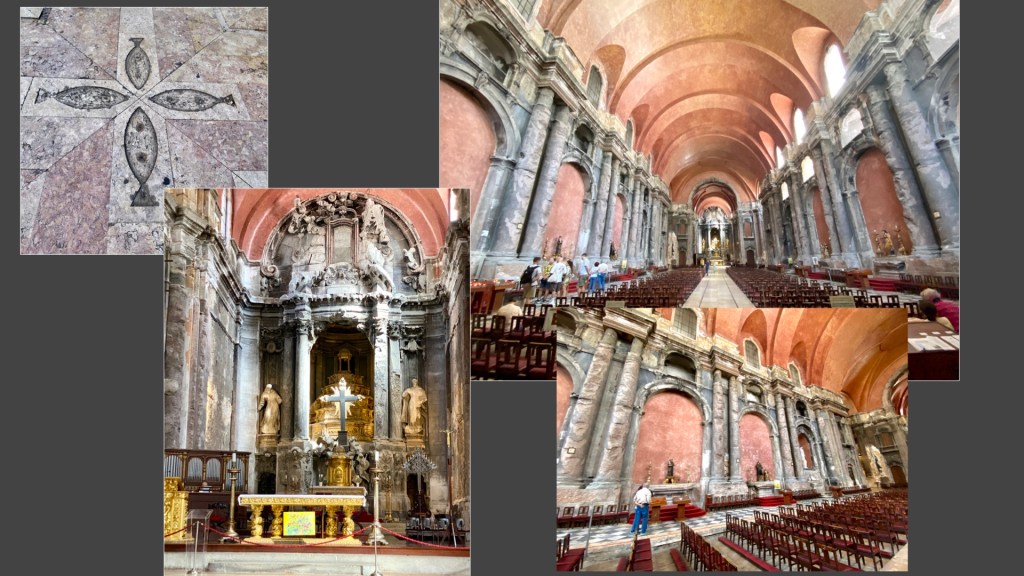
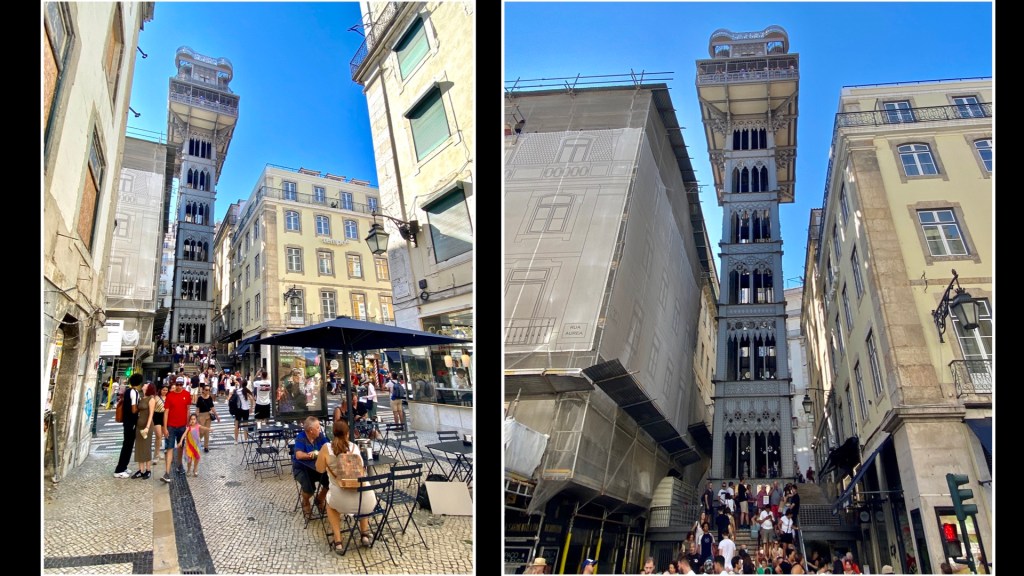
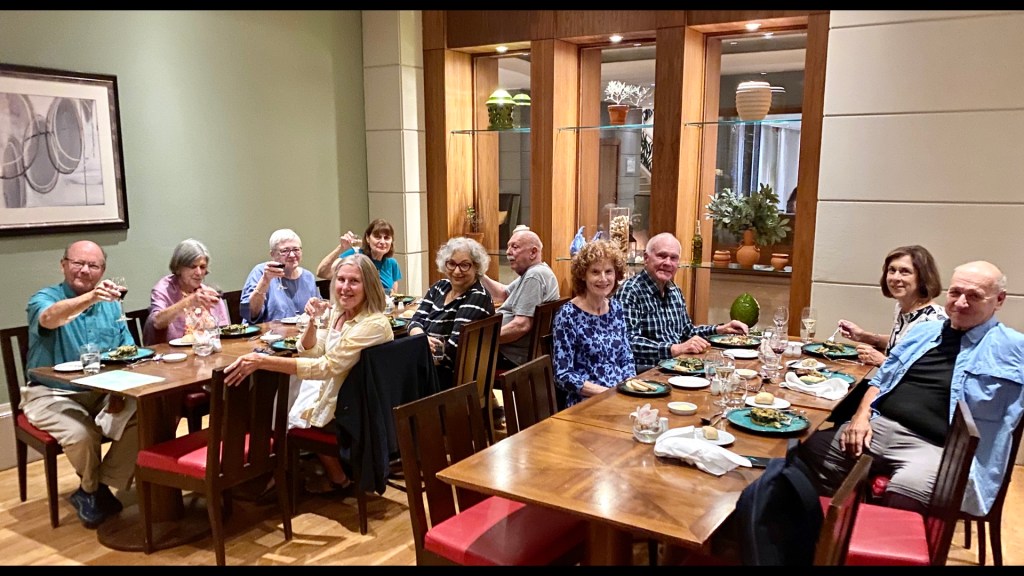
Left Wash DC at 10 PM and after arriving in Lisbon at 10 AM, and transferring to the the hotel, we ventured out for a few hours before we had to be back at the hotel for a group orientation and dinner. Used the hotel shuttle to get to the downtown area, swung by to see the Hard Rock Cafe, stopped for our (Steve’s first taste) of the speciality beverage , Gin Jinha, found a lovely pastry shop next to the Sant Justa Elevator lift and had custard pies (2) and a cappuccino. We continued with a visit to several plazas and fountains with manificent tile patterns, an ancient church, numerous narrow side streets with an incredible number of outdoor cafes, and lastly a stop to see the beautiful outside facade of the old train station. Took the shuttle back to the hotel in time to shower and take a short nap before dinner with the other folks (15 total) on the tour with us. A good start..time for bed 🛌💤

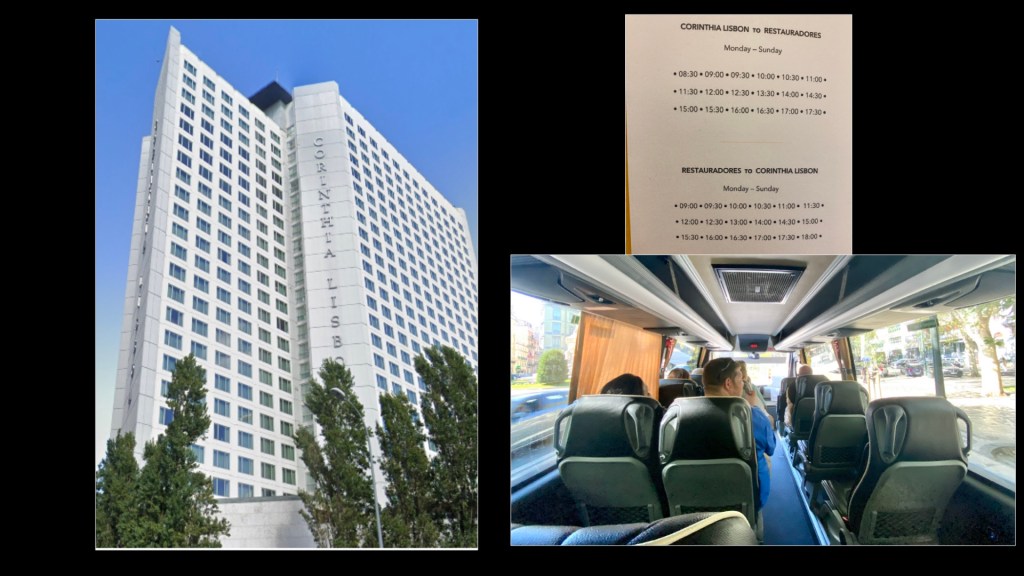
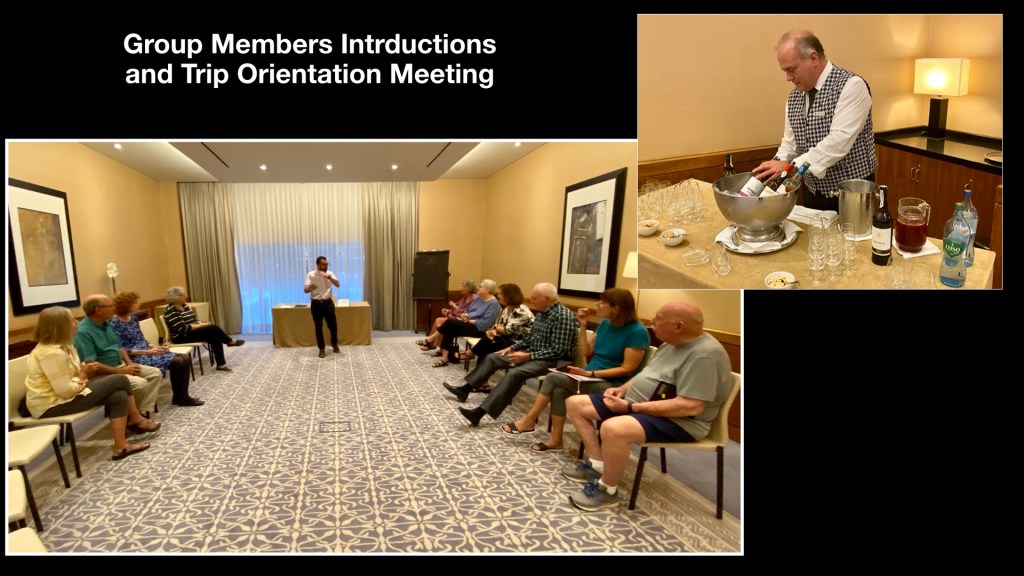
Group Orientation. Hotel Dinner
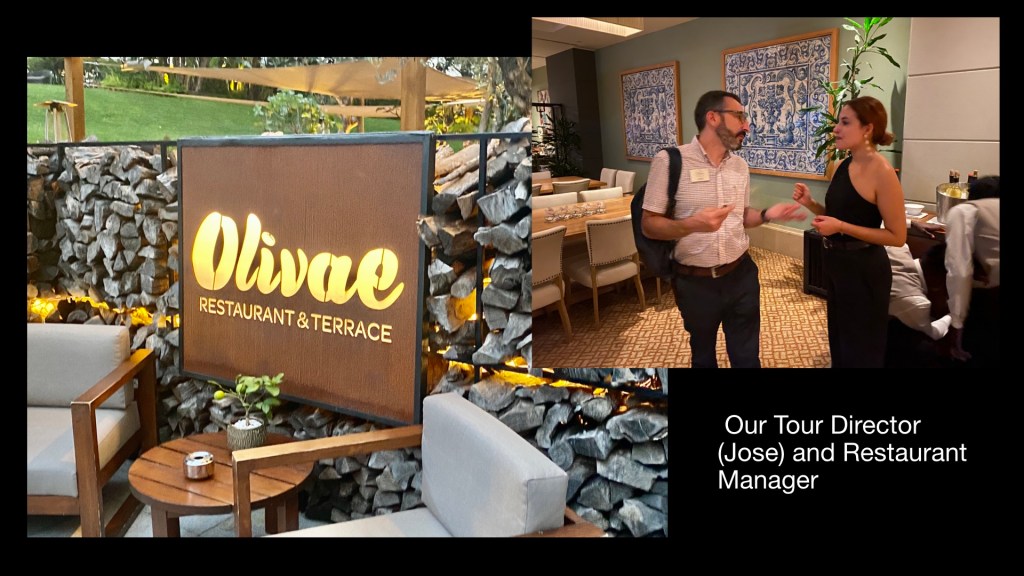

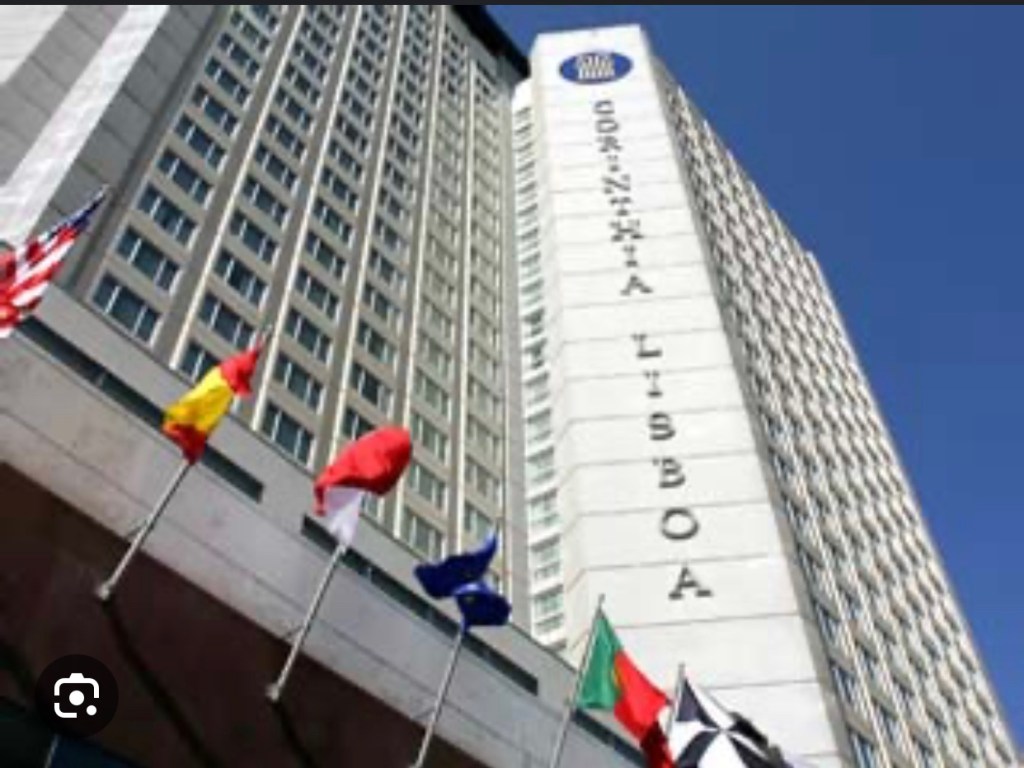
Hotel
Corinthia Hotel Lisbon- FANTASTIC!
Day 3 Sunday 1 Oct
Lisbon
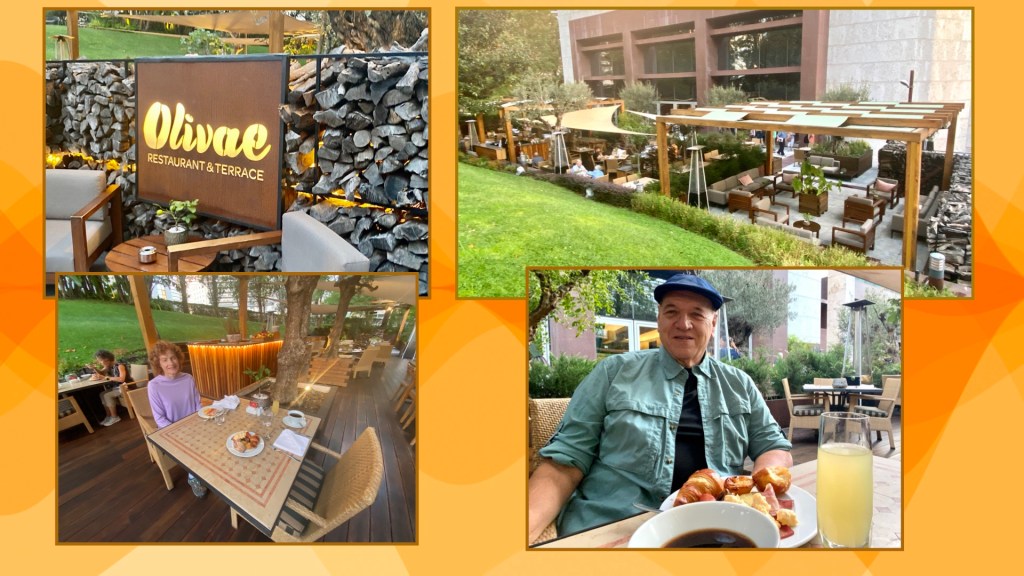
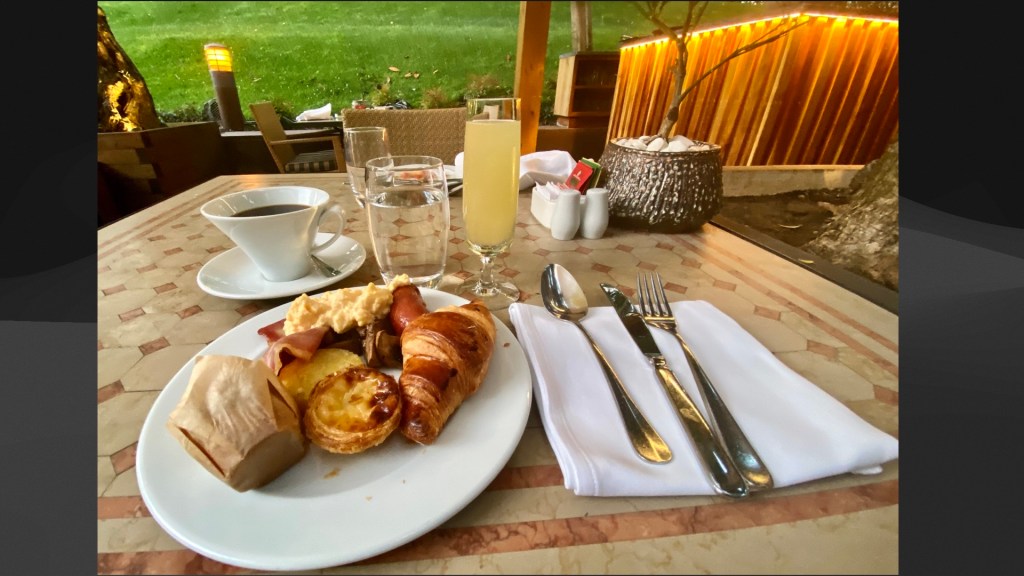
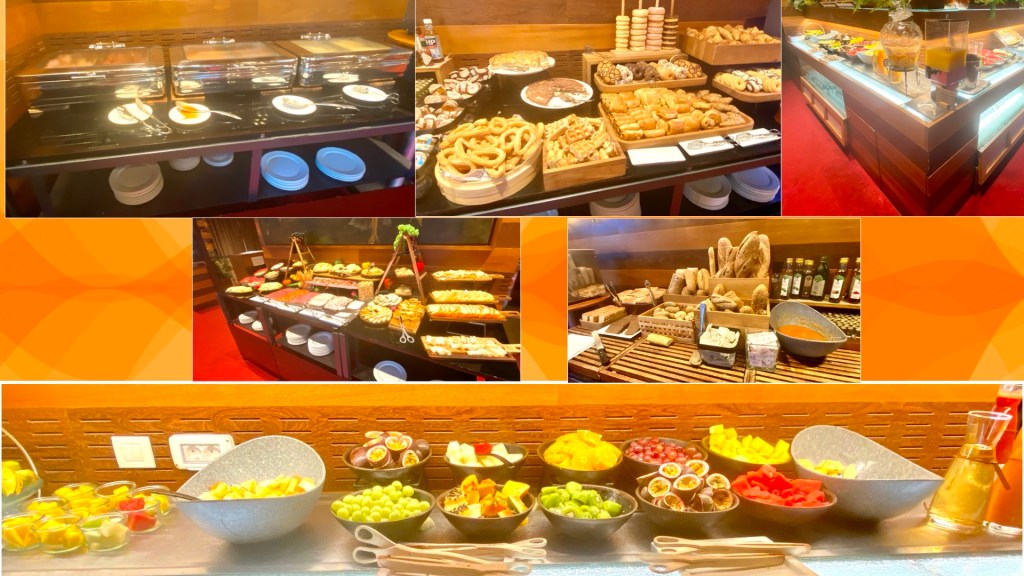
Today started with an INCREDIBLE breakfast.
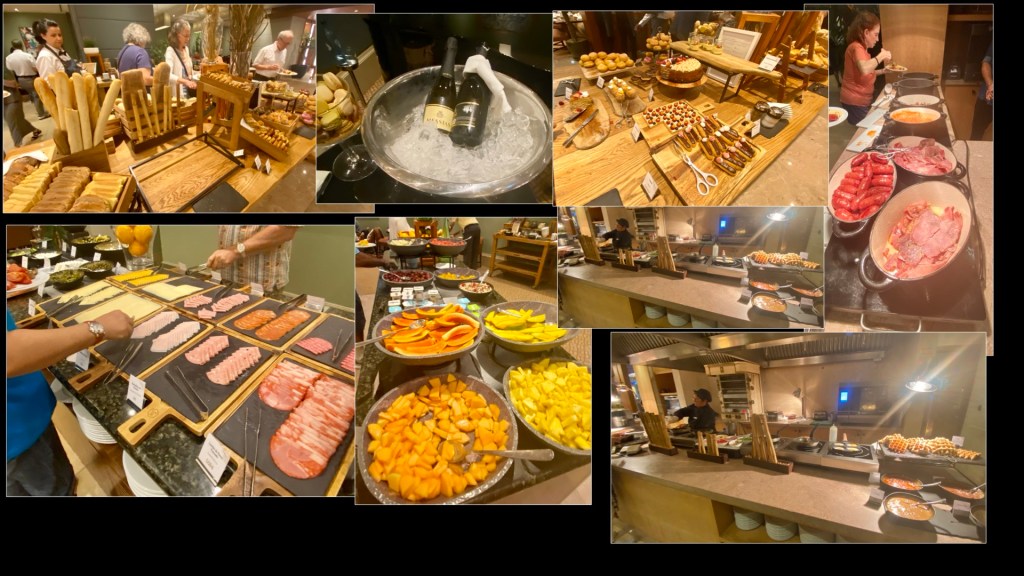
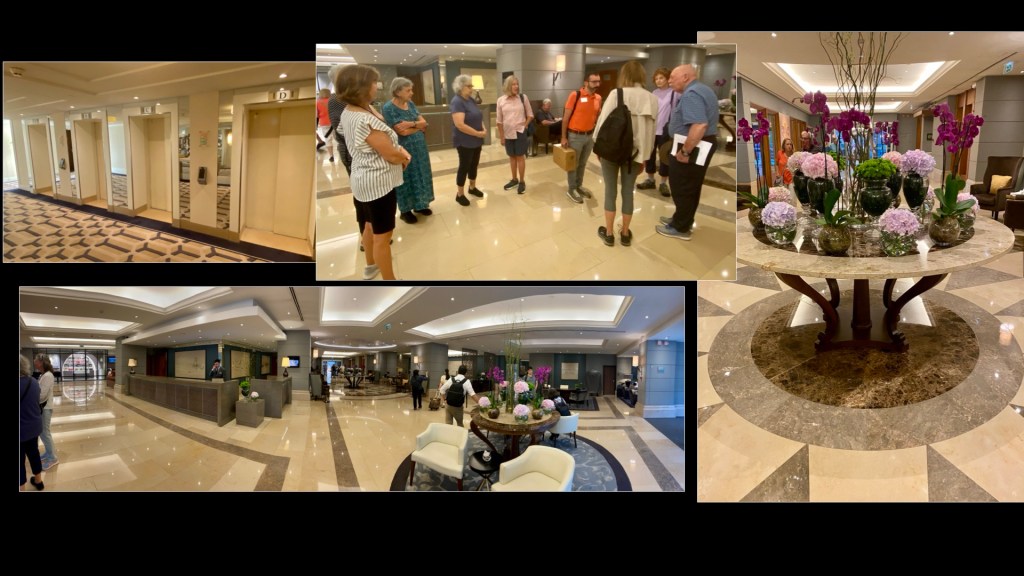
Heading Out
After a FULL breakfast our group met in the hotel lobby, each of us was issued a “whispers” wireless listening devices (to aid in hearing the Tour guide – Silvia), boarded the bus for a driving tour of much of the city and our first stop at a magnificent former monastery, with an incredible cloister.

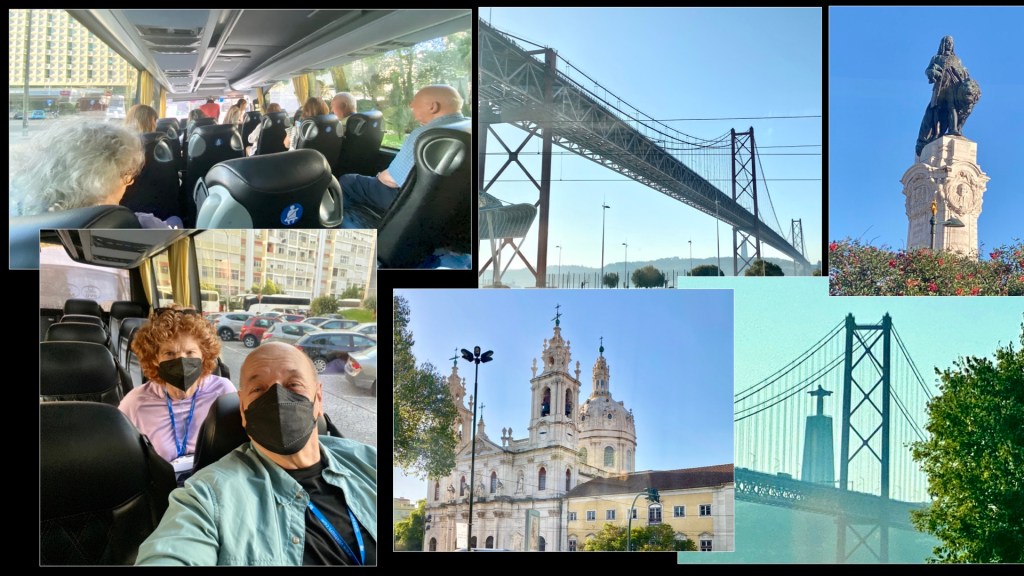
This morning’s city tour includes a narrated bus trip through much of the old town city center.
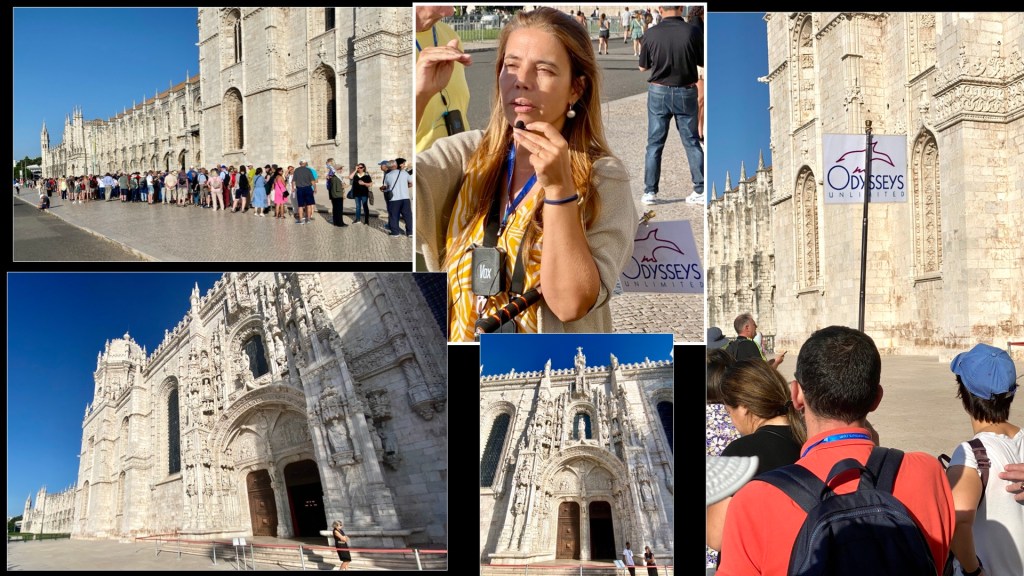
We then visited the majestic Mosteiro dos Jerónimos, a monastery built in 1501 and completed 100 years later. The monastery was built on the ruins of an existing church, and it was here, in 1497, that Vasco da Gama and his crew spent their last night in Portugal in prayer before leaving on their historic journey. Da Gama, along with his four ships and a crew of 170 men, became the first Europeans to sail around Africa’s Cape of Good Hope and find a sea route to India. Today, the monastery houses some of Portugal’s treasures from the discoveries of Vasco de Gama and other explorers..
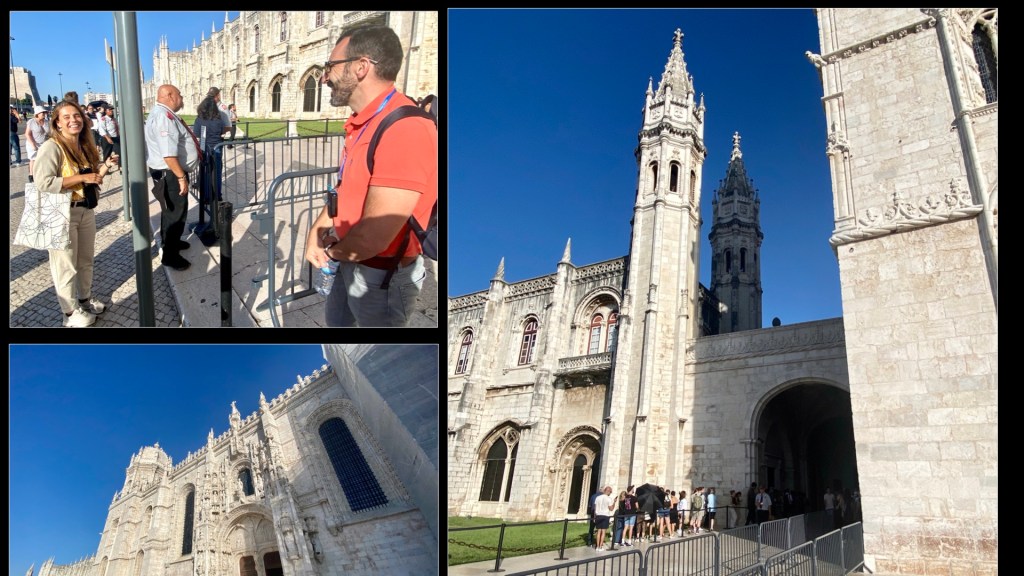

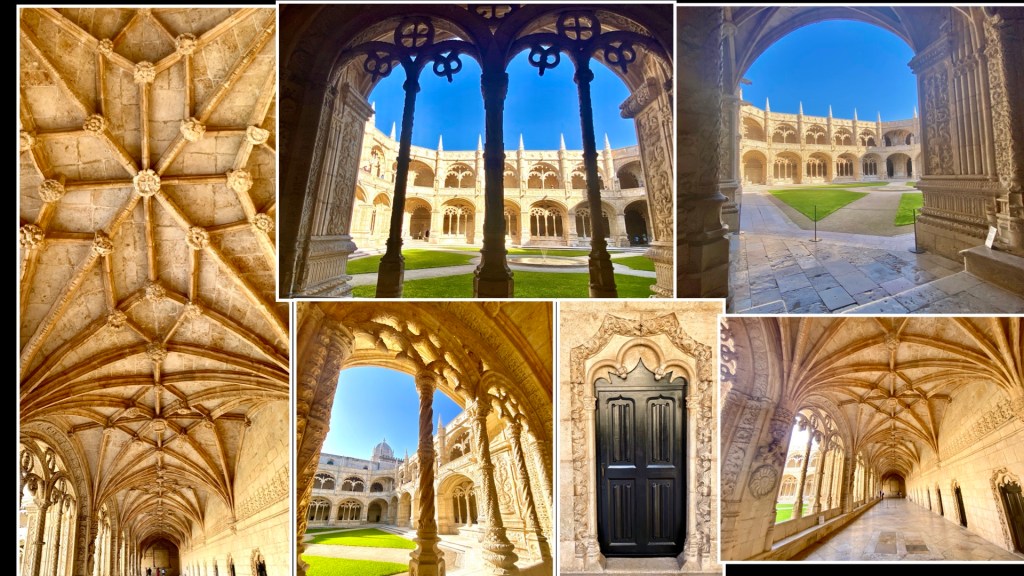
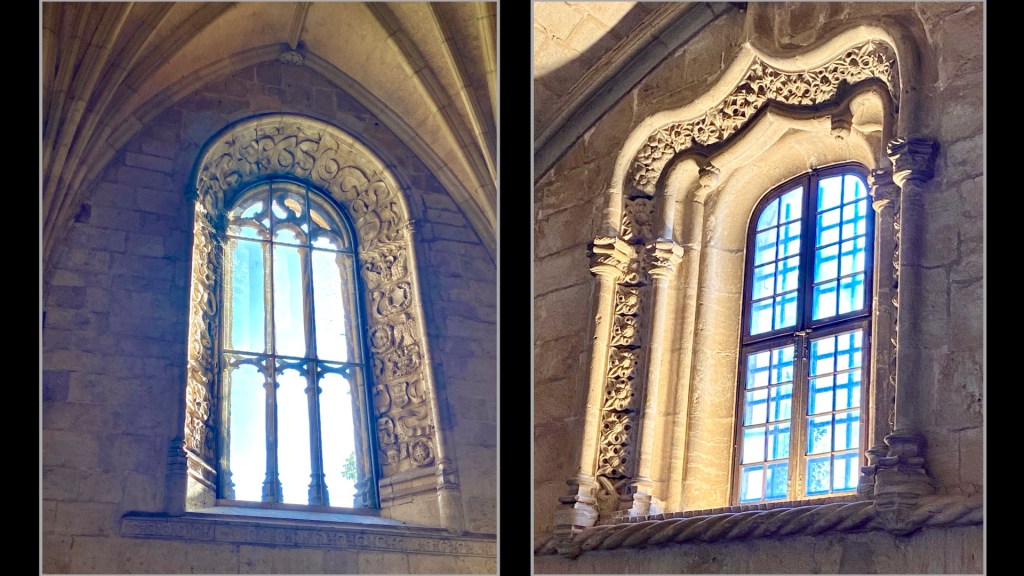

After visiting the monastery, we were treated by our tour director (Jose) with a sweet treat, authentic custard pies from Pasteis Belem.
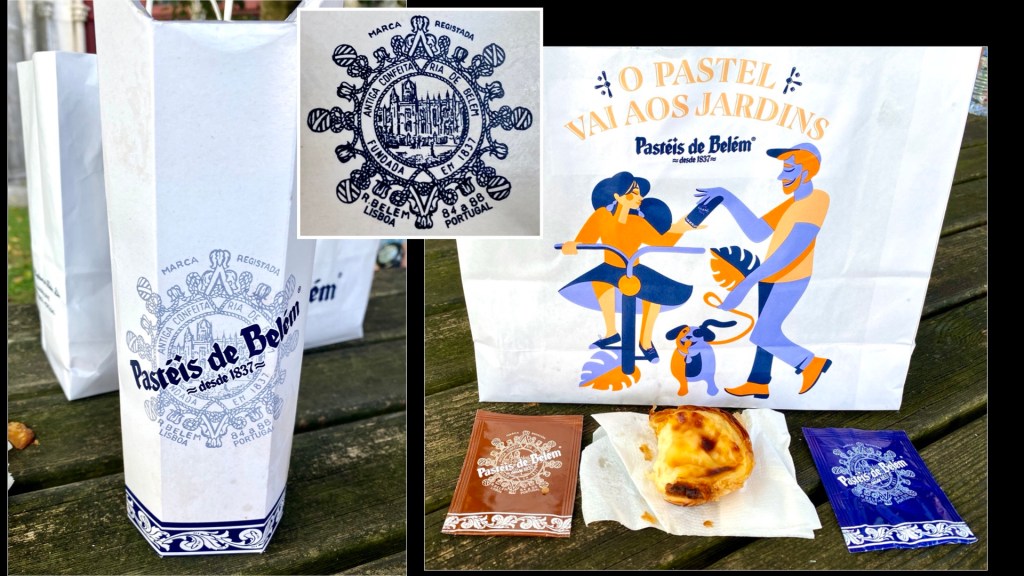
After a restroom stop we walked to the water front and the beautiful Monument To The Discoverers, the most photographed monument in Portugal, which stands at the mouth of the Tagus River commemorating Portugal’s seafaring and literary heritage.
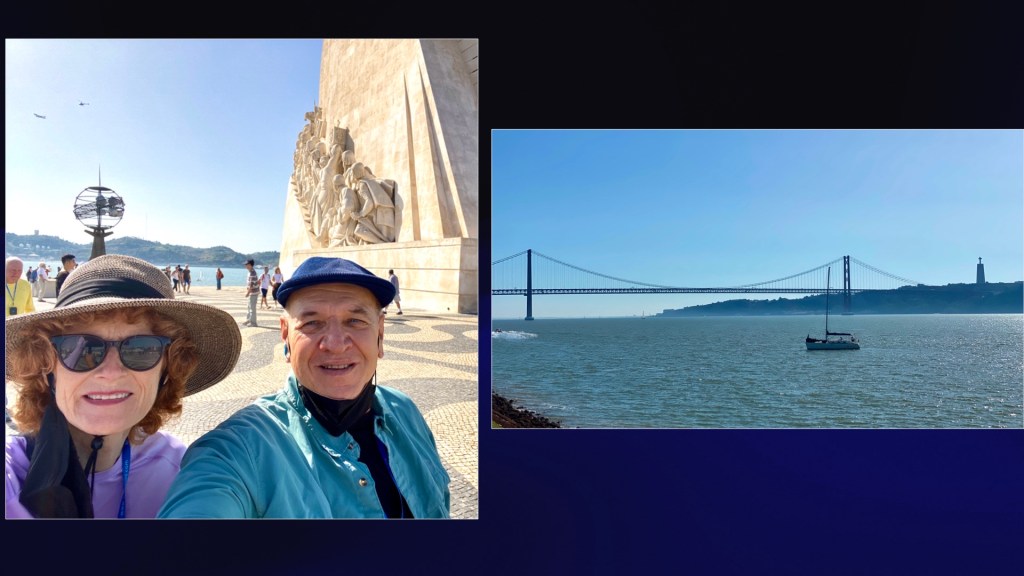
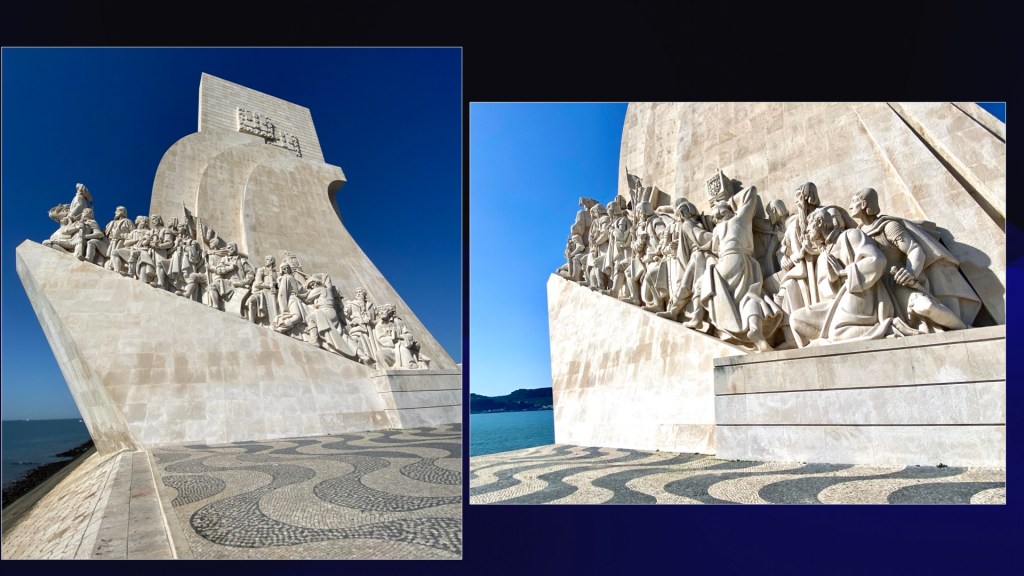

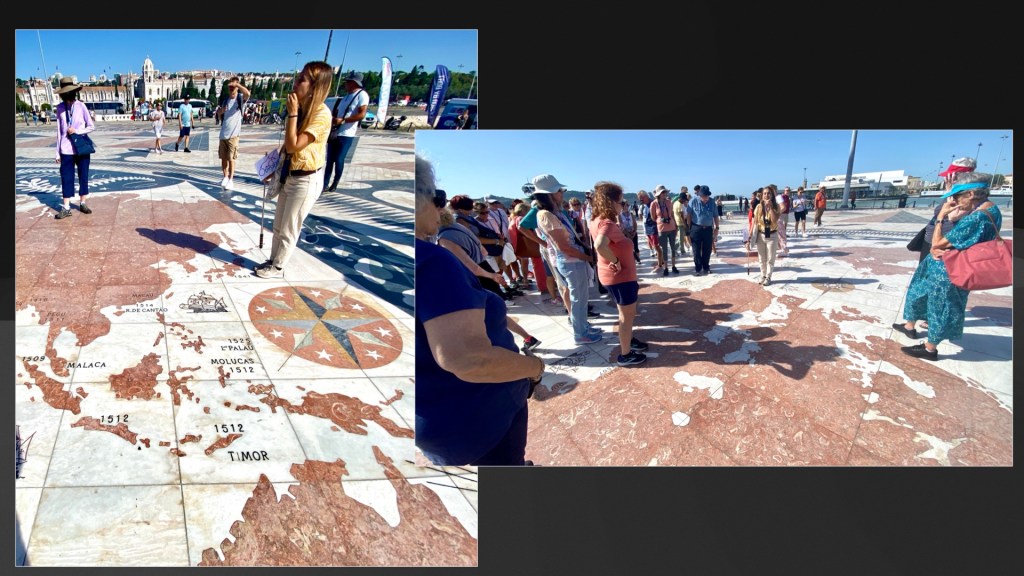

Breaking Away From The Group
After the Monument To The Discovers we parted ways with the rest of the group, and headed out on our own, via cab to the National Tile Museum. Colorful, detailed decorative ceramic tiles are EVERYWHERE in Lisbon. This museum was a great way to see and learn more about the tiles, throughout history (many on display were from the 1500-1600 timeframe).
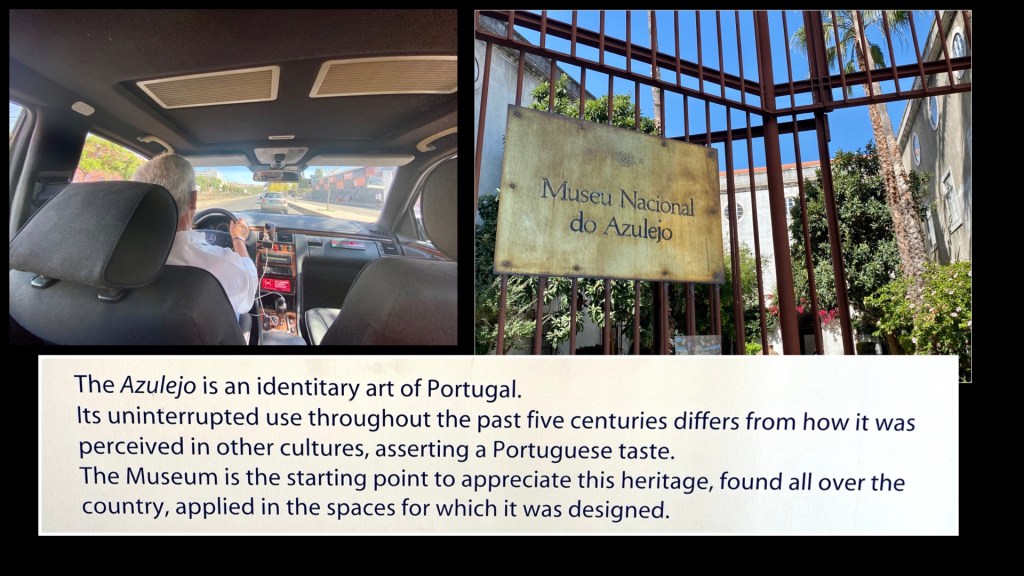


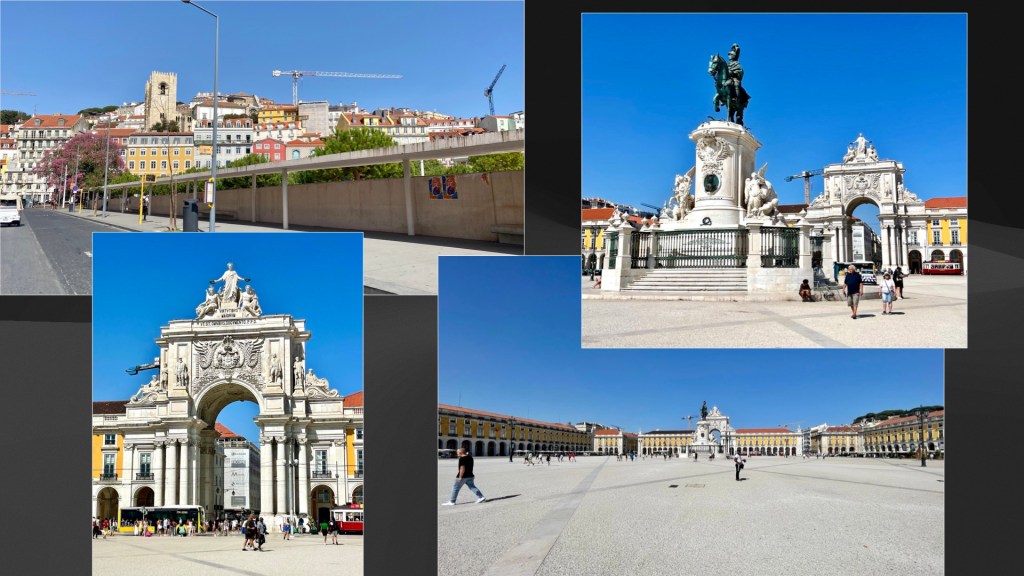
Next up, another cab ride, this time to the vary expansive Plaza de Comerica with its impressive arch and statutes.
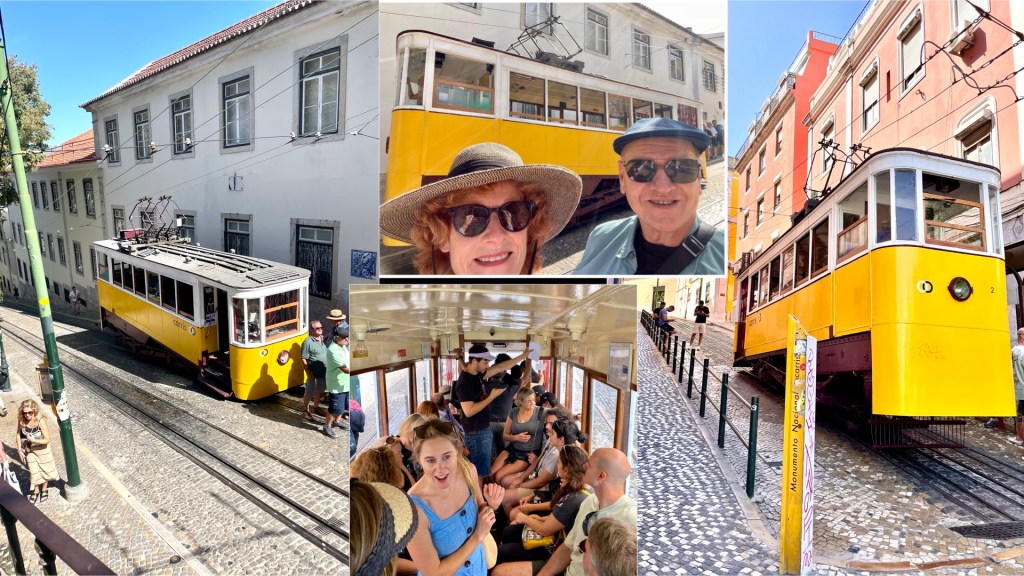
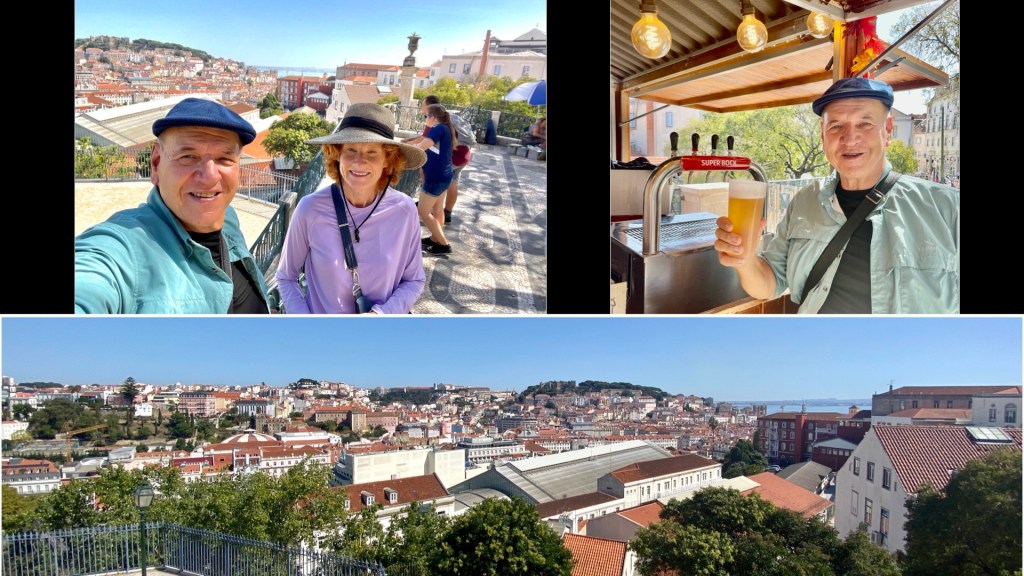
Then on to catch the funicular up to an overview park with magnificent sweeping vistas of the city. The experience was enhanced with a Super Bock beer from one of the many vendors in the park (which was established in 1896)
An Incredible Church
Next up, after a quick stop at a shop to purchase a frig magnet and a wonderful coffee cup adorned with images of colorful tiles, we walked on to the amazing Sao Roque Church
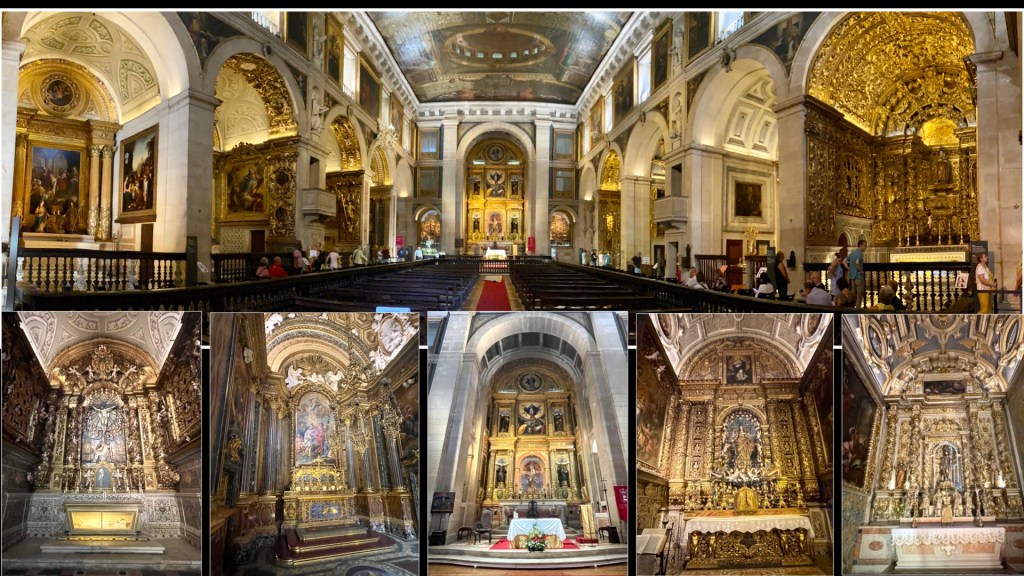
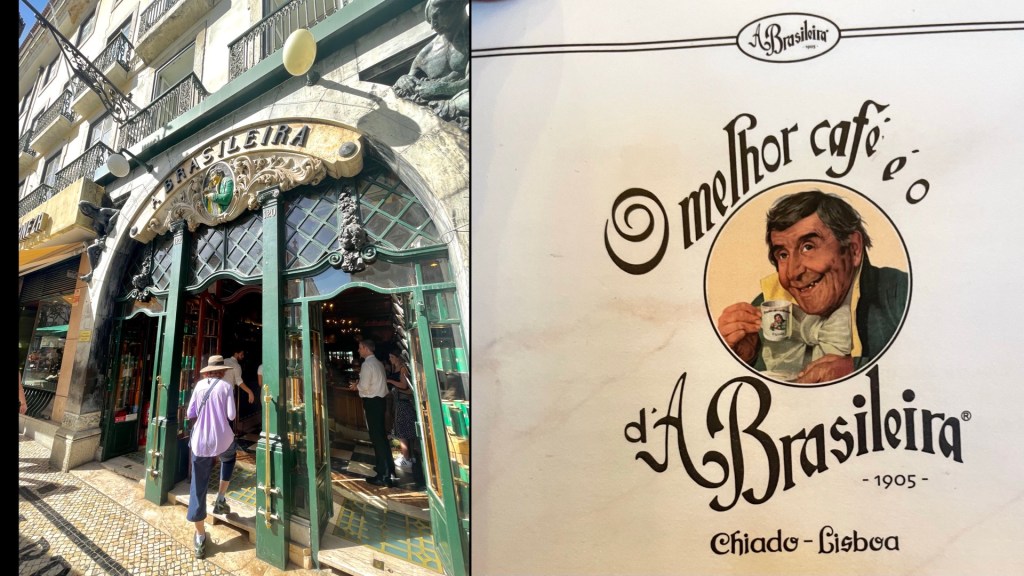
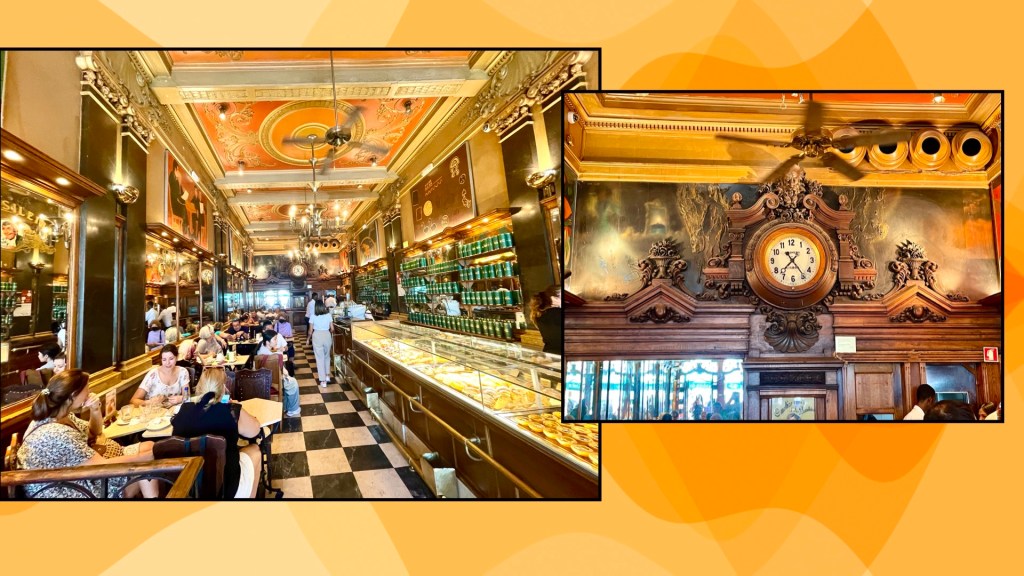
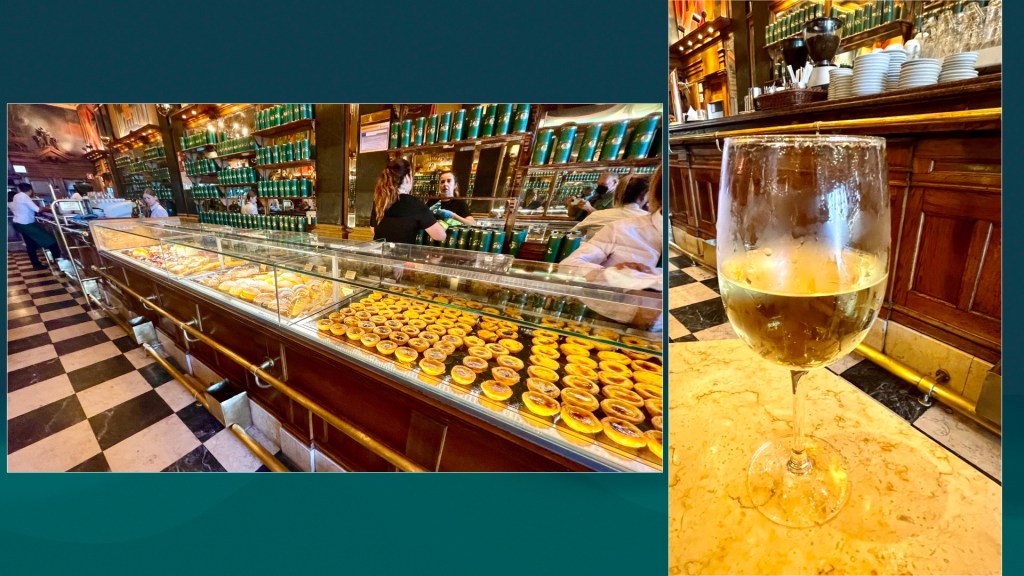
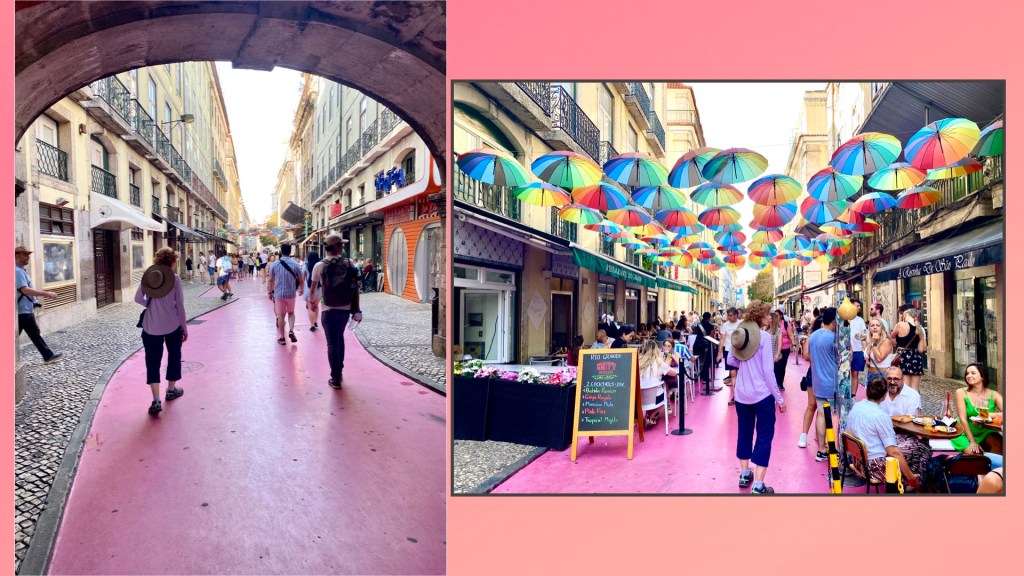
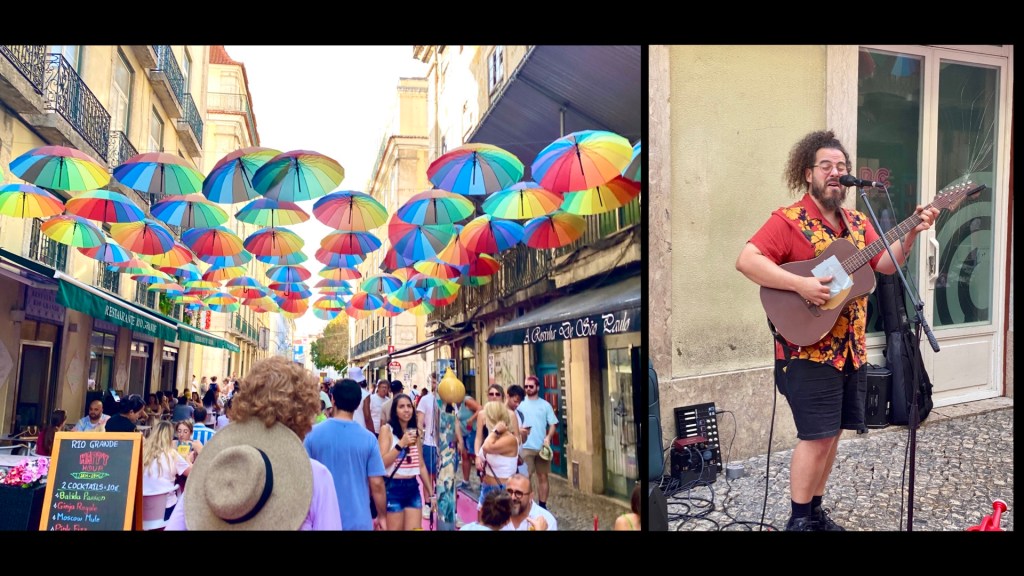
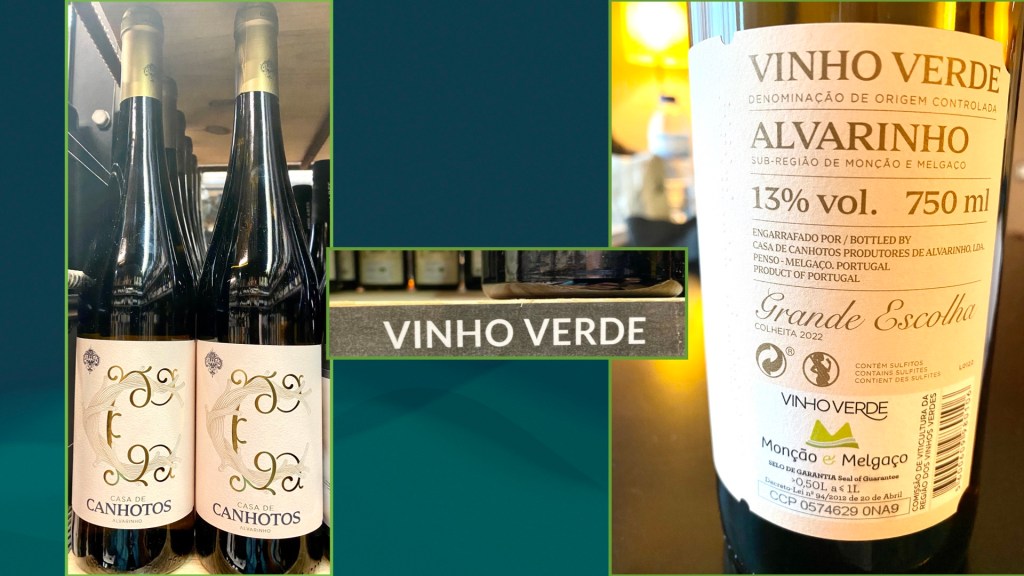
A gentle downslope walk through lovely, quaint neighborhoods brought us to a ”must see” place, the “Cafe A Brasileira”. We were quickly escorted to inside seats, and enjoyed some refreshing beverages, including a glass of Venho Verde (Green Wine), a traditional Portugese wine.
Dinner Time
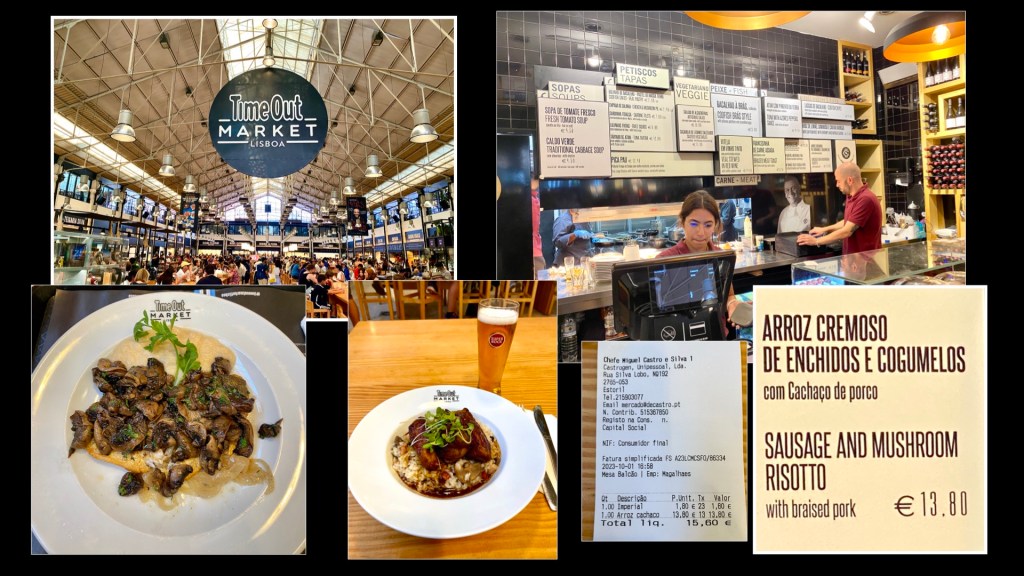
Dinner tonight was at the TimeOut Market, a large indoor market with a very large array of food vendors. We chose the Mushroom Risotto with braised pork (Steve), and grilled sea bass (Sally). Before leaving the market we bought a bottle of Green Wine for consumption later in the trip
The Journey Back To The Hotel
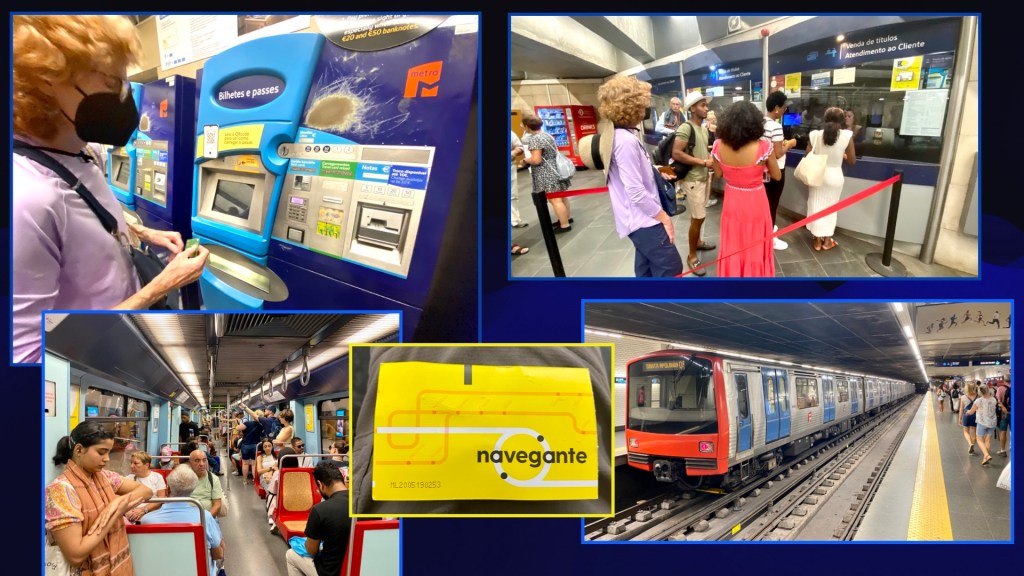
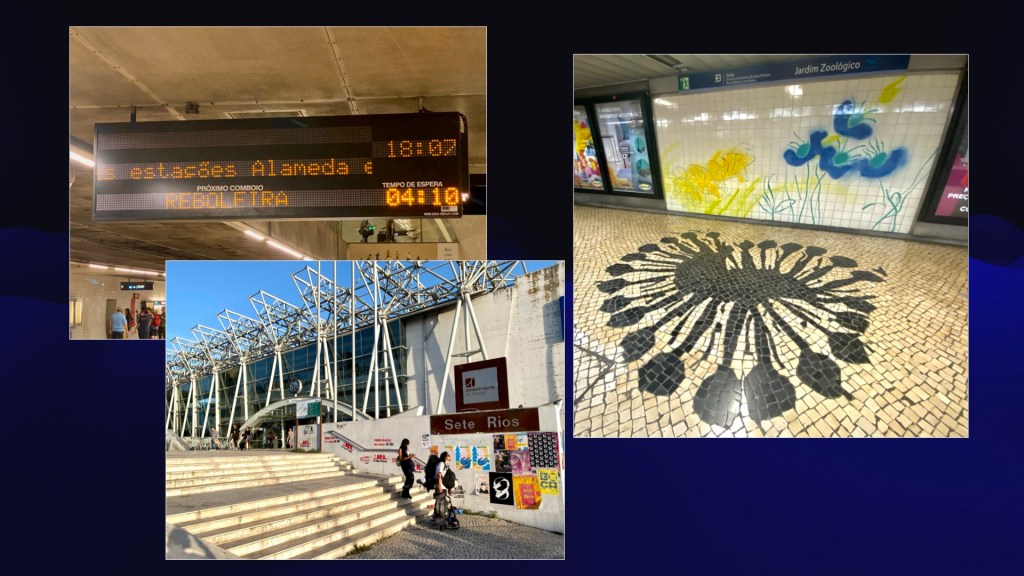
Traveling back to the hotel after dinner we used the Lisbon Metro. We had studied ahead and knew how to purchase a ticket, but found we were using a defective ticket vending machine. After a bit a very nice young couple (originally from Brazil) helped us and we were on our way via the Green and Blue lines, arriving back at the hotel around 6PM
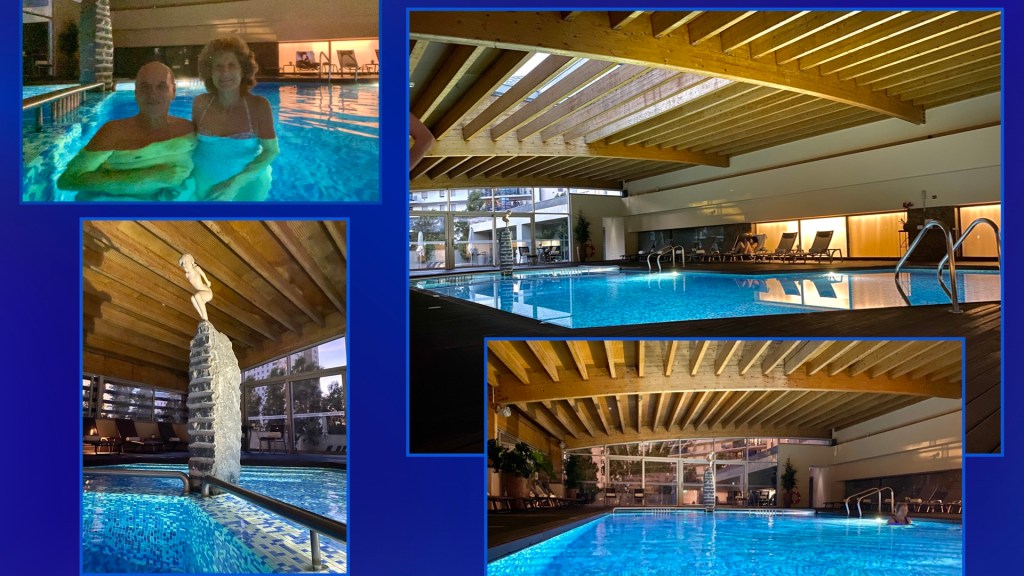
Back at the hotel we finished the day in the hotel pool, and then off to bed, with dreams of heading to our next destinations, Obidos, Nazaré, and Porto
Day 4 Monday 2 Oct
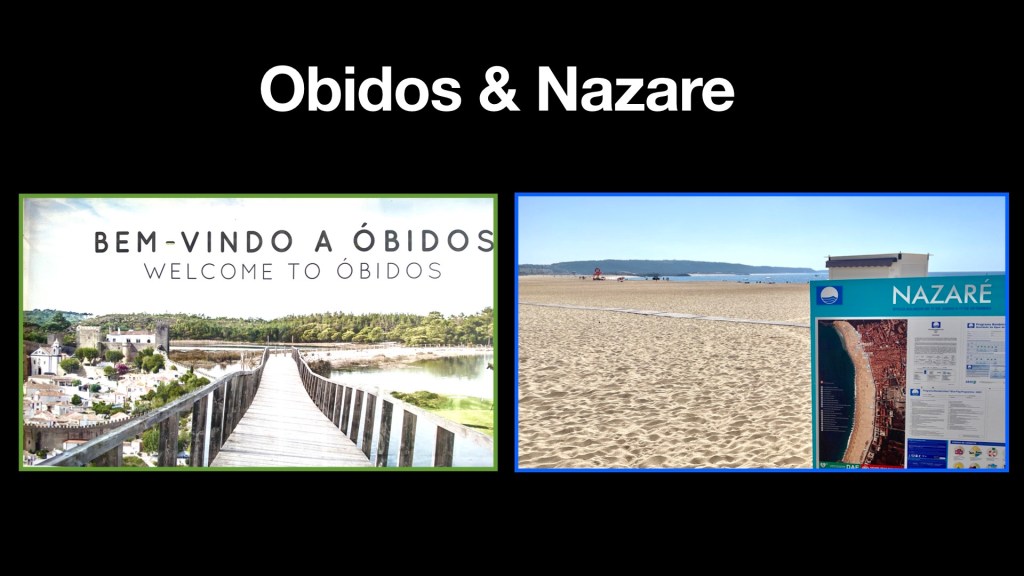
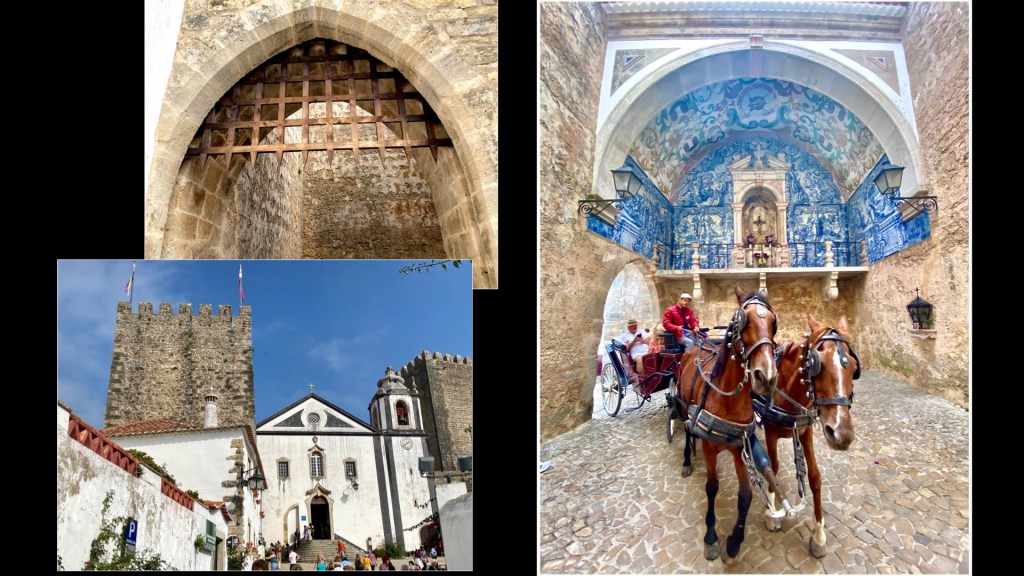
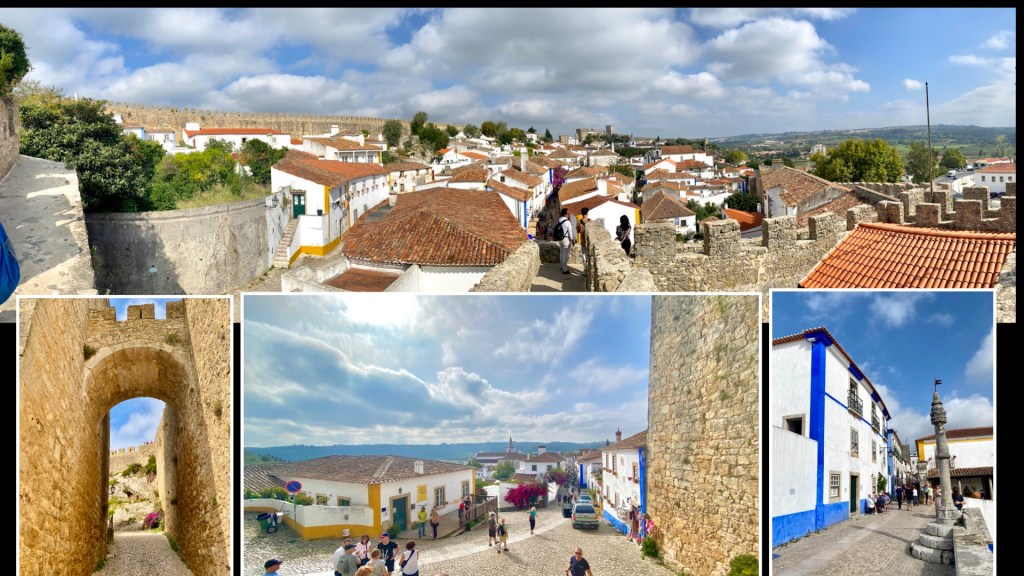
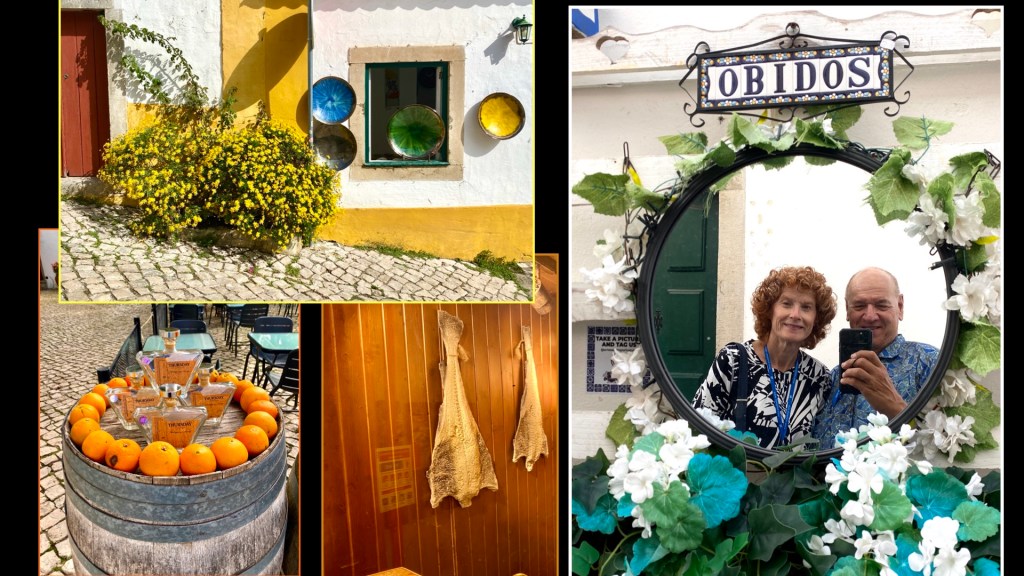
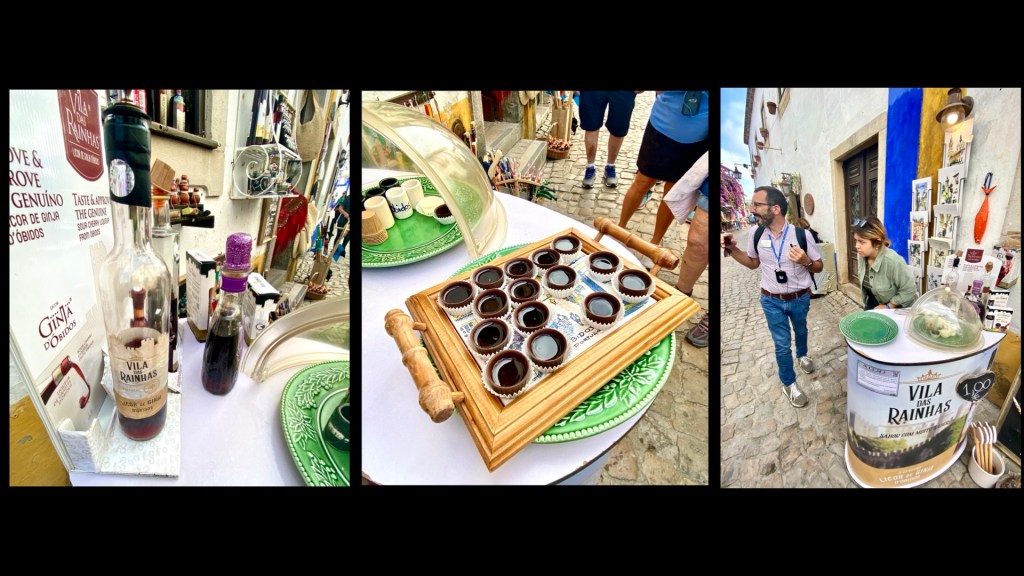
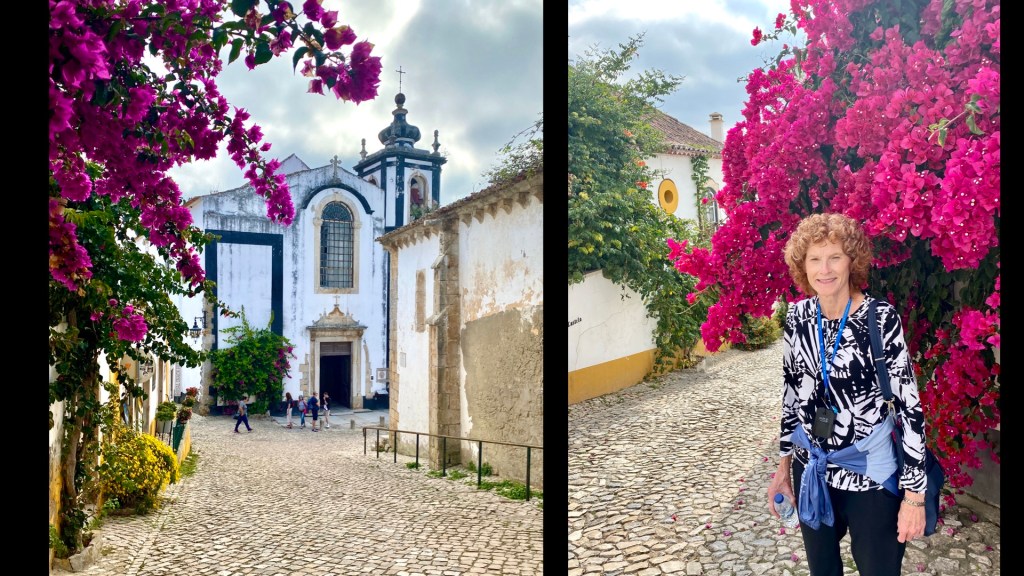
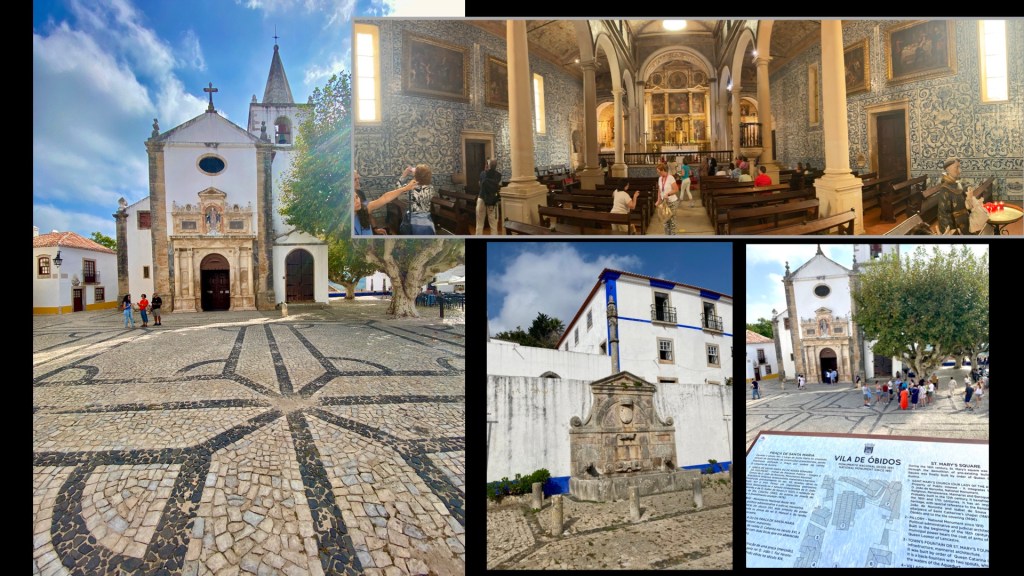
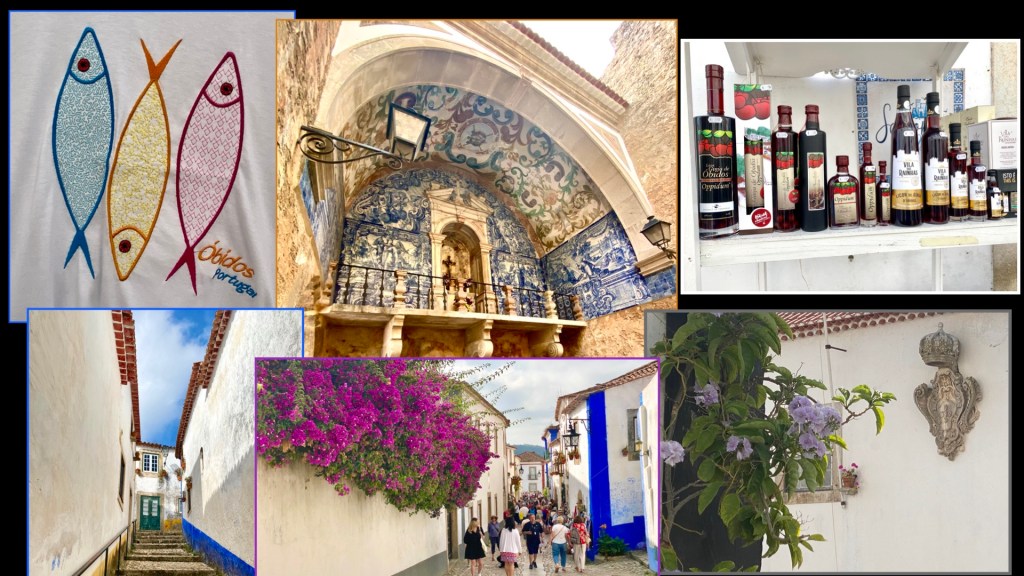
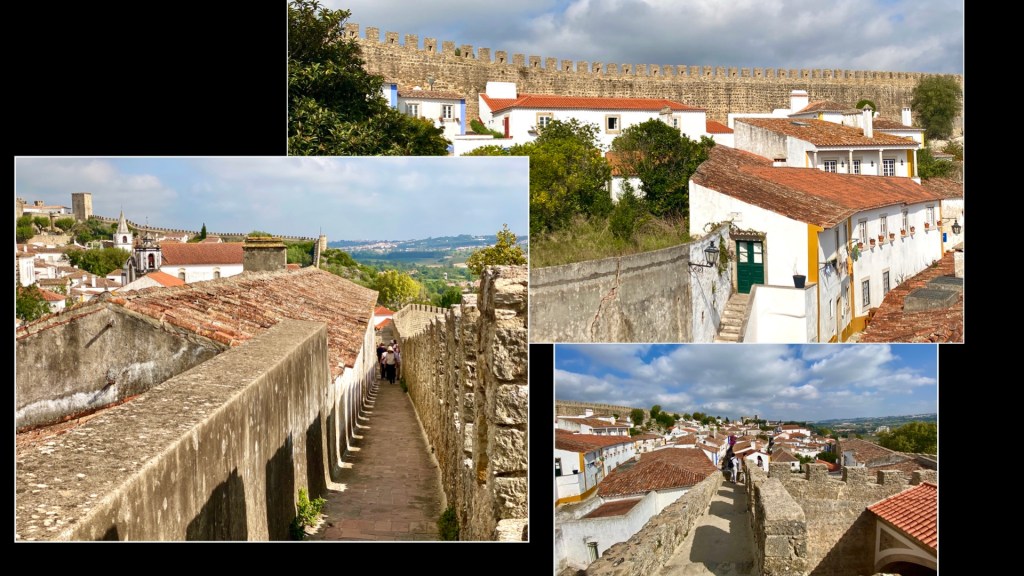
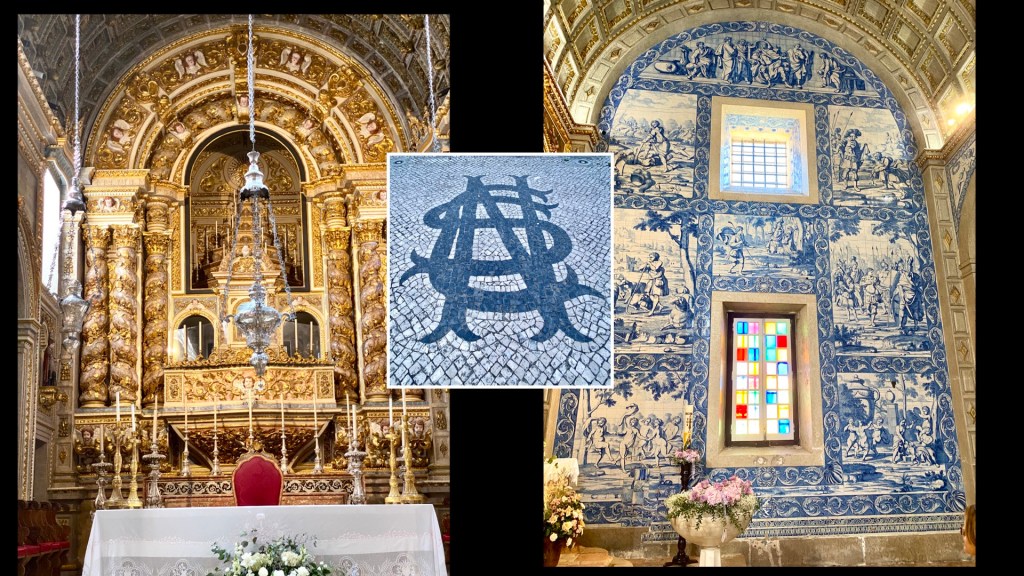
Leaving Lisbon and driving north, we stopped in the small fortified town of Obidos, where we take a walking tour through its medieval streets and squares. The Romans and the Moors had settlements here until Portugal’s first king wrested it from the latter in 1148. Known as the “Wedding Present Town,” Obidos formed part of King Denis’ dowry to his queen, Isabel, on their wedding day in 1282 CE. As we meander through this lovely village full of red-tile roofs and whitewashed walls, it’s easy to see why Portuguese kings continued the tradition of presenting Obidos as a wedding gift for over 500 years.
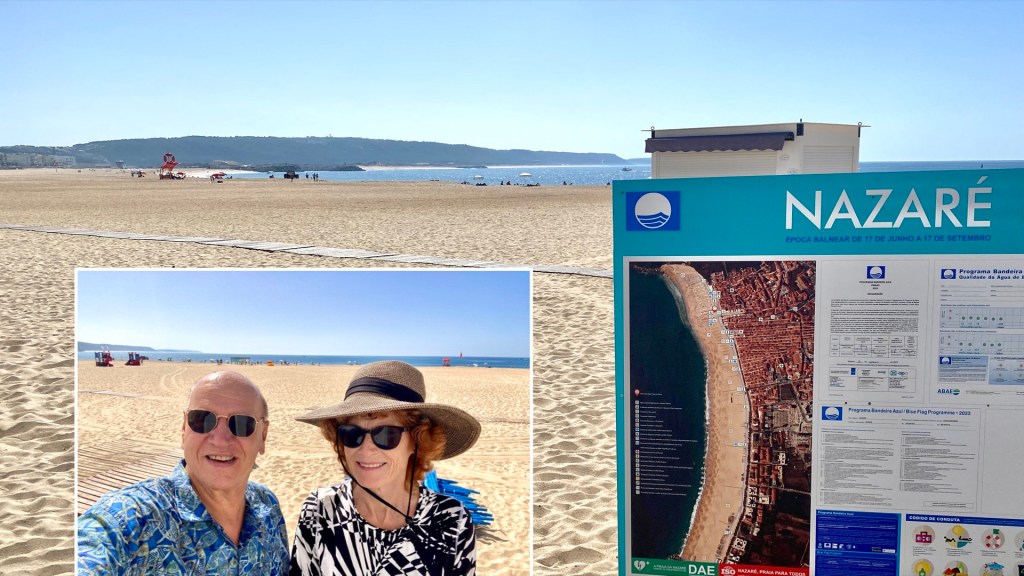
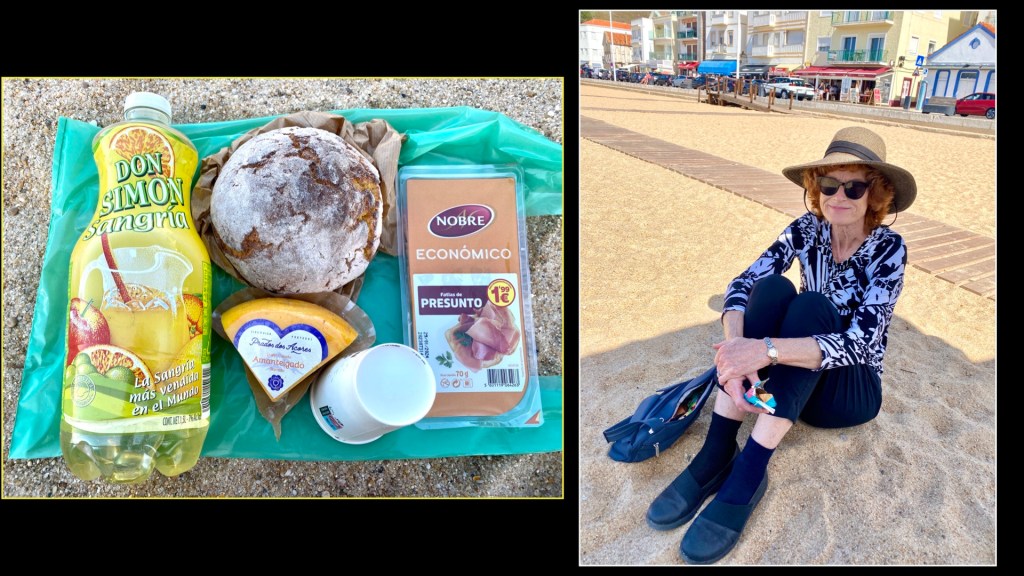
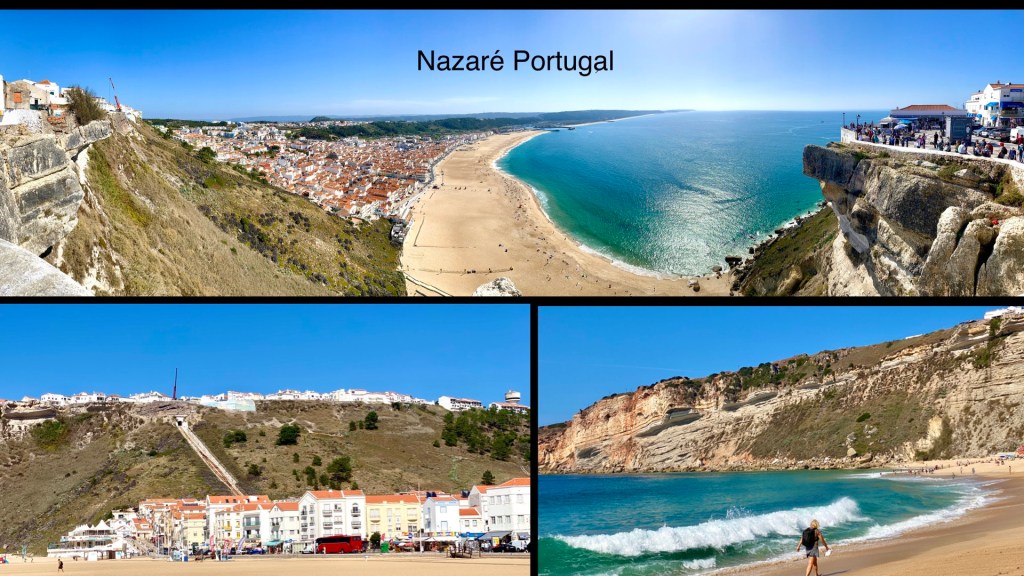
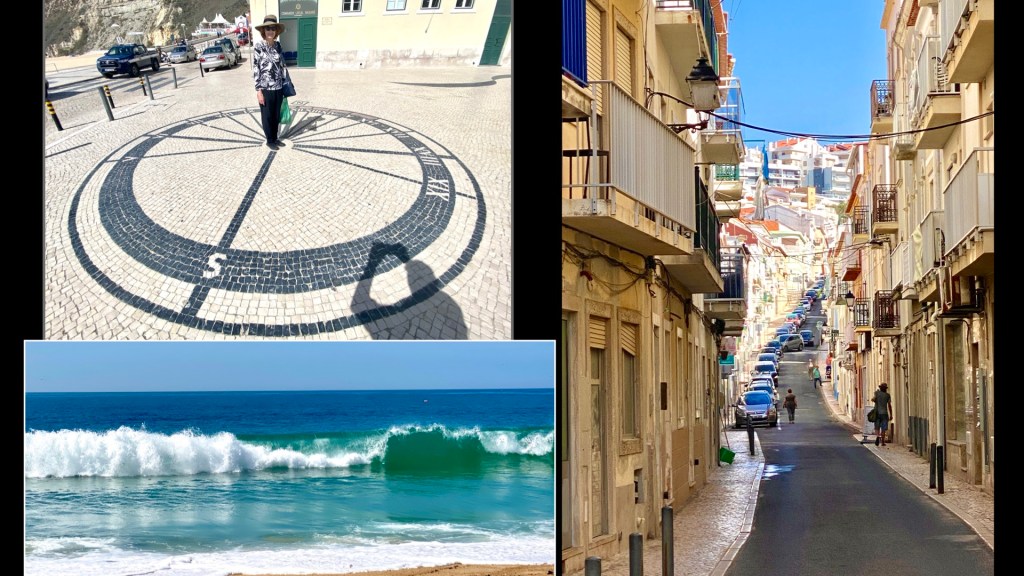
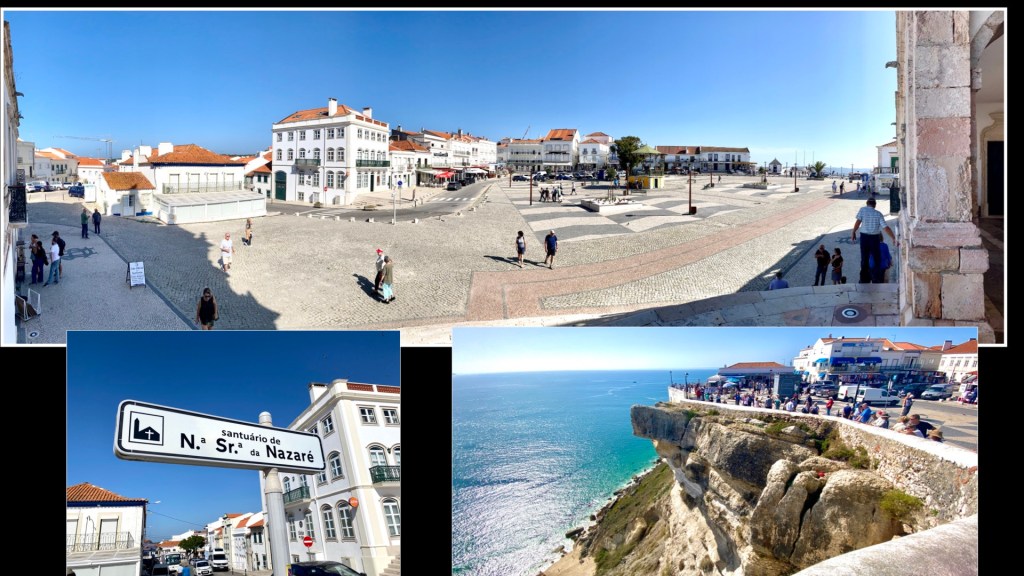
We continue on to the seaside village of Nazaré, where we have free time for lunch on our own in this town best known for its massive waves. We chose to go to a local super Big-wave surfers from the world over descend upon Nazaré when the conditions are right, and a few riders have caught enormous waves, including Rodrigo Koxa’s 80-footer in 2017 (an official Guinness world record), and Hugo Vau’s reported 115-foot “Big Mama” in early 2018. Legend holds that the Virgin Mary miraculously rescued a knight, Dom Fuas, from a fatal fall here in the 12th century; the chapel he built to commemorate the miracle still stands on the cliffs.
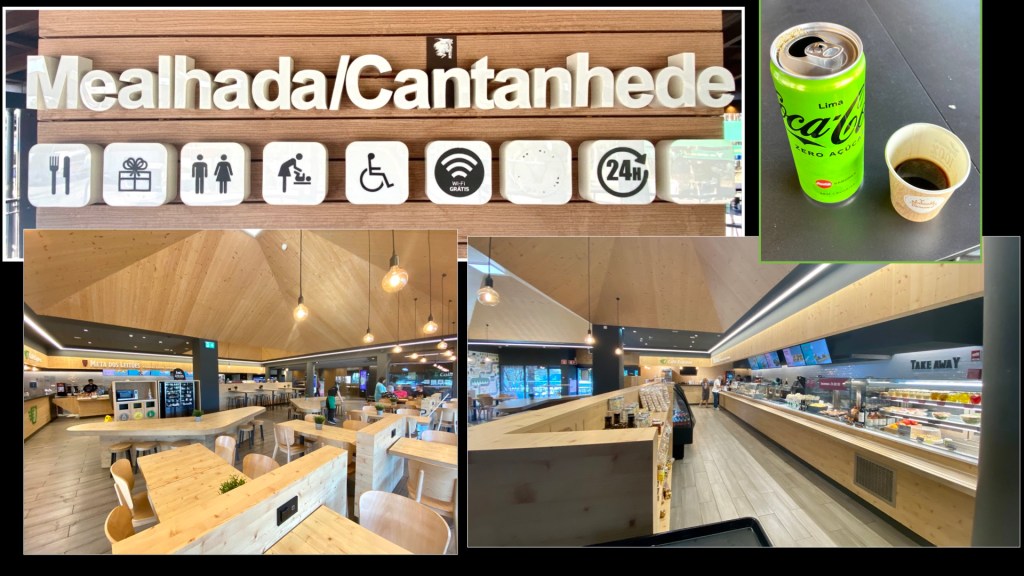
Highway Rest Stop
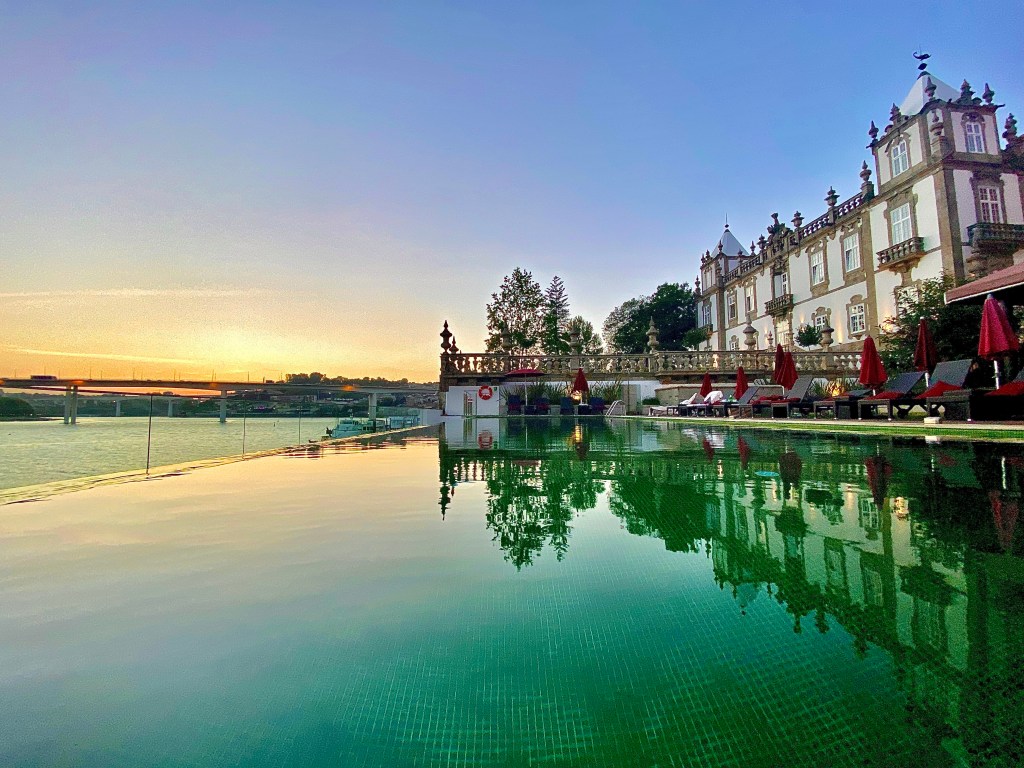
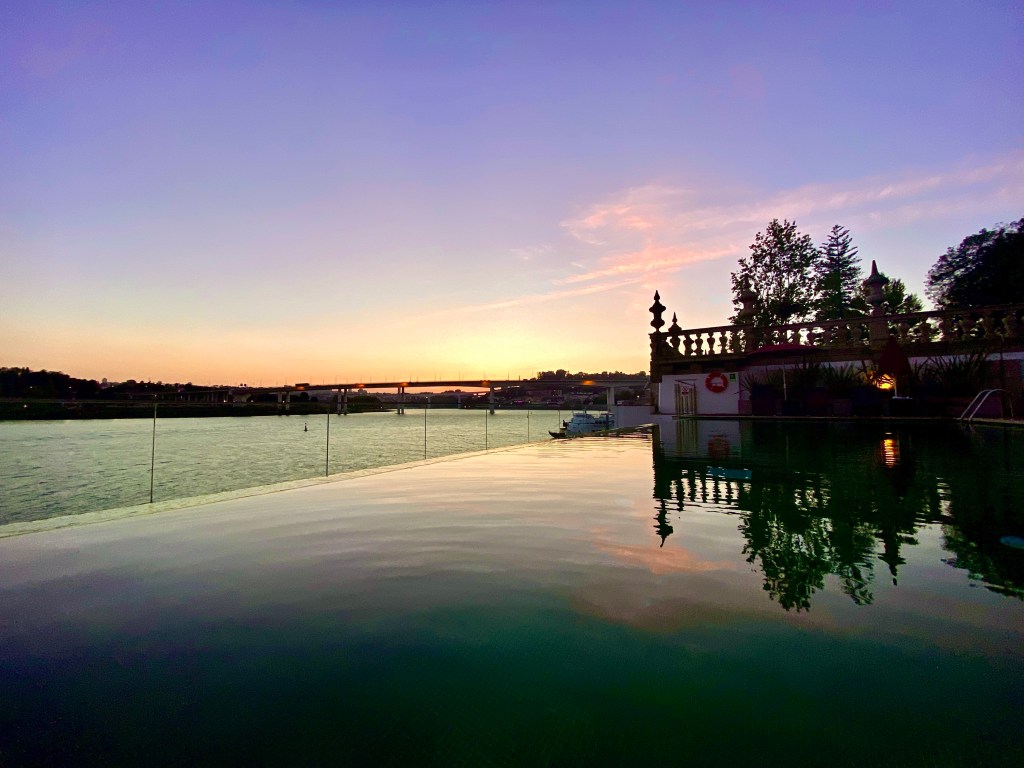
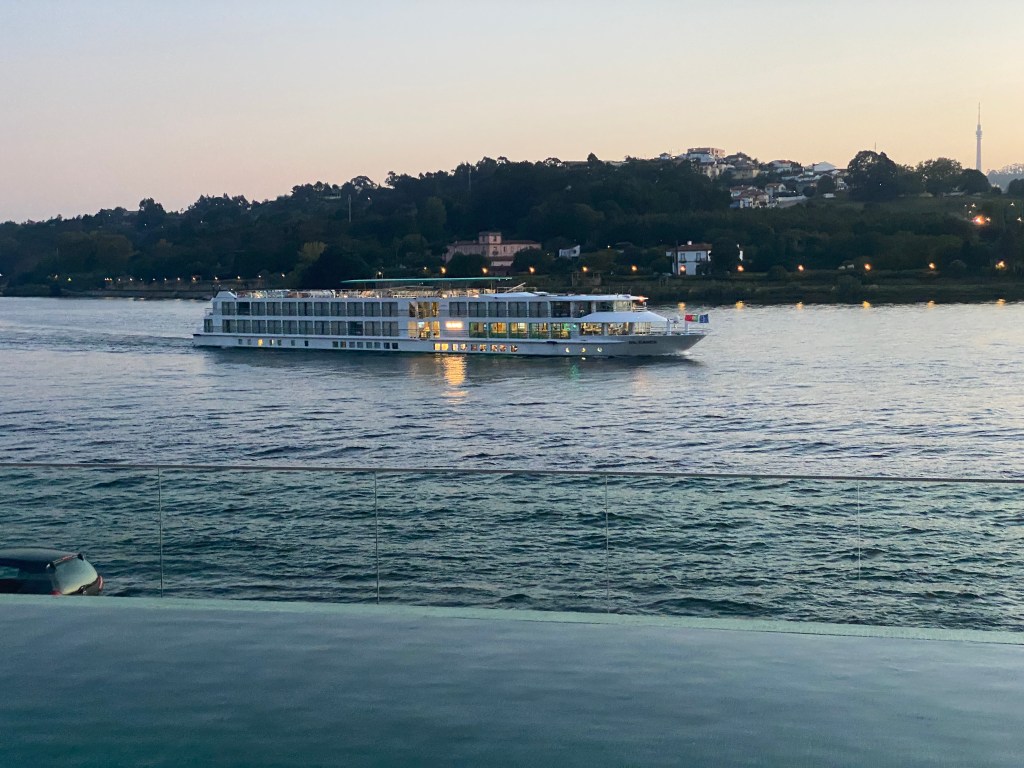
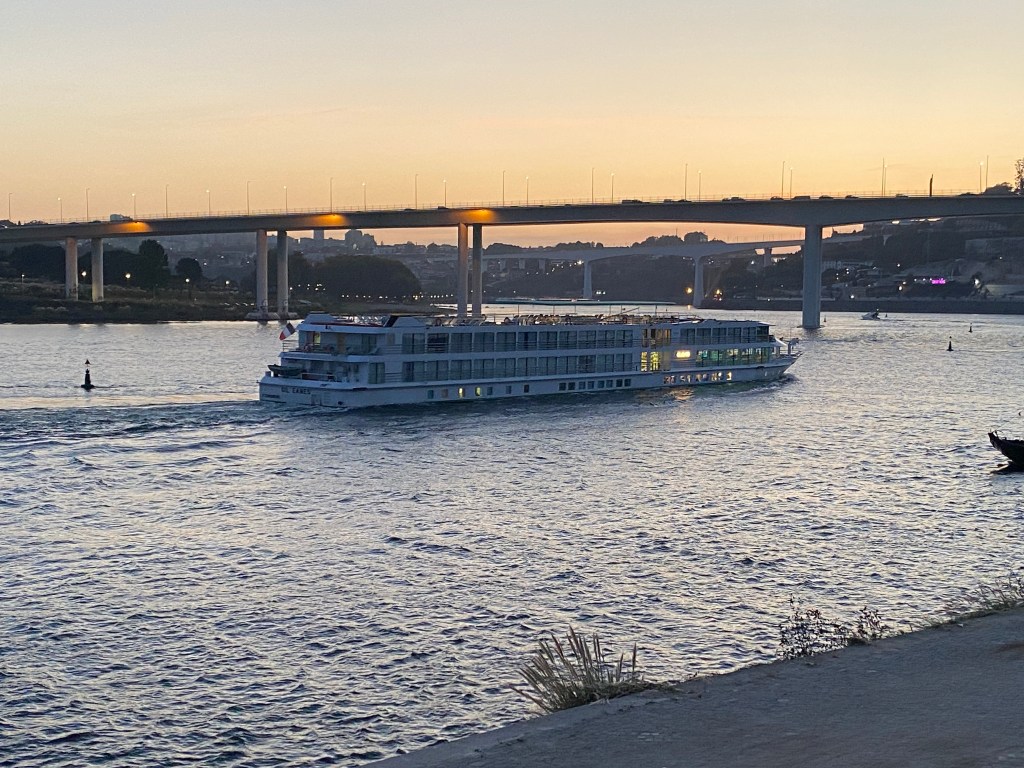
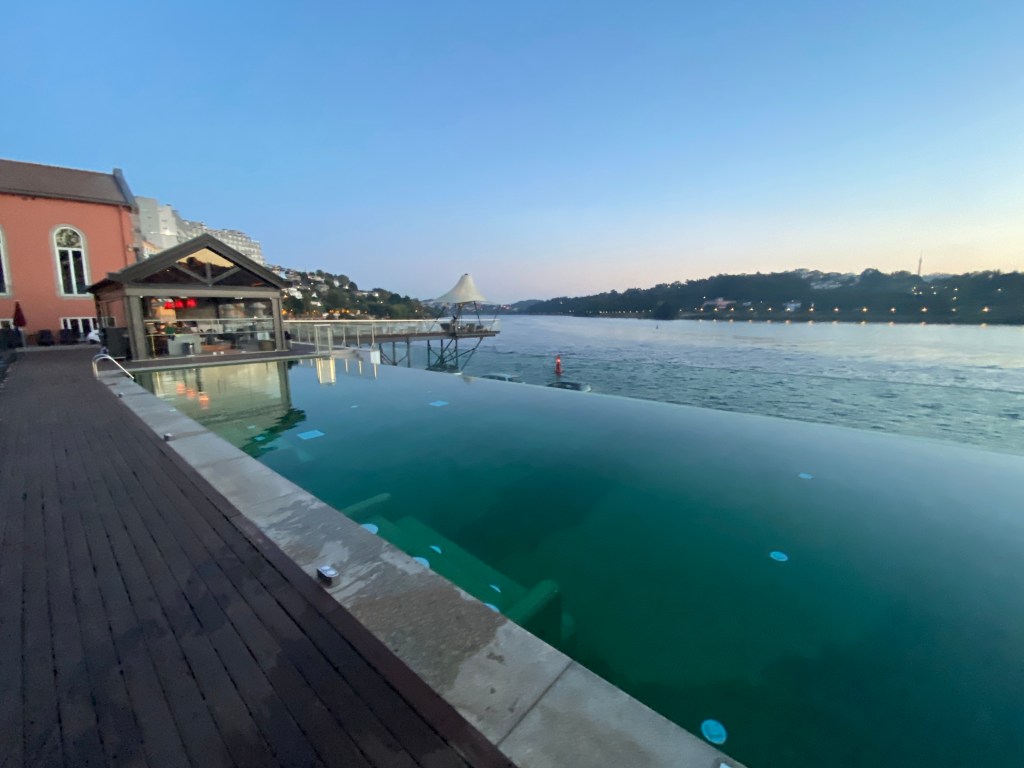
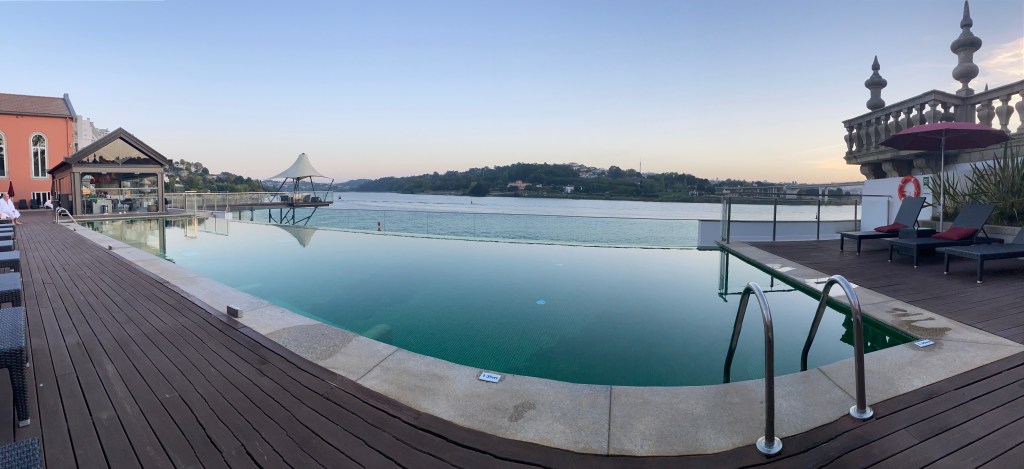
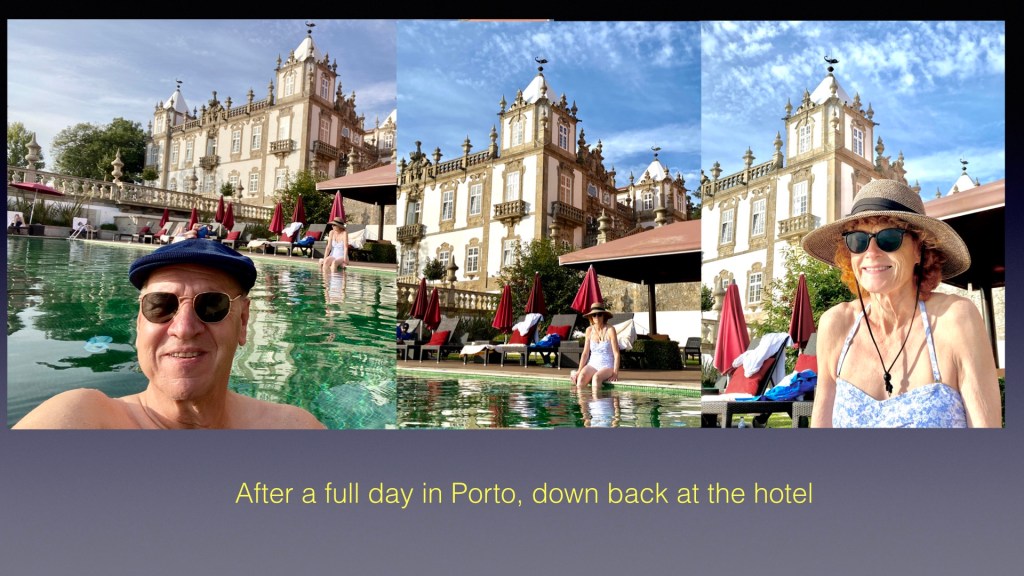
Early this evening we reach our pousada in lovely Oporto, Portugal’s second largest city, one of Europe’s oldest urban centers, headquarters of the port wine trade, and UNESCO World Heritage site.
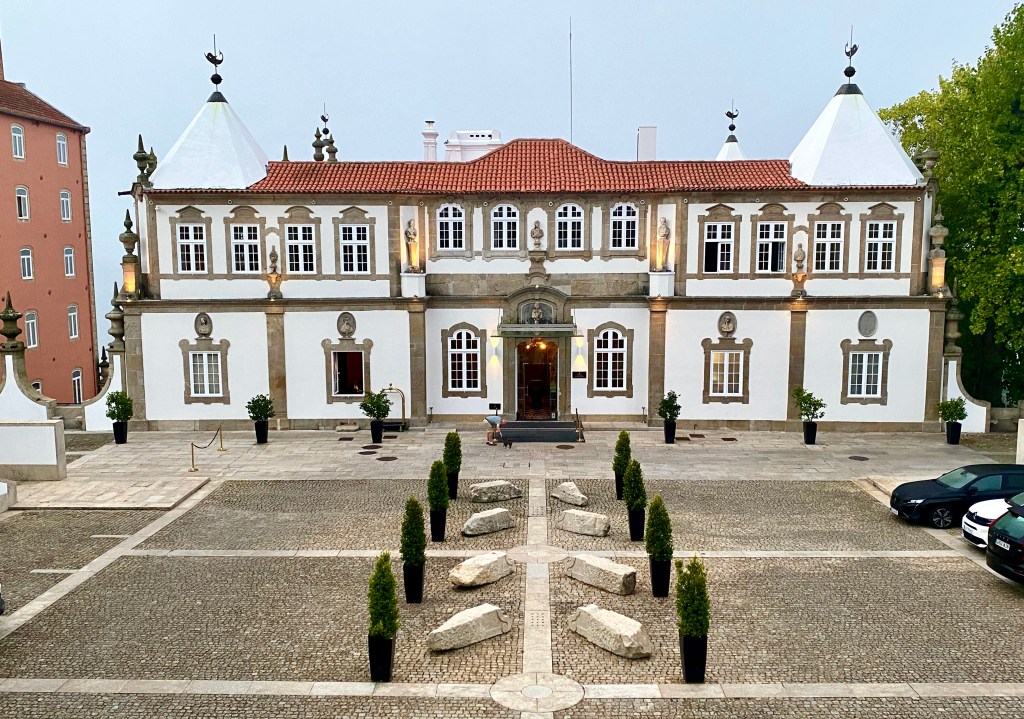
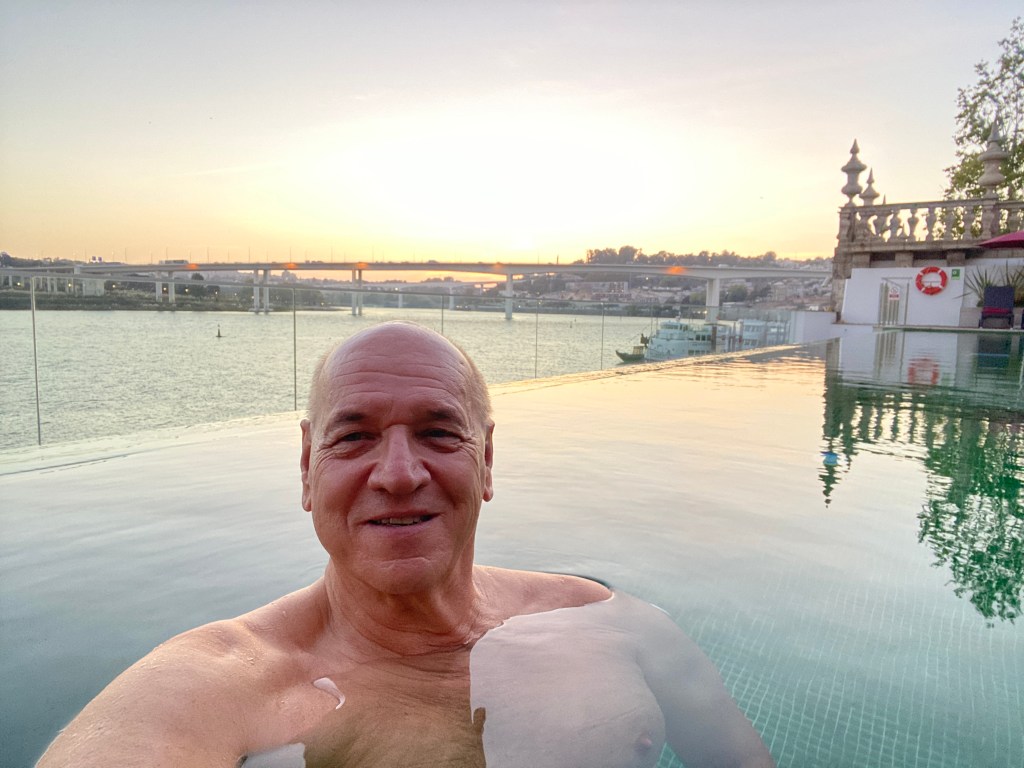
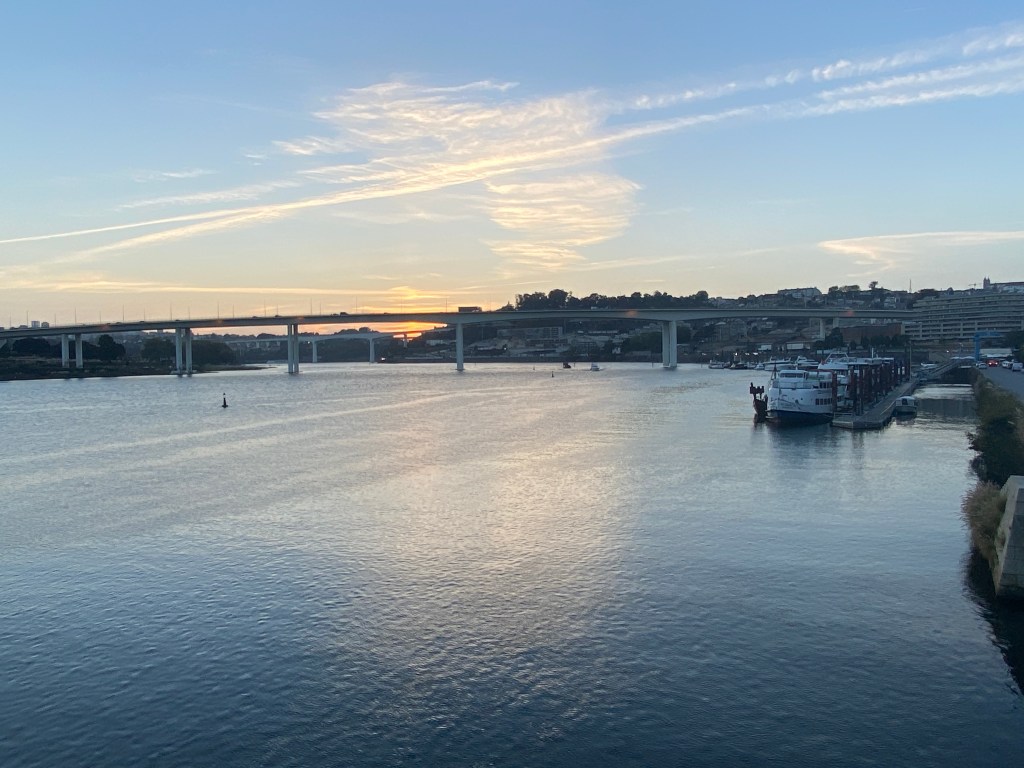
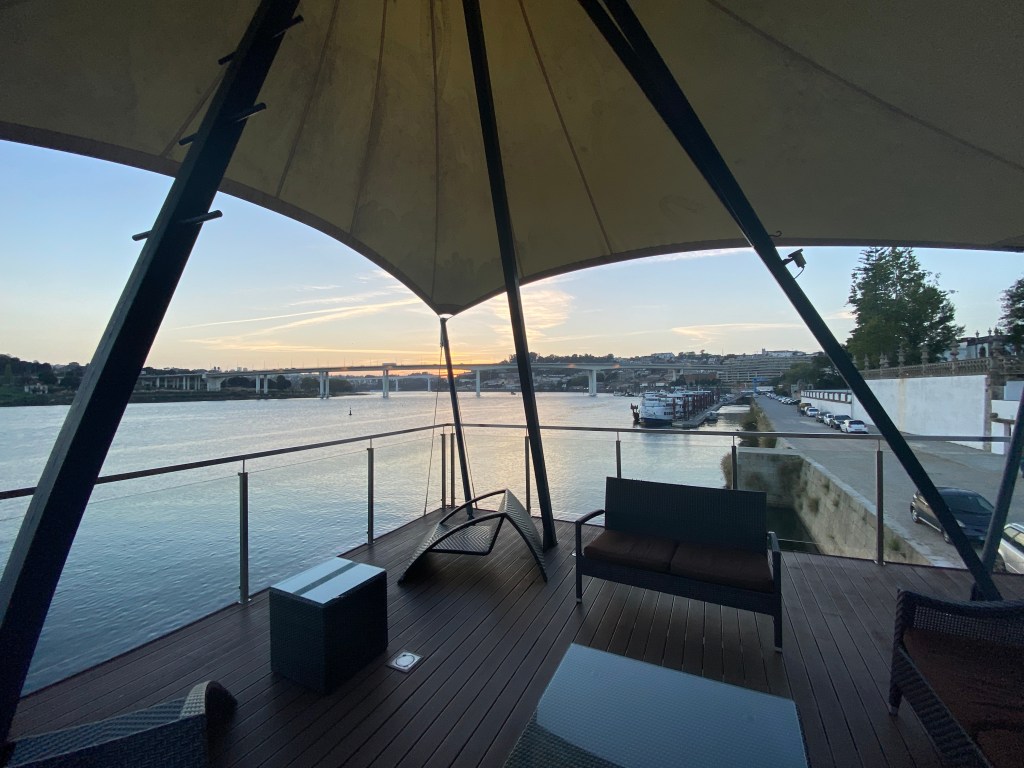
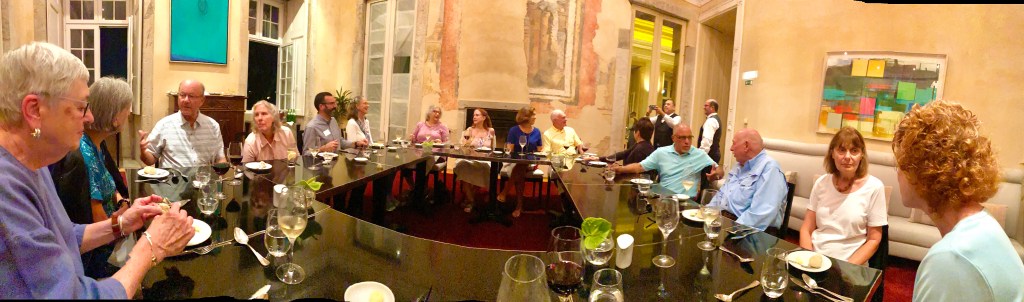
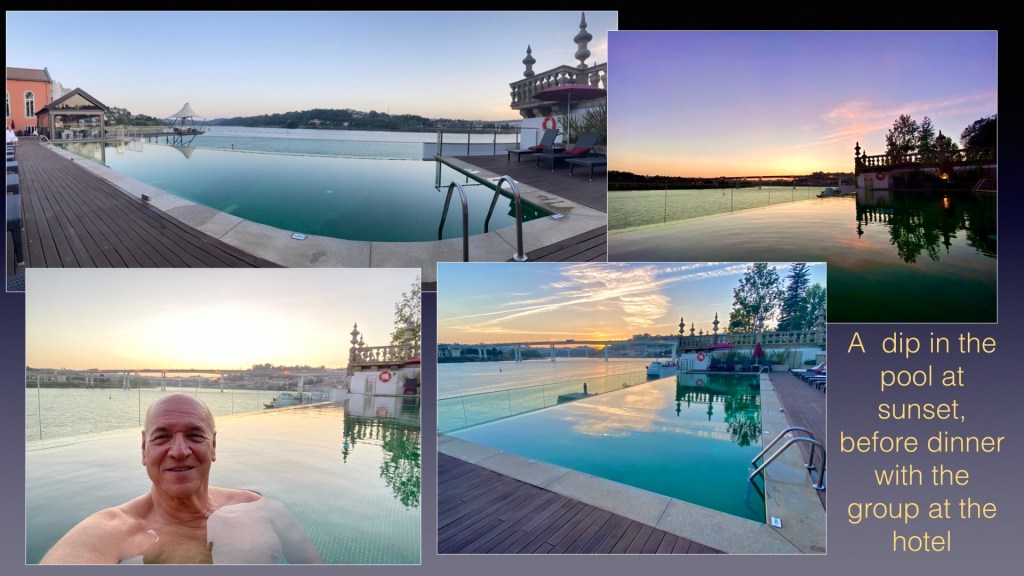
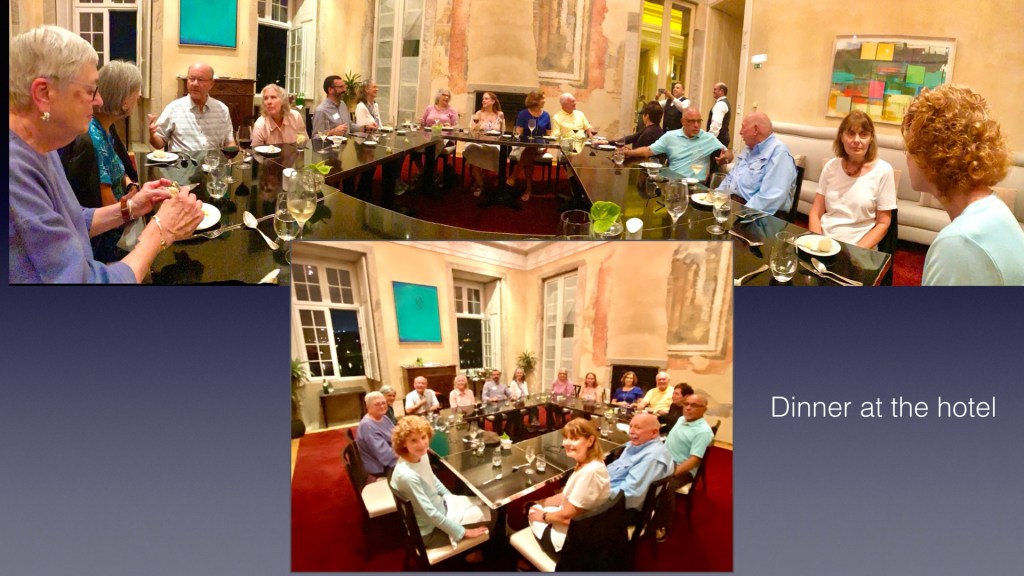
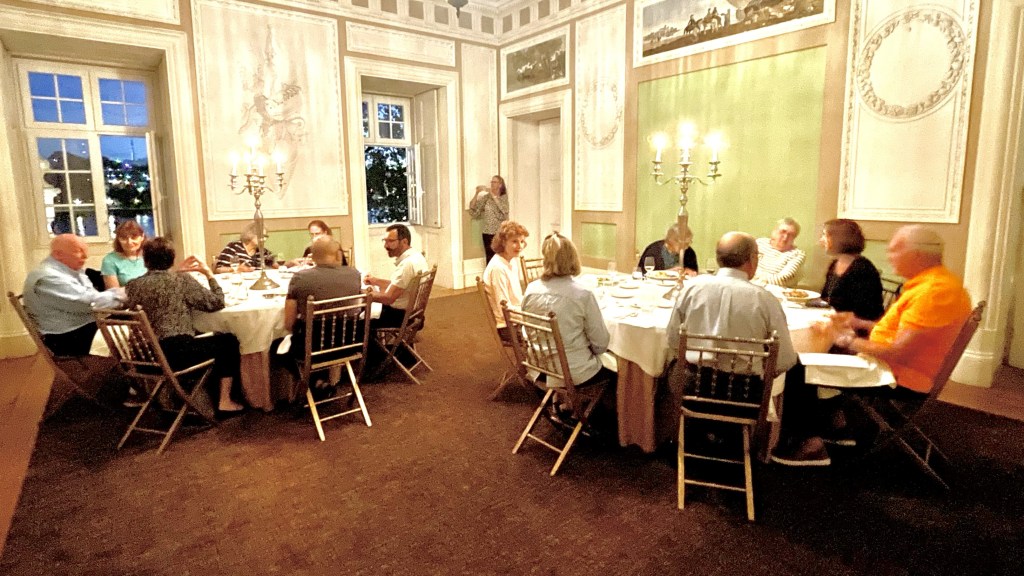
Pool Time and Dinner

Day 5 Tuesday 3 Oct
Oporto

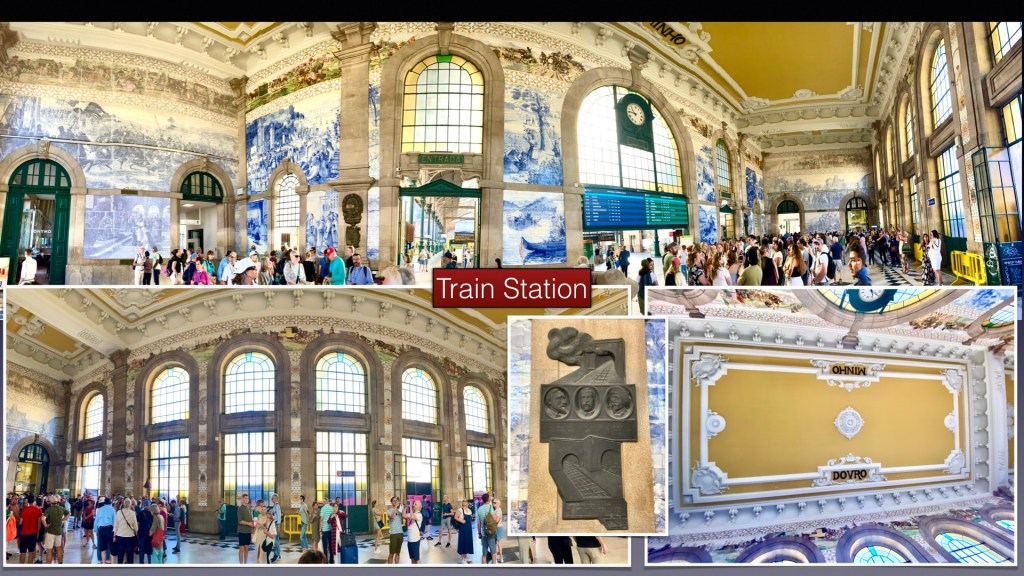
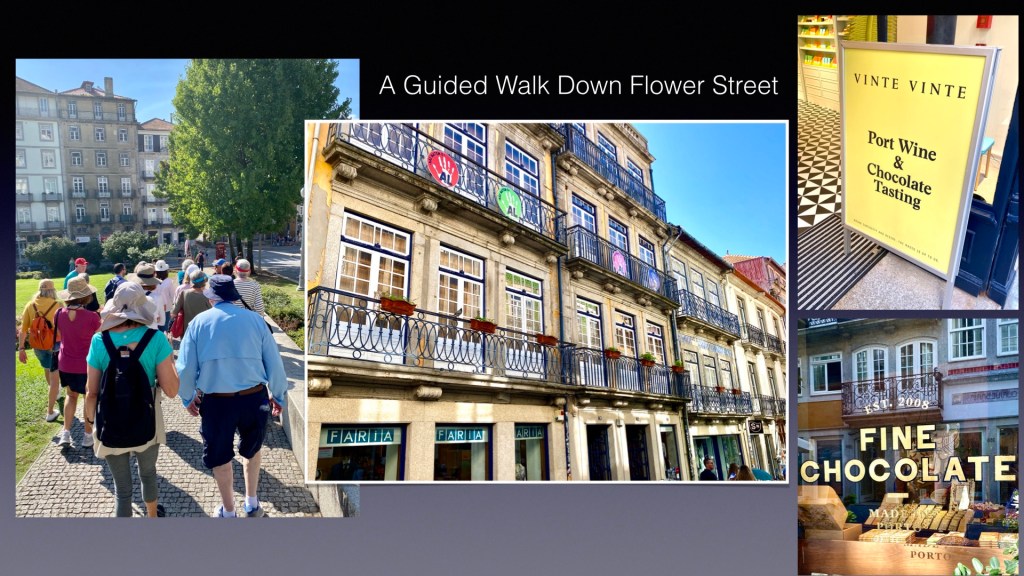
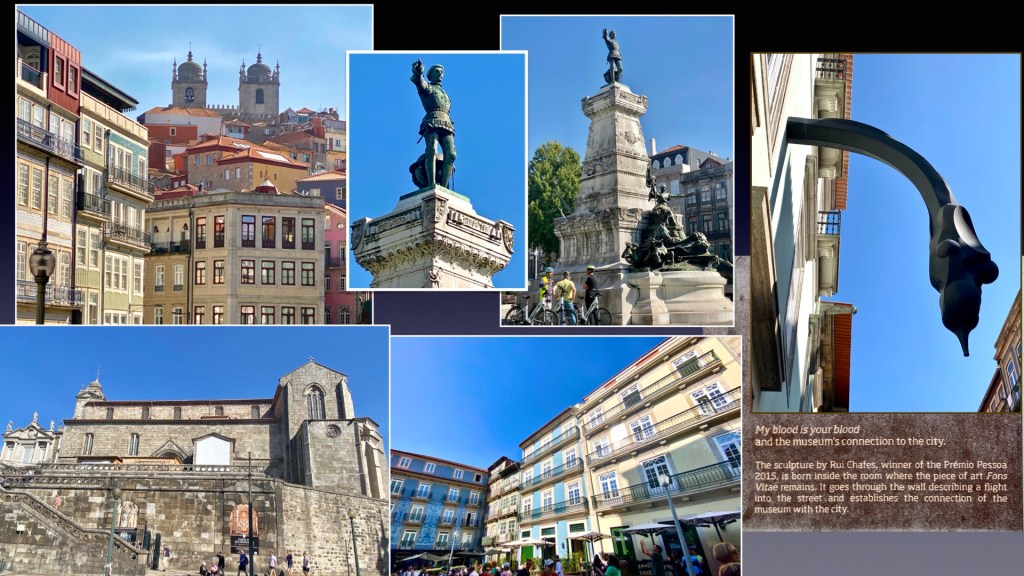
Today we tour this city with a rich history dating back to the Phoenicians who established a settlement here in the 8th century BCE; the Romans later founded the town of Portus (“port”) in the 1st century BCE. The city lent support to the explorations of its native son, Henry the Navigator, in the 15th century, and Portugal owes its constitutional government to the Liberal Revolution of 1820 that began here.
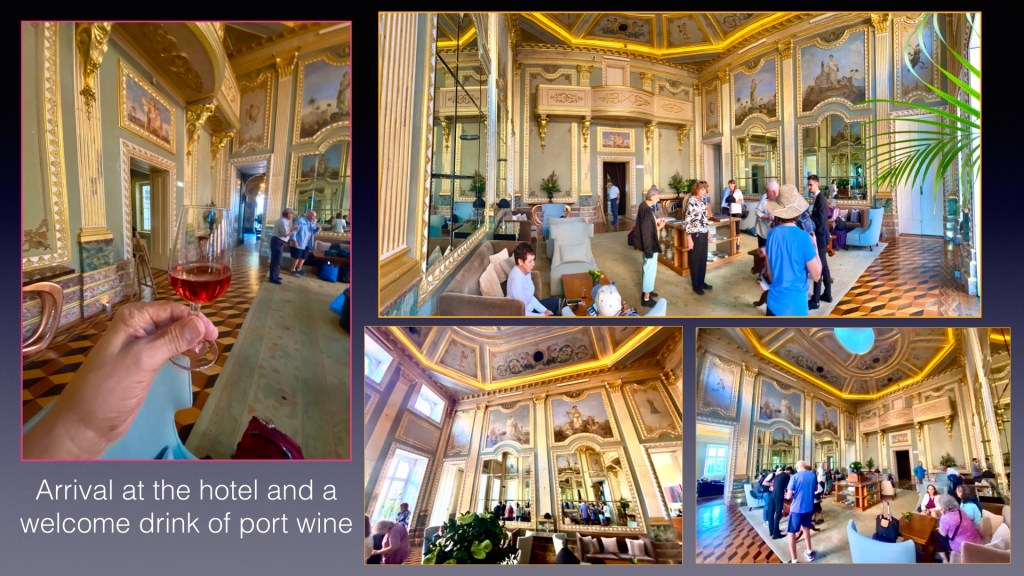
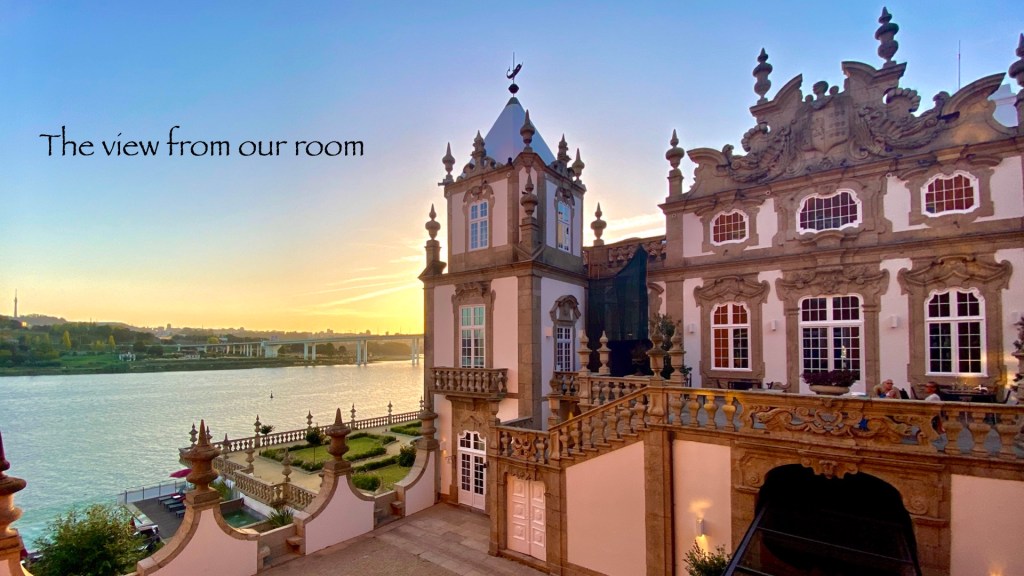
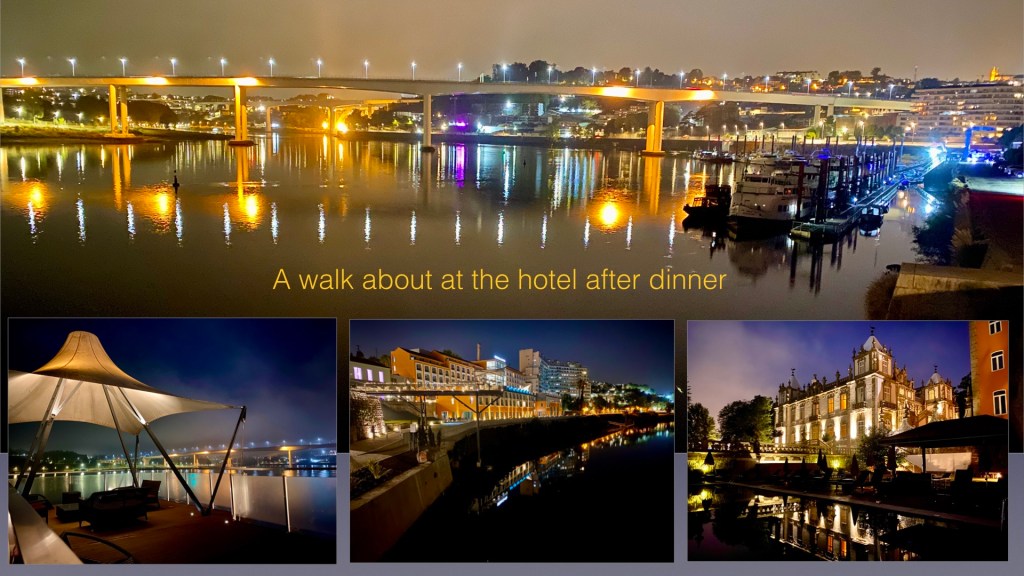
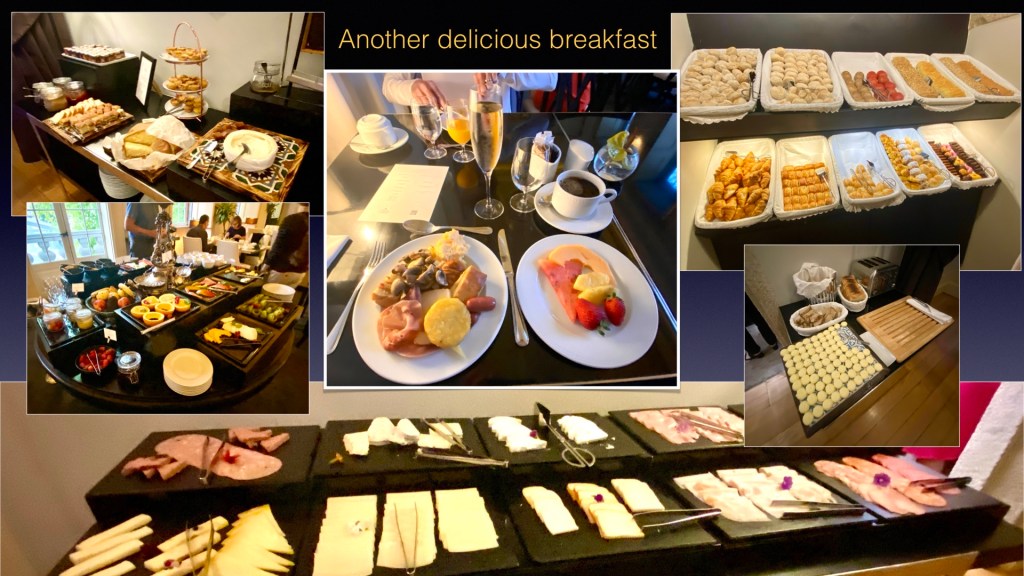
Hotel Environs, Arrival & Dinner And Breakfast

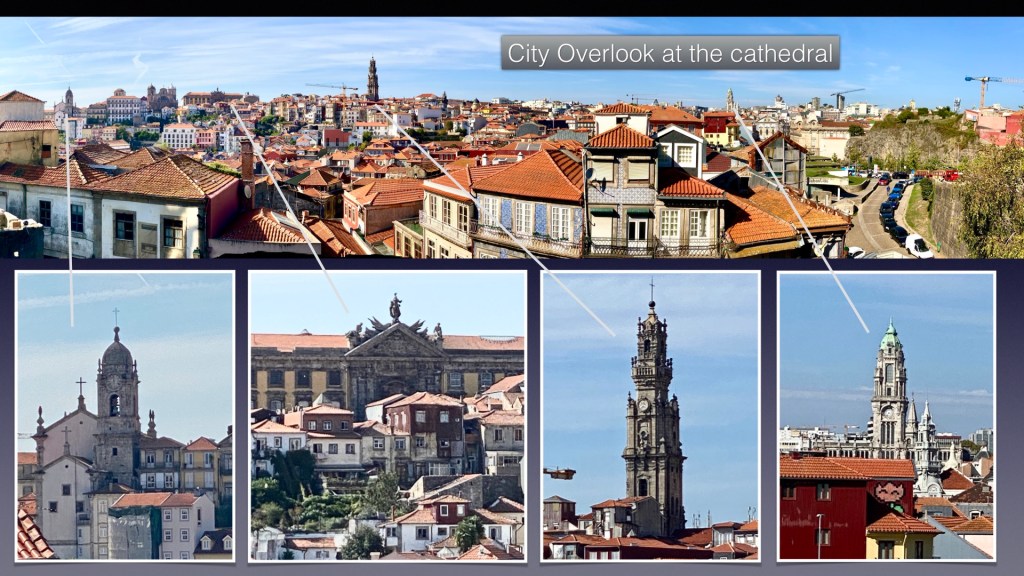
Highlights of our city tour include the historic city center; the Baroque Clerigos Church, with its imposing bell tower; and the sophisticated Foz oceanfront district.
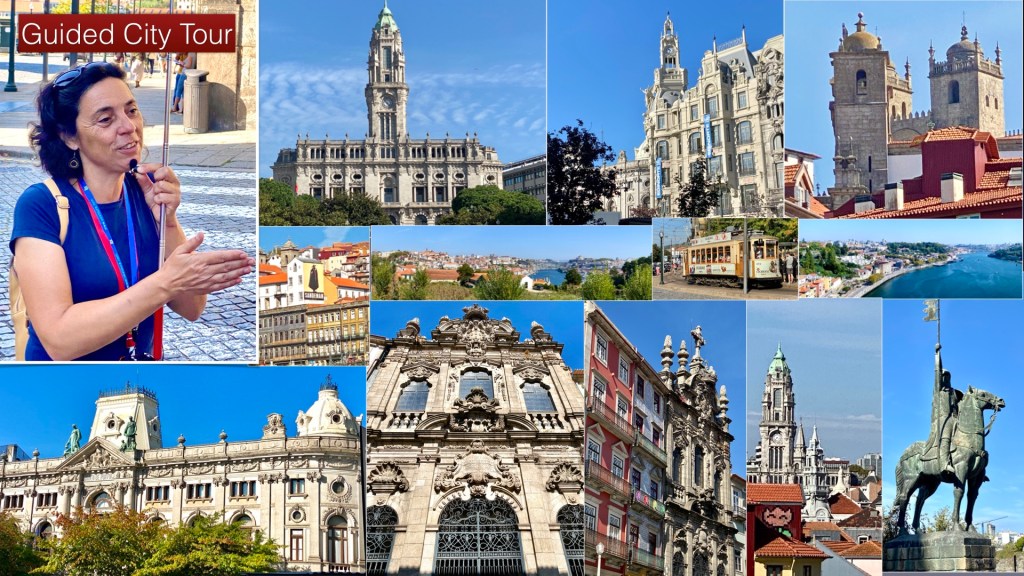
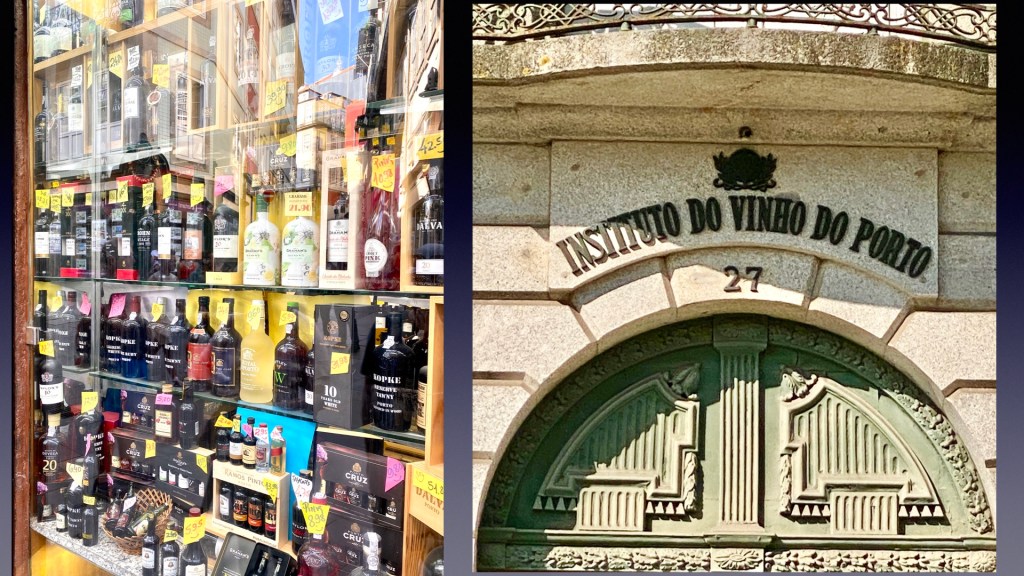
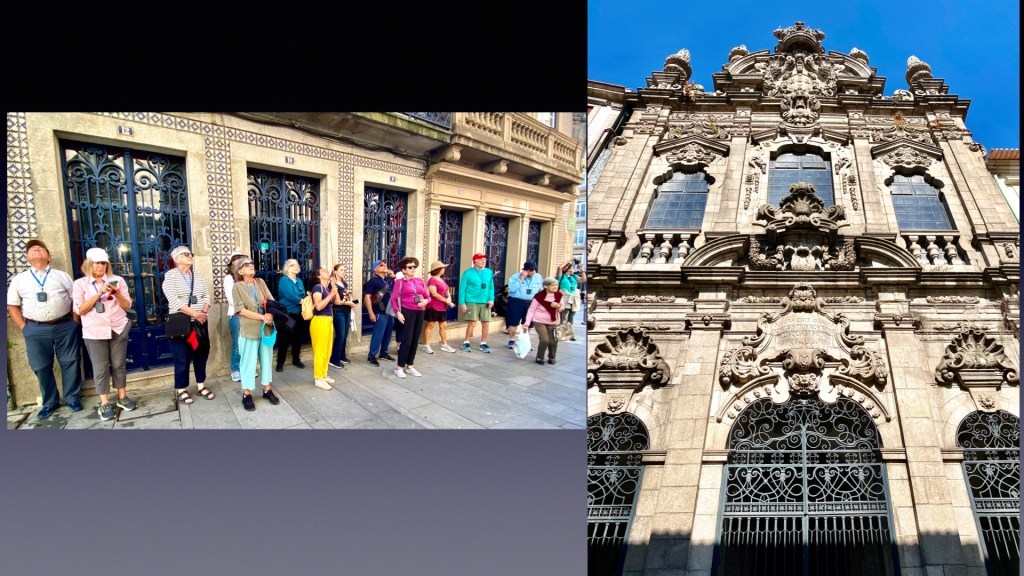
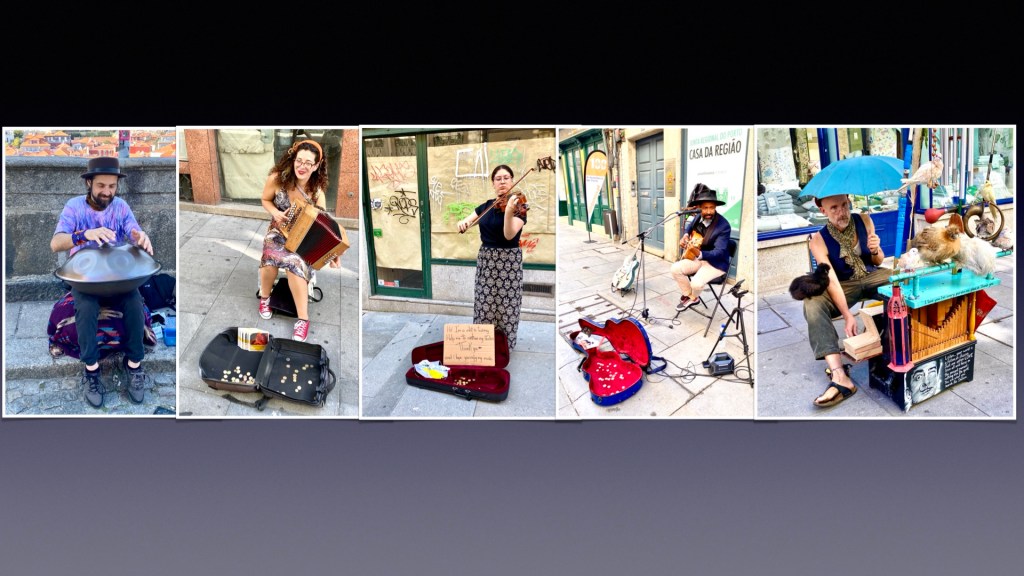
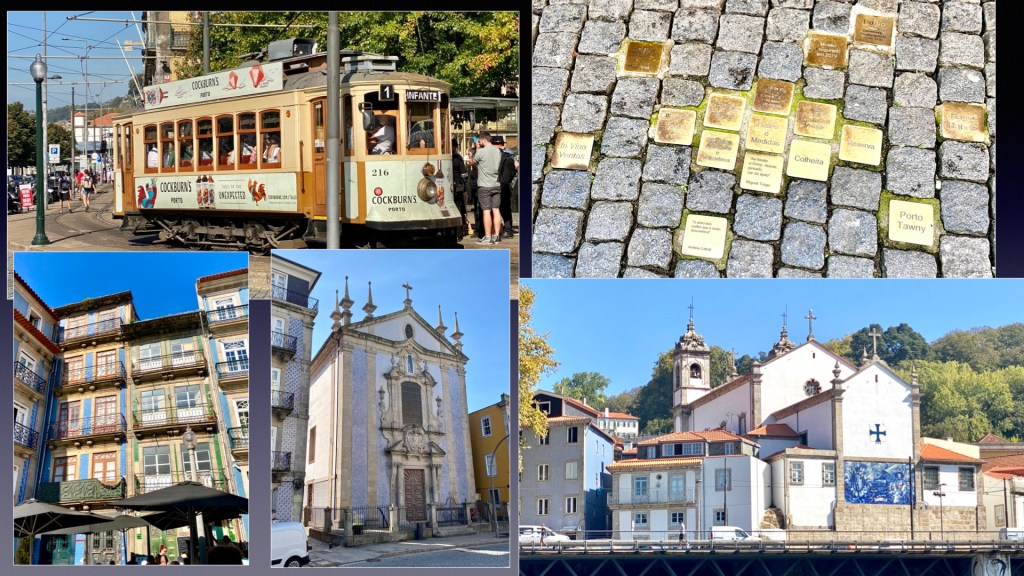
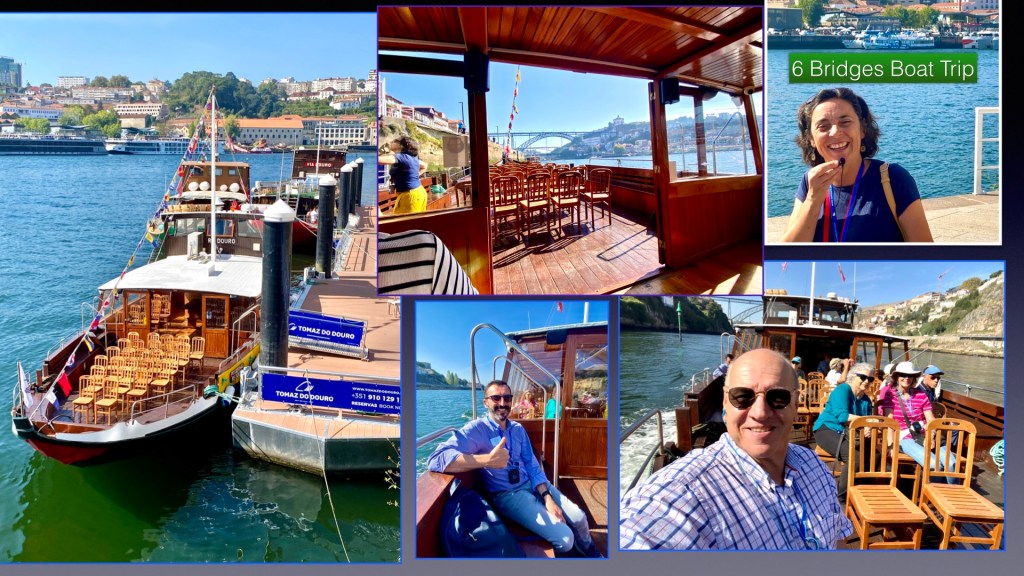
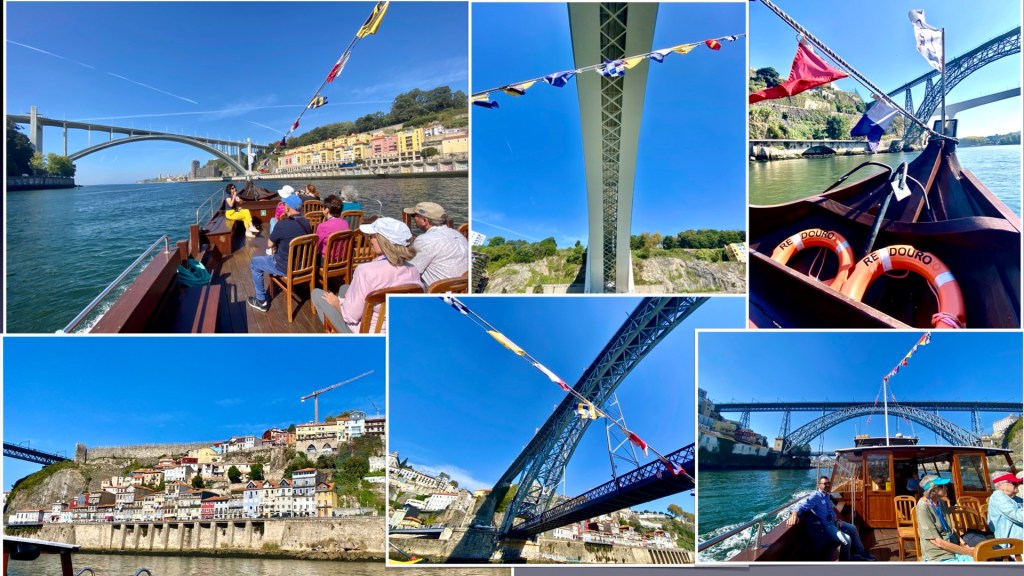
Then we enjoy a “six-bridge” cruise on the Douro River, source of the microclimate responsible for the grapes that make the city’s famous port wine and upon whose banks the Romans planted grapevines centuries ago.

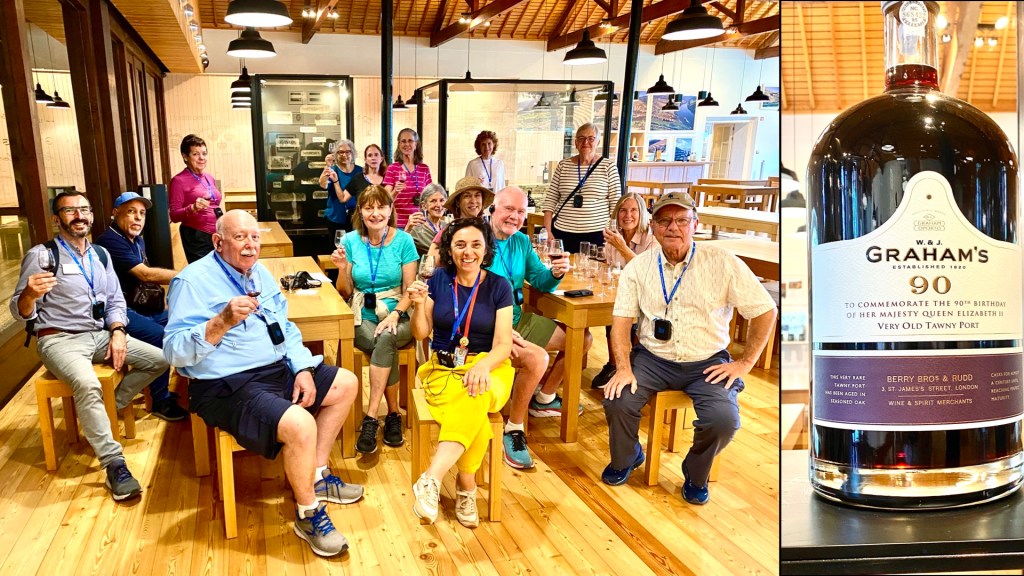
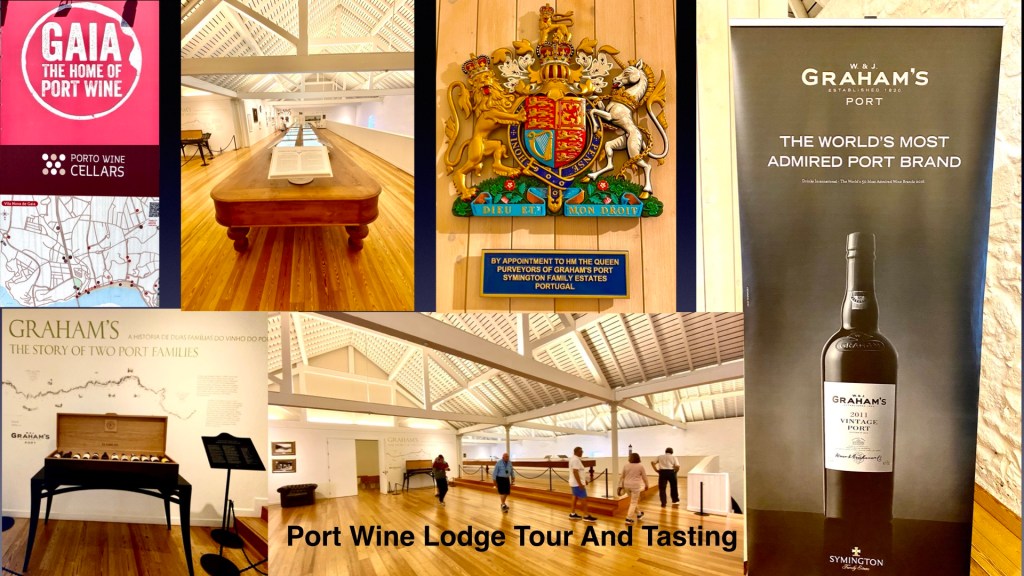
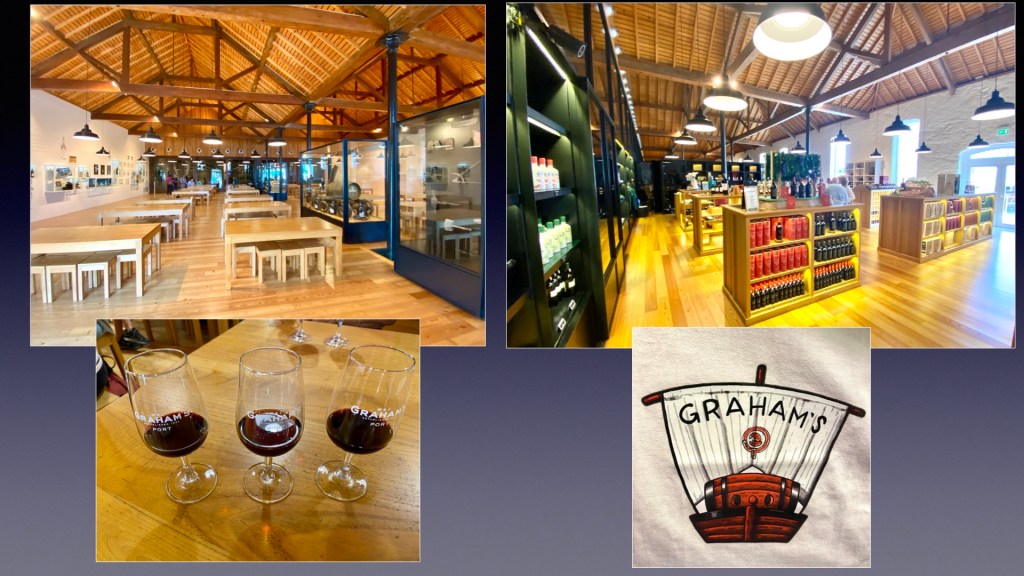
Our tour ends with a visit to a port lodge for a tasting of the fortified wine exclusive to the region. Port’s style can be attributed to British merchants, who began adding brandy to Oporto wine to protect the wine during its shipment to England. By the mid-19th century the practice had evolved to fortifying the wine with brandy before it had fully fermented, as doing so yielded a more desirable vintage better suited to aging.
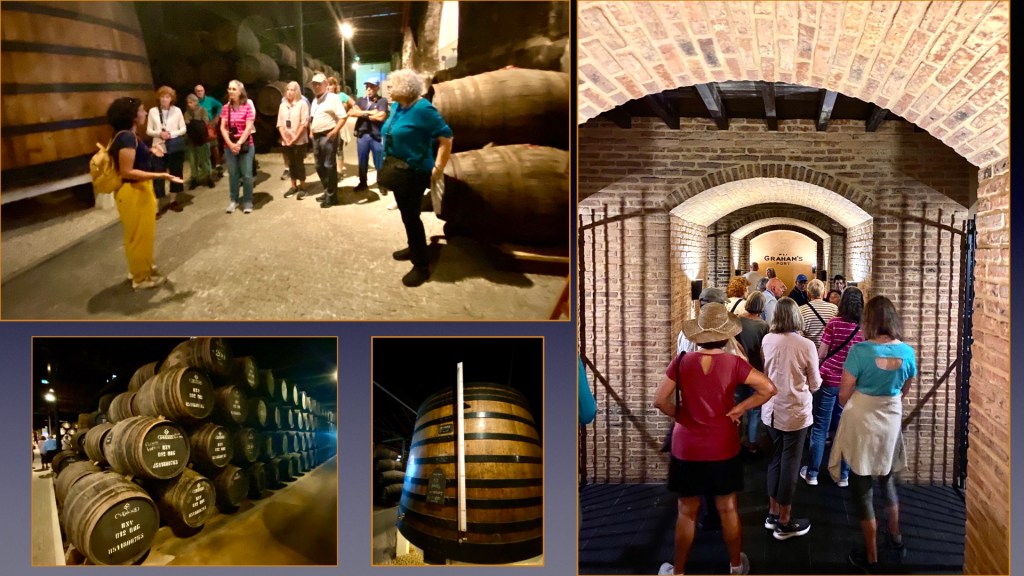
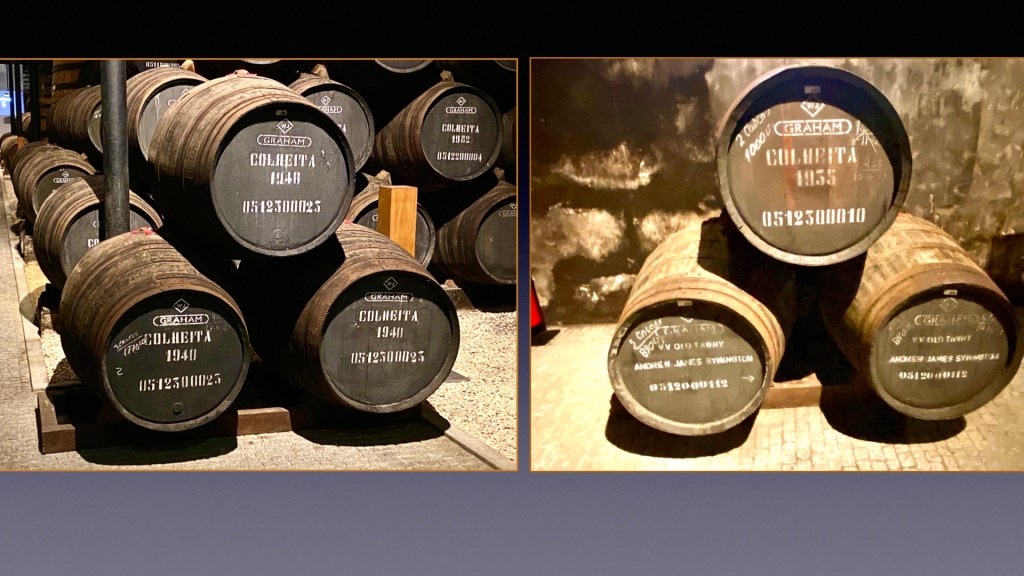
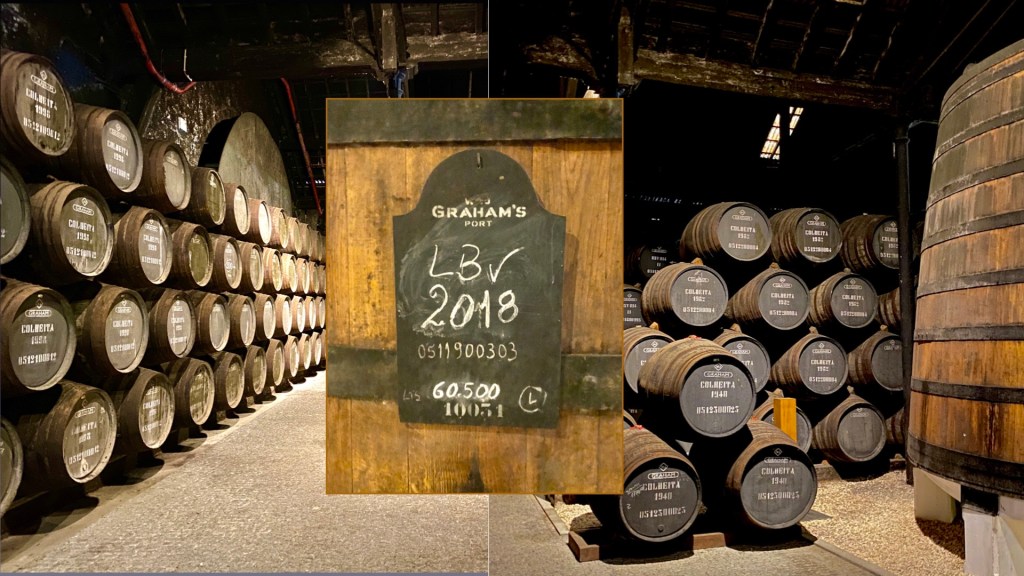
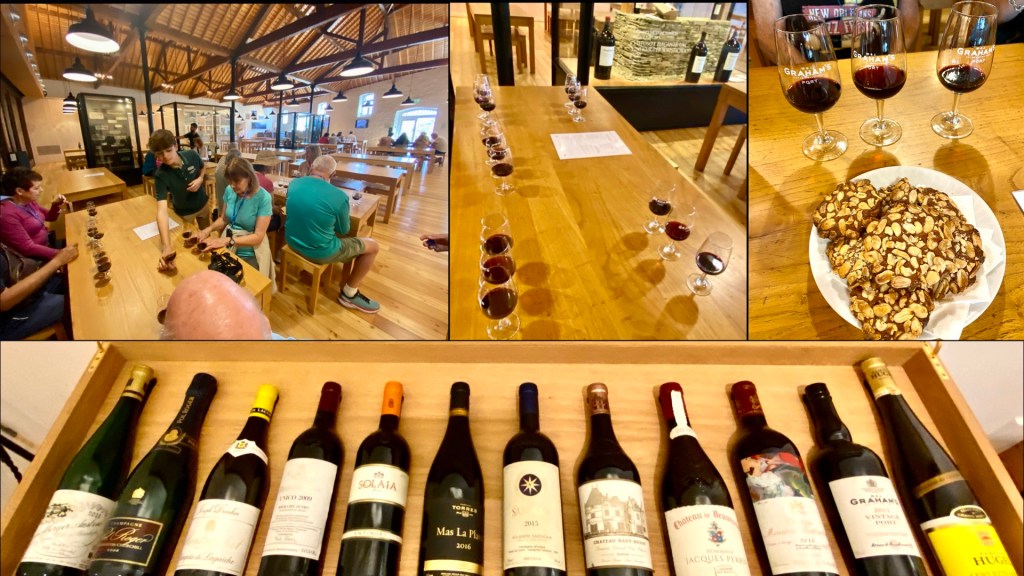
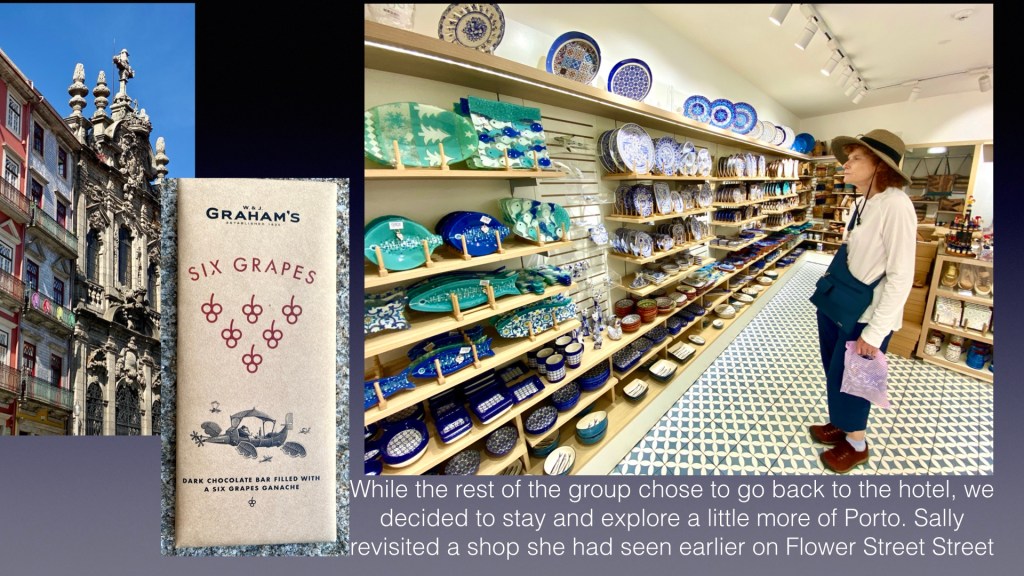
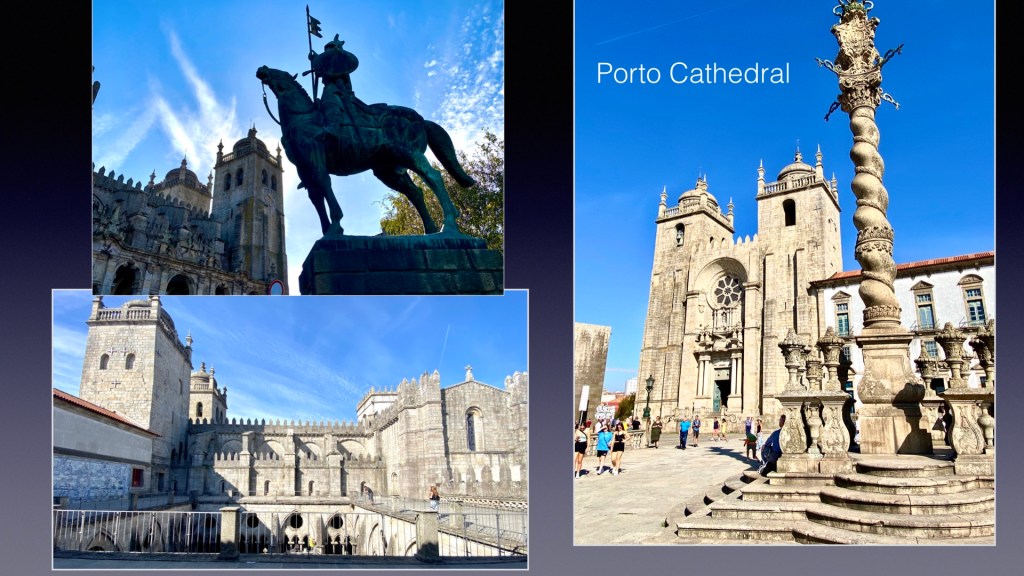
This afternoon we left the group and ventured on our own visiting shops and the Porto Cathedral. Afterwards we took a cab back to the hotel

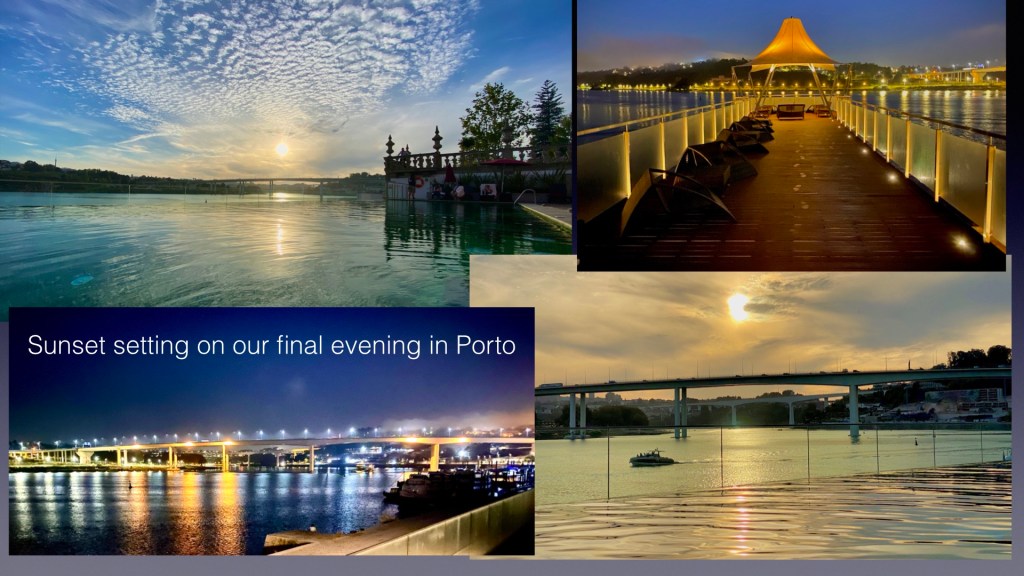
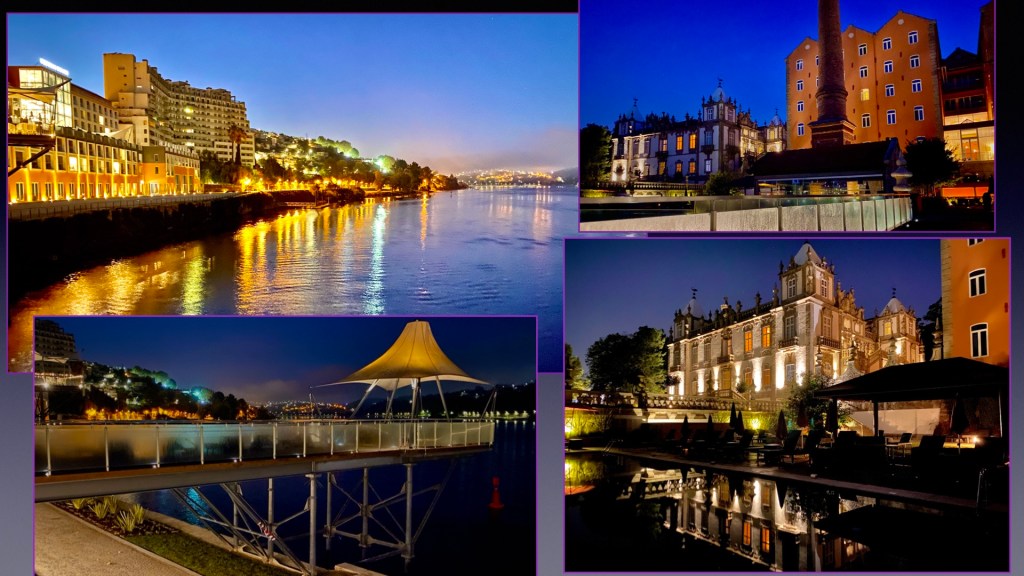
Time At The Hotel Pool To Relax After A Full Day. And Taking In Sunset and Nighttime Lights
Day 6 Wednesday 4 Oct
Ponteverda and Santiago
Today we journey to Santiago de Compostela, last stop of the celebrated pilgrimage route of the Way of St. James (Camino de Santiago) traveled by thousands of peregrinos (pilgrims) for 1,200 years and now a UNESCO World Heritage site.
According to tradition, the apostle St. James came to the Spanish region of Galicia as a missionary, and after Herod had him beheaded, his followers bore his body back for burial. Upon discovery of his remains in the early 9th century, Galicians constructed a shrine and people began making the pilgrimage to it, taking various routes throughout Europe. The “Codex Calixtinus,” written the 12th century and known as the first European guidebook, provided guidance to pilgrims undertaking this journey; Francis of Assisi, Dante Alighieri, Charlemagne, and El Cid number among the many who have walked this path. Those who can demonstrate they have walked at least 100 kilometers – today determined by stamps in a “pilgrim passport” from wayside stops – earn a compostela or certificate of completion upon arrival in Santiago. The Pilgrims’ Office awards well over 100,000 compostelas to pilgrims from over 100 countries each year.
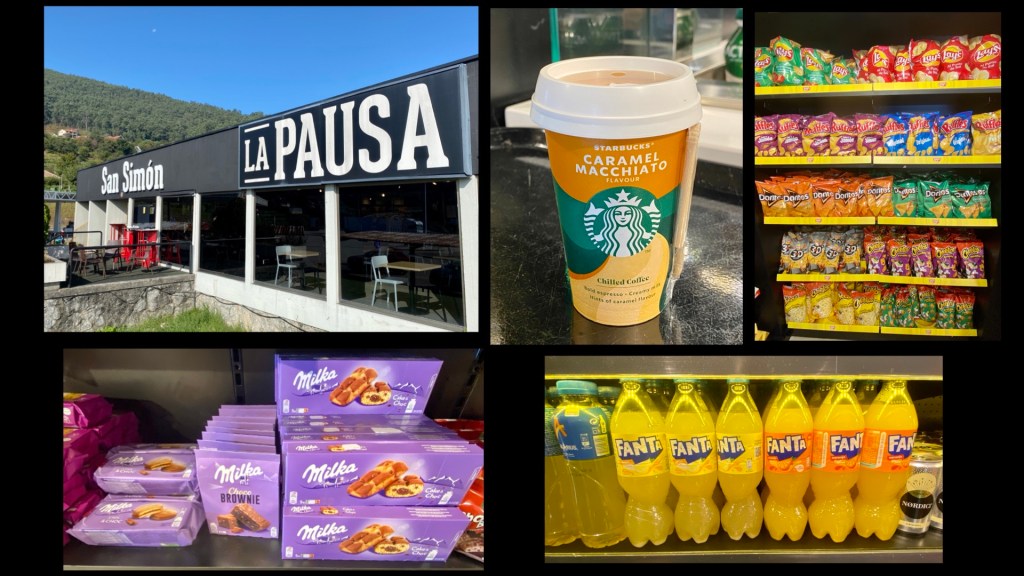
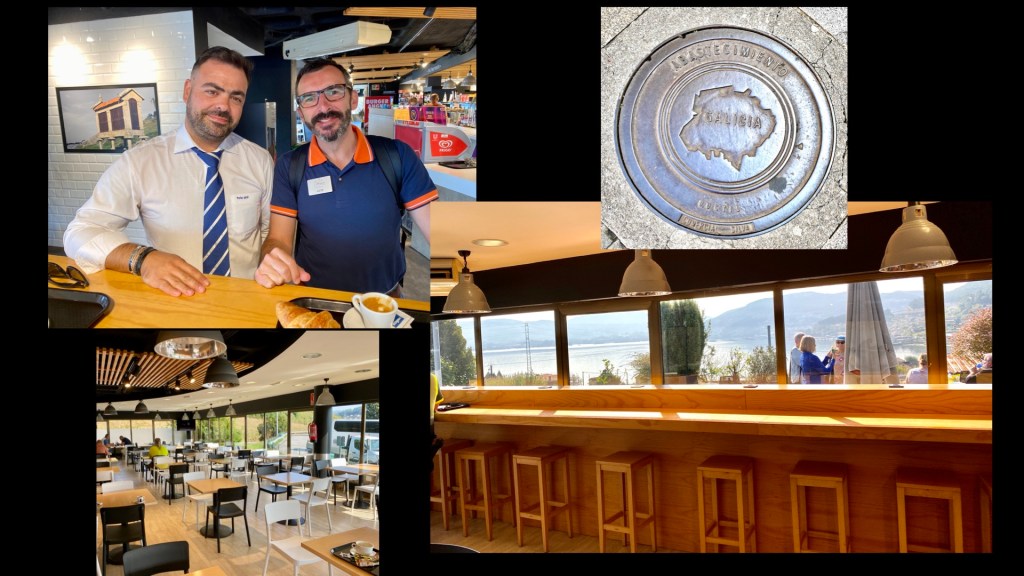
Rest Stop Break (After 1 1/2 hours of the drive)
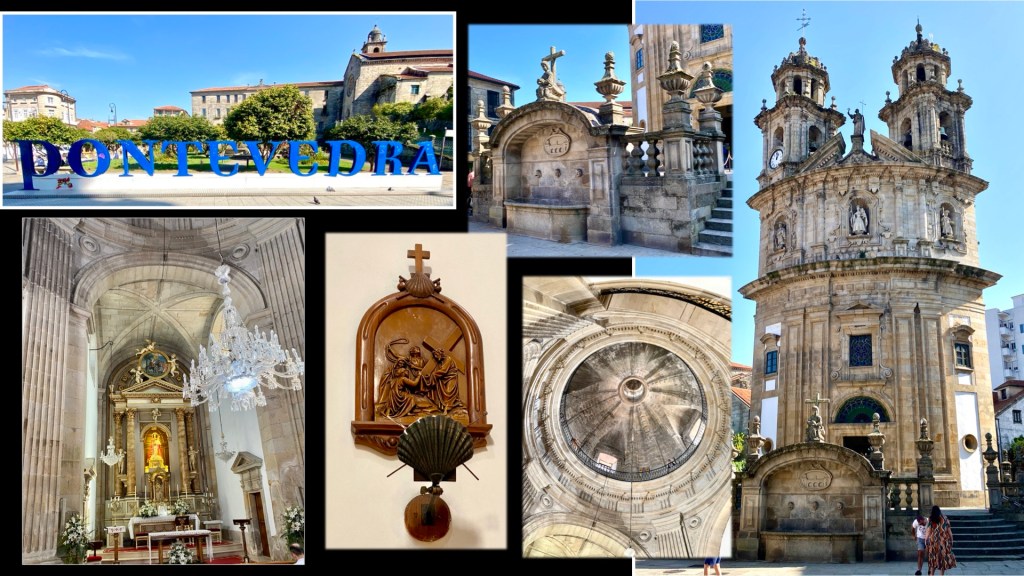
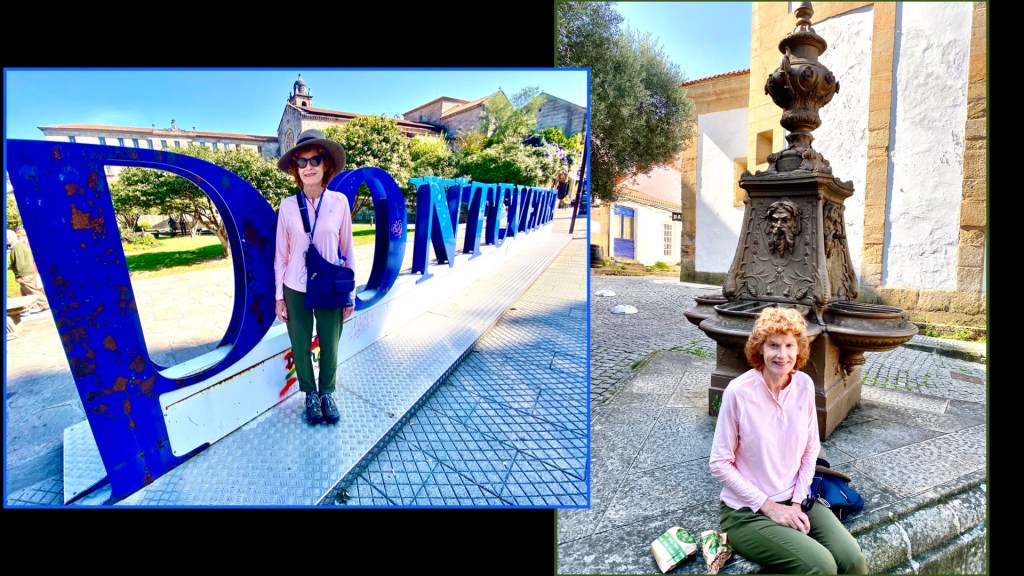
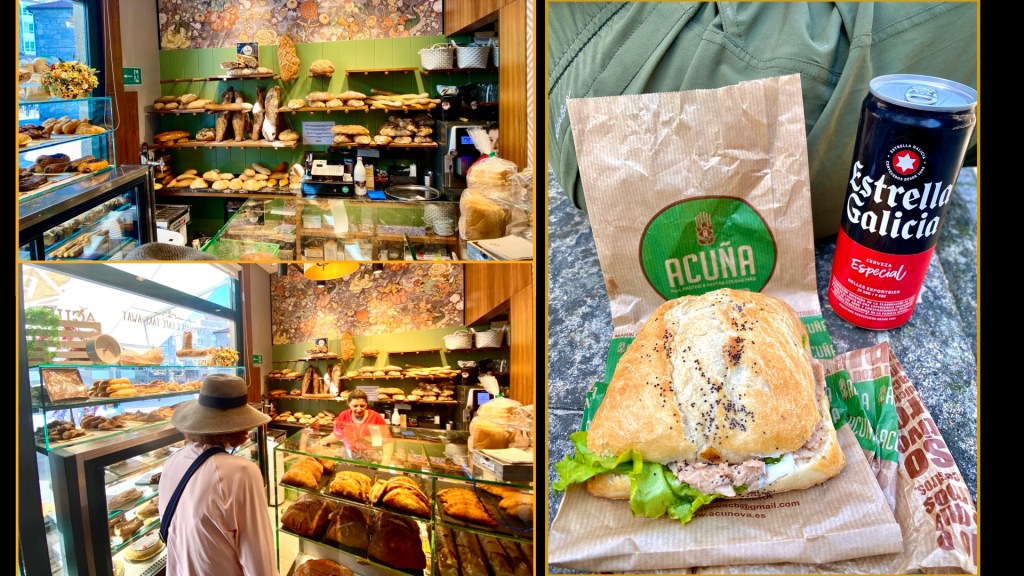
Our Current adventure continued with a drive to the ancient city of Santiago de Compostela, with a stop for lunch along the way in Ponteverde. Halfway to Ponteverde we stopped at a small rest area with a view to the estuary and it’s aquaculture beds of seafood
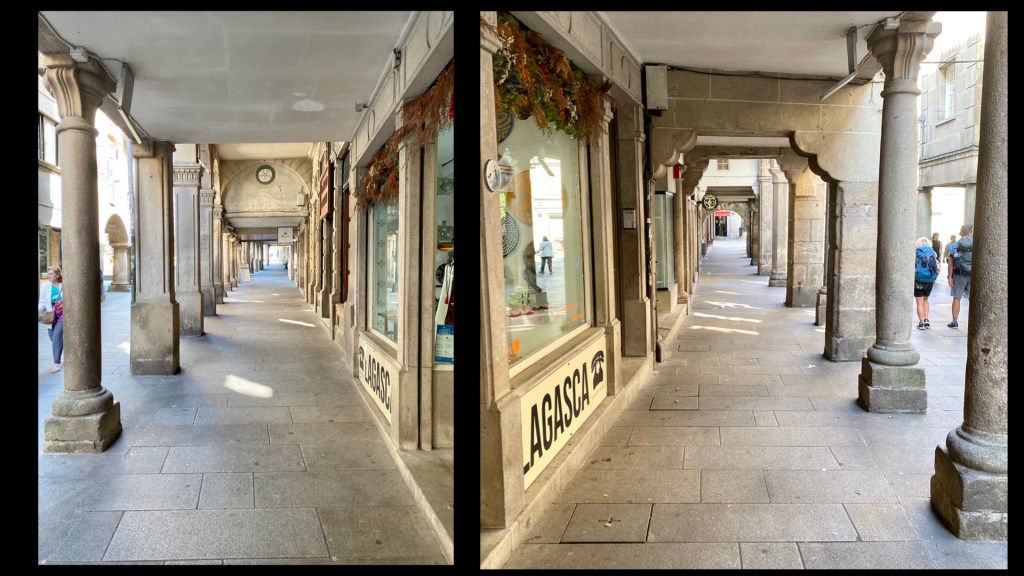
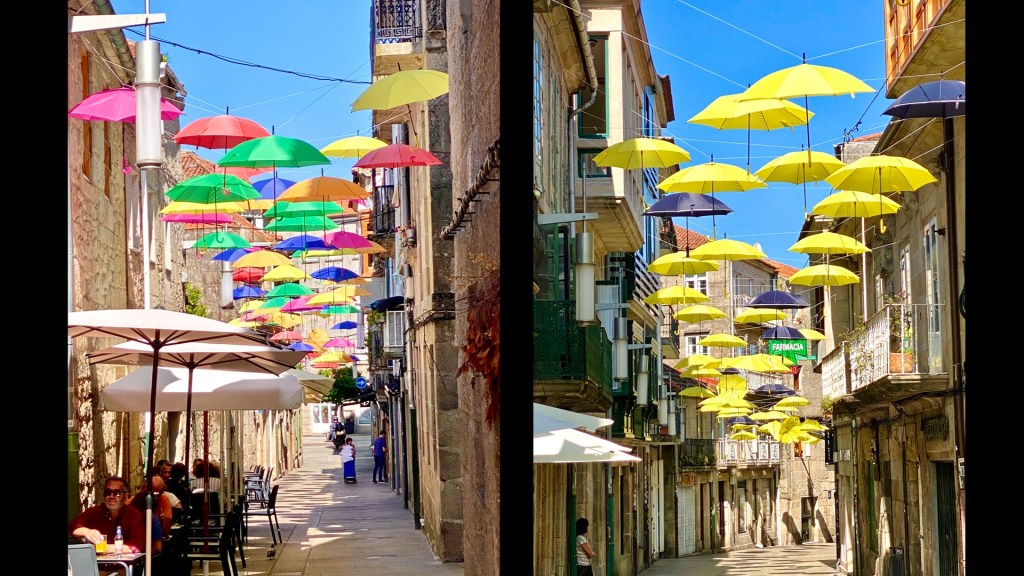
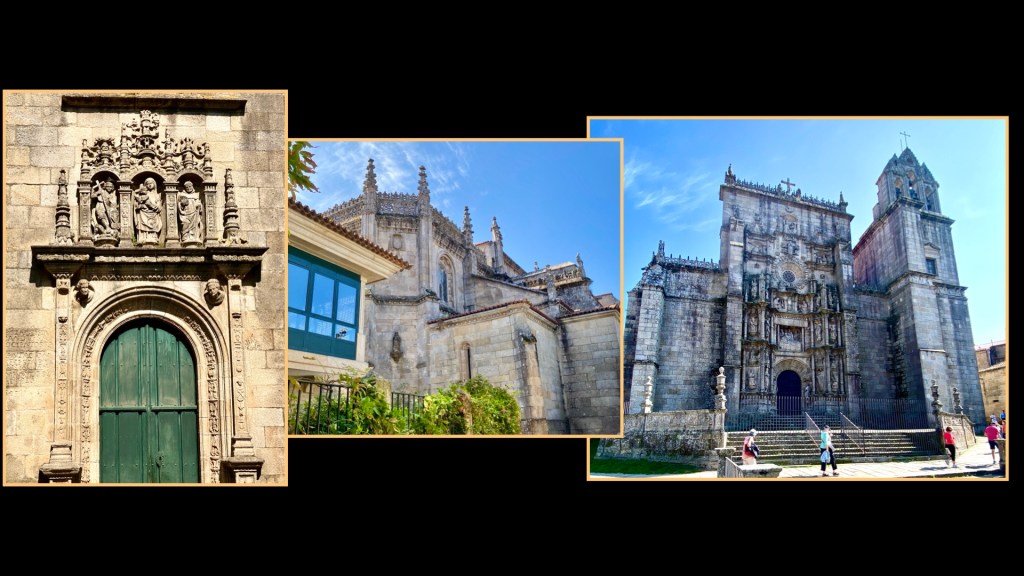
Lunch
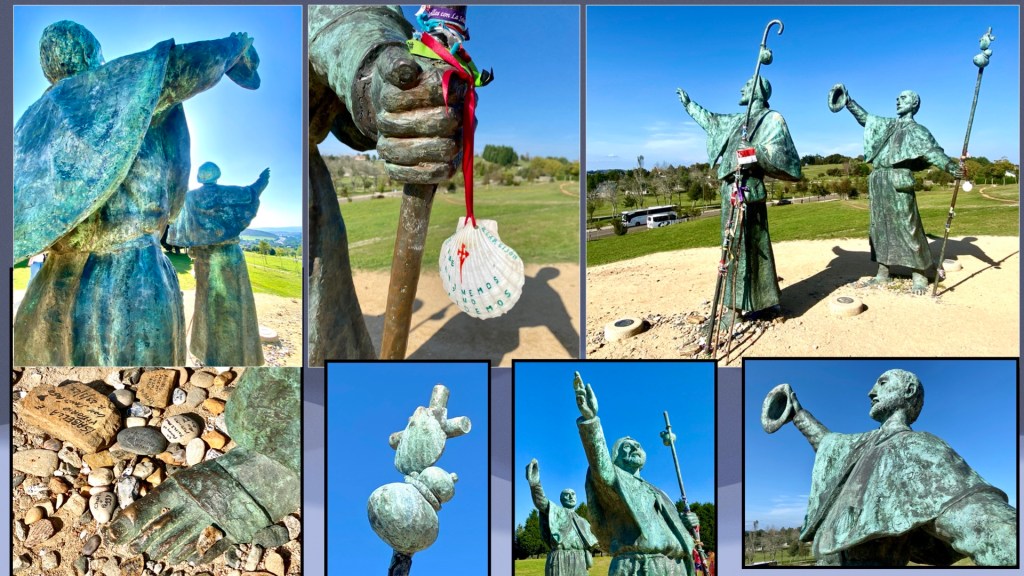
We then proceeded to our destination, stopping at an overlook, with statues on a hillside depicting the pilgrims first view of the cathedral.
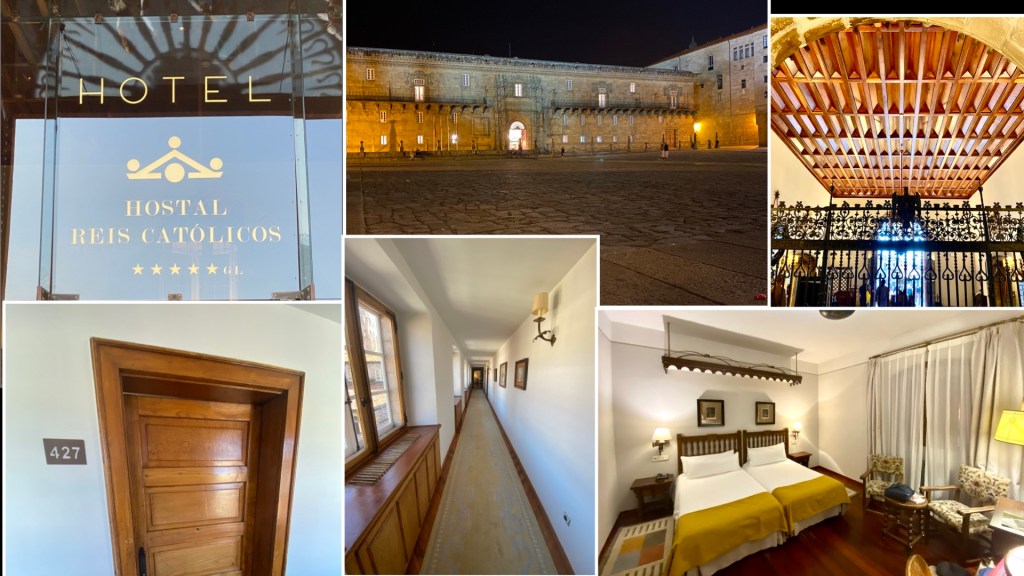
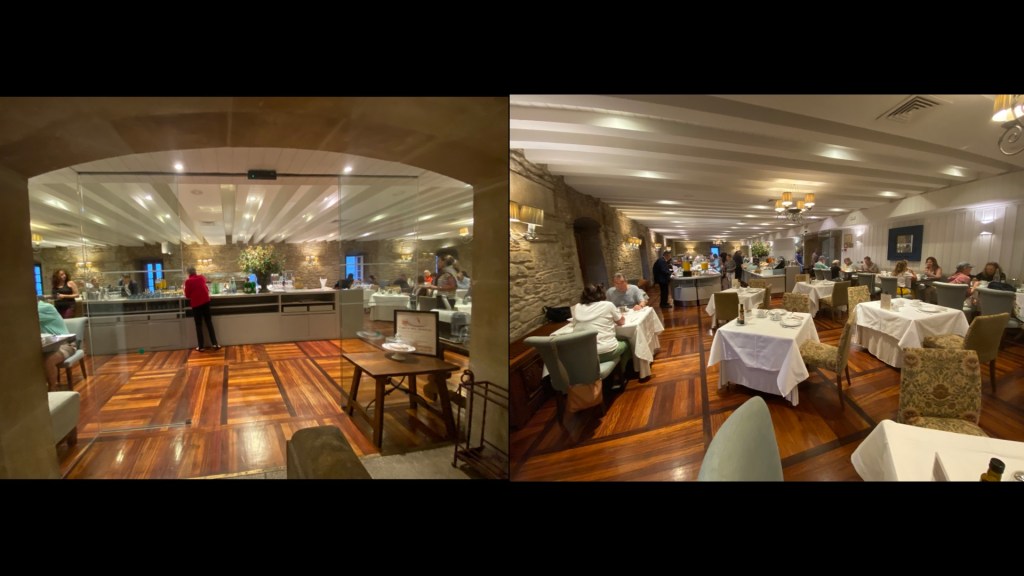
Upon arrival we checked into our hotel (parador), a former monestary, and the oldest hotel in the world (reportedly).
Hotel
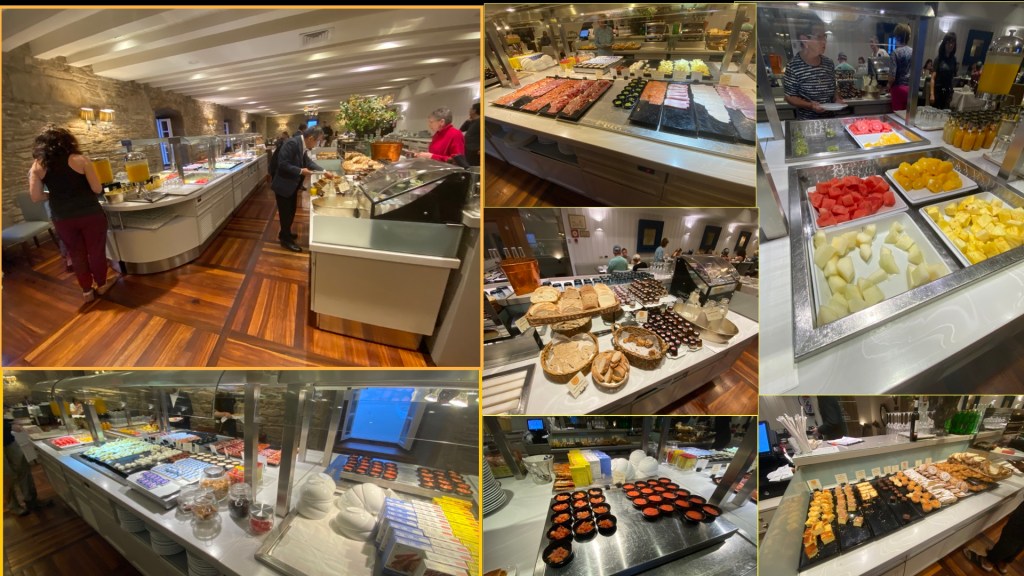
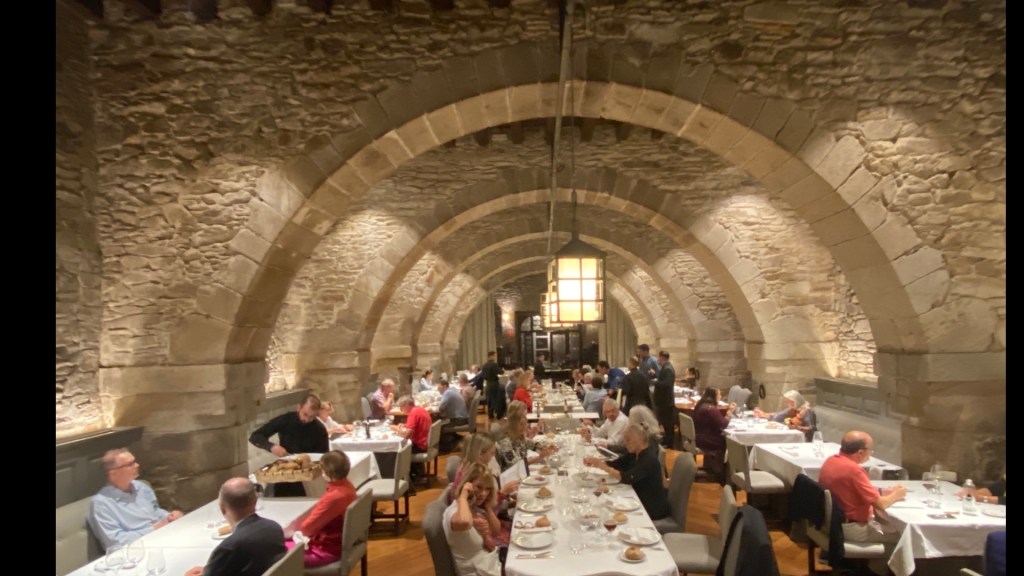
Parador de Santiago de Compostela
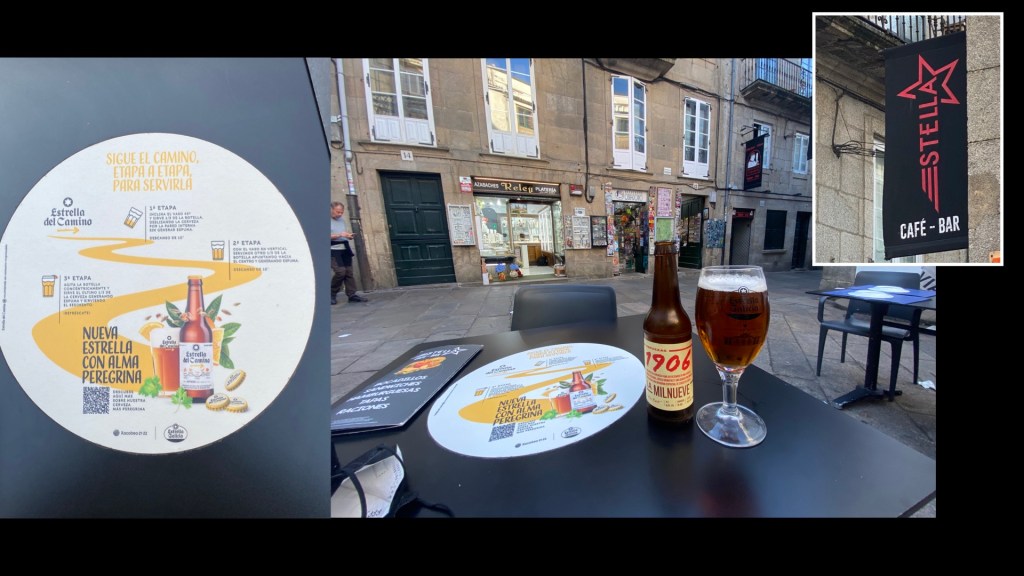
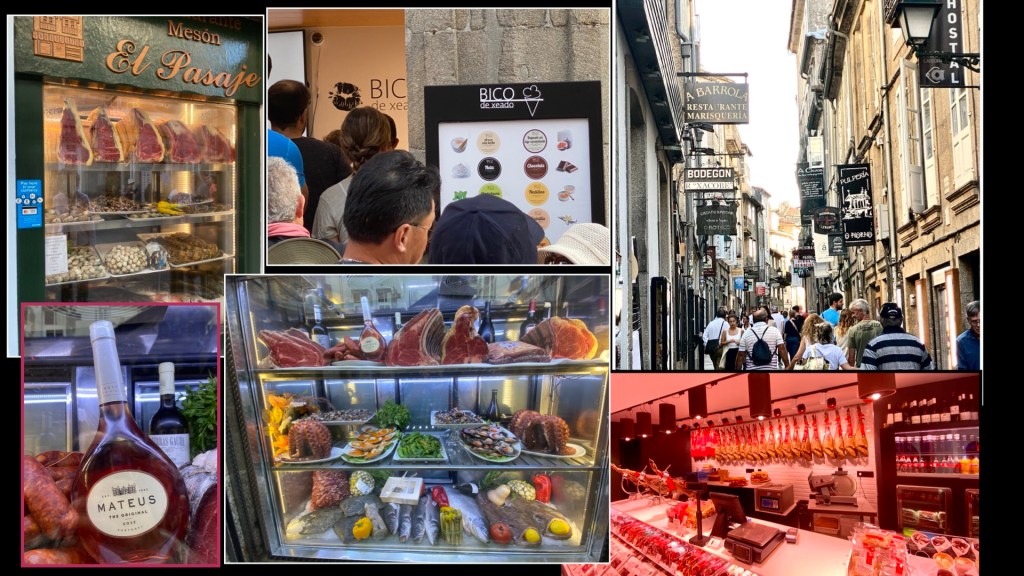
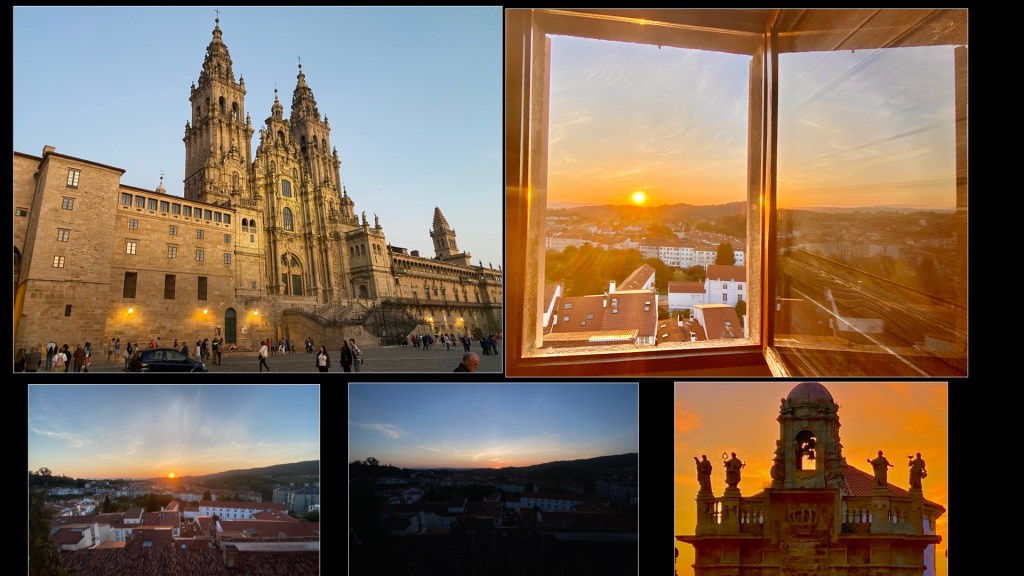
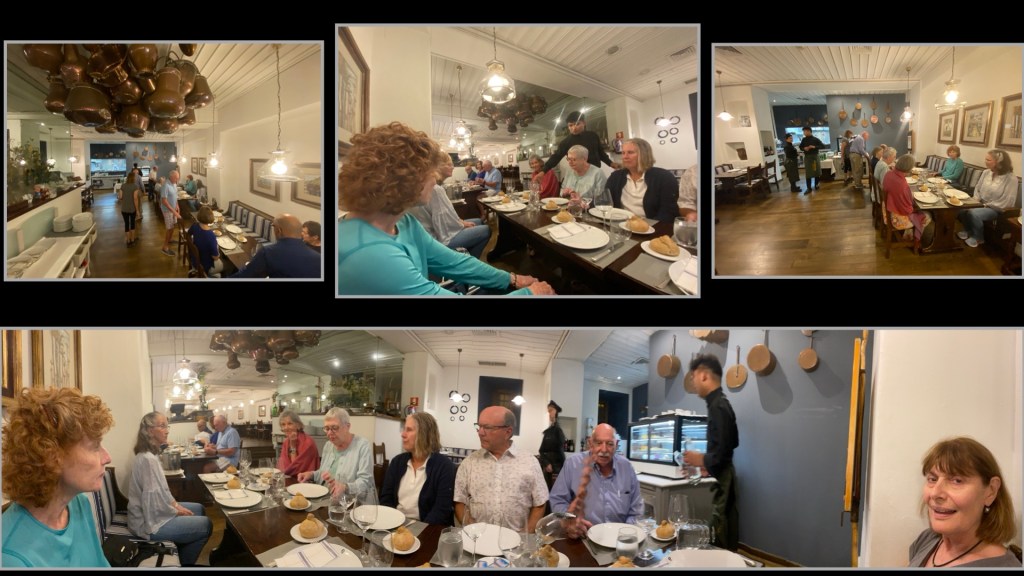
After unpacking in our room, we wandered the streets, window shopped, had a beer in an outdoor cafe, and made our way back to the hotel at sunset for dinner, and some rest before another big day starting the next morning.
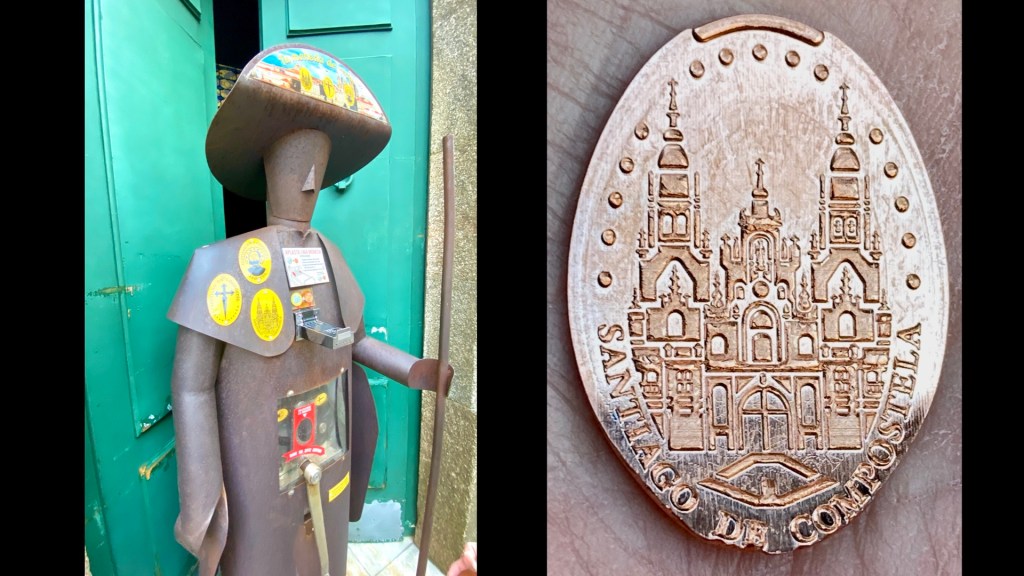
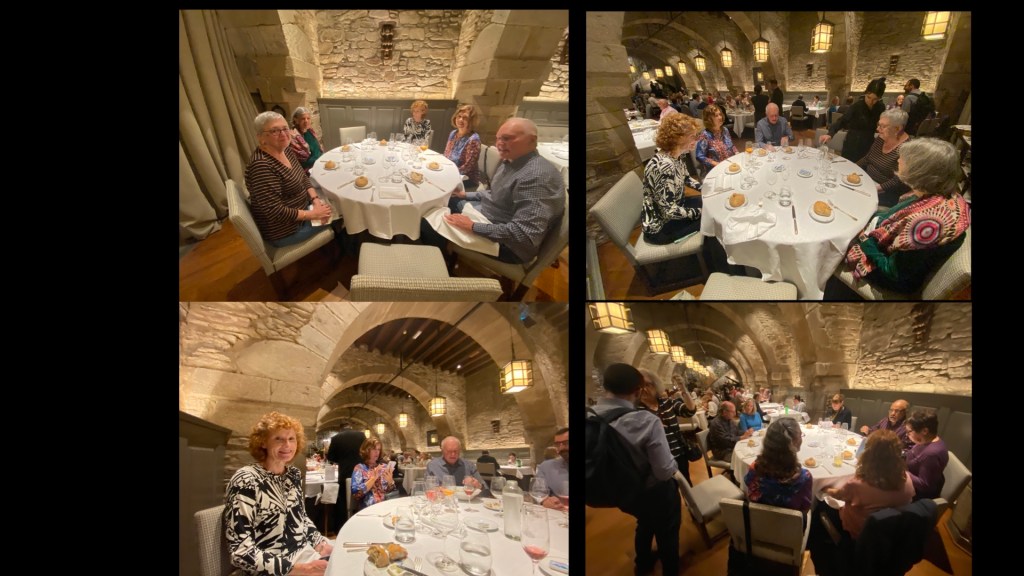
Dinner
Day 7 – Thursday, 5 October
Santiago de Compostela

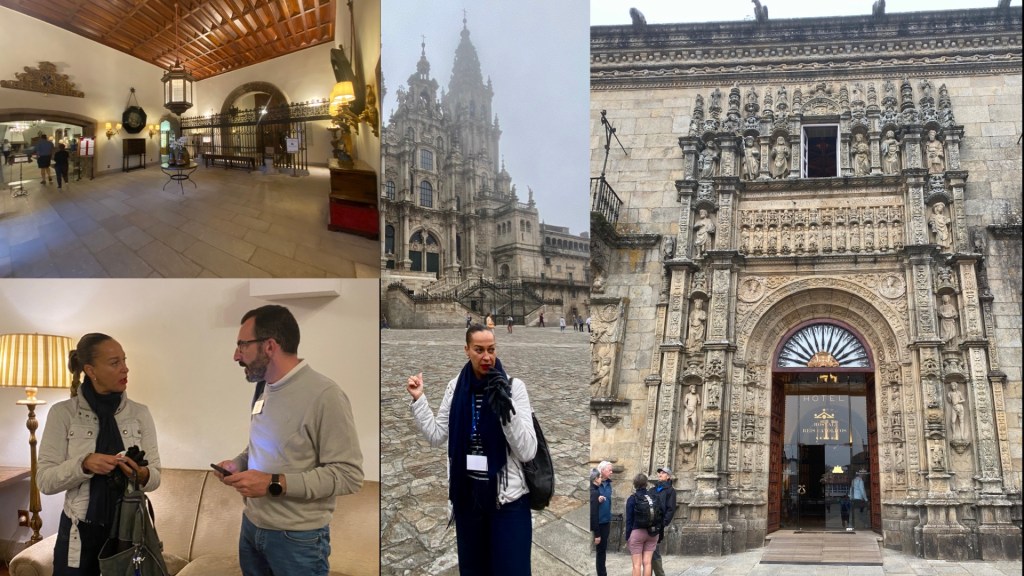
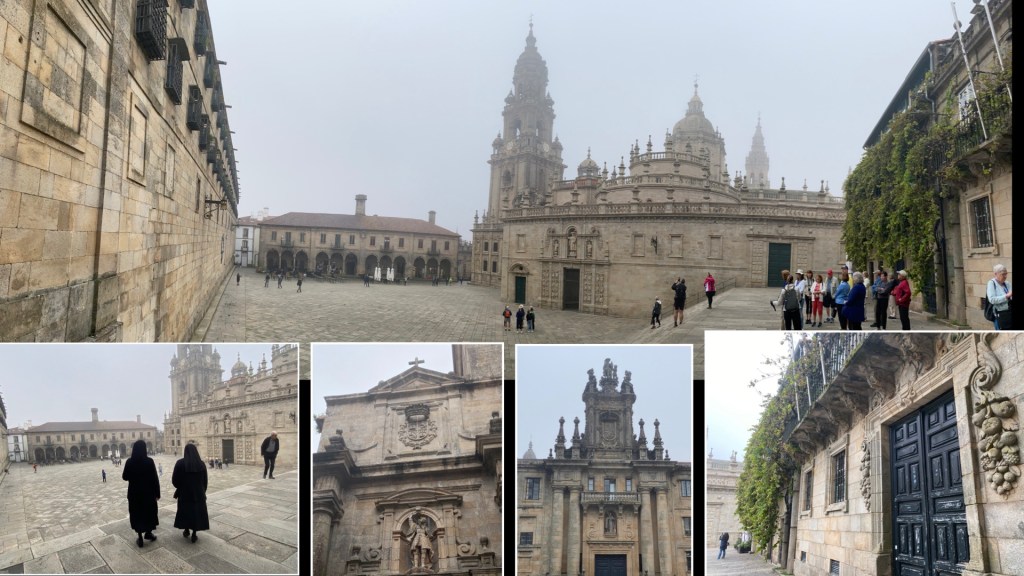
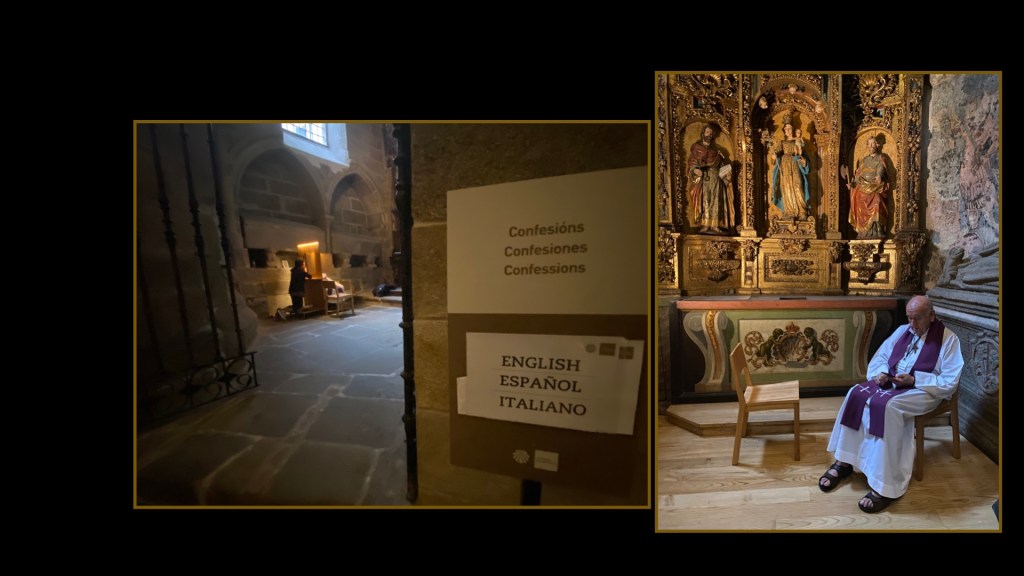
Presumed repository of the remains of St. James the Apostle, Santiago de Compostela also ranks among Spain’s most beautiful and visited cities.
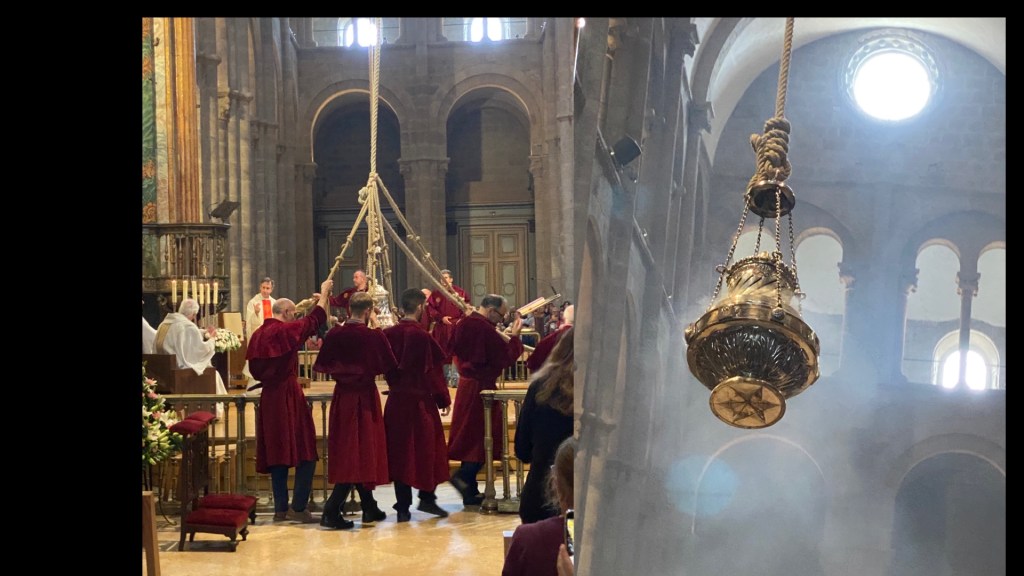
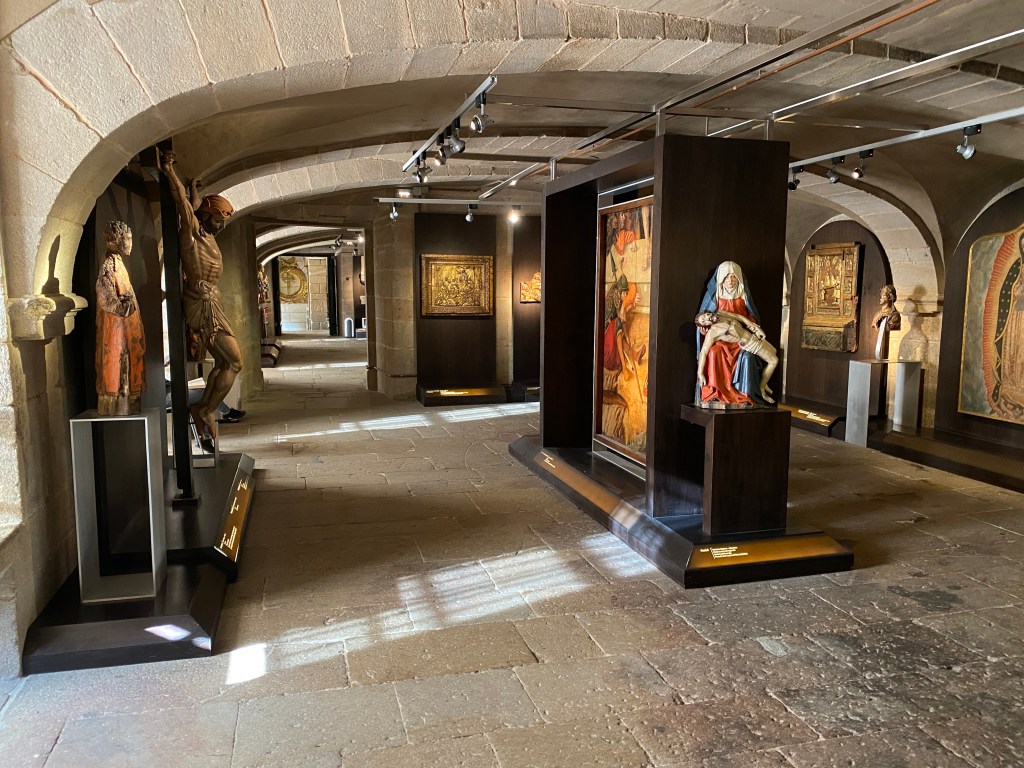
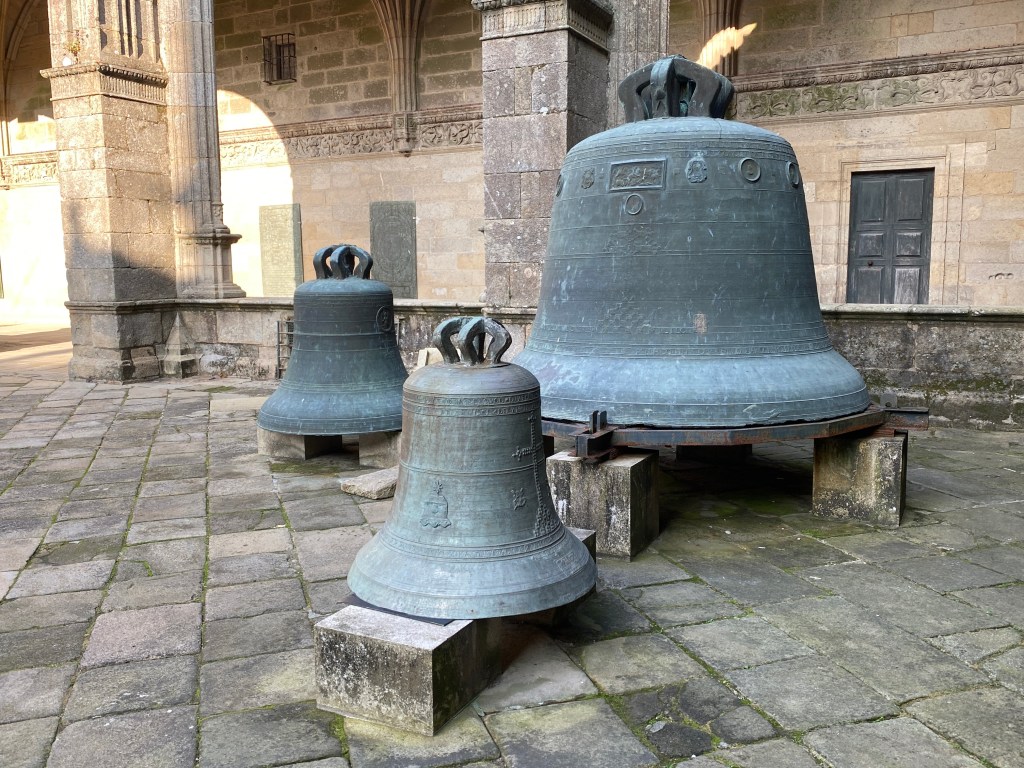
We discover this important cultural and re educational capital on today’s city tour, featuring the Cathedral housing the silver crypt believed to hold the remains of St. James, and the statue in his honor. The Spanish king commissioned the rebuilding of the Cathedral after the original church’s destruction in 997 CE; construction lasted from 1060 to 1211 and stonemasons added the elaborate Baroque façade between the 16th and 18th centuries. After designated masses, eight men known as tiraboleiros swing the renowned Botafumeiro, a massive censer suspended by a pulley from the ceiling. Reputedly implemented to mitigate the odor of the many pilgrims who slept in the Cathedral in centuries past, the Botafumeiro stands over five feet high, weighs over 175 pounds, and swings in a 213-foot arc.
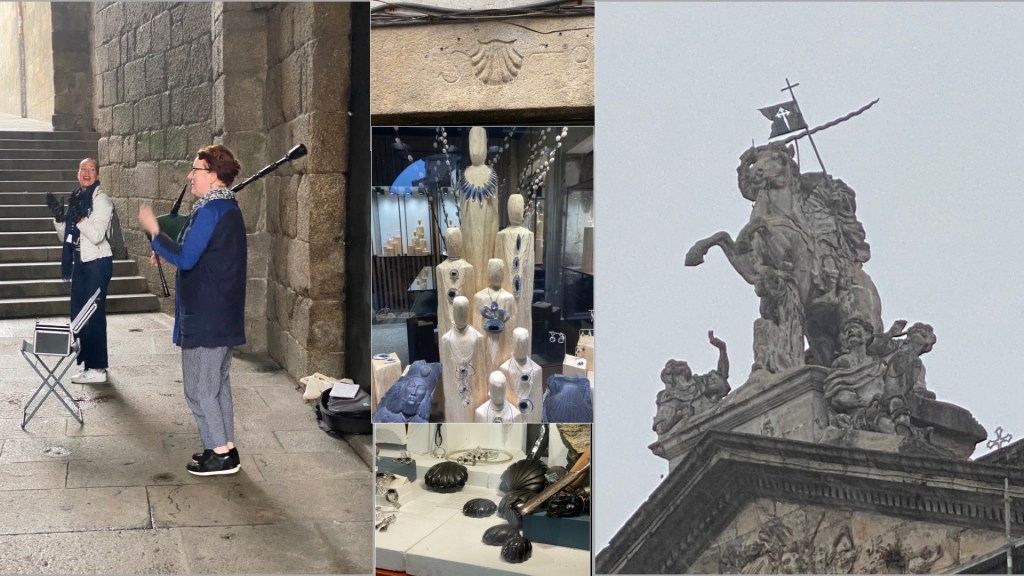
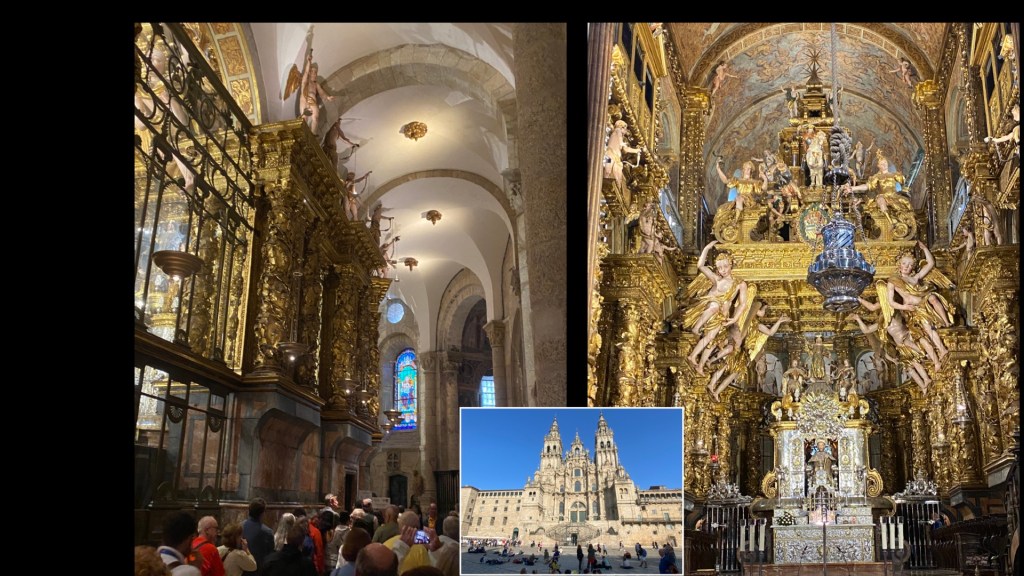
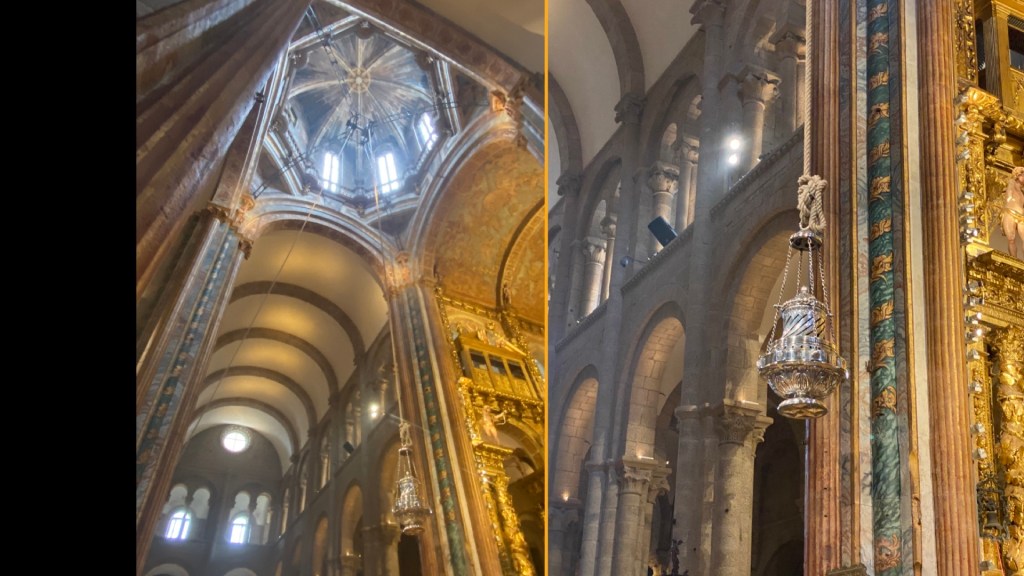
After designated masses, eight men known as tiraboleiros swing the renowned Botafumeiro, a massive censer suspended by a pulley from the ceiling. Reputedly implemented to mitigate the odor of the many pilgrims who slept in the Cathedral in centuries past, the Botafumeiro stands over five feet high, weighs over 175 pounds, and swings in a 213-foot arc.
Botafumeiro

This afternoon is free for lunch on our own and independent exploration in this eminently walkable World Heritage city. Churches, Alameda Park, the marketplace – possibilities abound and our tour directo
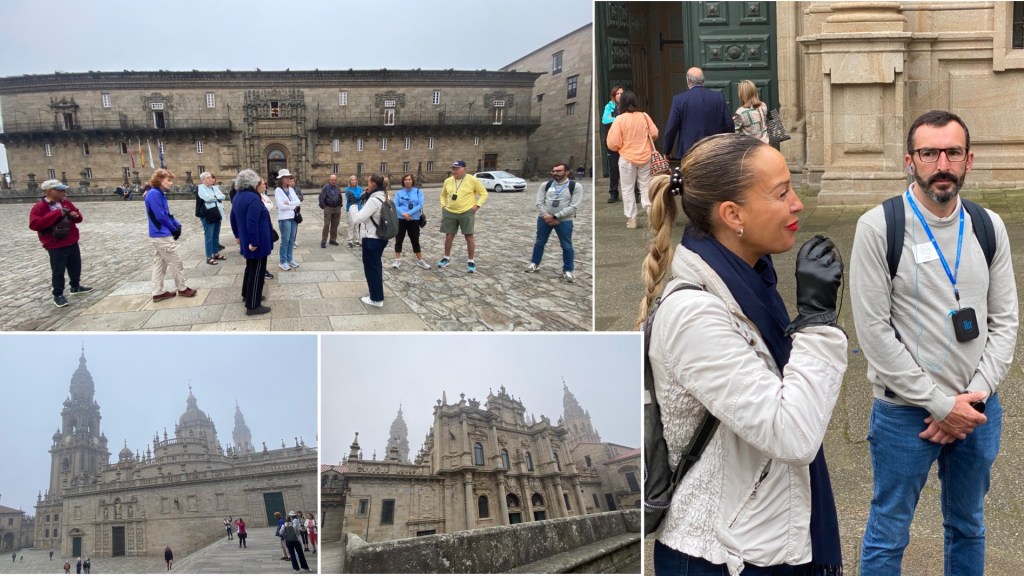
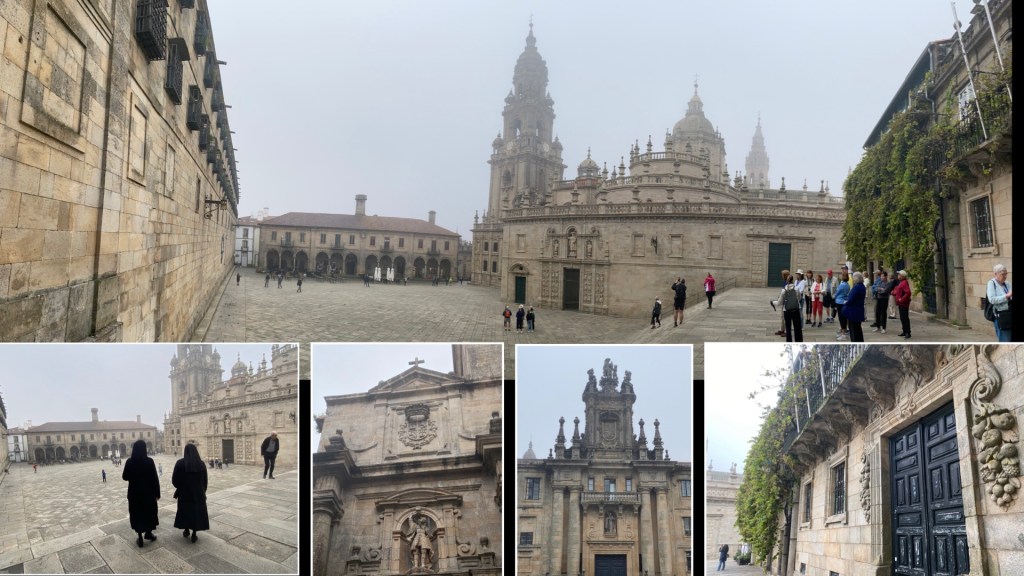
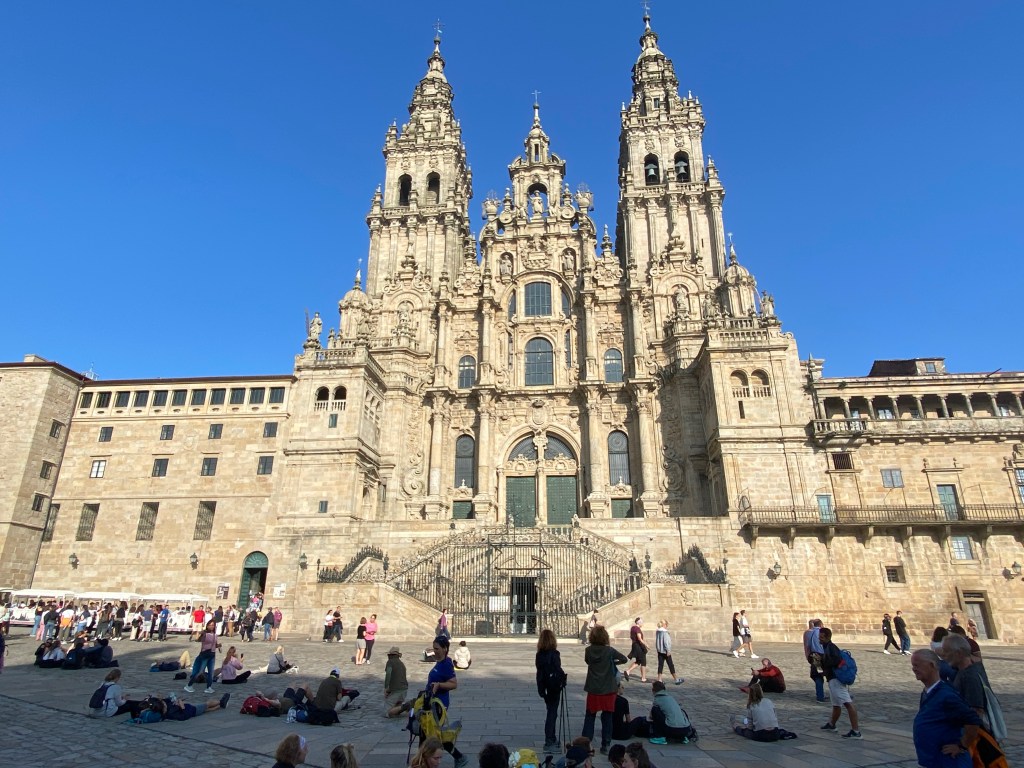
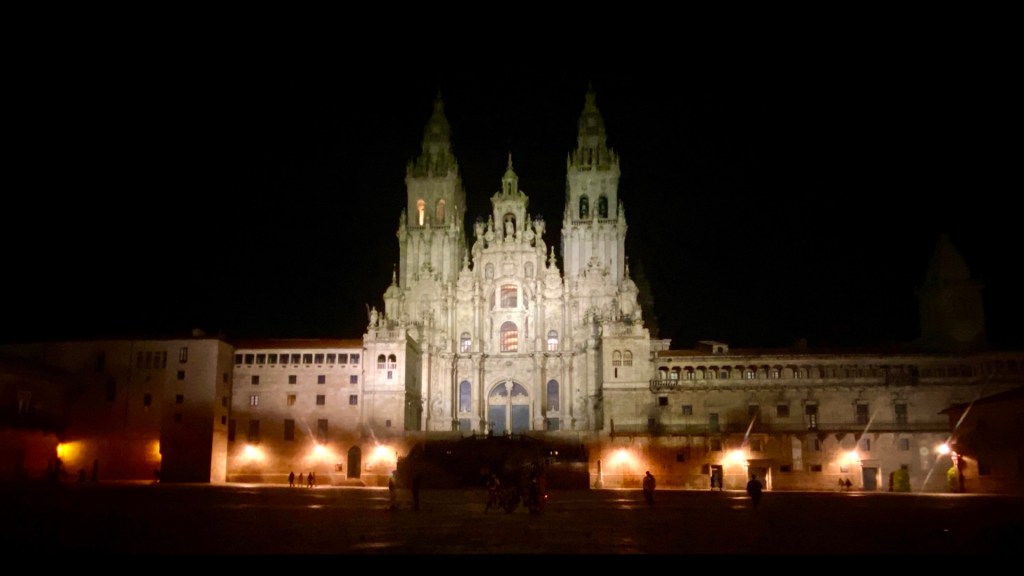
We exit the Cathedral through the magnificent 12th-century Portico de la Gloria (“Port of Glory”) and enter Plaza de Obradoiro, the monumental square surrounded by Santiago’s most important – and impressive – buildings. The plaza’s four sides encircling us display four architectural styles – neoclassical, Baroque, Renaissance, and Gothic – and are said to represent the four primary aspects of civic life: the religious with the Cathedral, the political with the Town Hall, the cultural with the University of Santiago’s rectorate building, and the commercial with the Hotel de los Reis Católicos, our historic parador.

Dinner
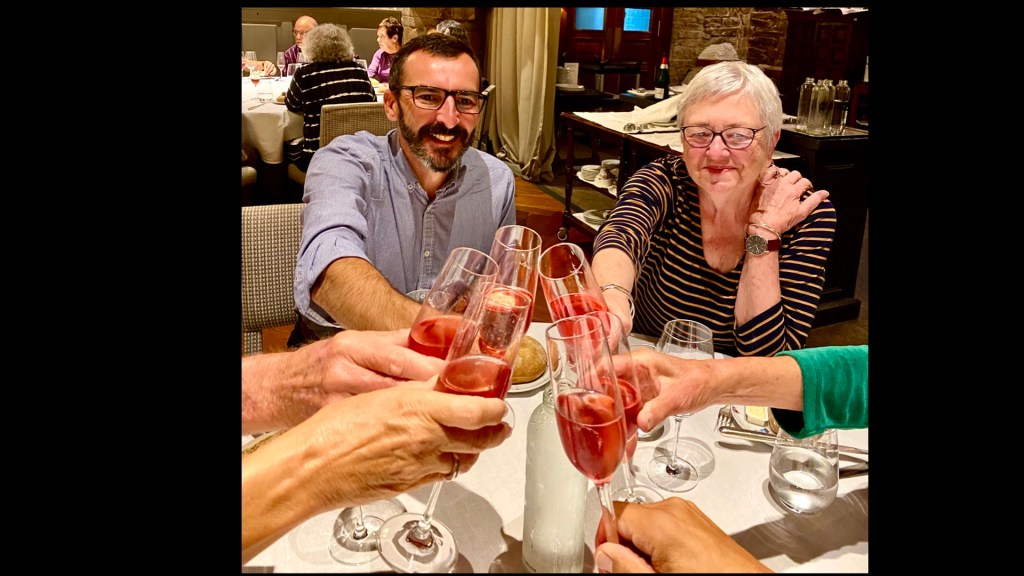

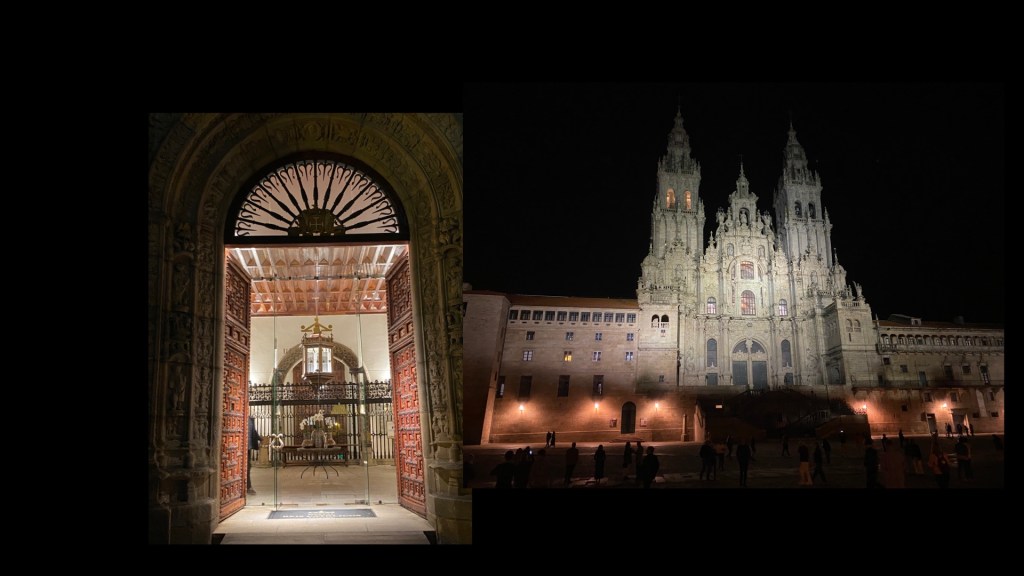
A Pleasant Surprise

Day 8 – Friday 6 Oct
León
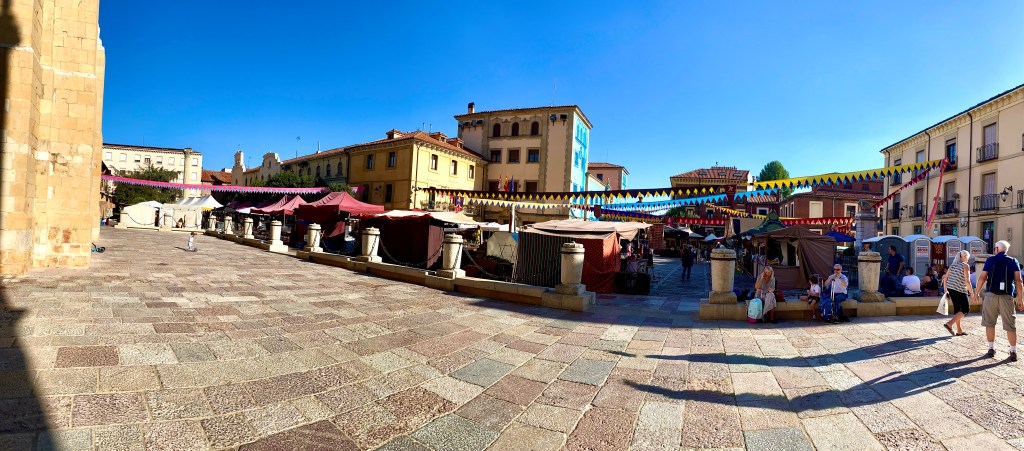
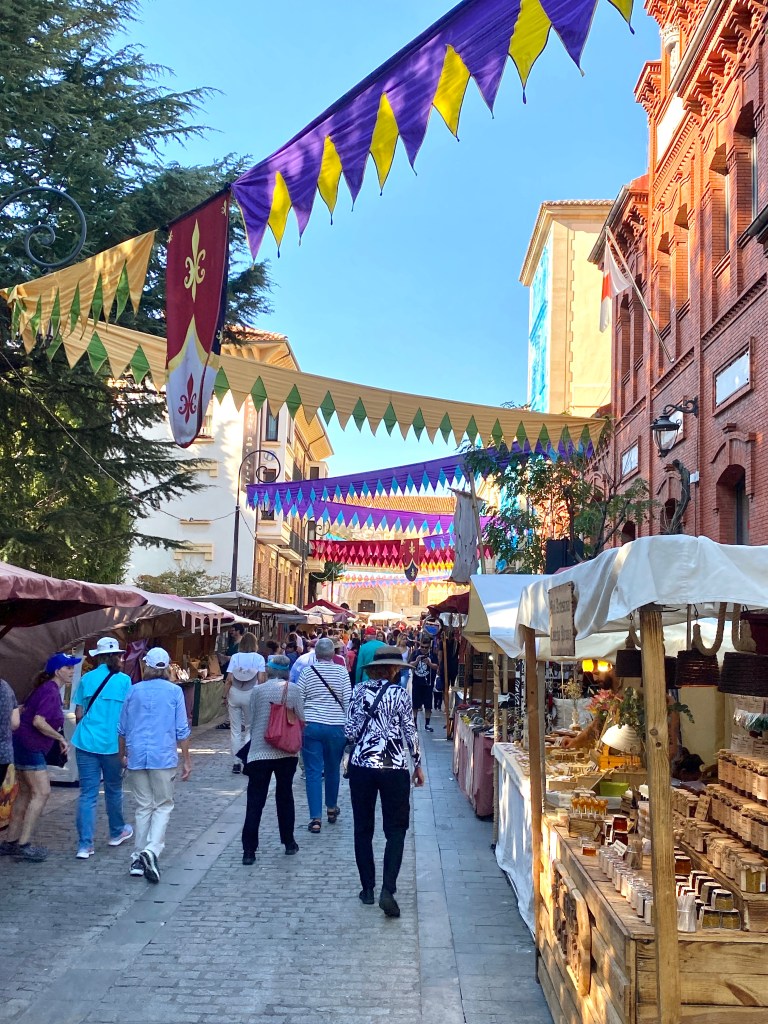
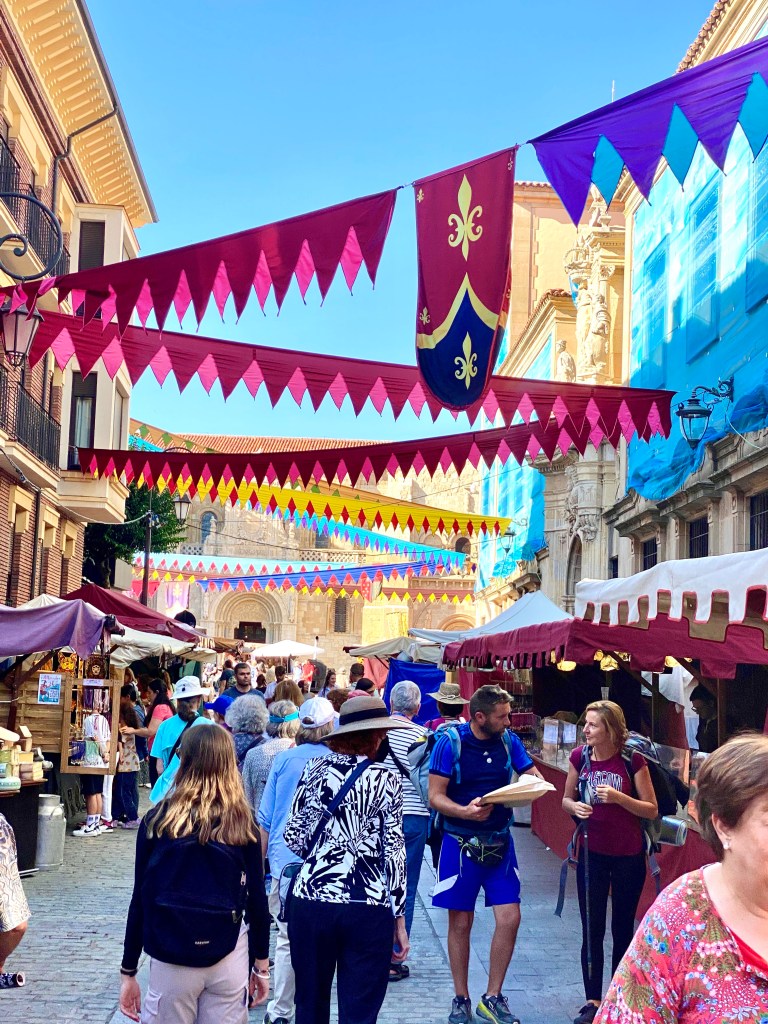
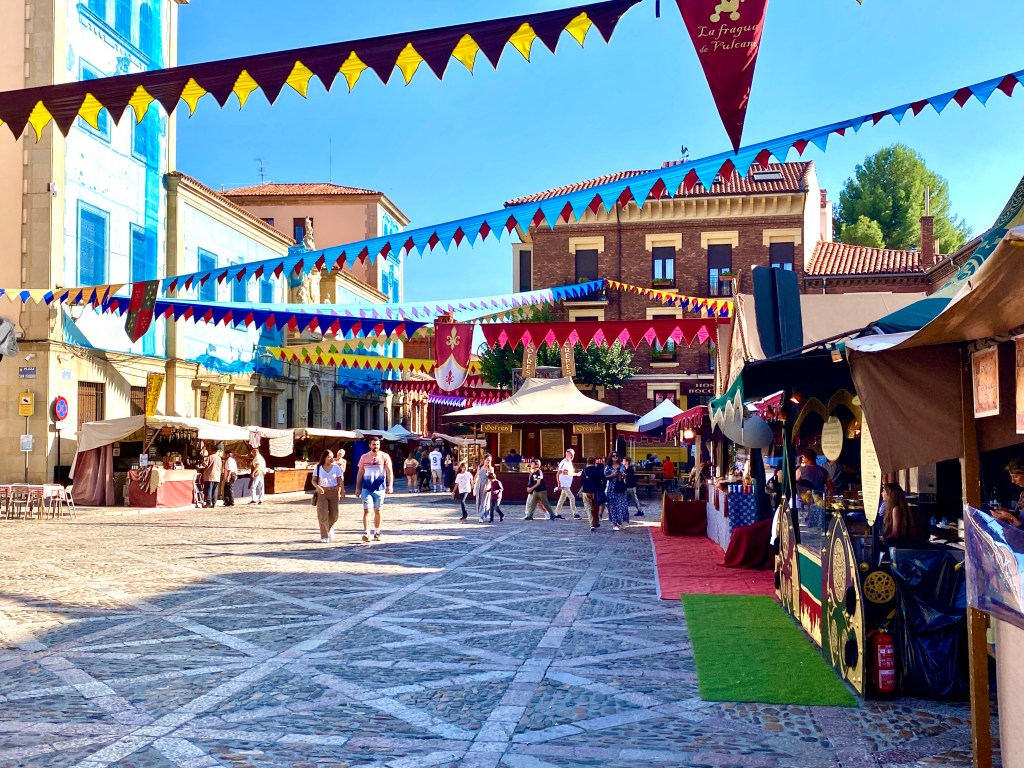
Leaving Santiago this morning, we travel east to vibrant León, another stop on the Way of St. James pilgrimage route and known for its religious festivals and Easter Week processions.
A Moorish ruler sacked León in the 10th century; the Spanish rebuilt it and it became the seat of Western Europe’s first parliament under King Alfonso IX in the 12th century.
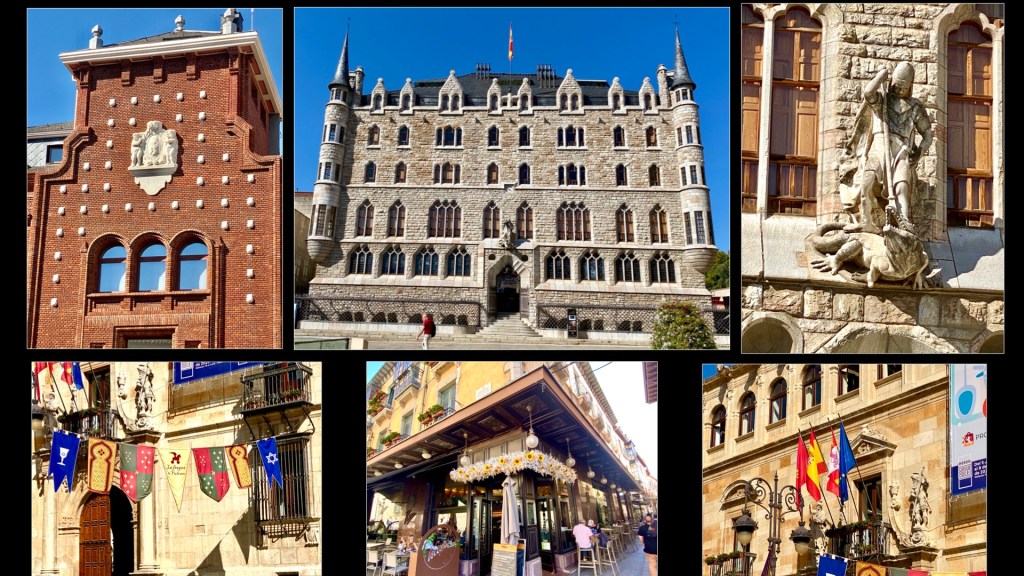
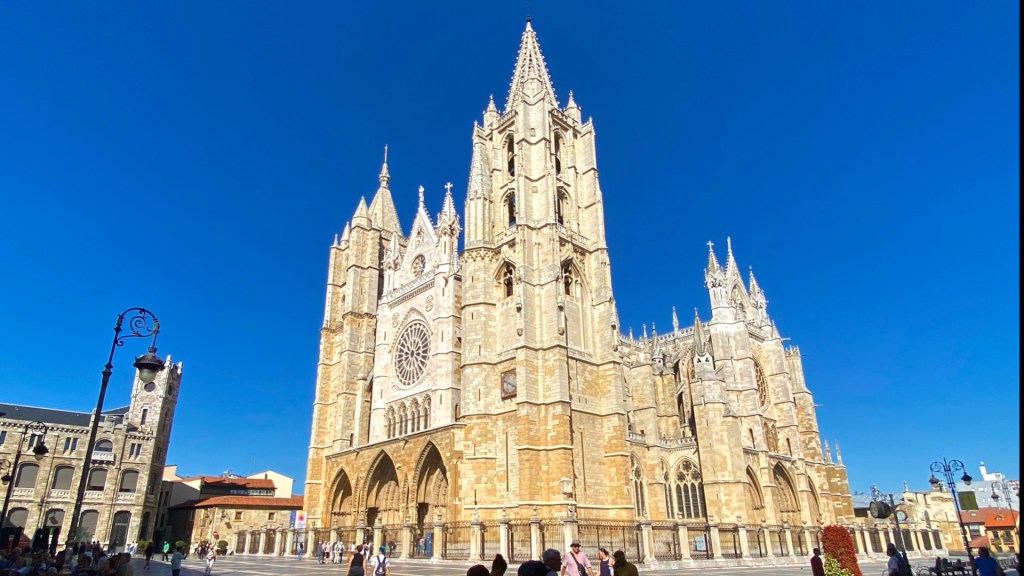
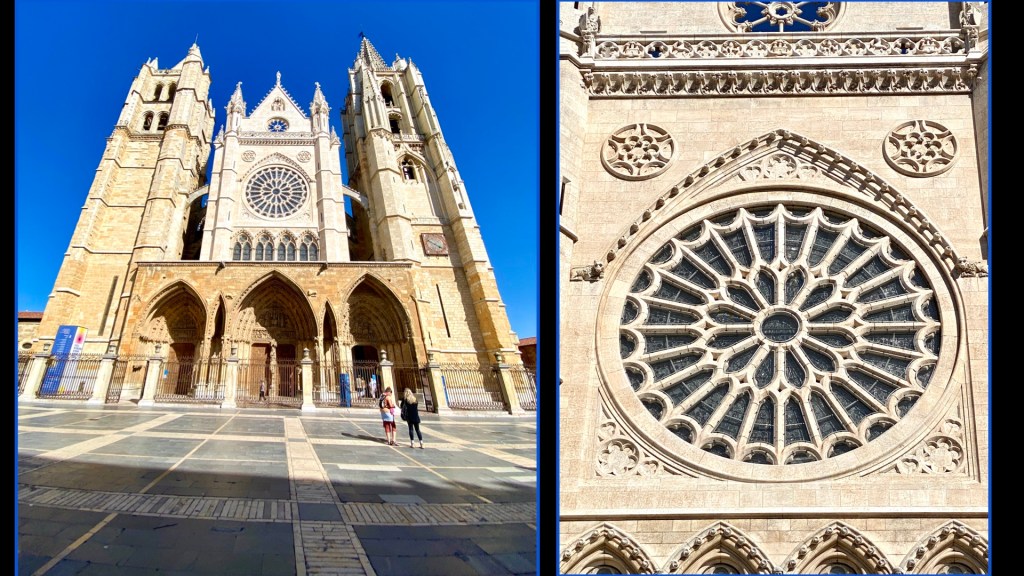
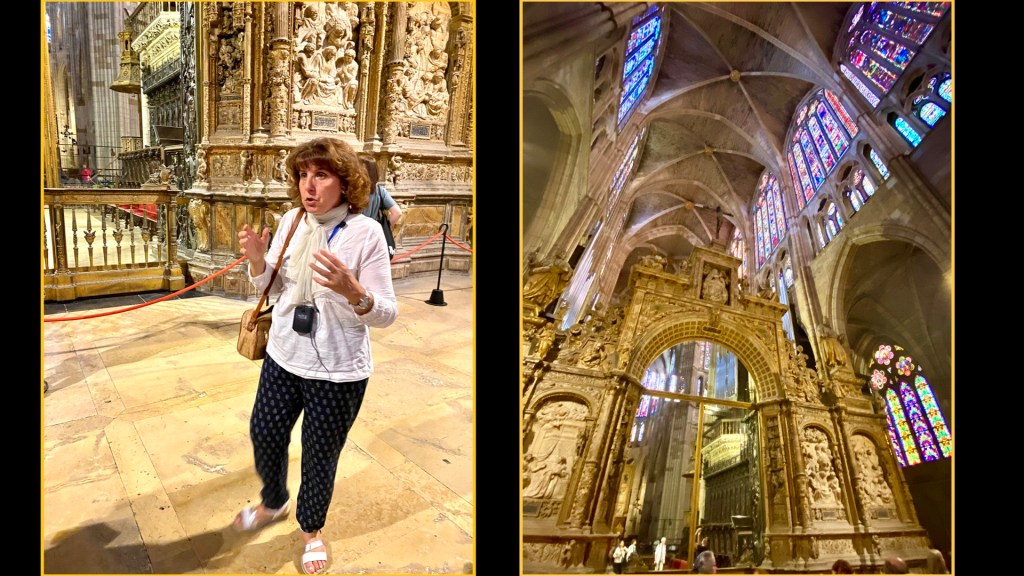
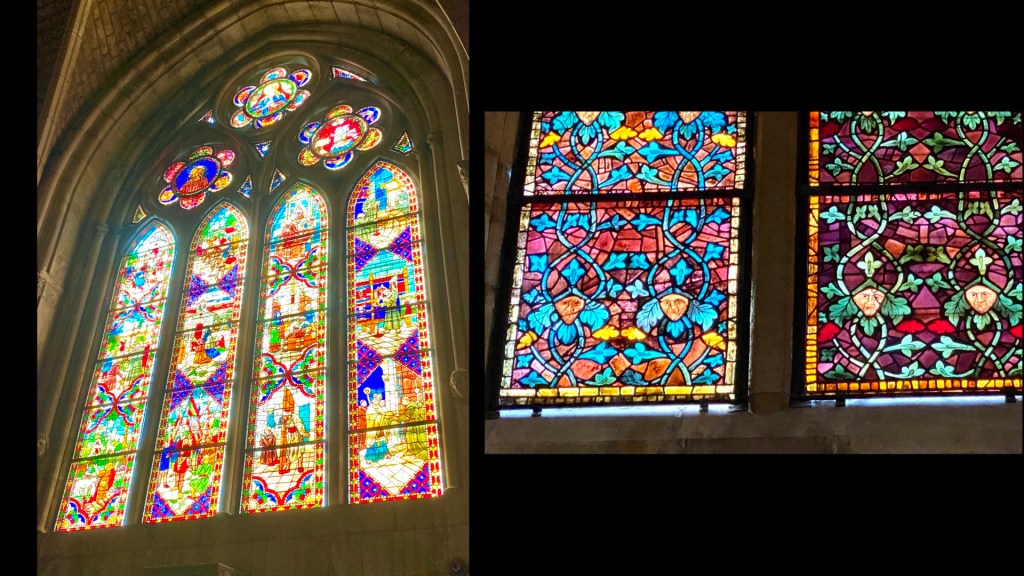
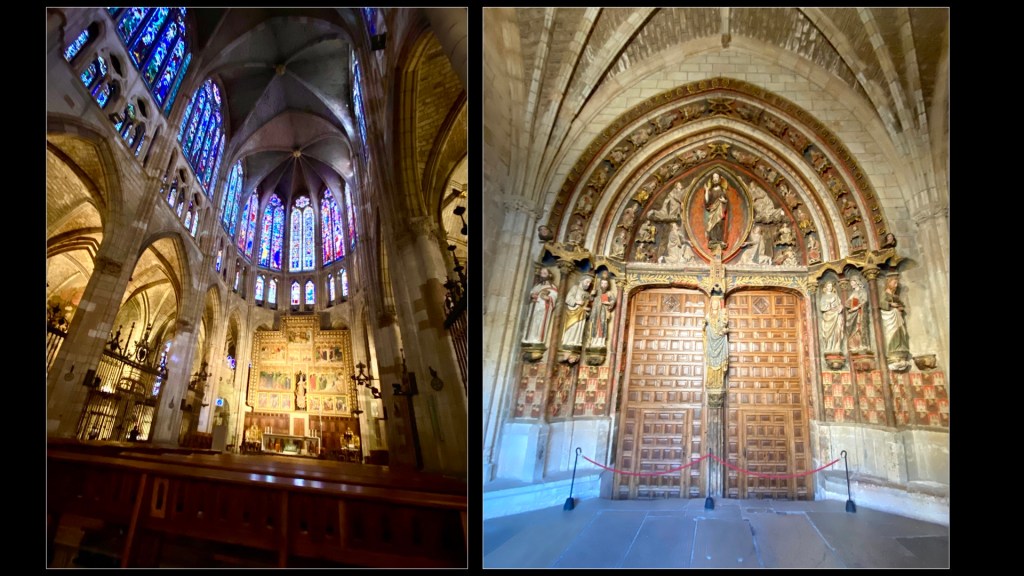
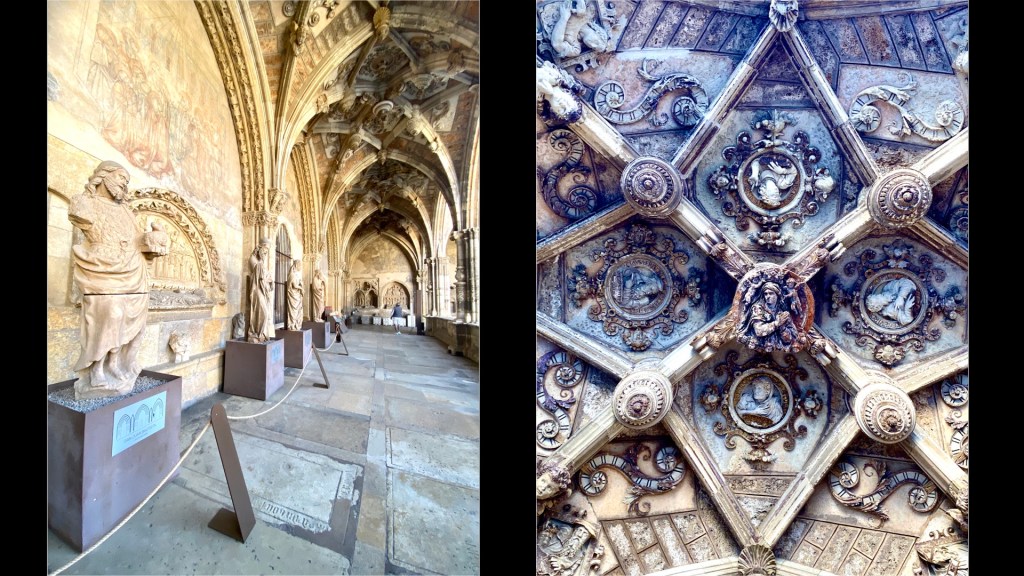
Upon arrival, we embark on our afternoon city tour with a local guide. Our tour guide illuminates the city’s impressive historical and architectural heritage as we visit the 13th-century León Cathedral, one of Spain’s most beautiful churches, with its sculpture-covered façade and impressive stained glass windows; and Casa Botines, a Modernist structure by architect Antoni Gaudí.

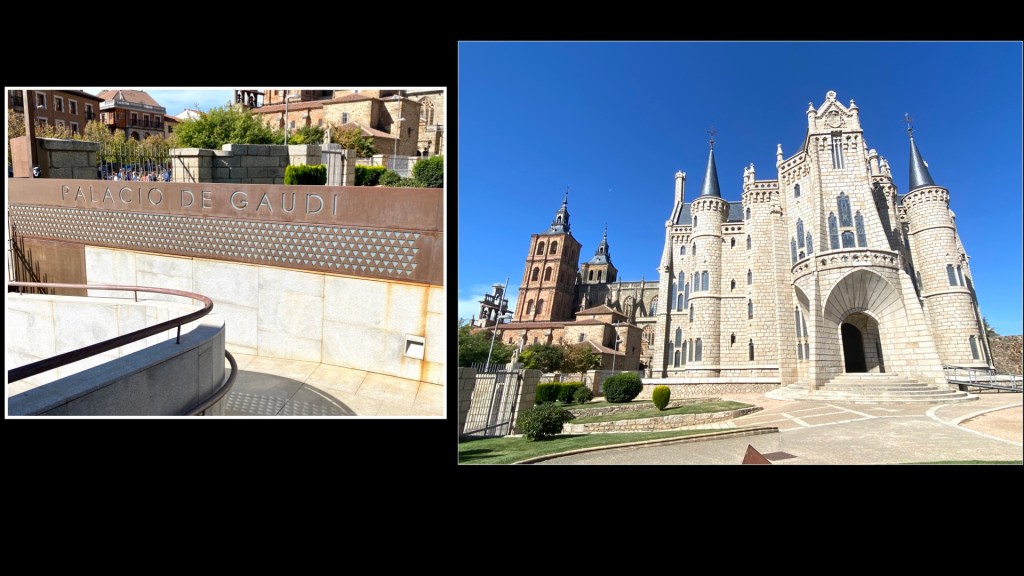
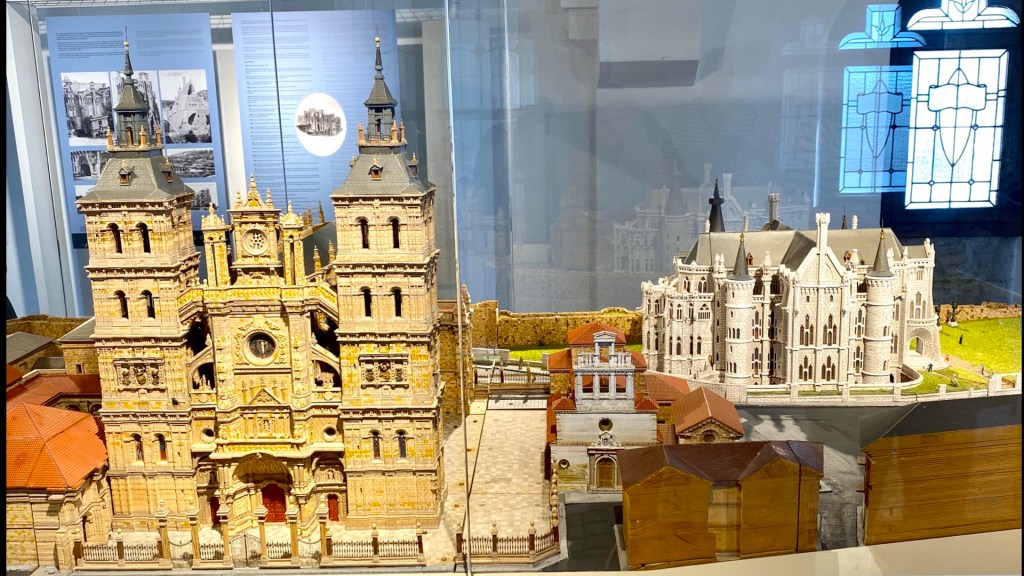
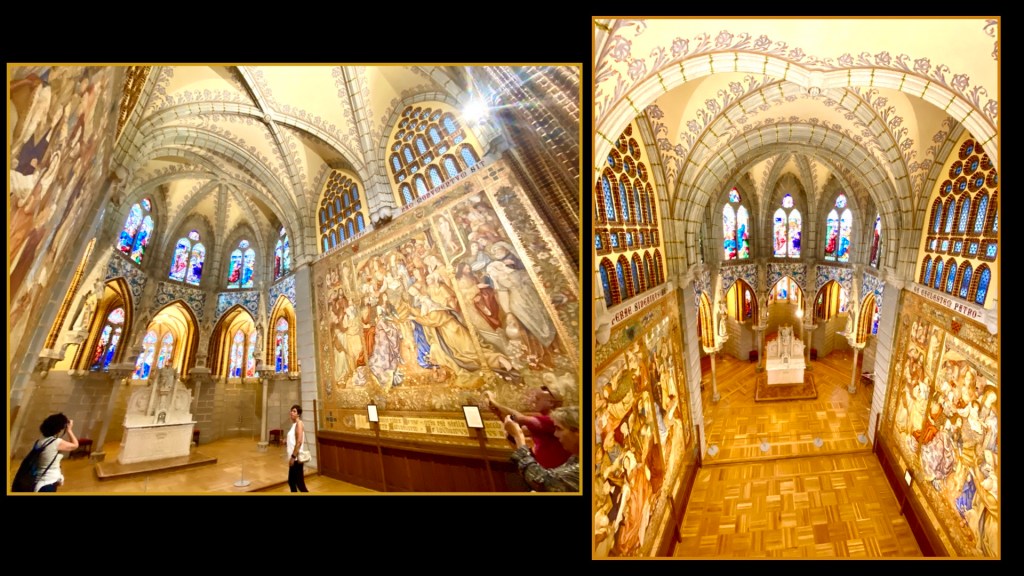
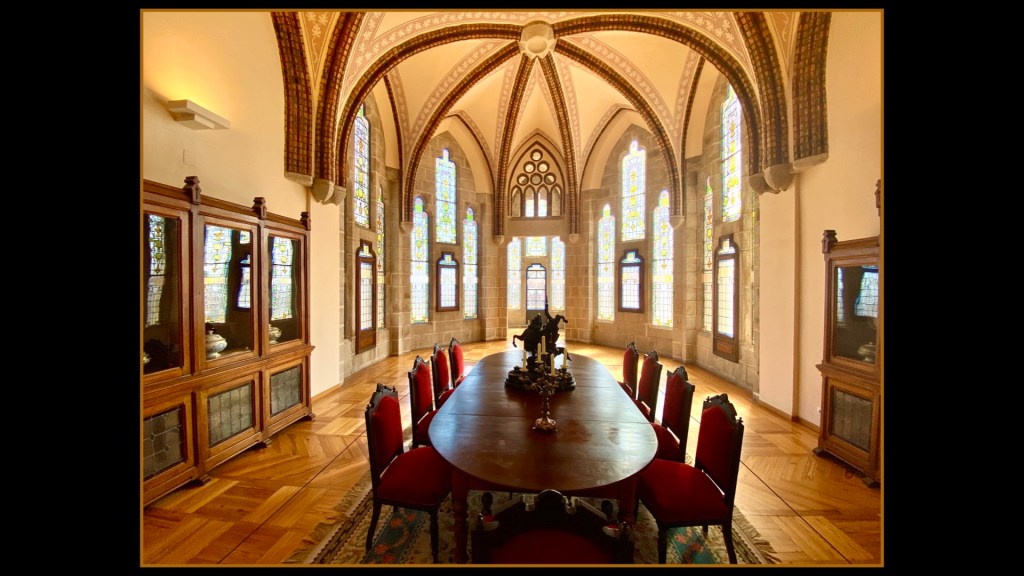
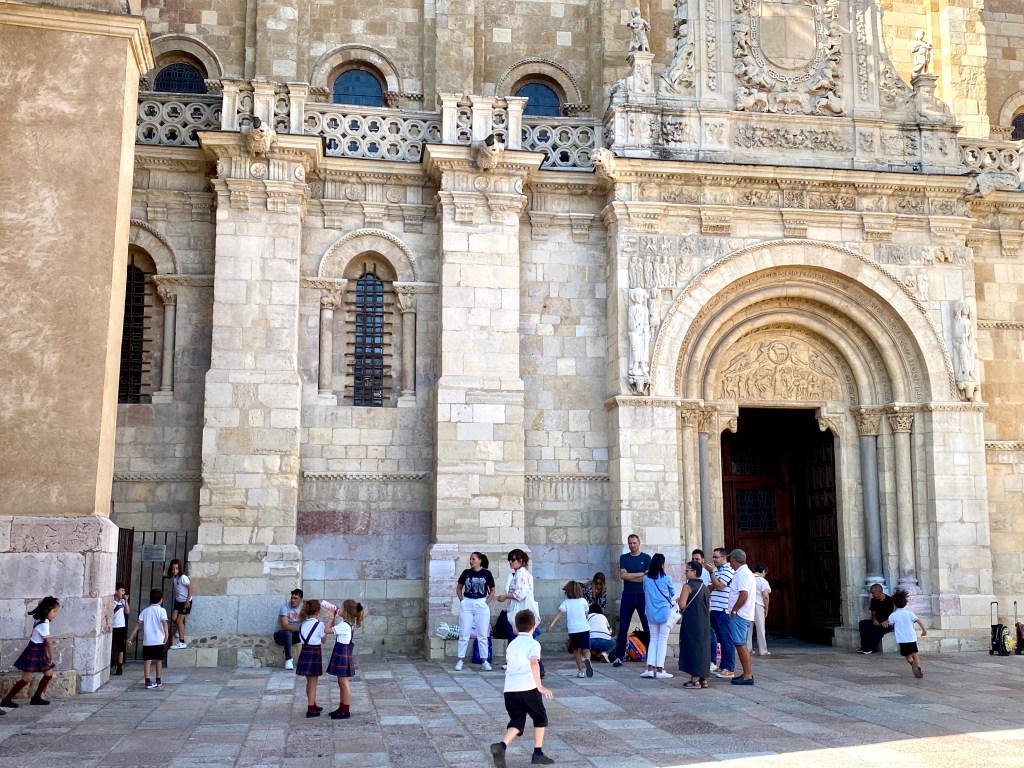
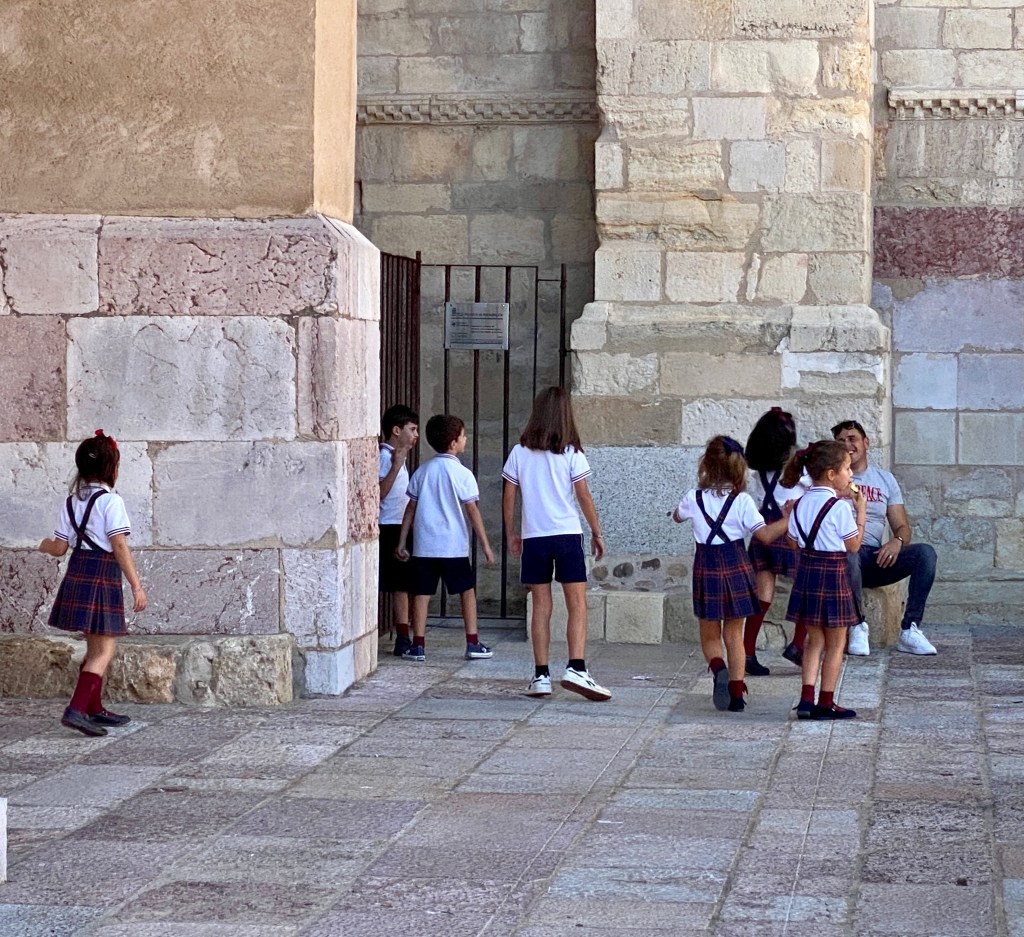
Leon


Hotel
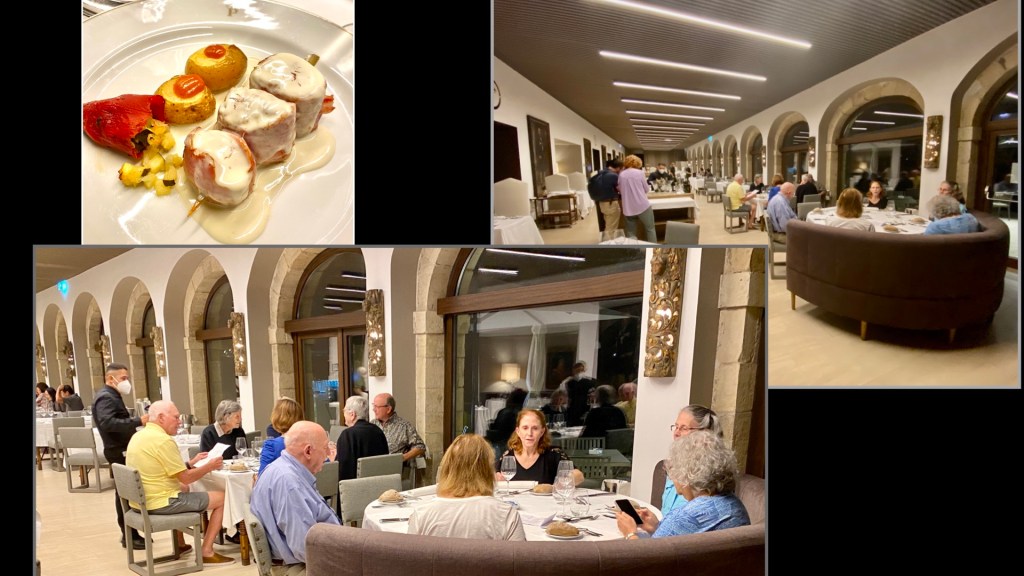
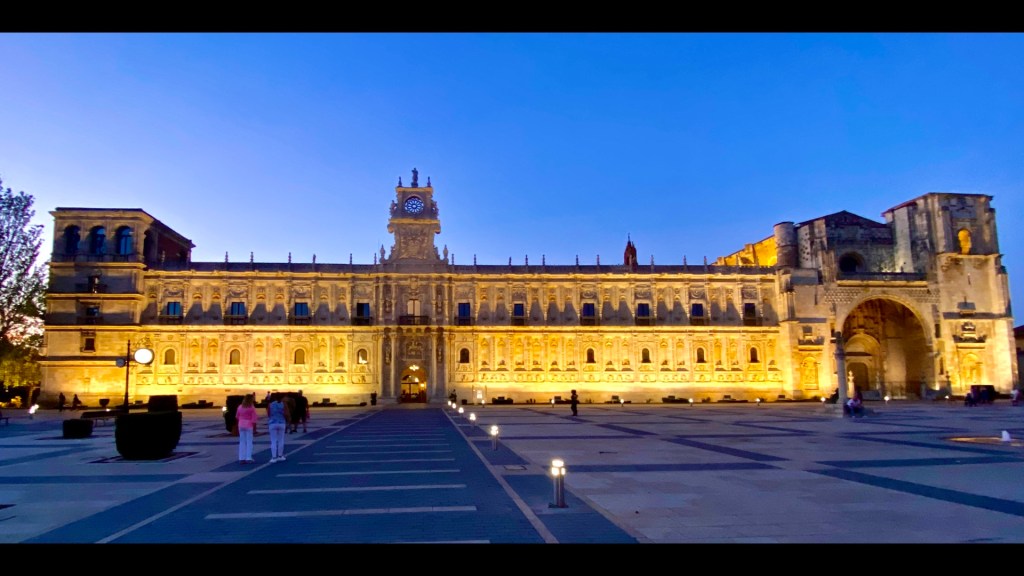
Parador de Leon

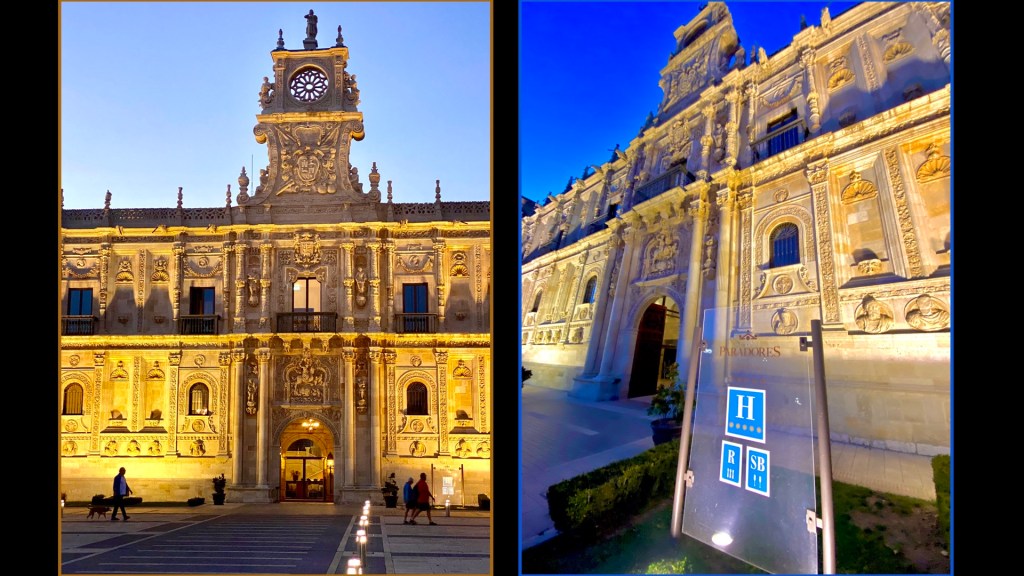
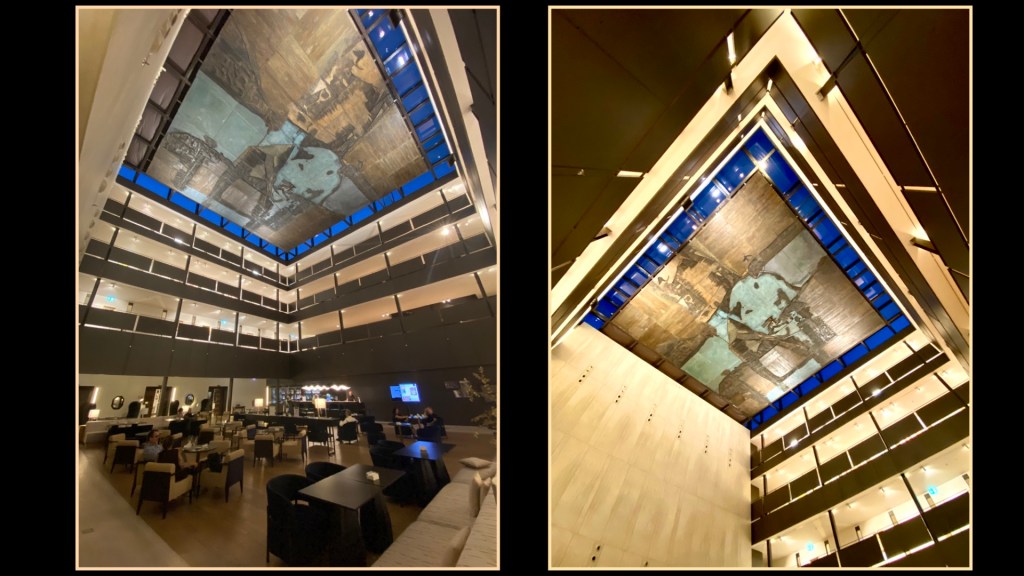
Day 9- Saturday 7 October
Santander and Bilbao
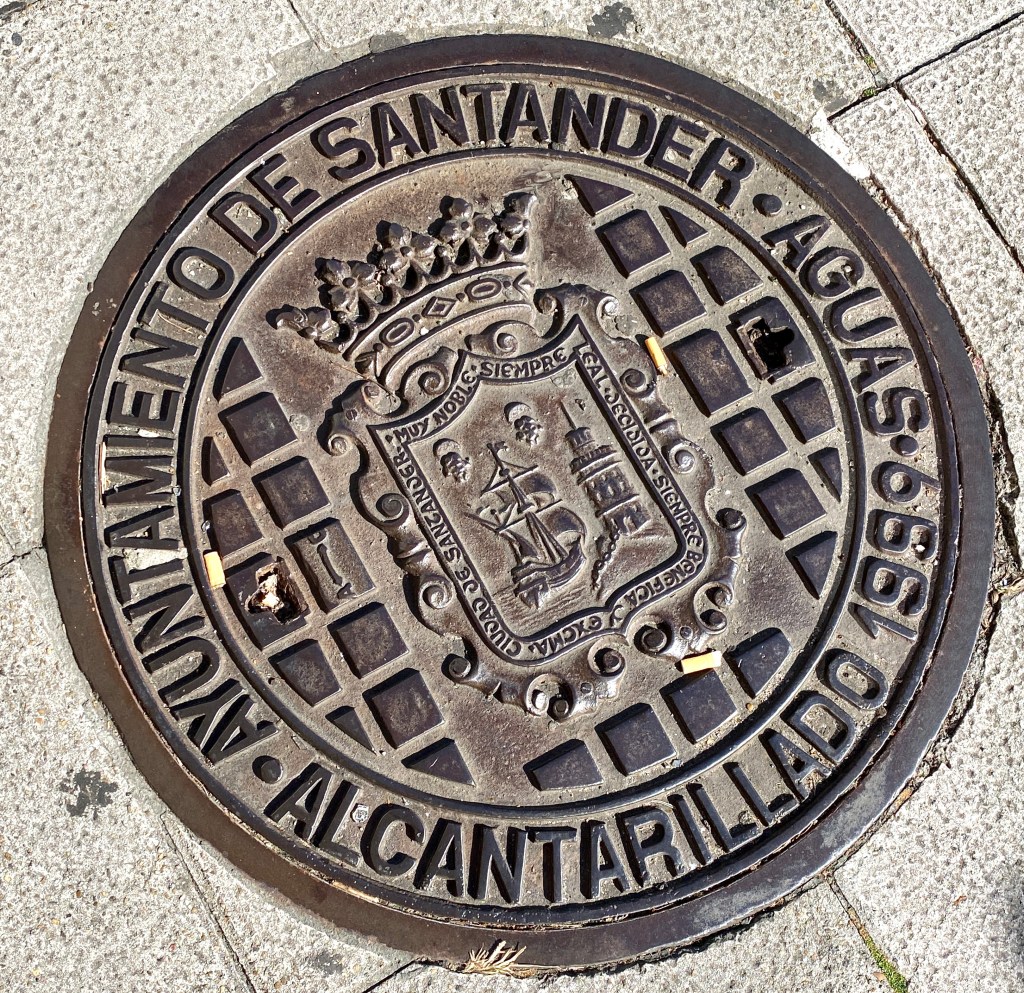
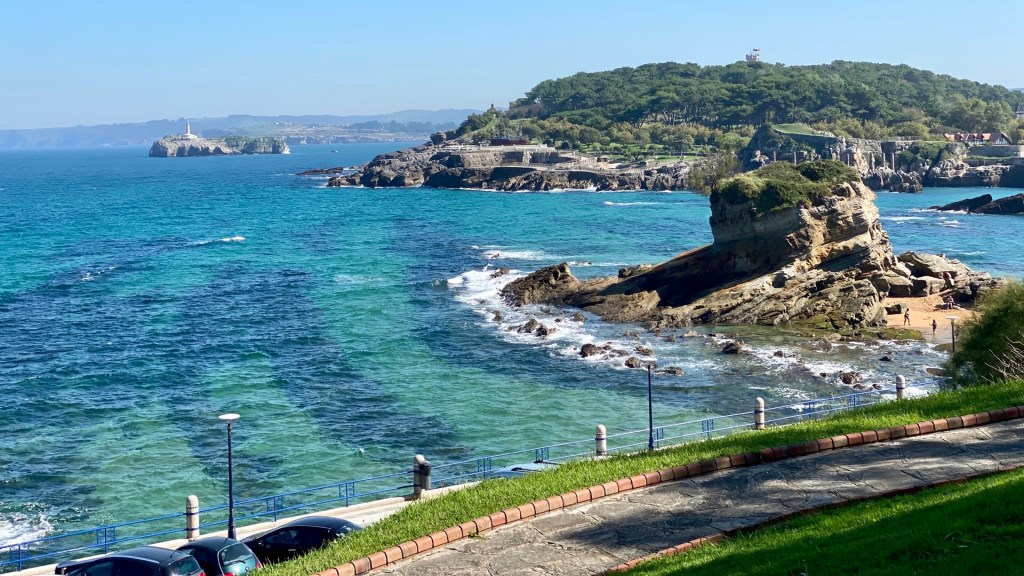
Continuing our journey, we stop in the elegant port city and Cantabrian capital of Santander, which sits in one of Spain’s most beautiful bays.
Spanish kings made this city their residence in the early 20th century. Our touring reveals some highlights include Santander’s beaches and the cape of Cabo Mayor with its clifftop vista and iconic lighthouse.
Ocean View Lunch
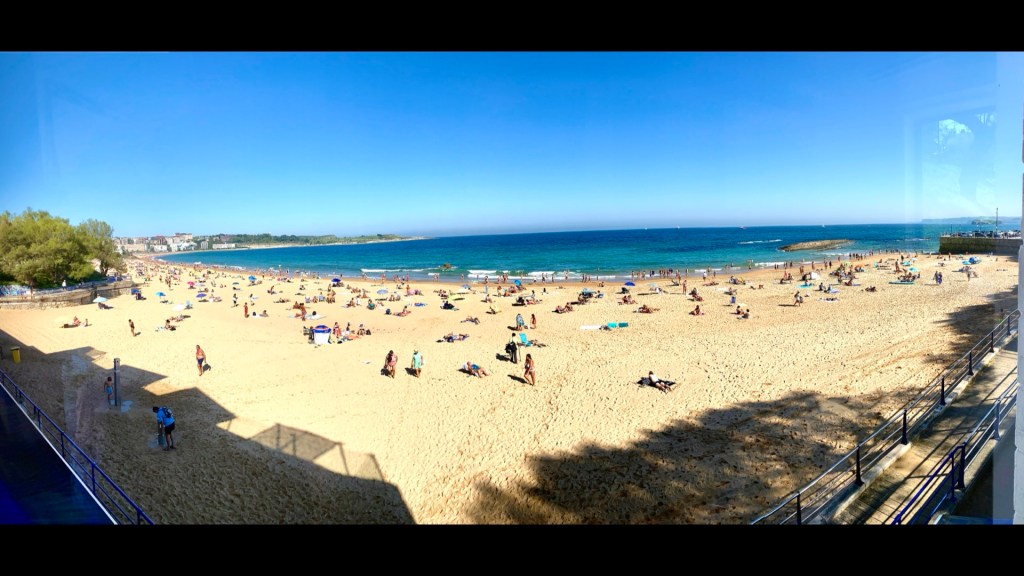
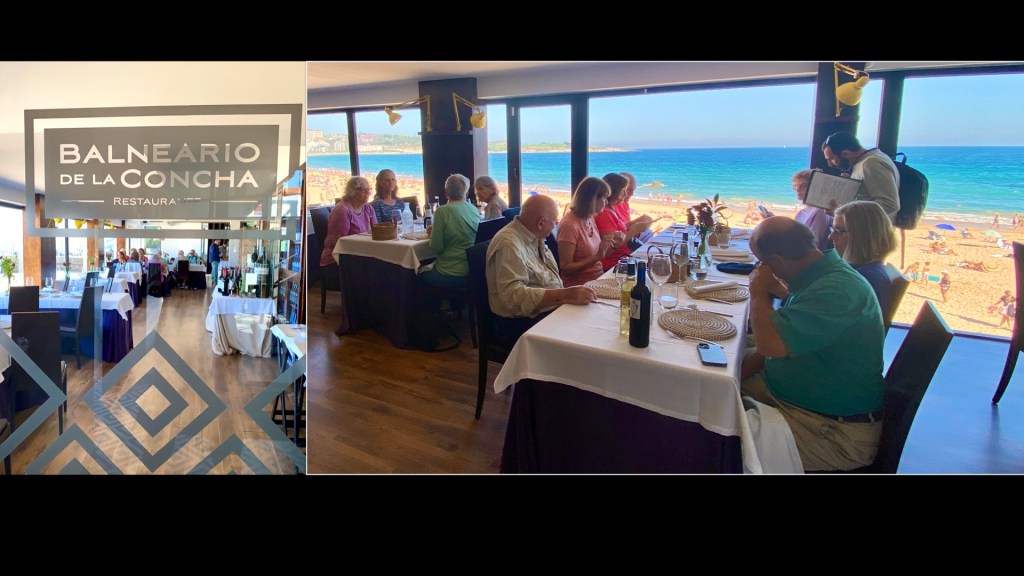
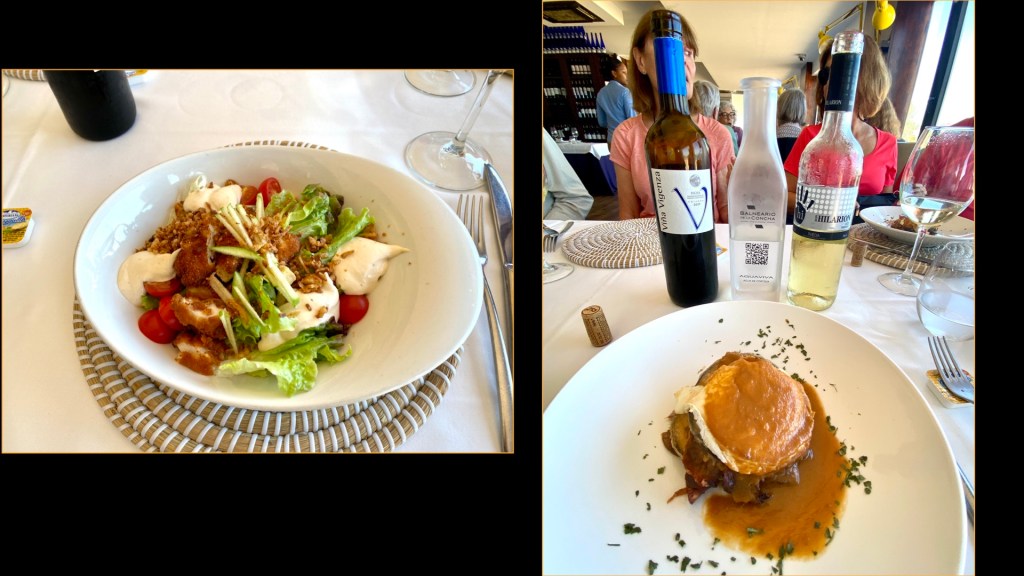
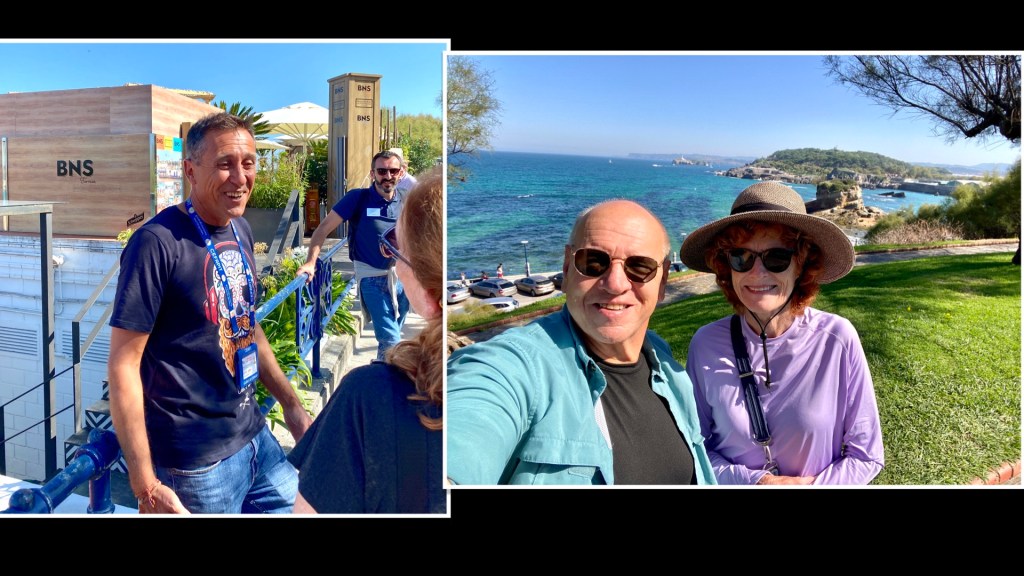
A tour of Santander
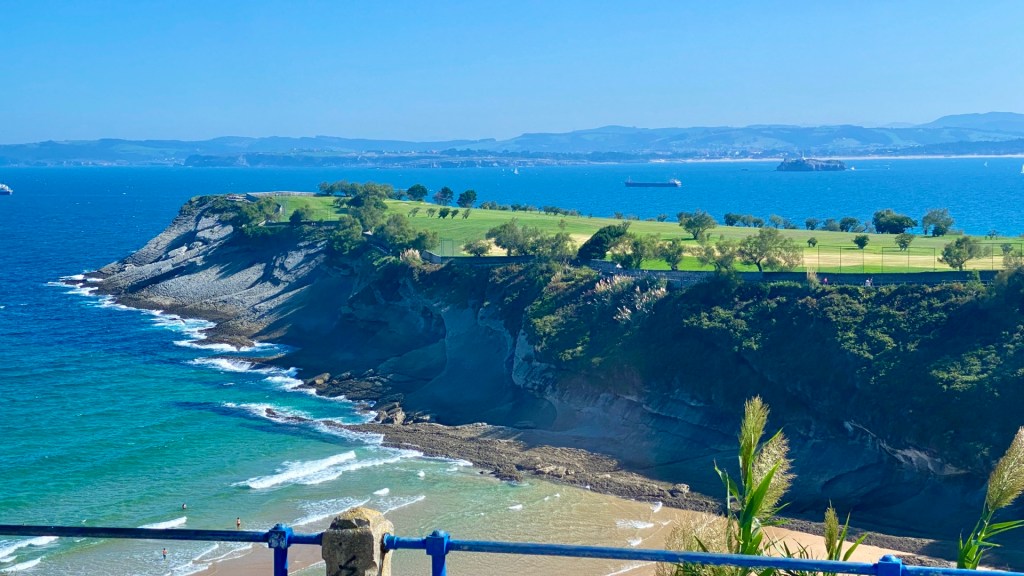
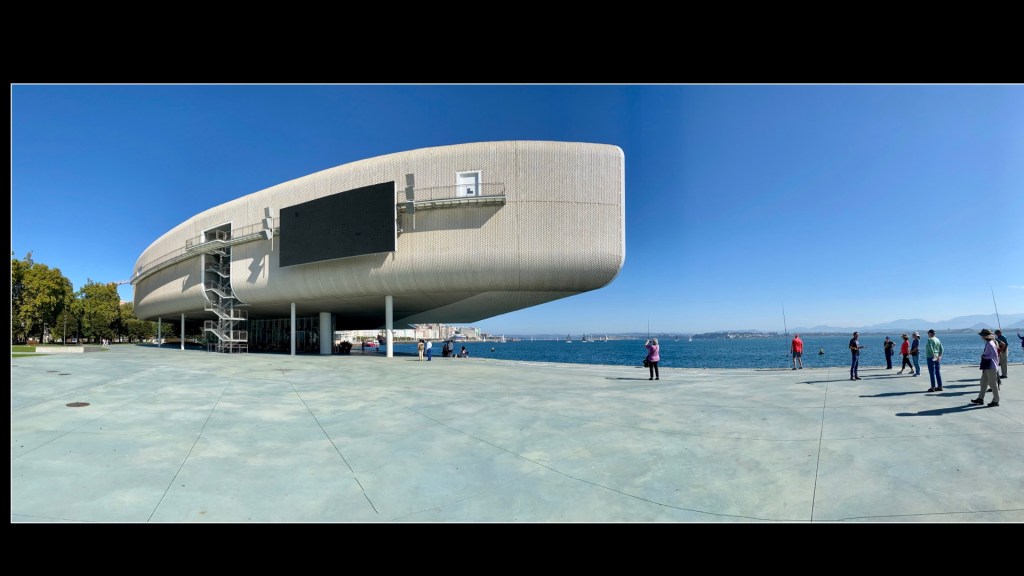
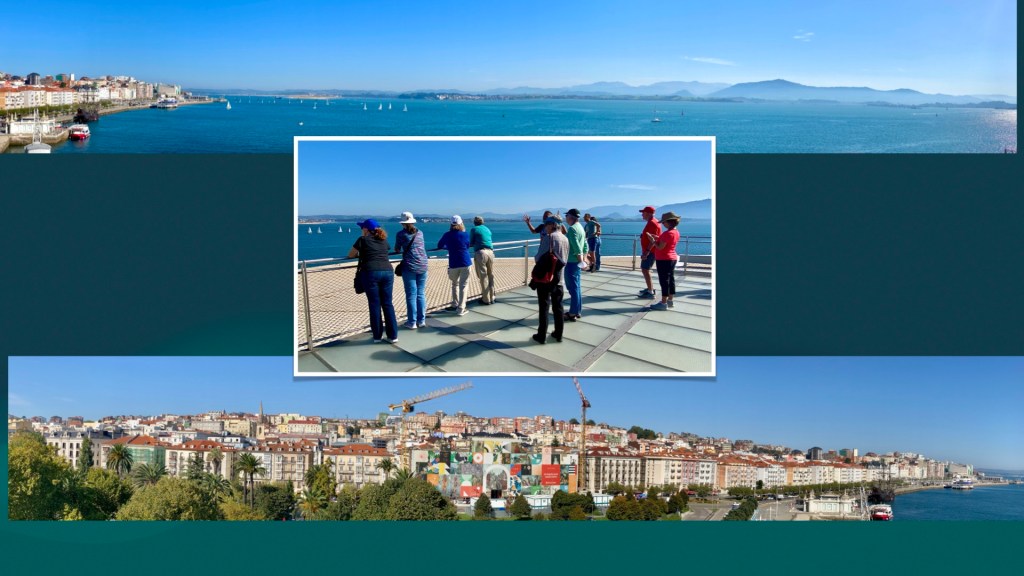
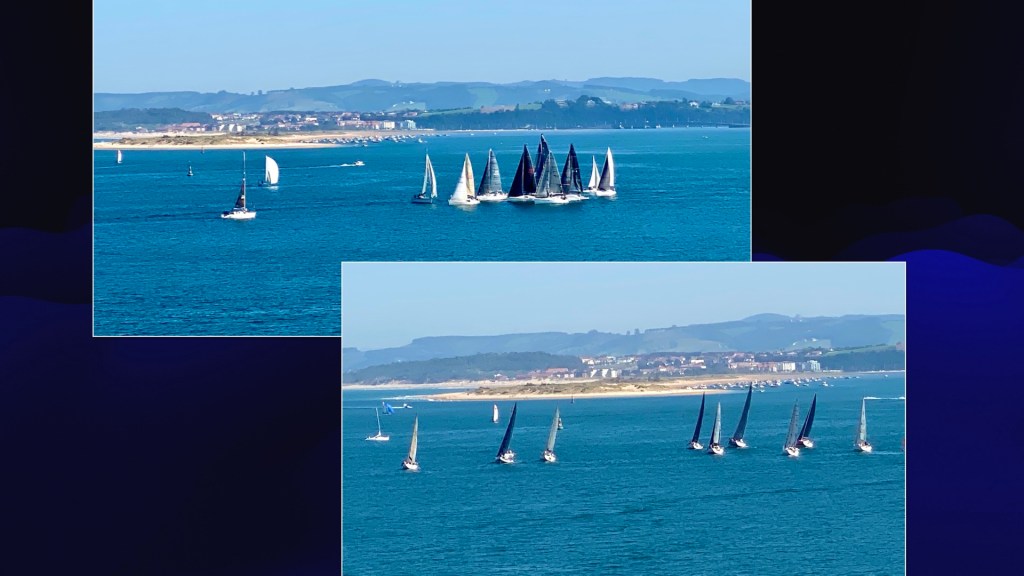
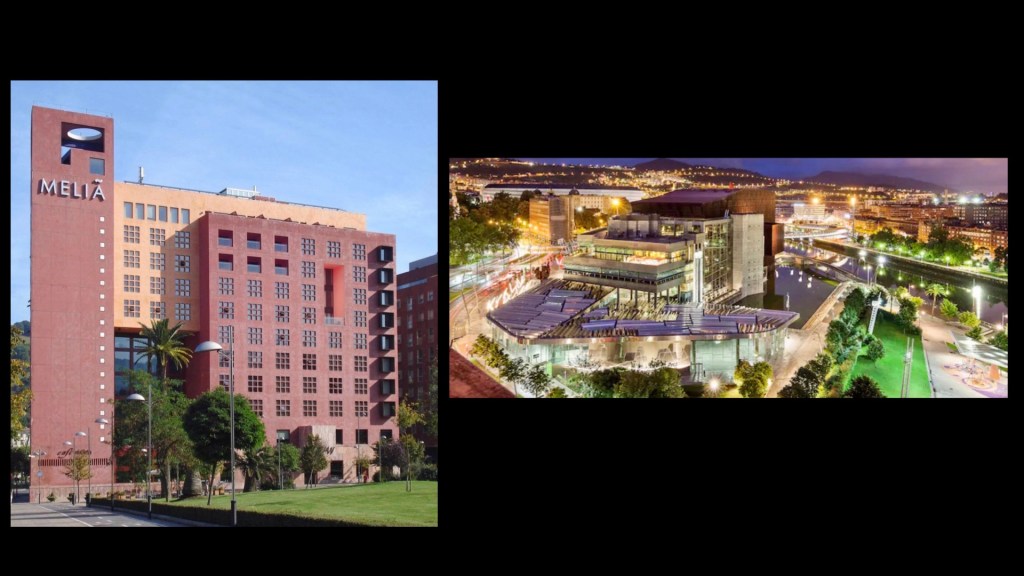
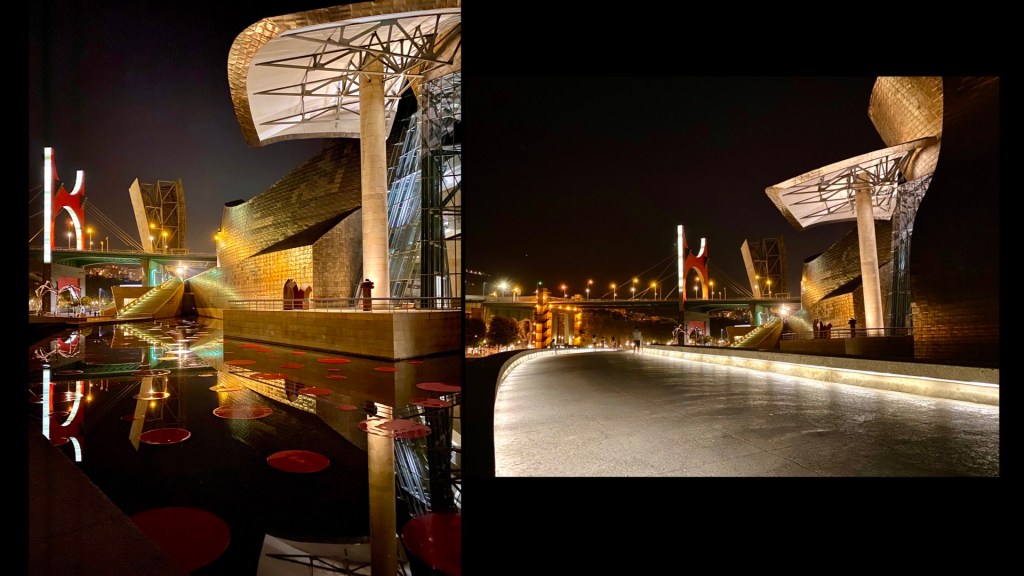
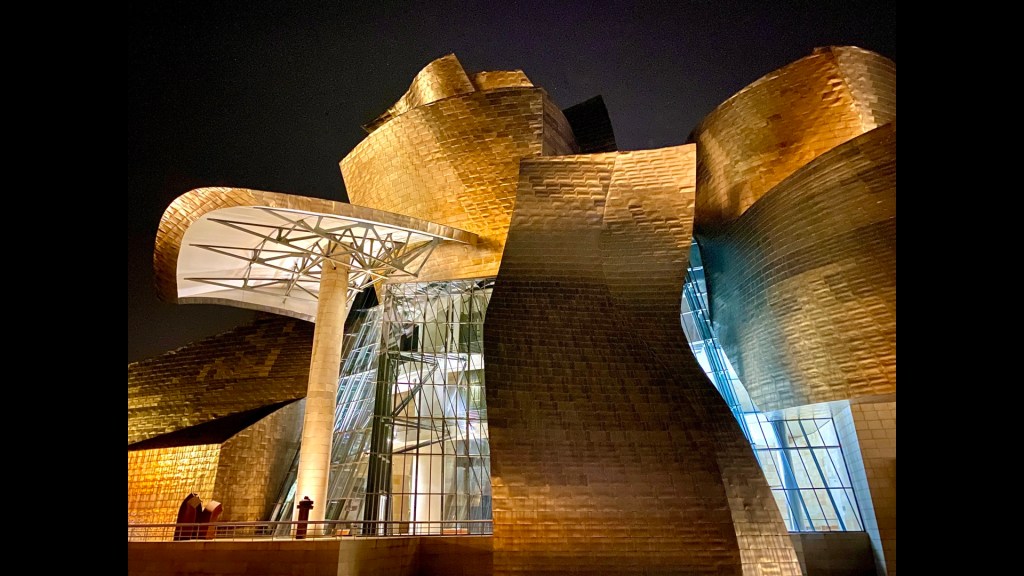
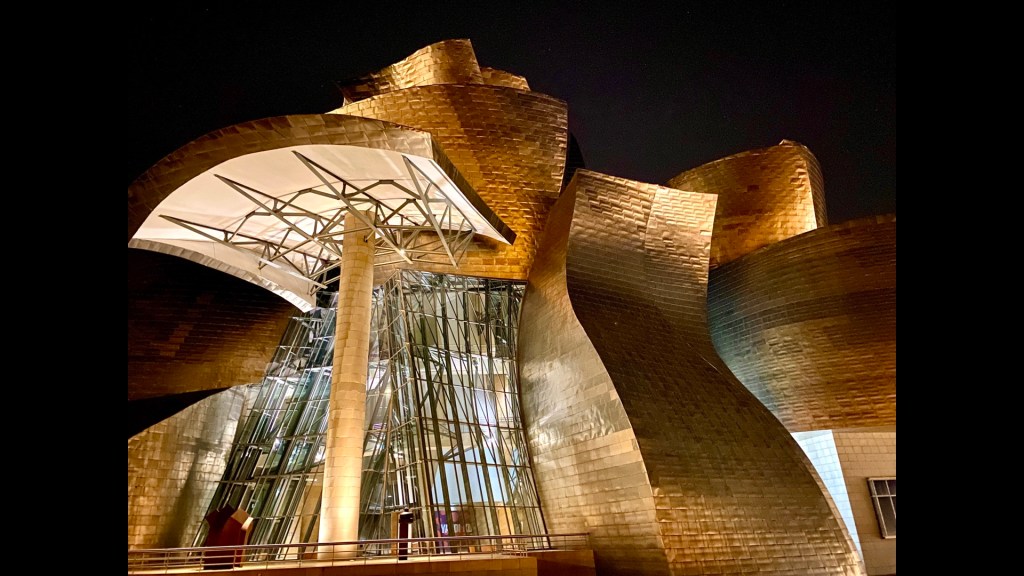
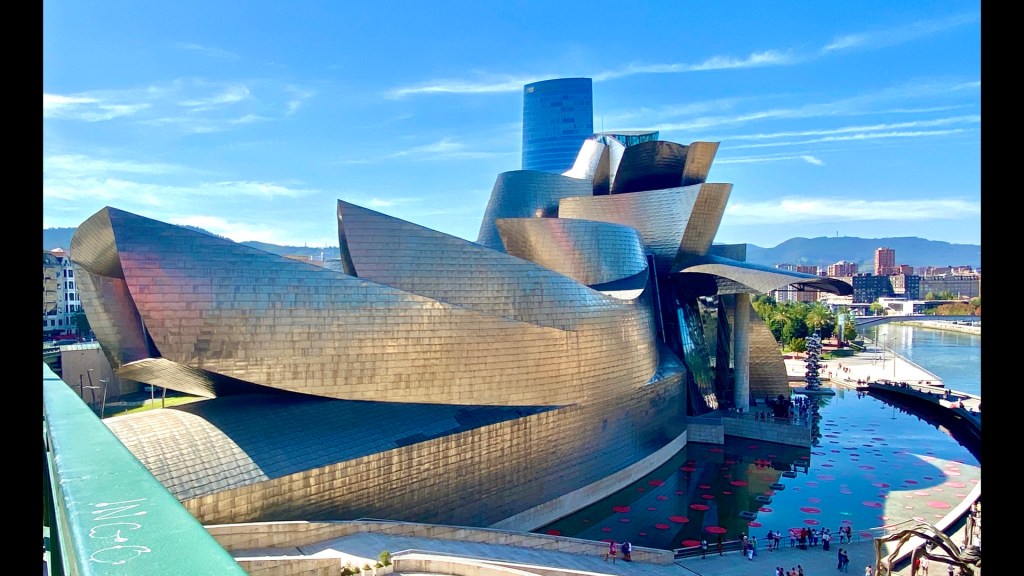
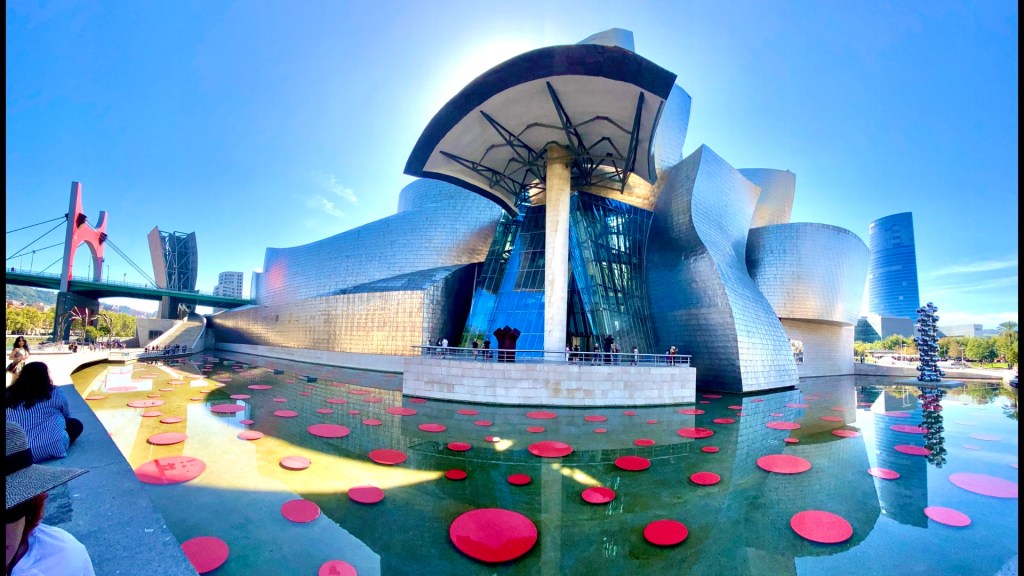
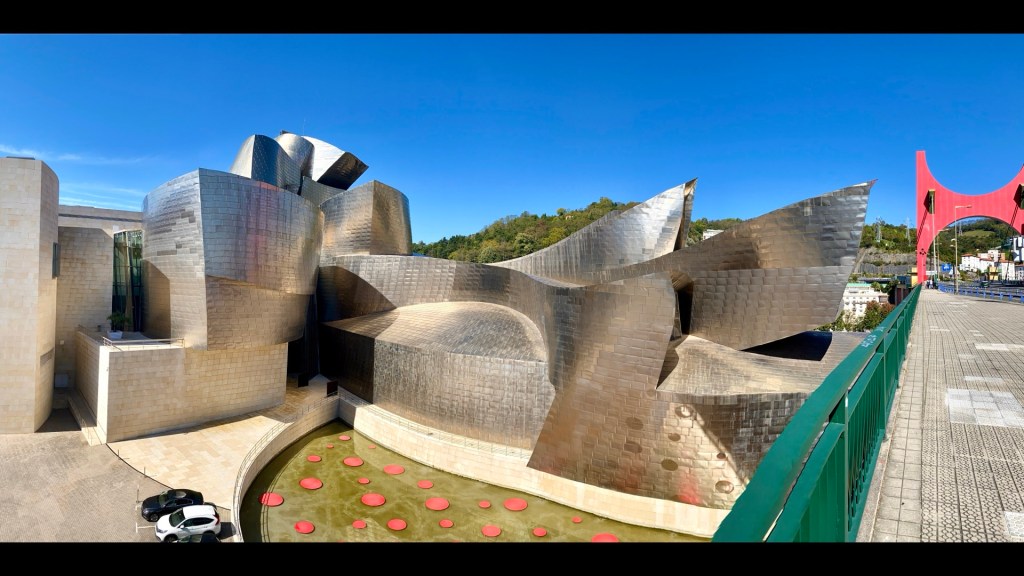
After lunch at a local restaurant, we travel on to Bilbao, the industrial port city on the Bay of Biscay almost magically transformed by the construction of the Guggenheim Museum Bilbao in 1997. Now increasingly known for its burgeoning art scene, which we see for ourselves, the city’s original reputation derived from its centuries-old iron industry
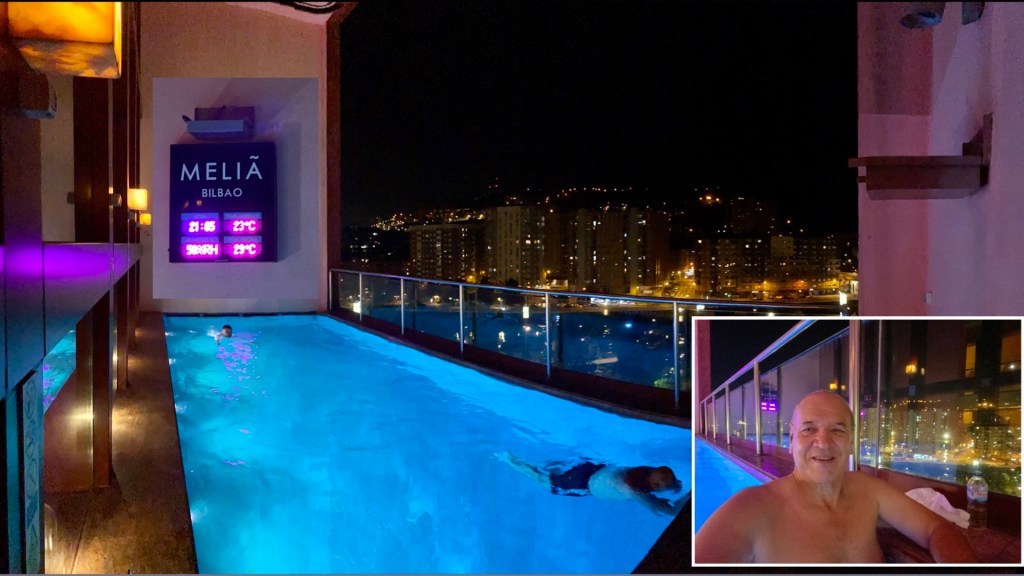
Hotel Melia Balboa
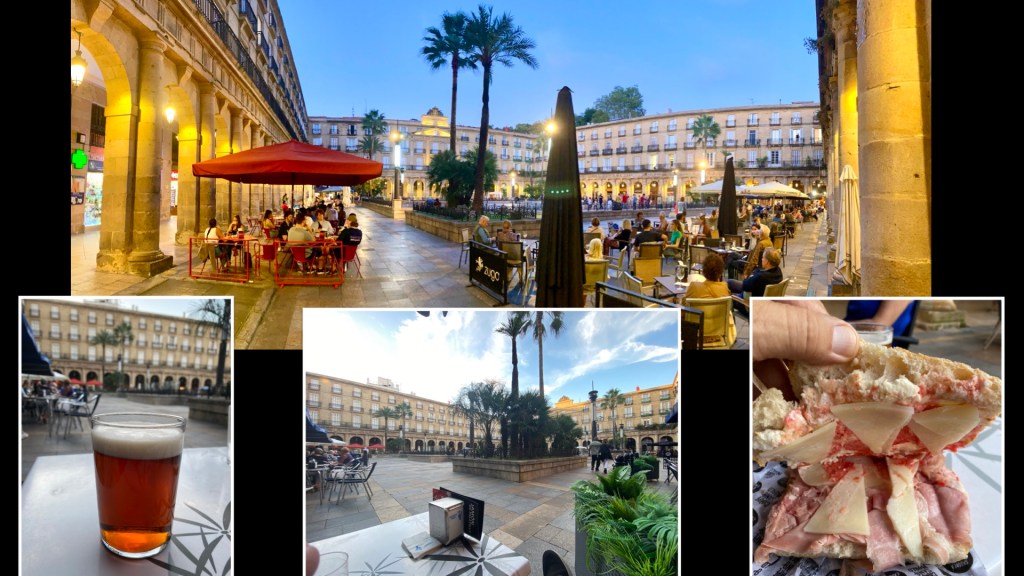
Dinner tonight is on our own; Bilbao is known for its outstanding cuisine
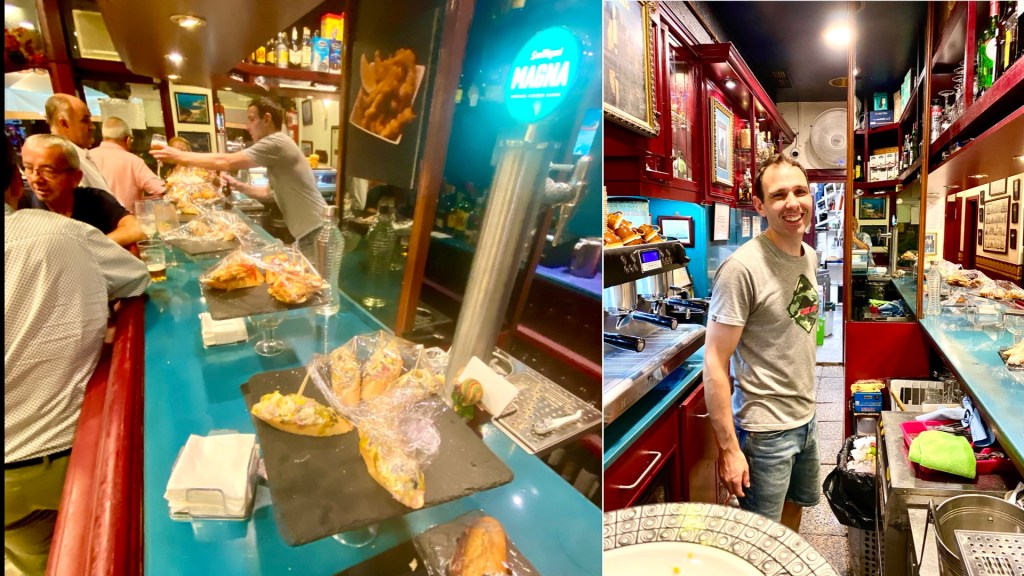
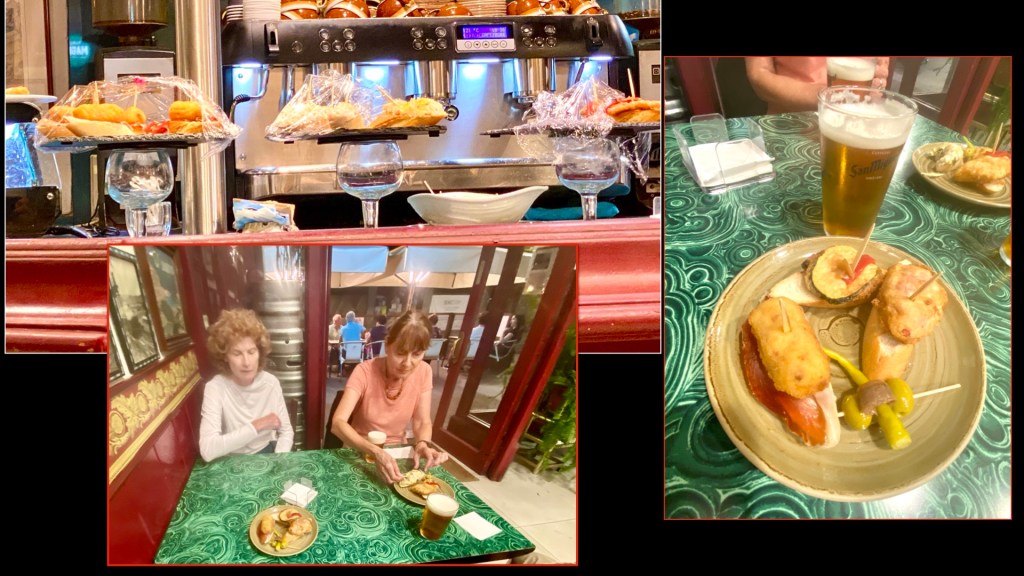

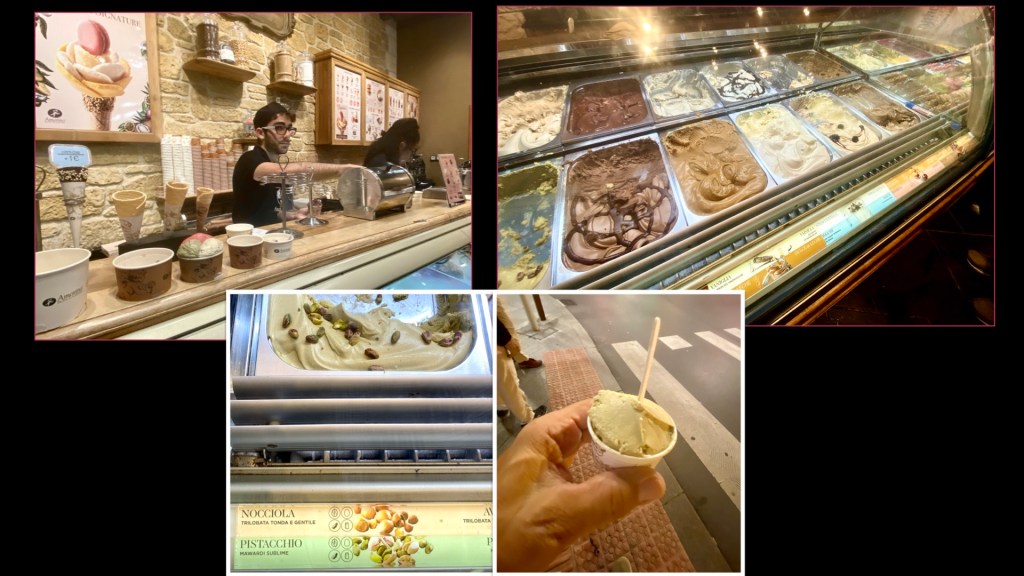
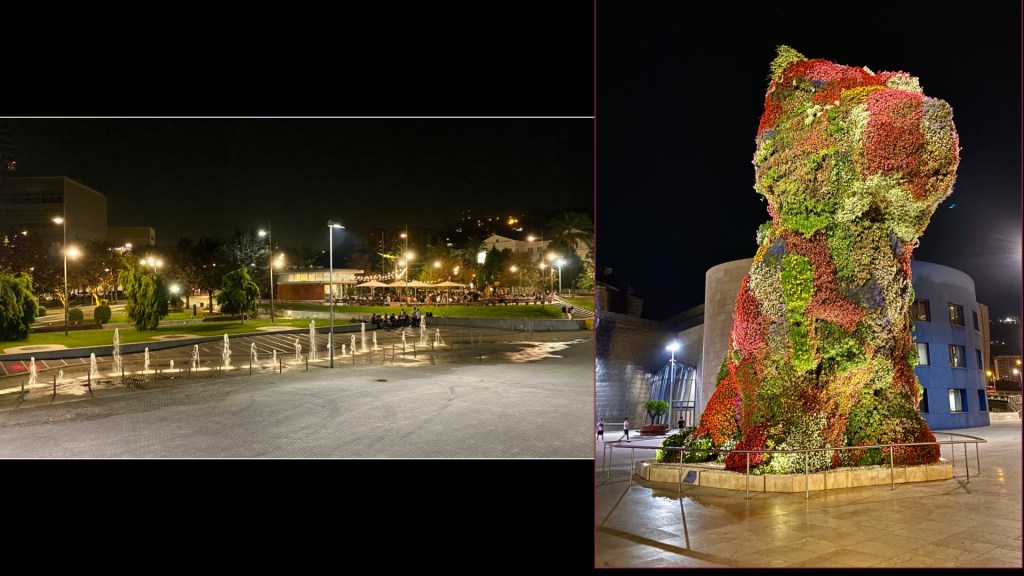

Day 10- Sunday 8 Oct
Bilbao
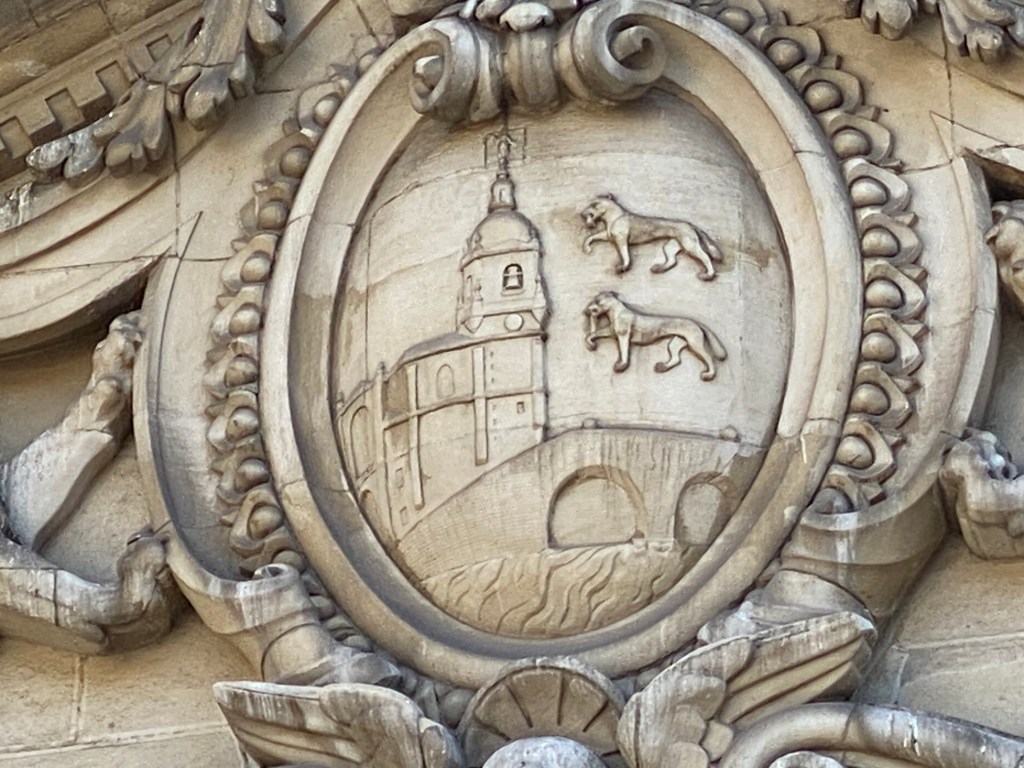

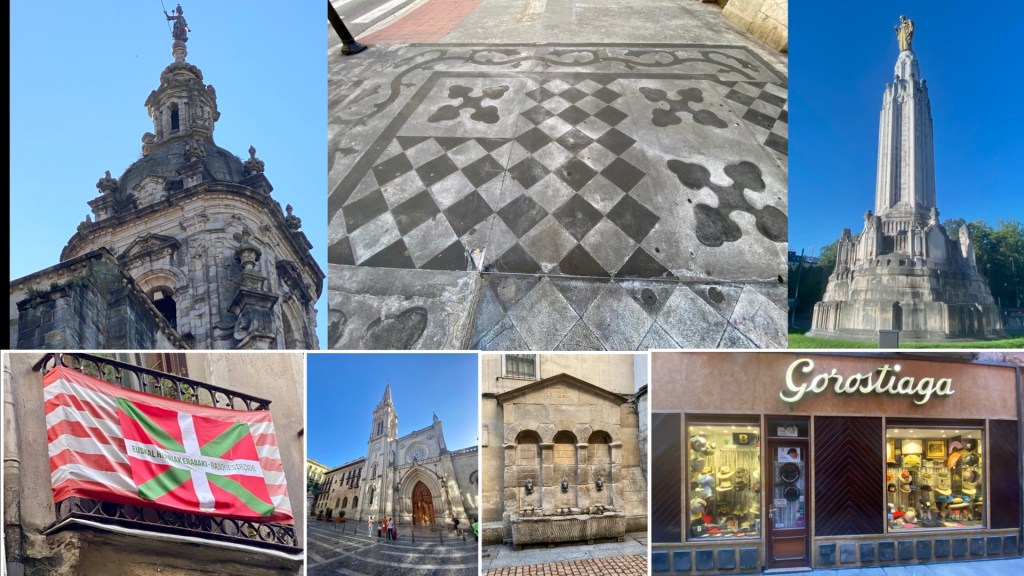
This morning’s tour begins in Bilbao’s medieval Old City, with a charming mix of narrow cobblestone streets and inviting squares.
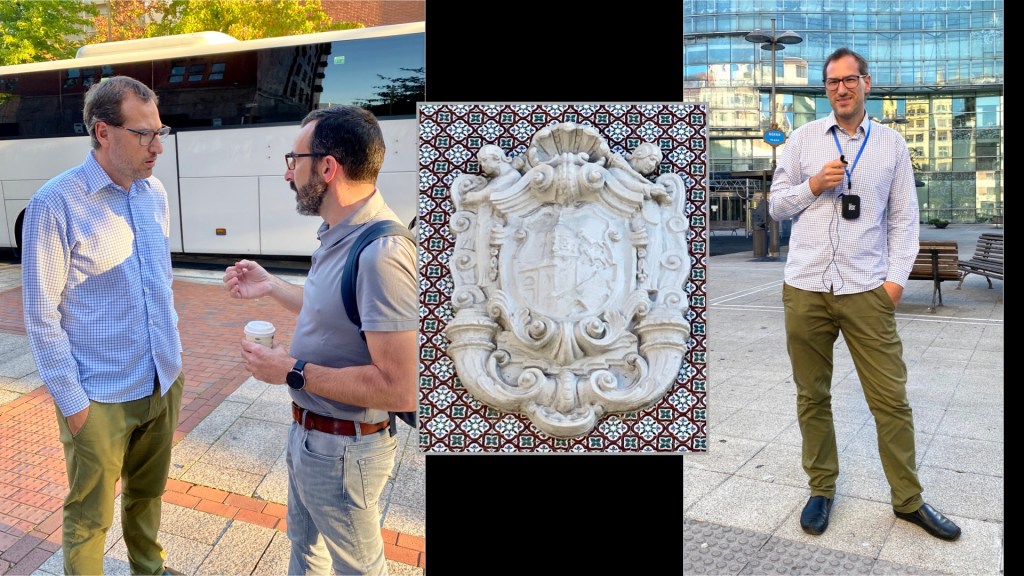
We see the Catedral de Santiago (c. 1379), once a stop on the pilgrimage route to Santiago de Compestela; monumental Plaza Nueva; and busy riverside La Ribera market.
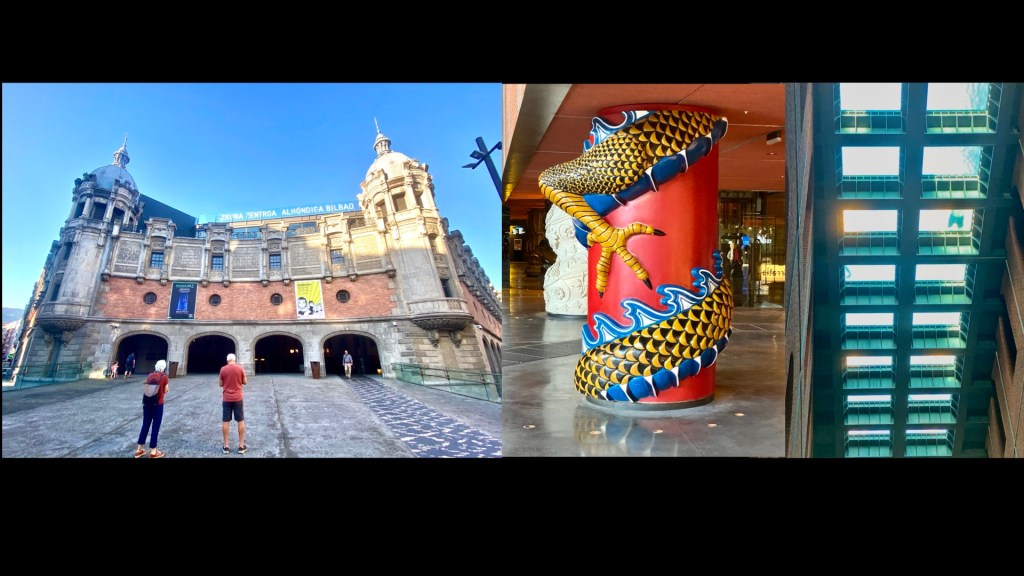
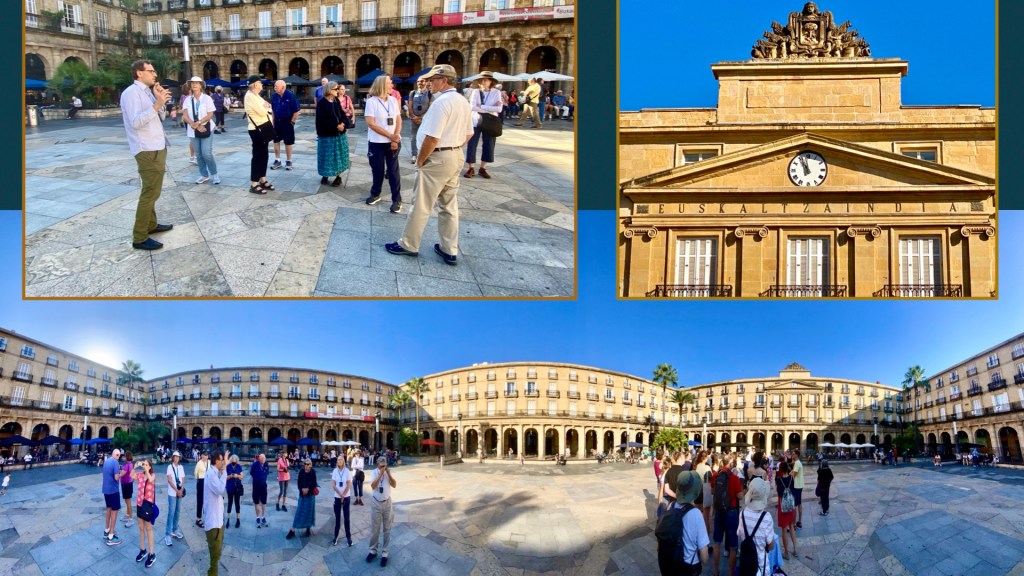
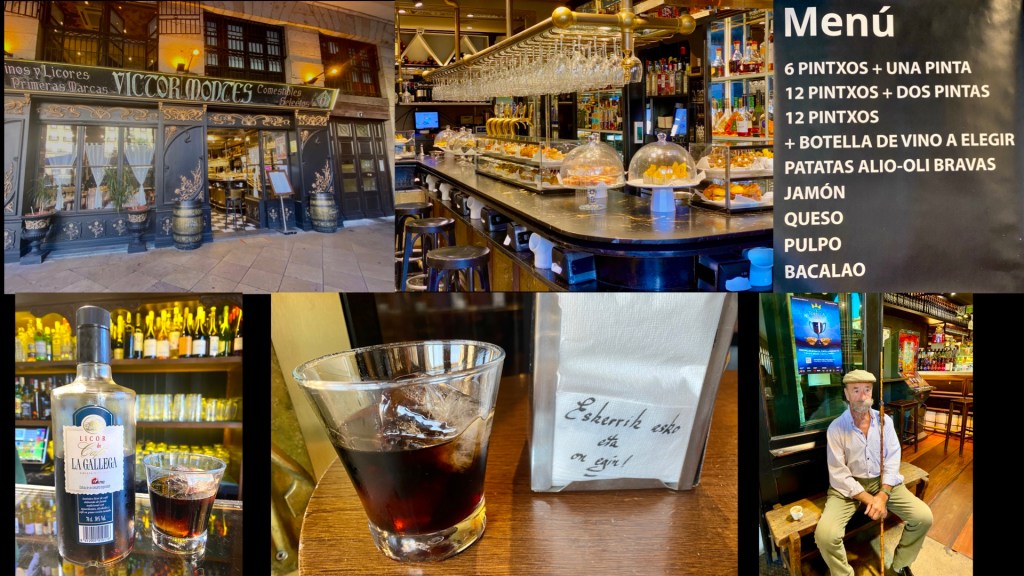
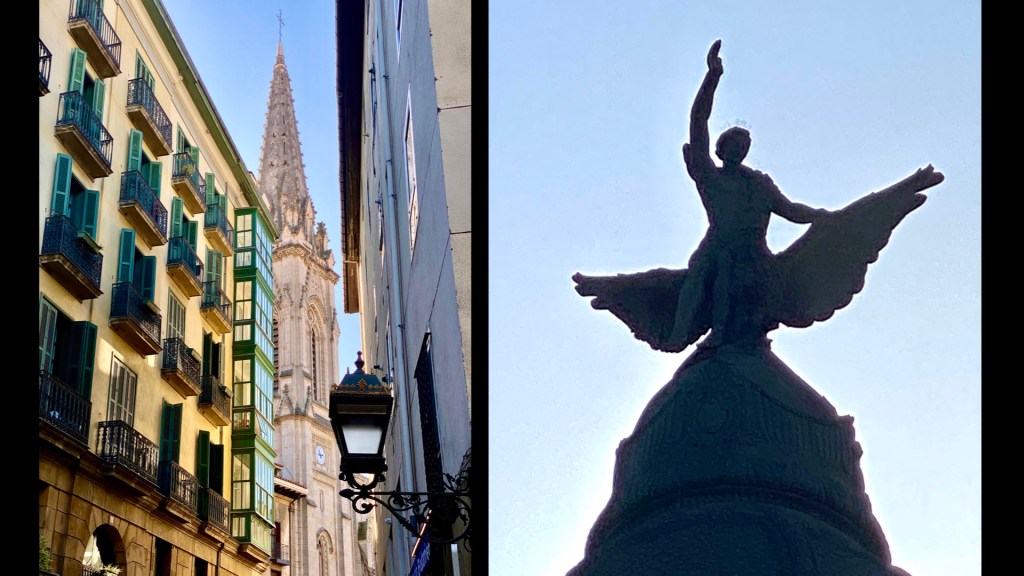
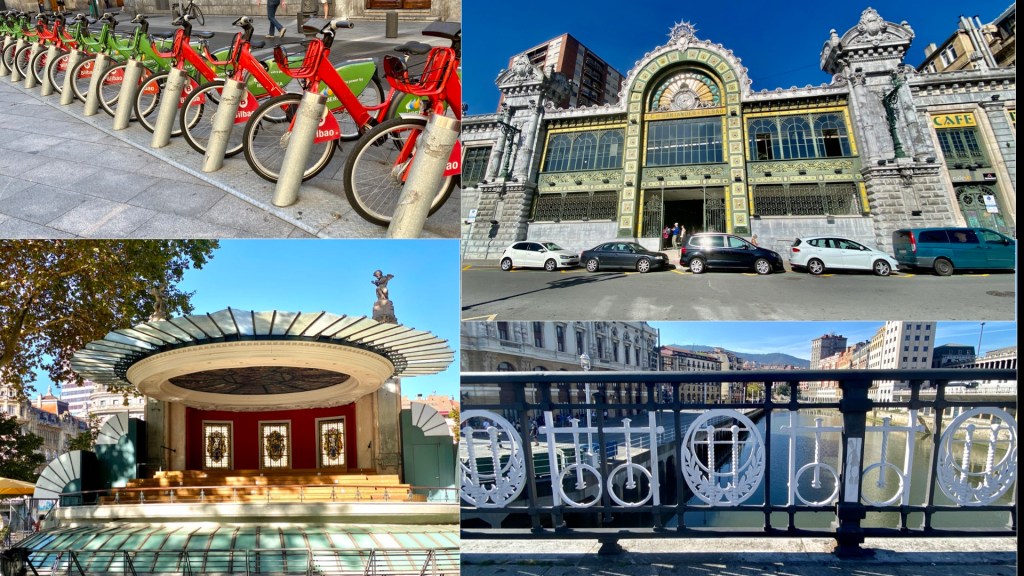
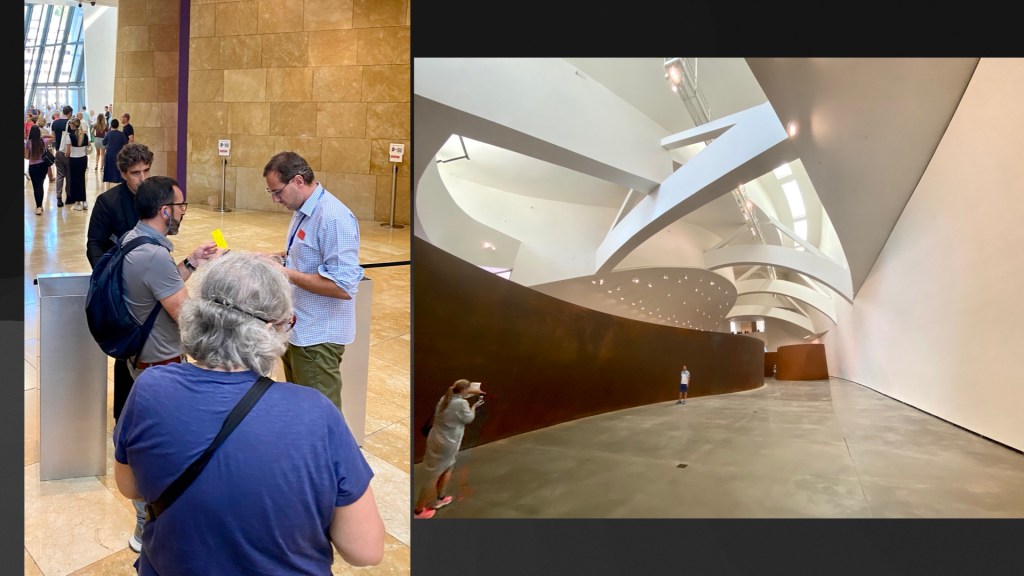
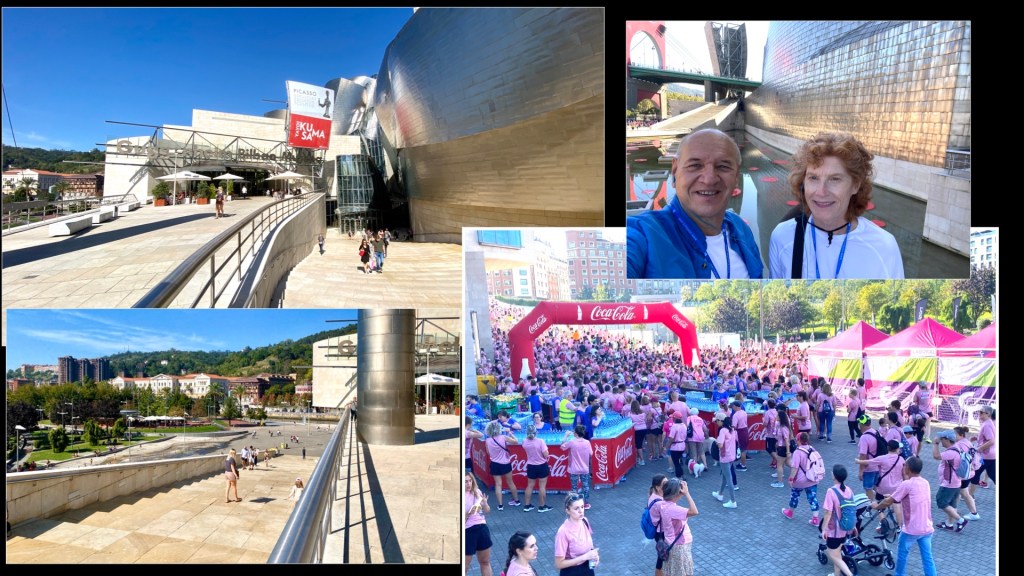
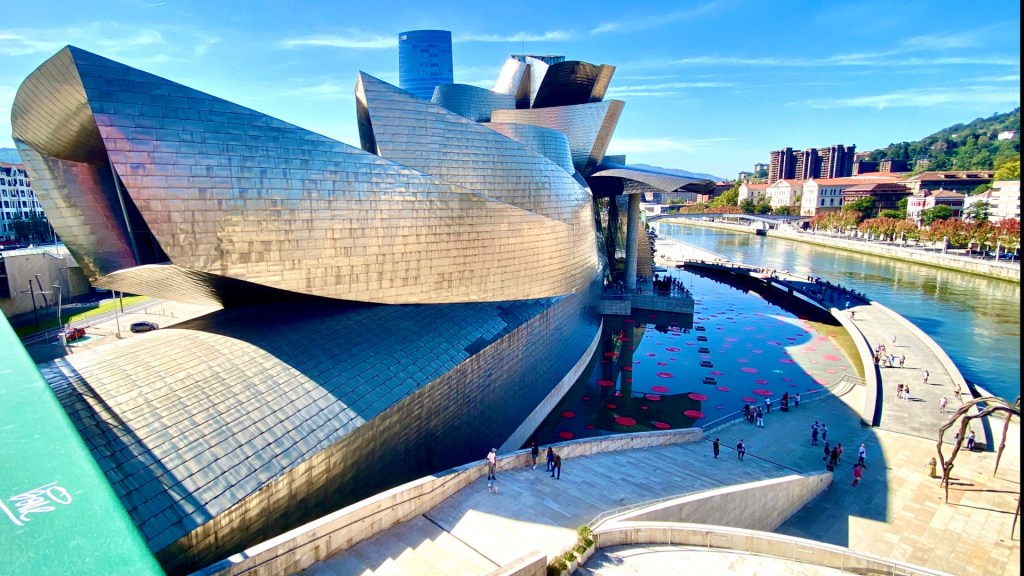
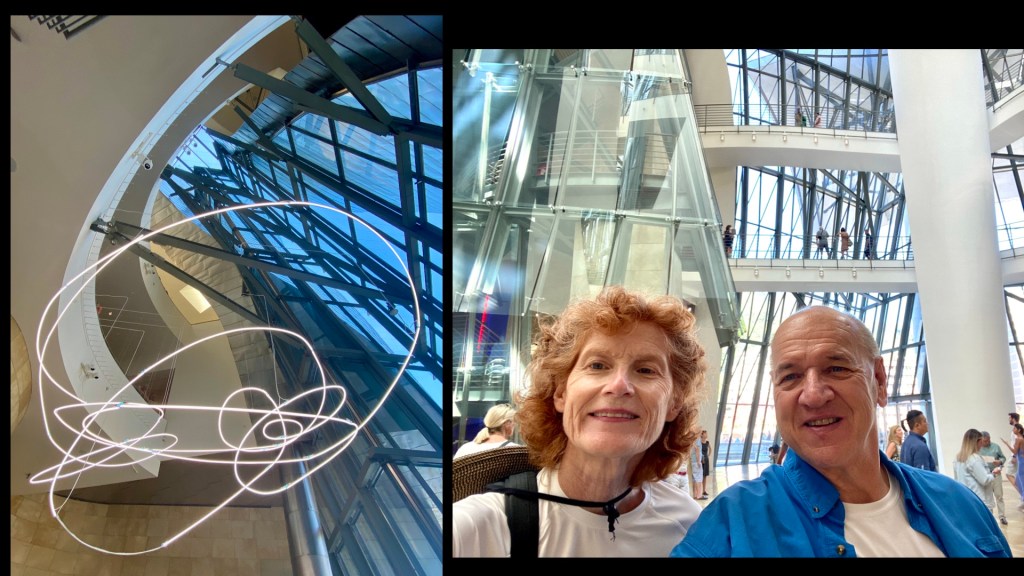
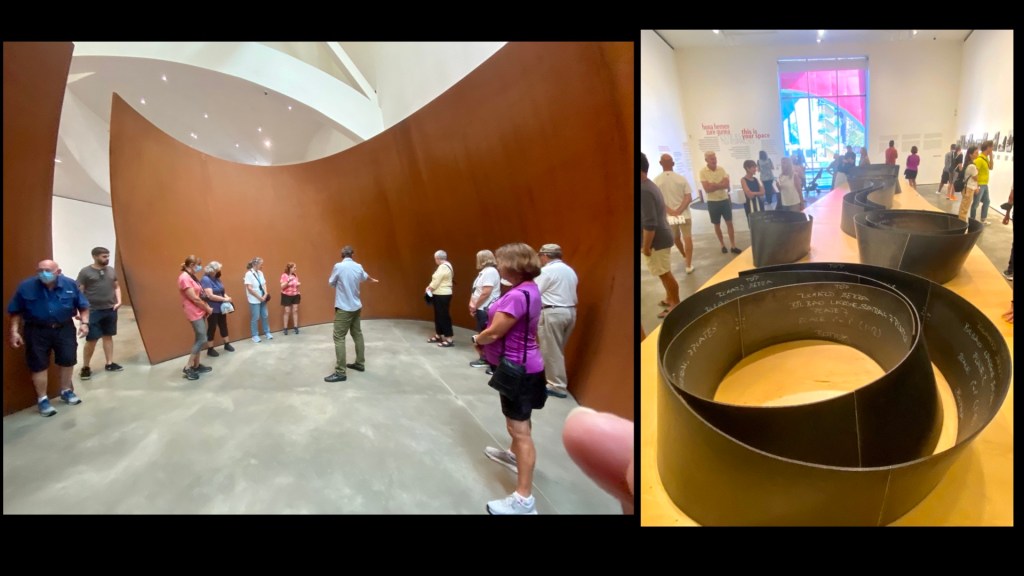
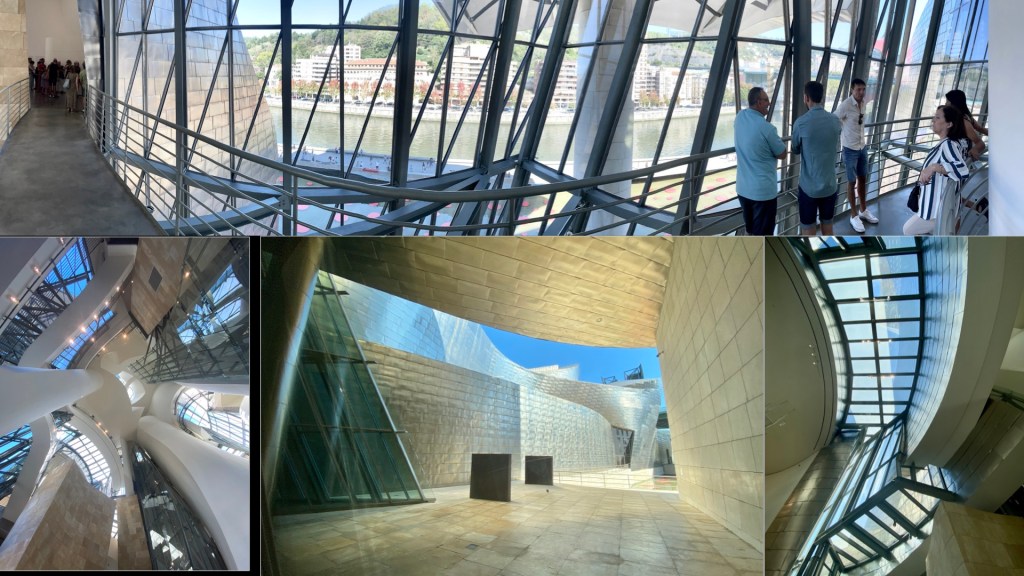
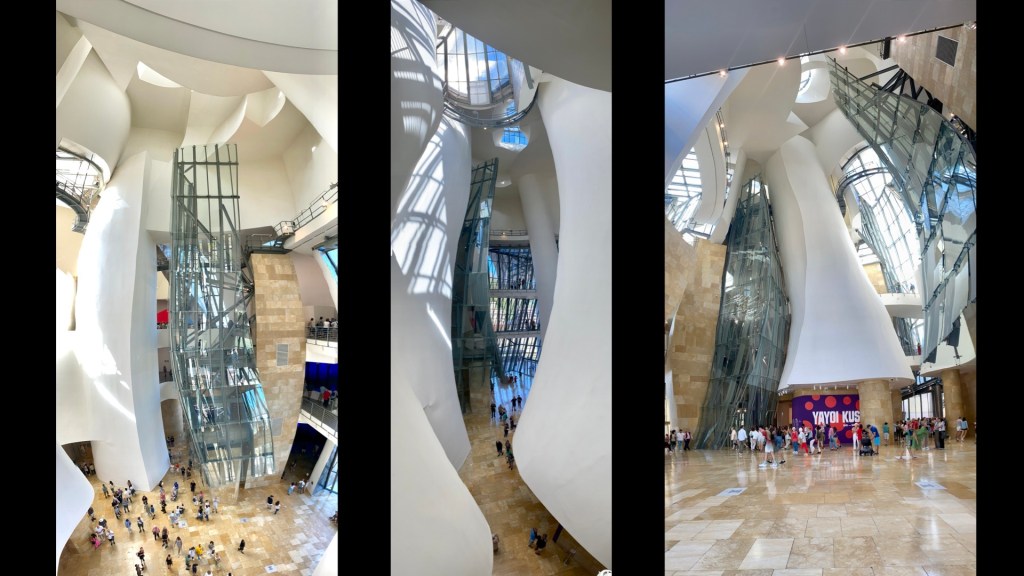
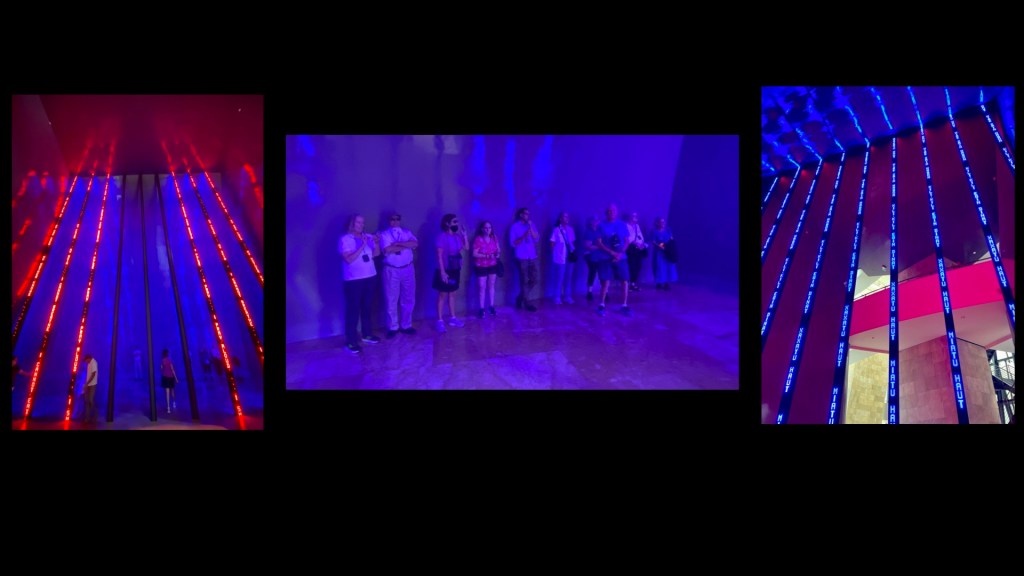
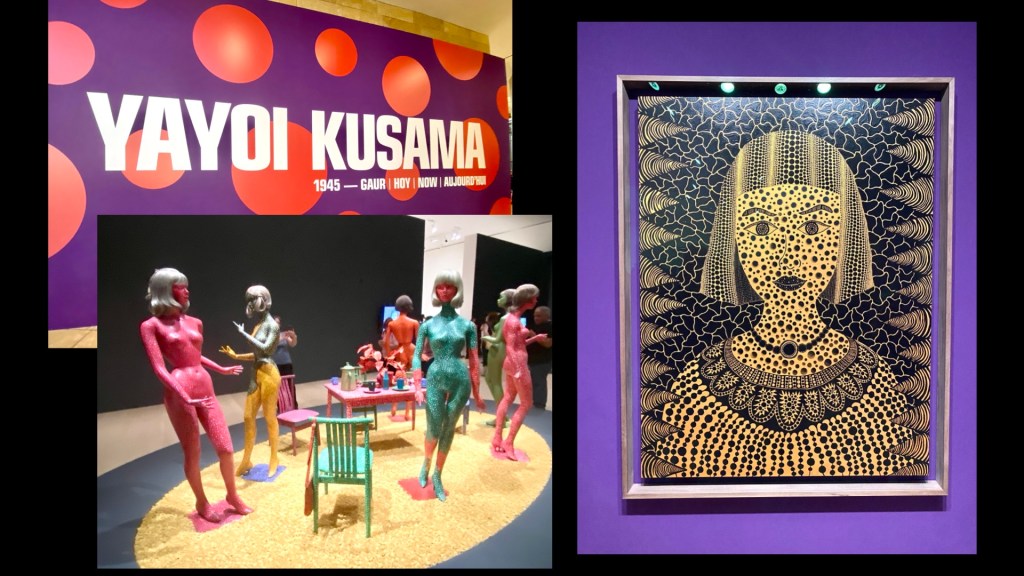
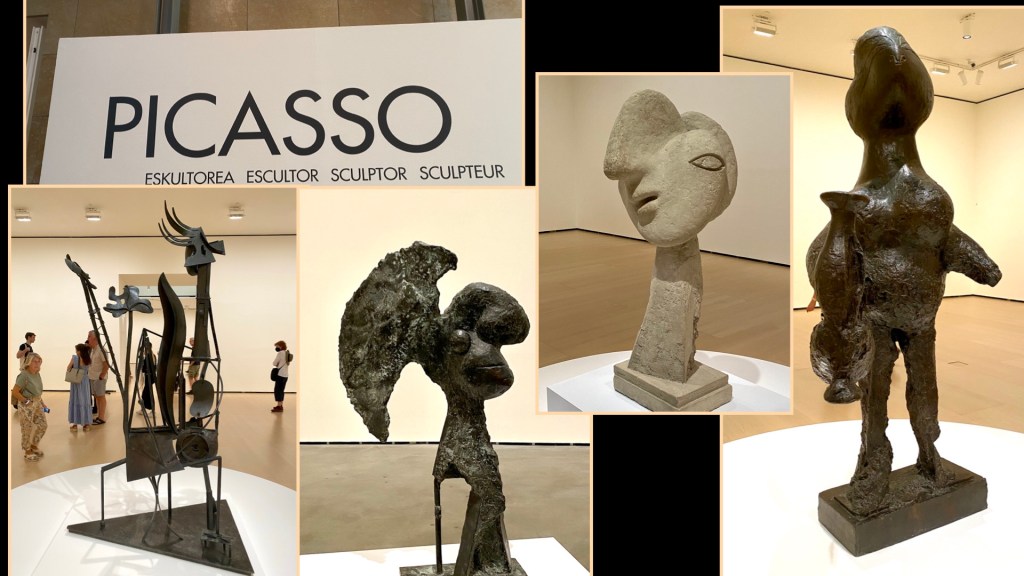
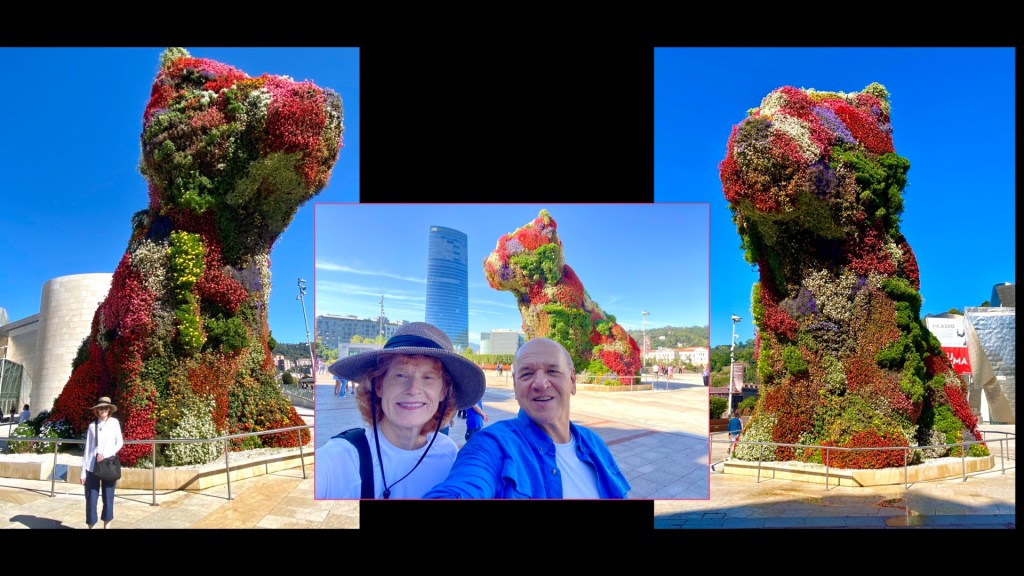
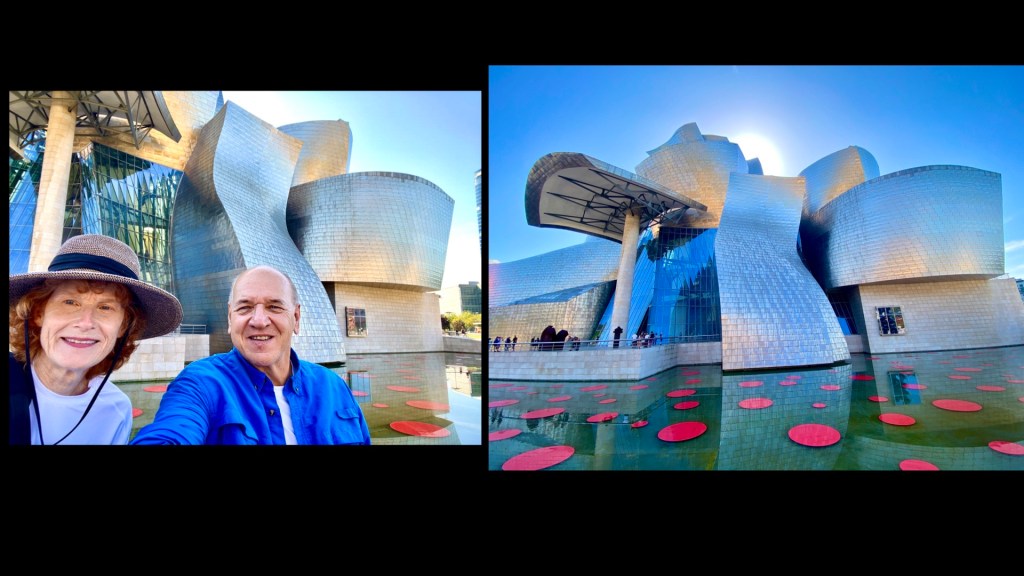
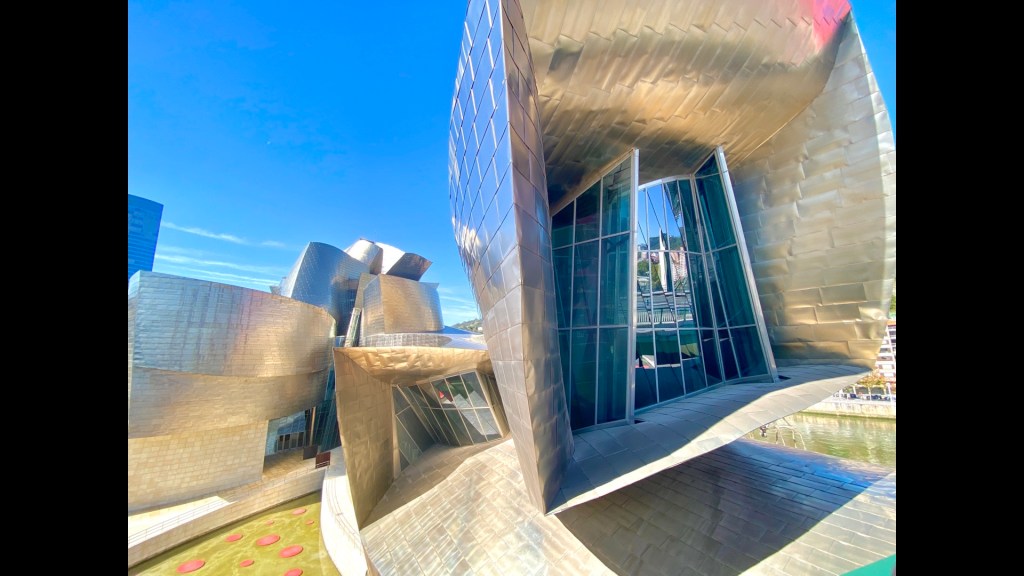
Then our local guide takes us on a tour of the Guggenheim and its contemporary art collection. Designed by award- winning architect Frank Gehry, the jaw-dropping structure of limestone, titanium, and glass has drawn acclaim, attention, and visitors to this popular, revitalized city.


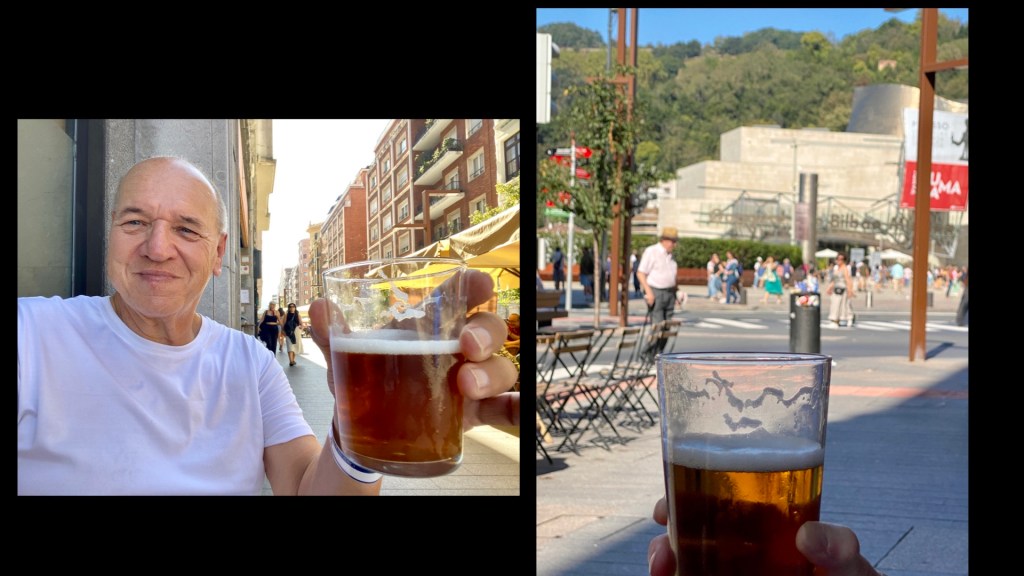
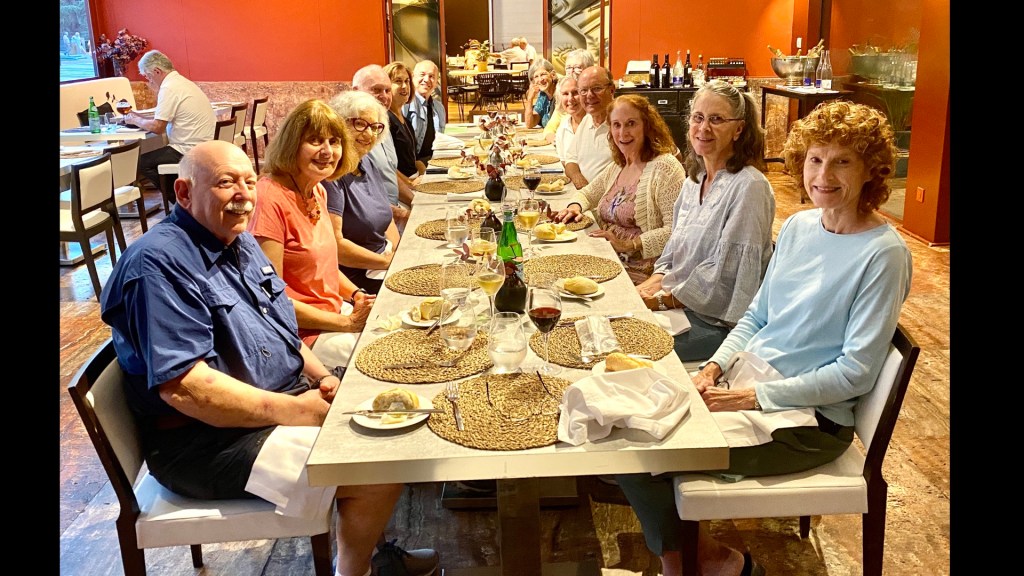
Day 11 Monday 9 October
Bilbao/Basque Country

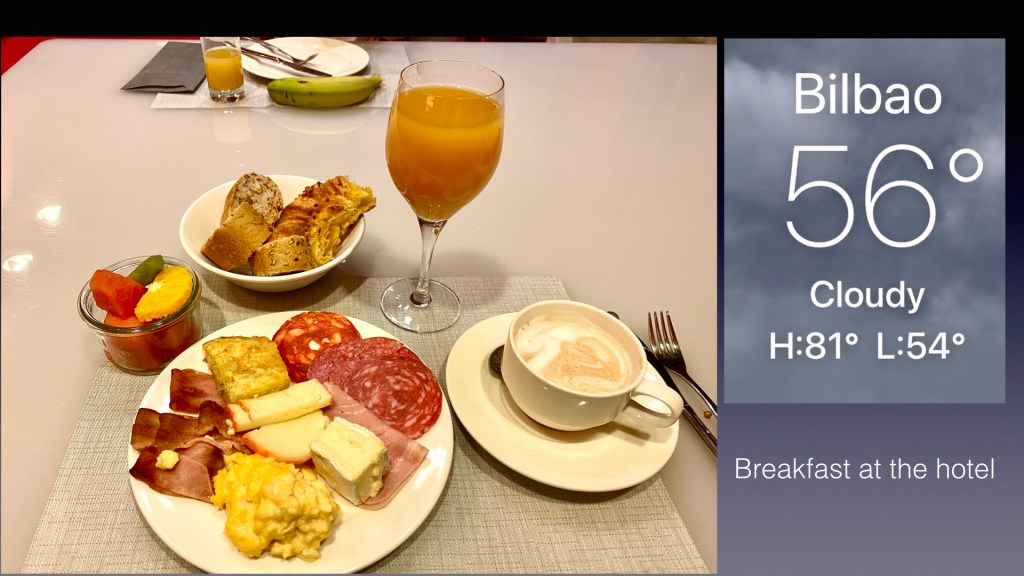
A day-long excursion takes us through countryside historically home to the Basque people of Spain’s Atlantic Coast and western Pyrenees.
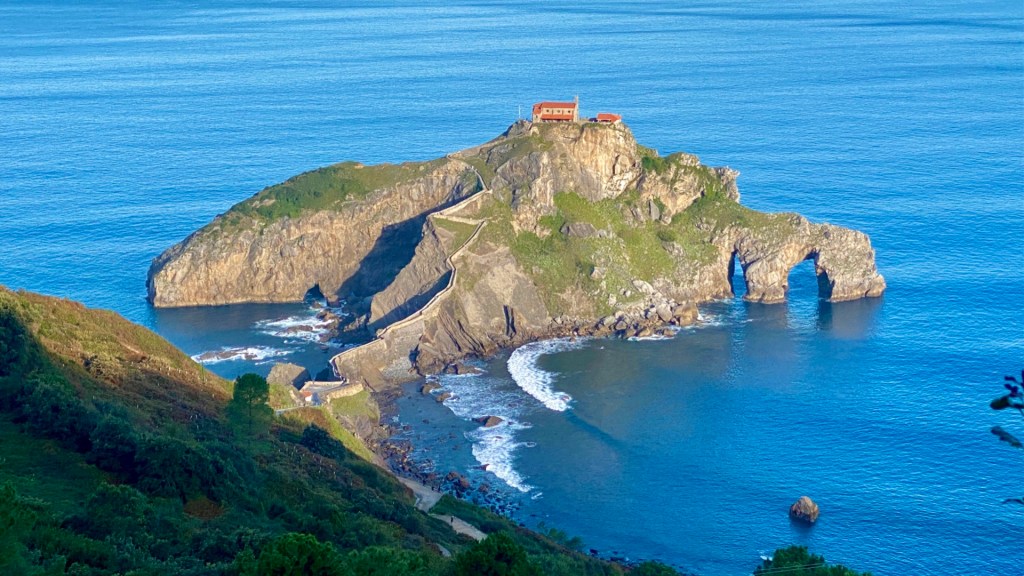
Our first stop is at the picturesque islet of San Juan de Gaztelugatxe, with its 10th-century hermitage dedicated to St. John the Baptist which we view from a distance perched atop the rocky crags.
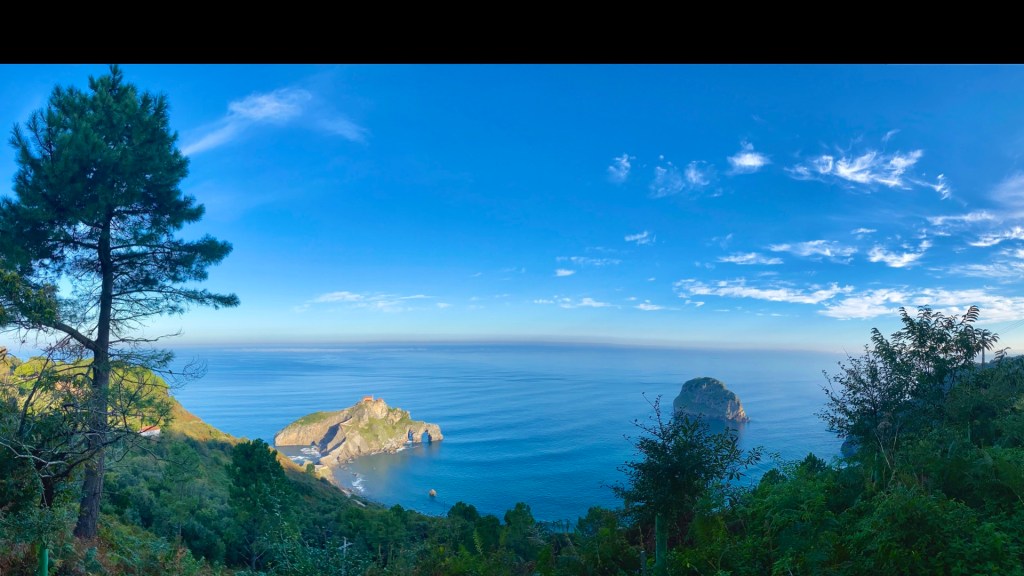
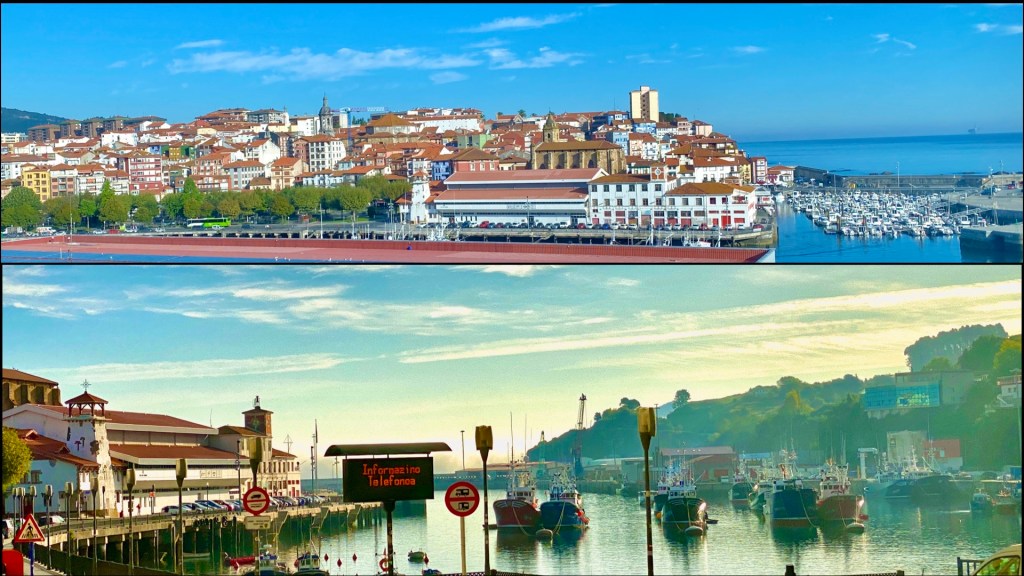
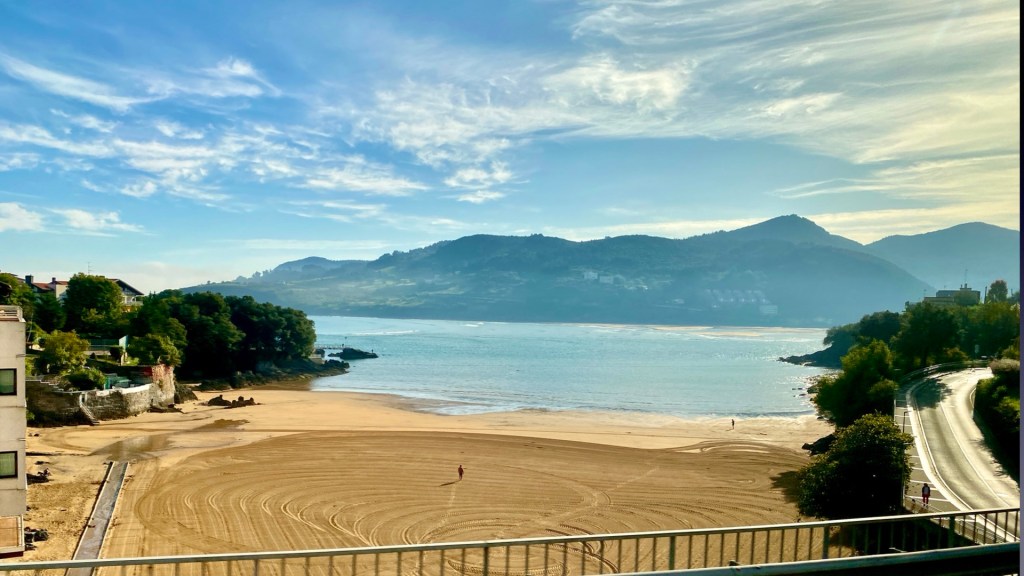
We then drive along the coast, passing through the key fishing town of Bermeo and the town of Mundaka, a surfing haven famous for its “left wave.” Here we enjoy magnificent views of the Urdaibai Biosphere Reserve of streams and a salt marsh surrounded by sheer cliffs.

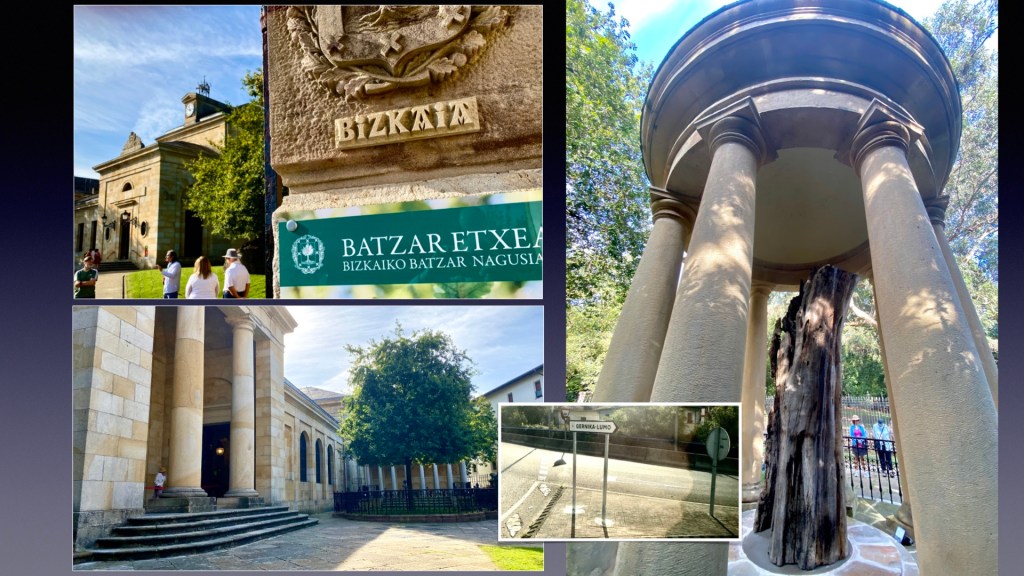
Our next stop is a poignant one: Gernika (Guernica), heart of the Basque region and the town razed by Nazi bombing in 1937 during the Spanish Civil War that was immortalized in the namesake painting by Pablo Picasso. Here we visit two cherished symbols of democracy and self-governance for the Basque people – the Assembly House and the storied Tree of Gernika, a descendant of the tree under which representatives from each Biscayan village met to formulate provincial laws.

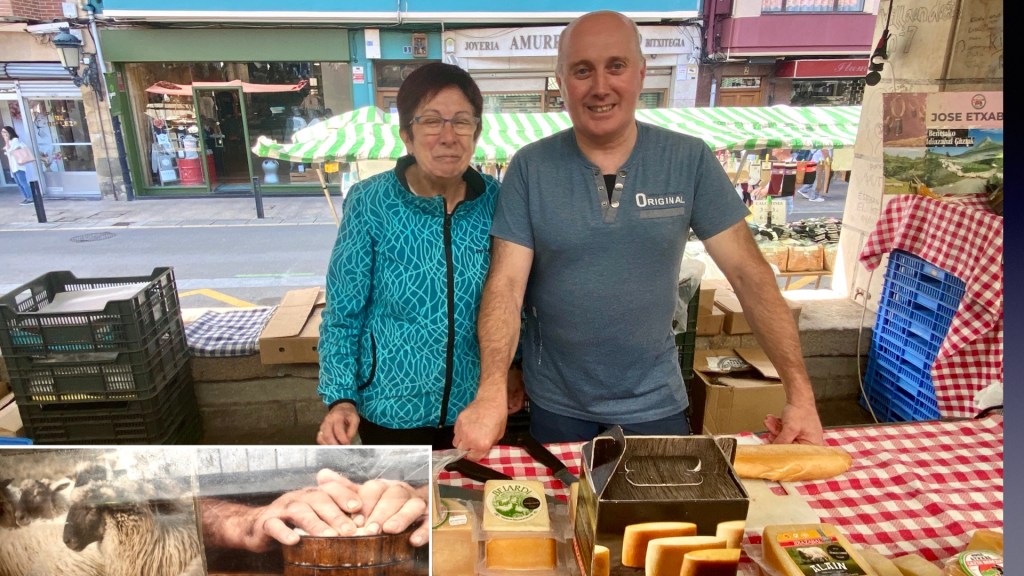
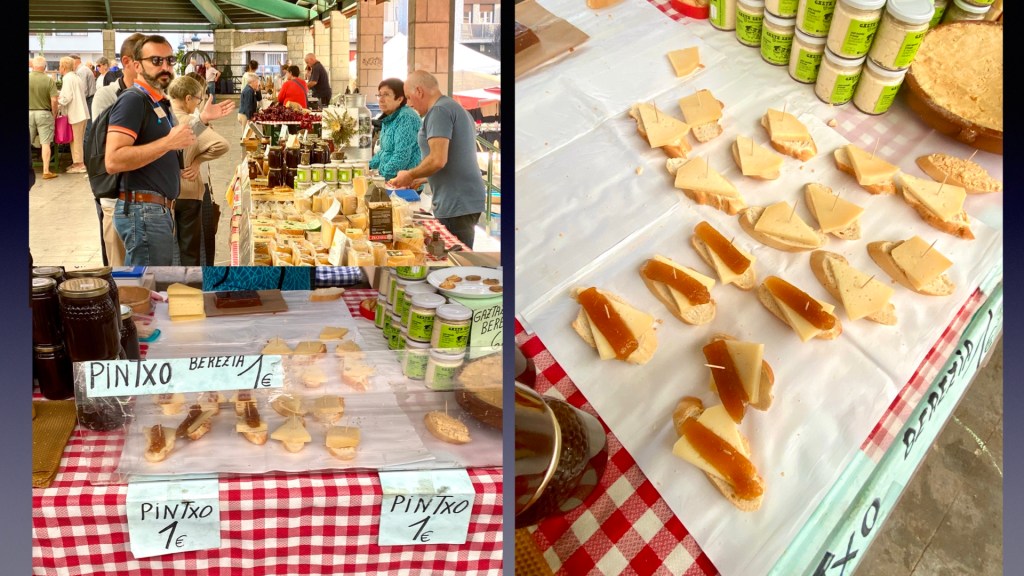
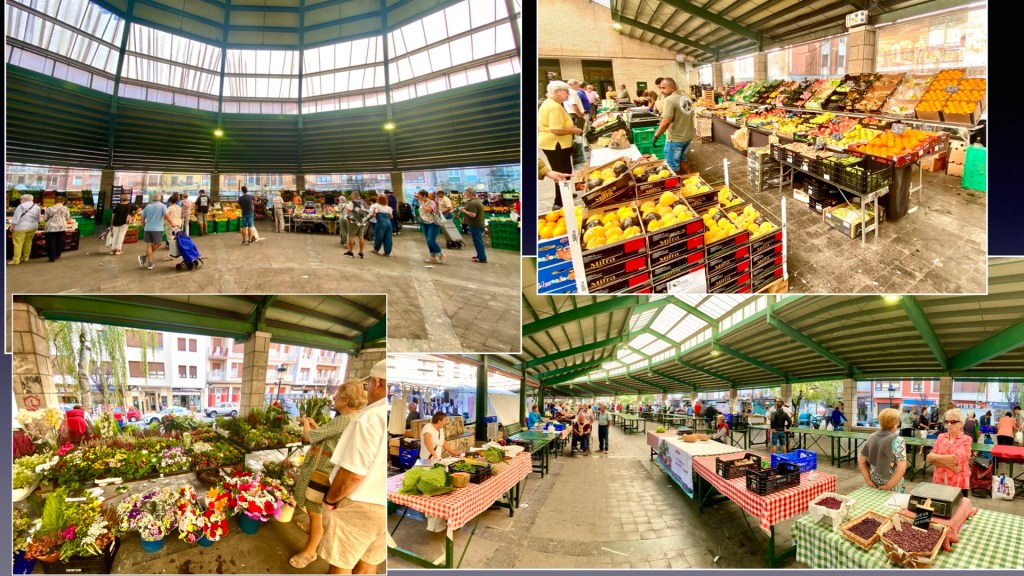
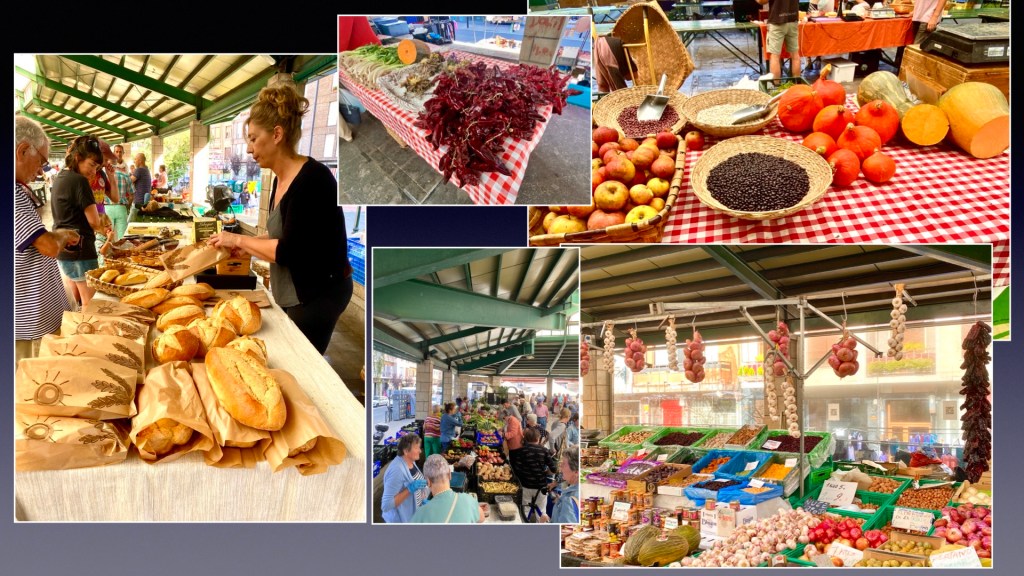
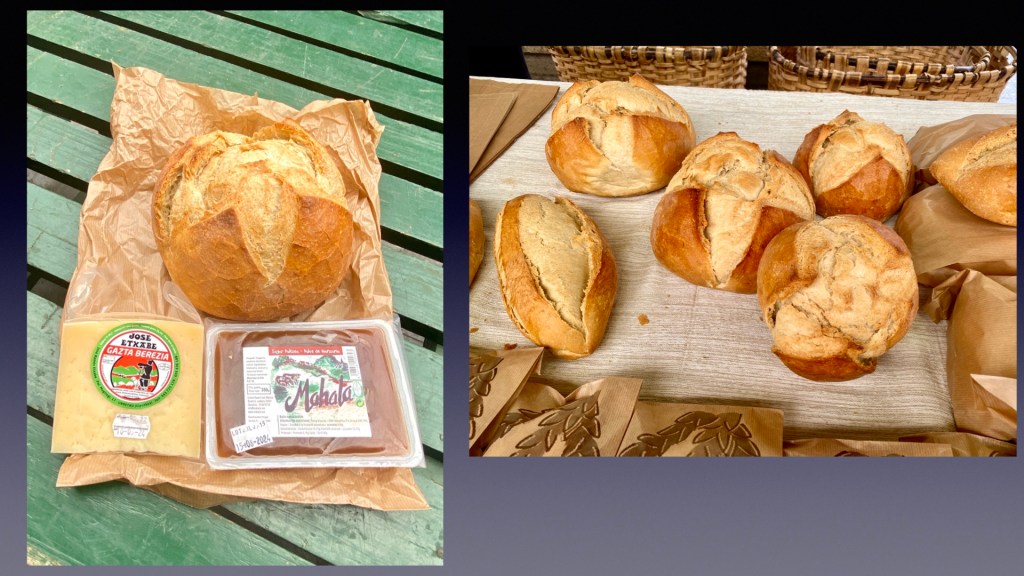
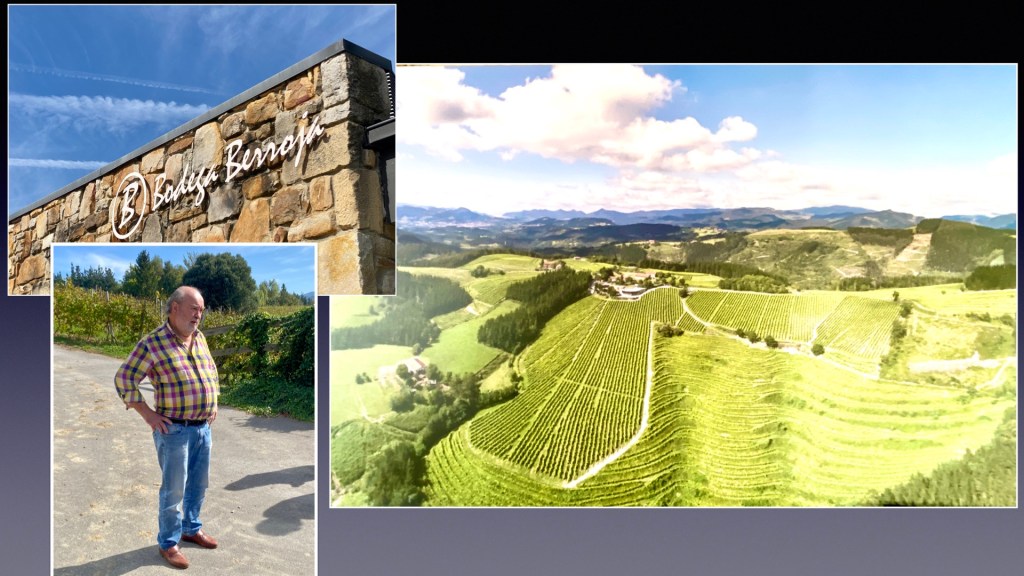
We continue to a winery to sample the Basque coast’s unique Txakoli wine, grown in vineyards overlooking the sea. Traditionally only made for local consumption, Txakoli began to gain broader recognition in the late 1980s.
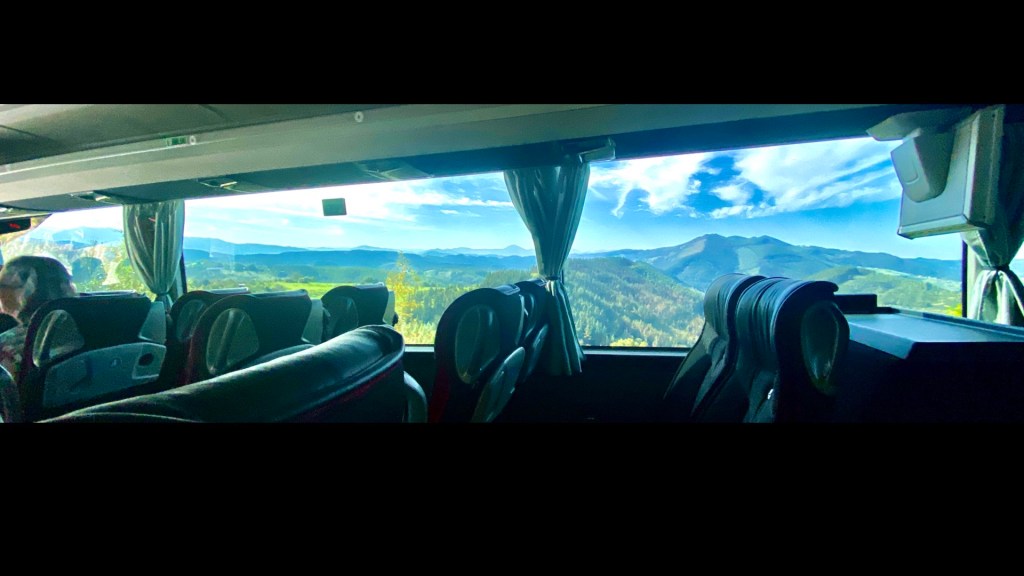

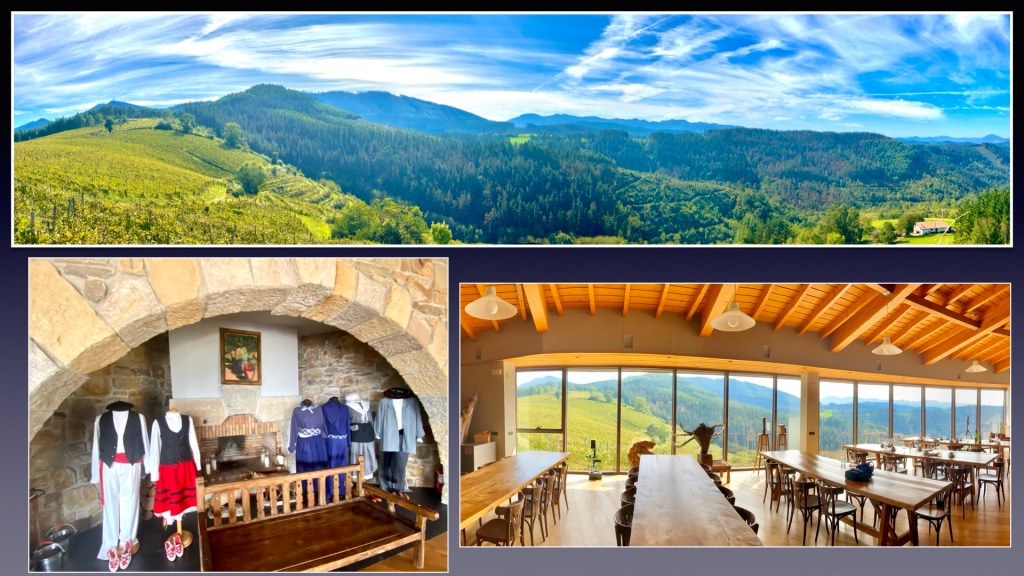
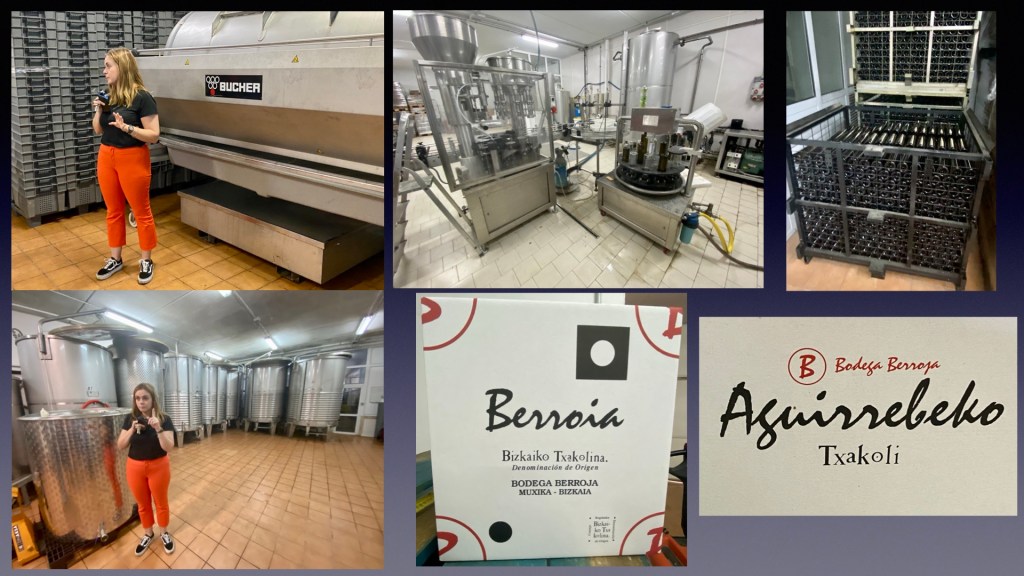
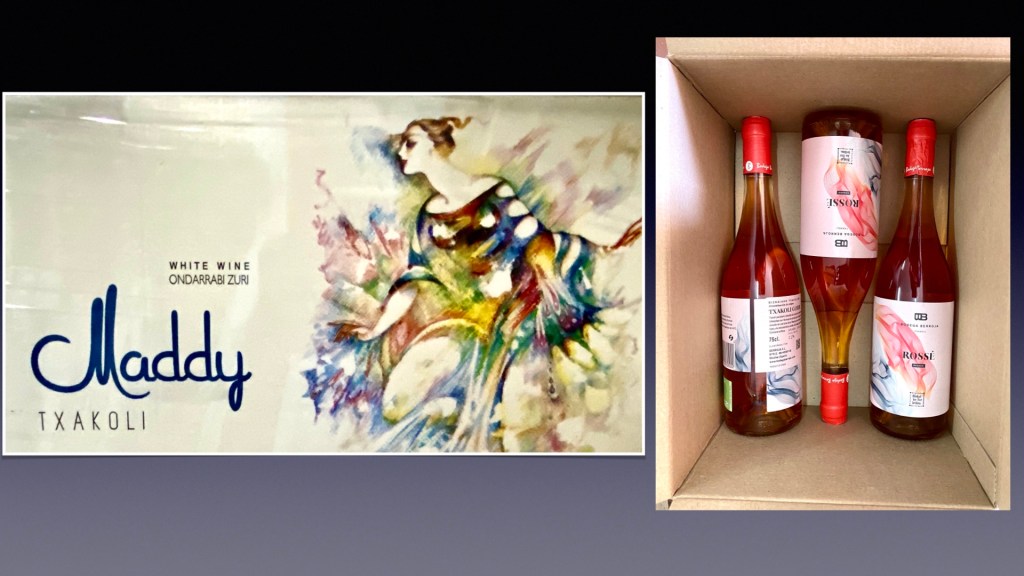
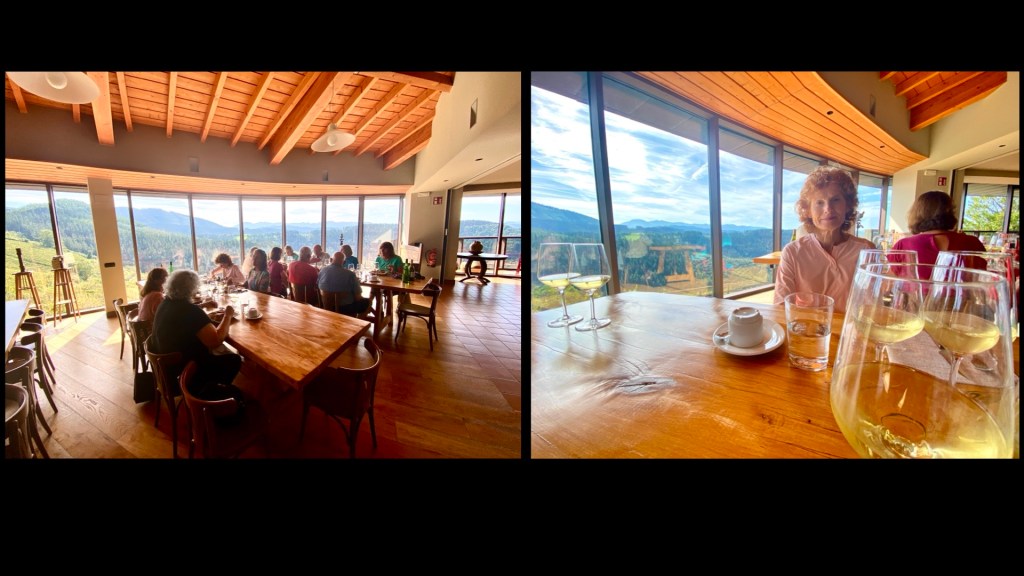
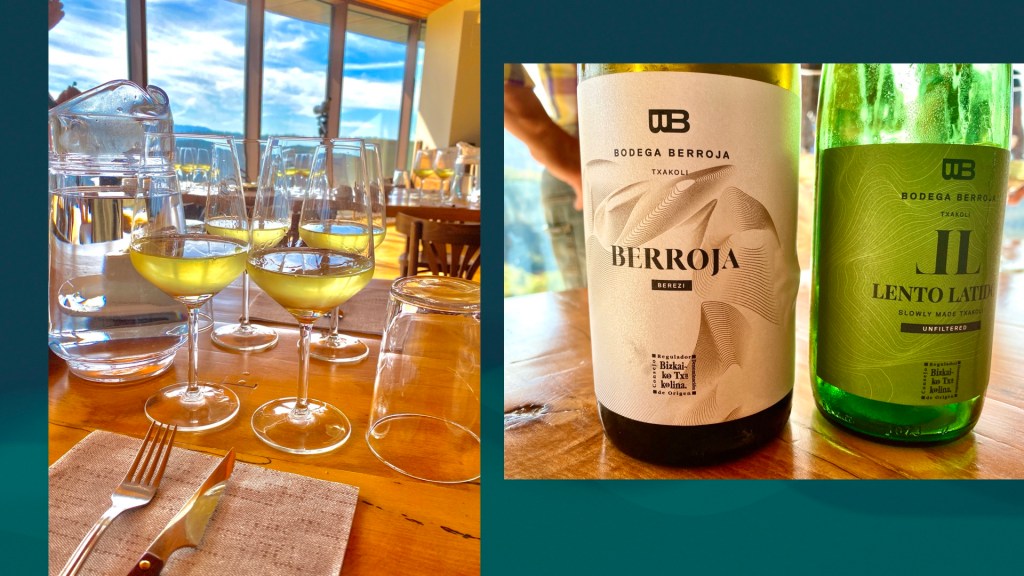

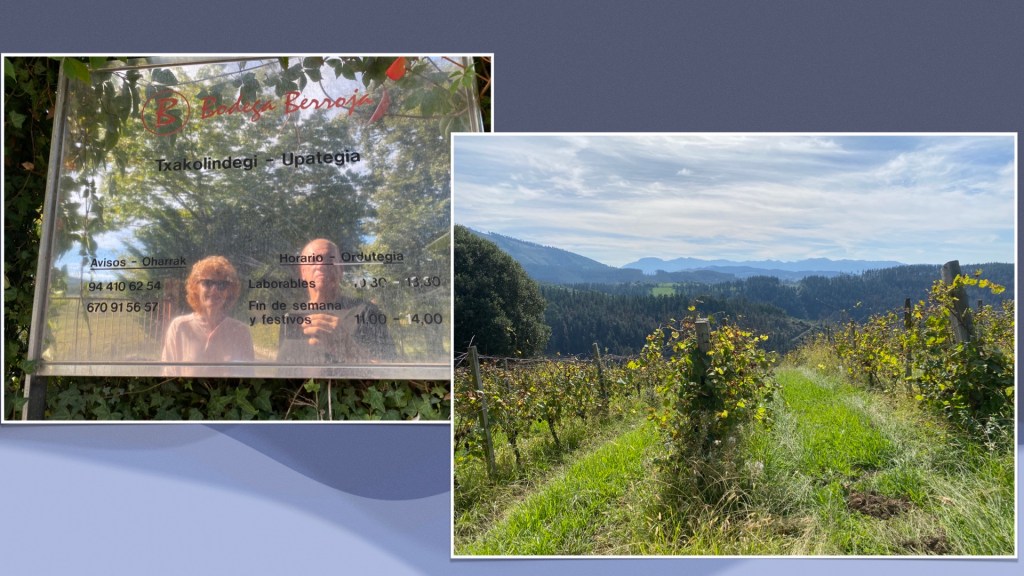
Following our tasting, we enjoy a lunch of pintxos, the Navarre region’s signature tapas, at the winery.
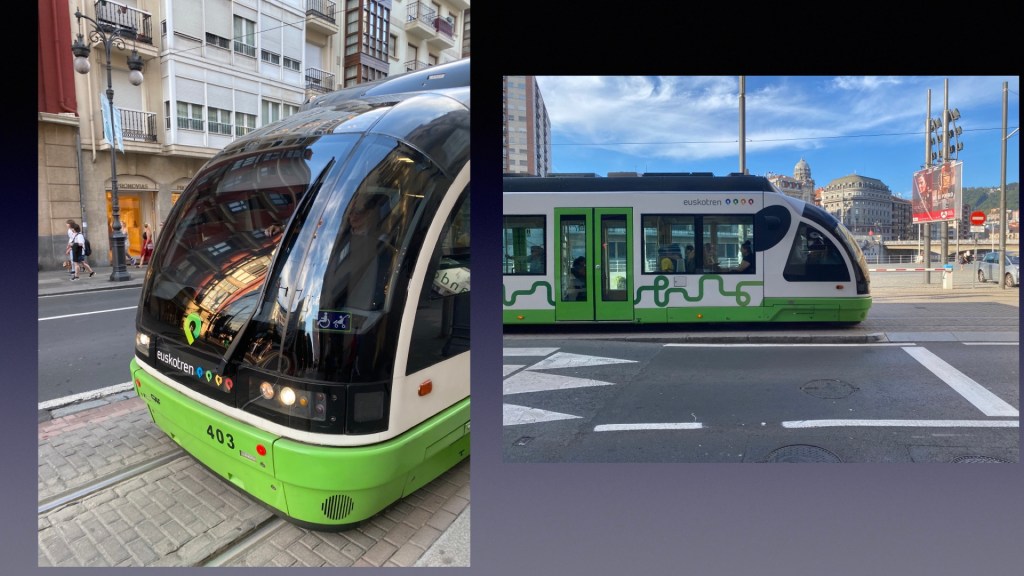
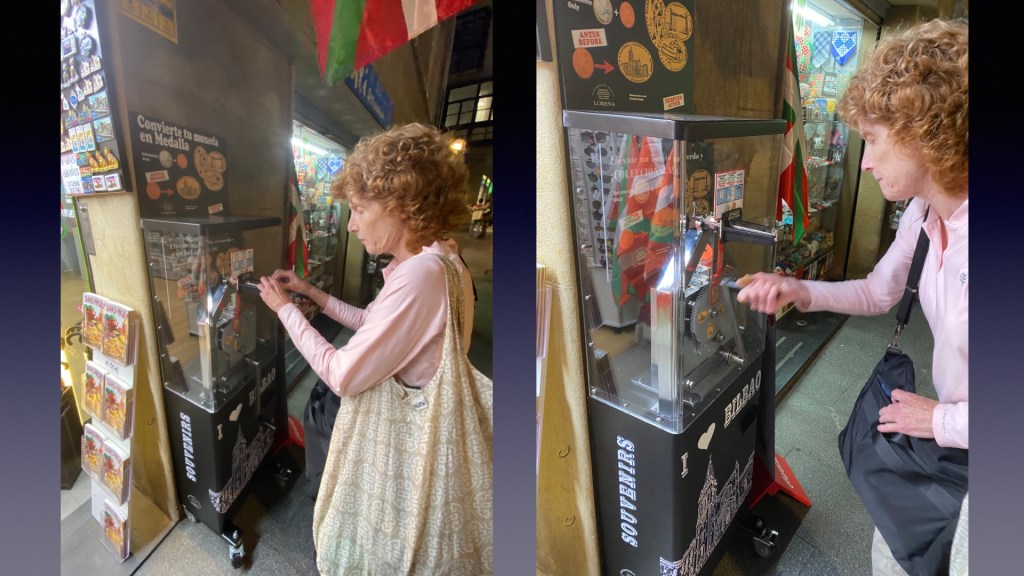
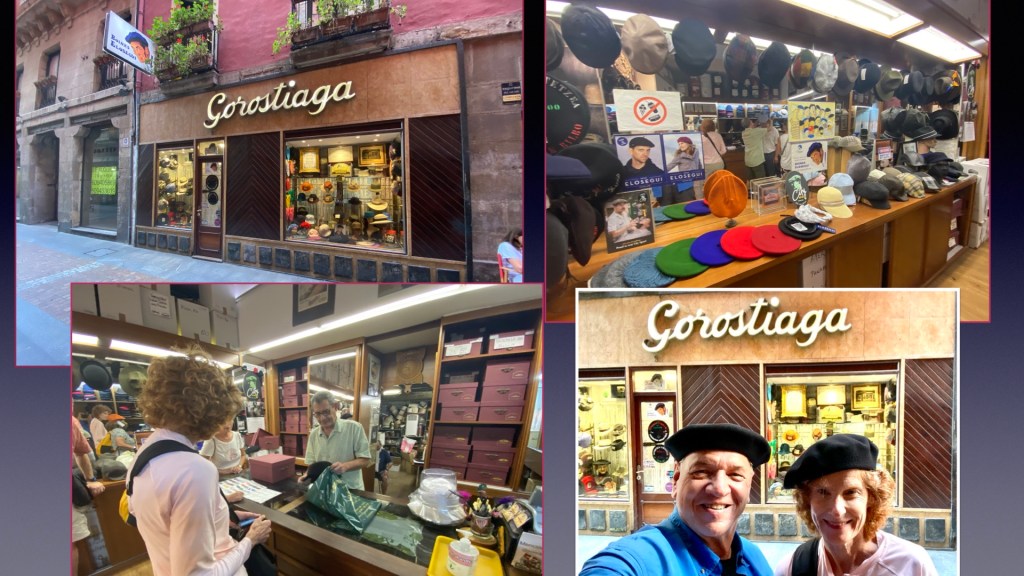
Our full day of Basque country touring complete, we return to our hotel and have the remainder of our evening free with dinner on our own
Day 12 Tuesday 10 Oct
Pamplona/Bielsa
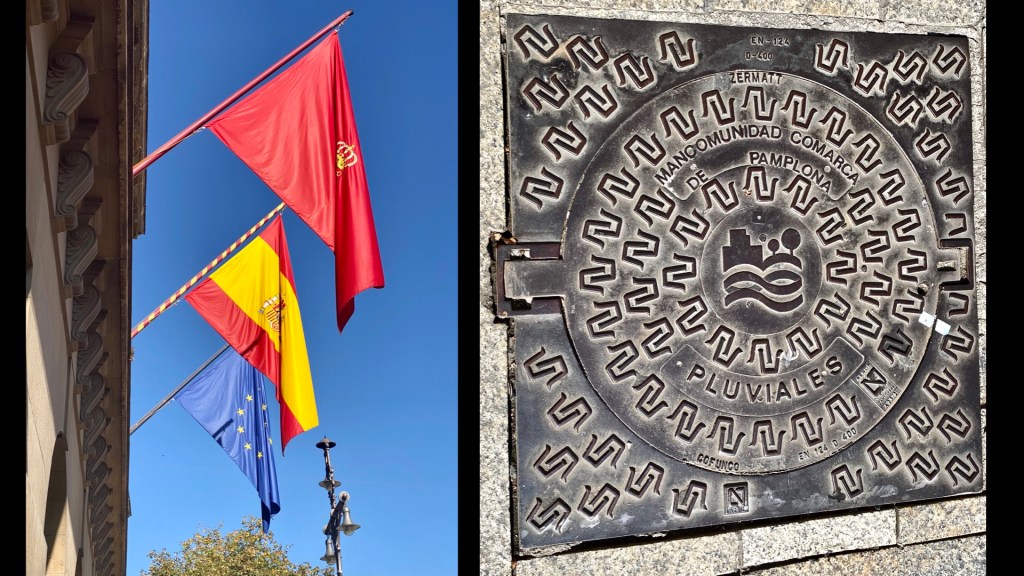
We travel today to Bielsa in the Pyrenees region, stopping en route in fabled Pamplona, known for its annual Encierro – better known as the Running of the Bulls. Hemingway’s The Sun Also Rises helped publicize a practice that began in the 16th century of running bulls the half-mile from Pamplona’s corral to its bullfighting ring.
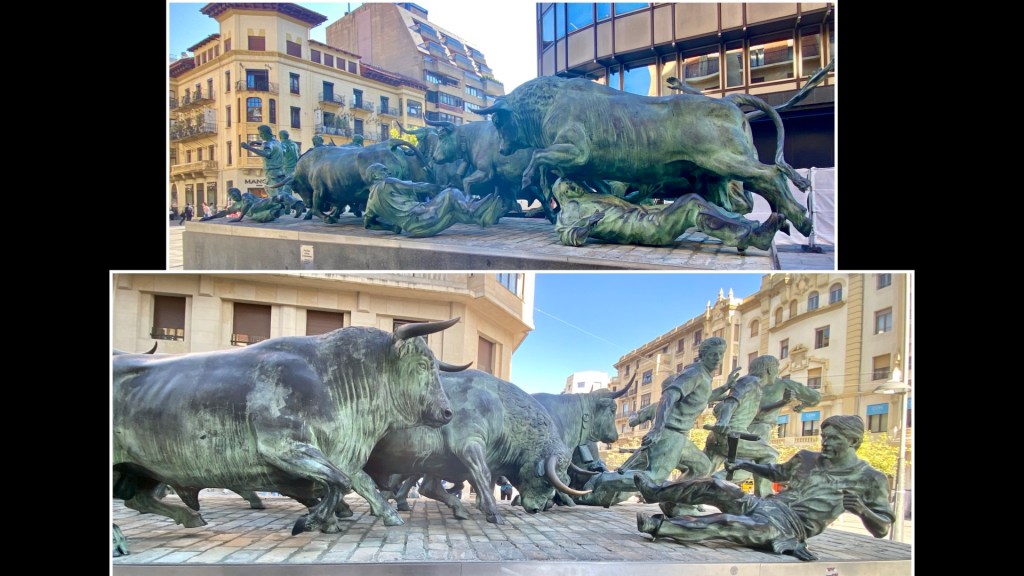
Our tour here features the striking Monument to the Encierro, a bronze sculpture created by Bilbao artist Rafael Huerta to commemorate the bulls and thousands of daring participants – 15 of whom have died since 1910 – that run daily during the annual festival of San Fermin from July 7–14.

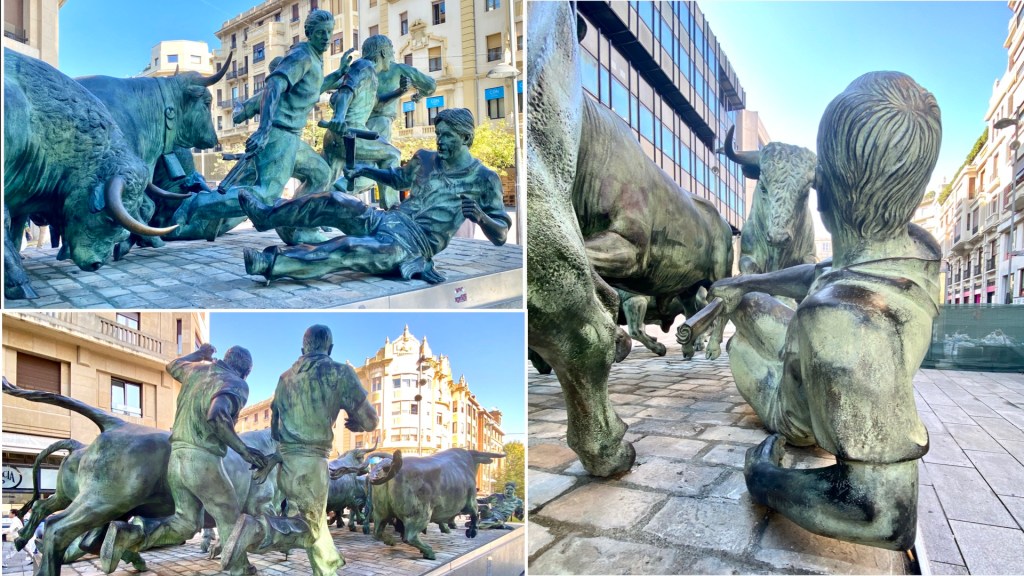
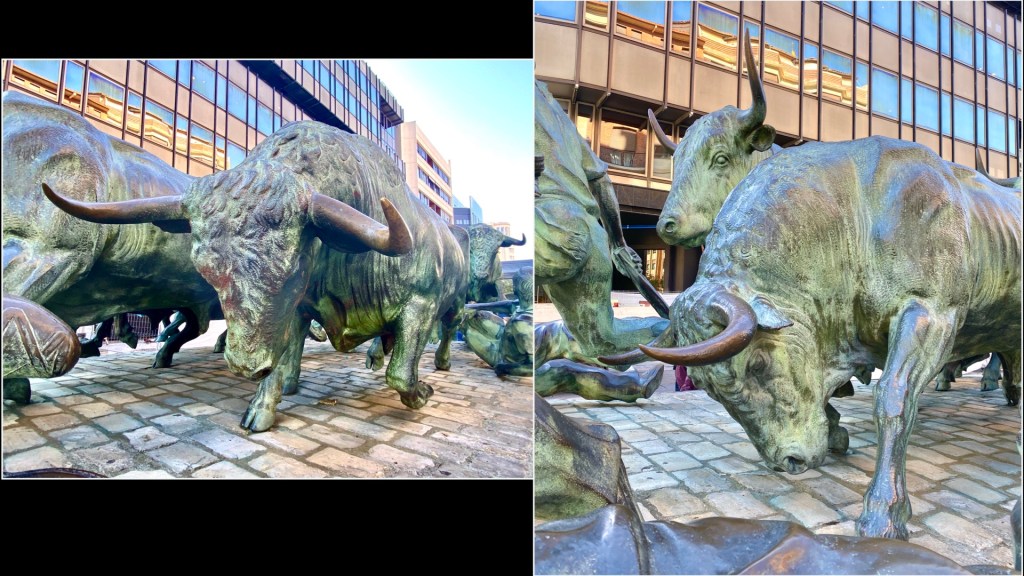
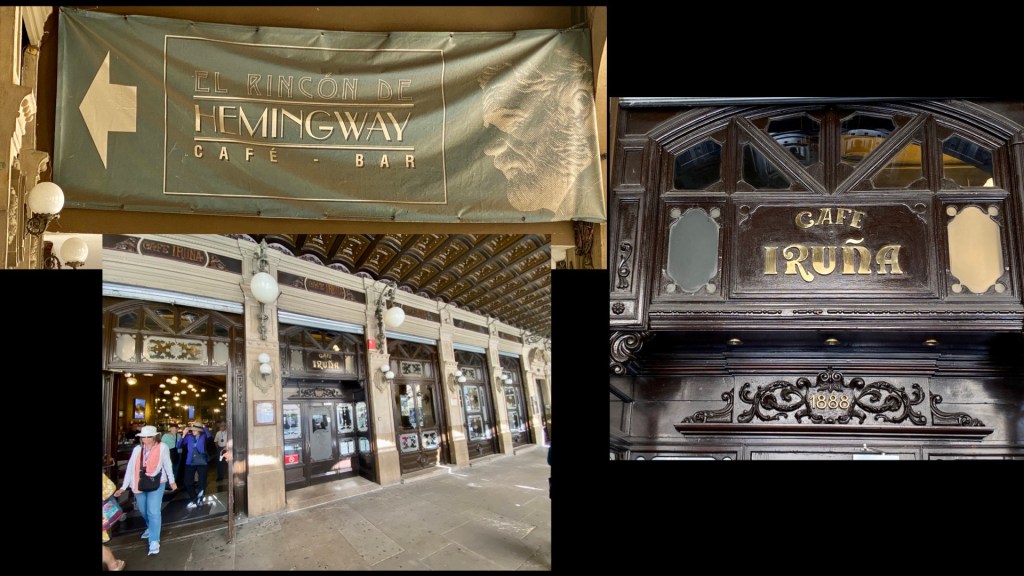
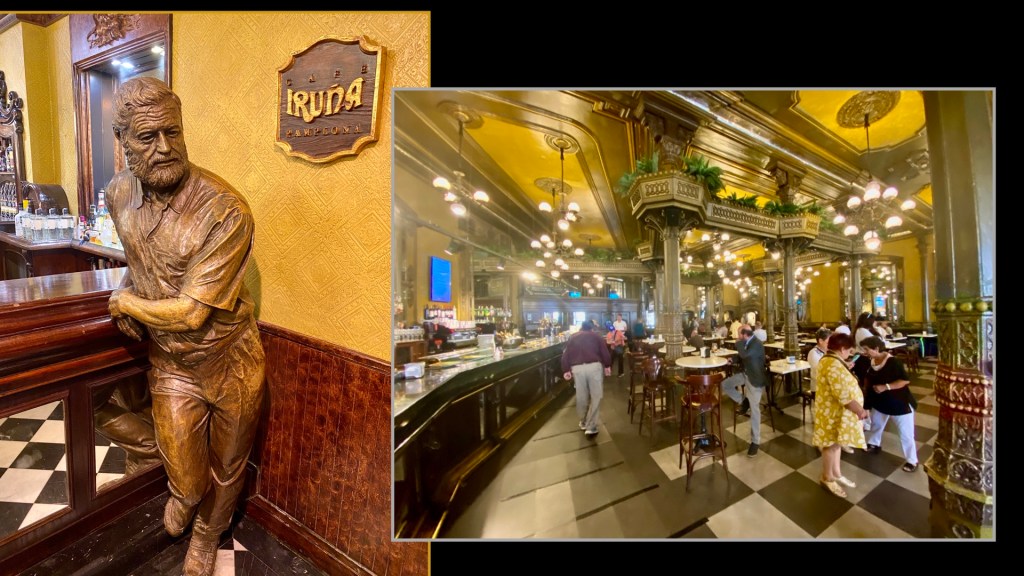
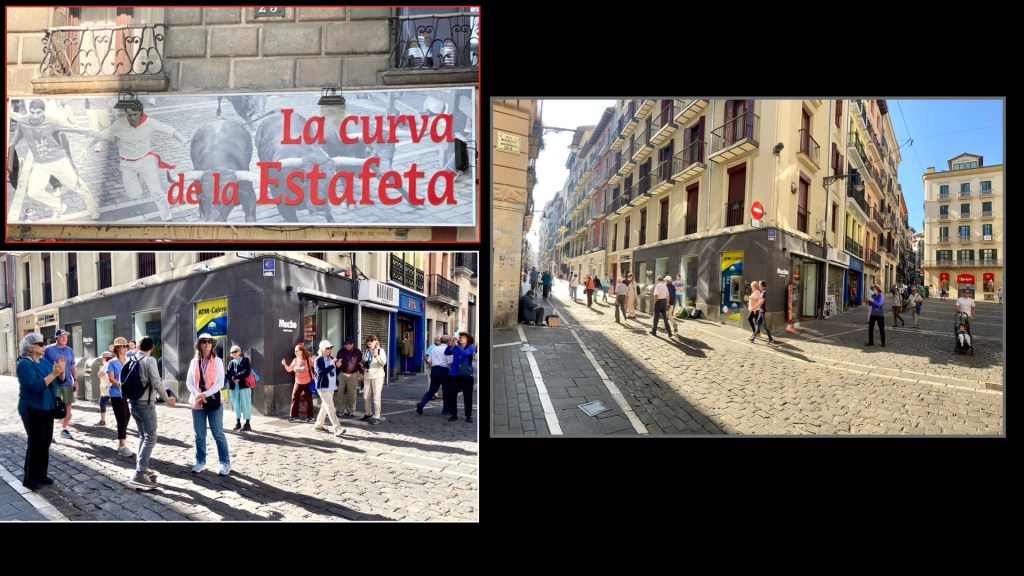

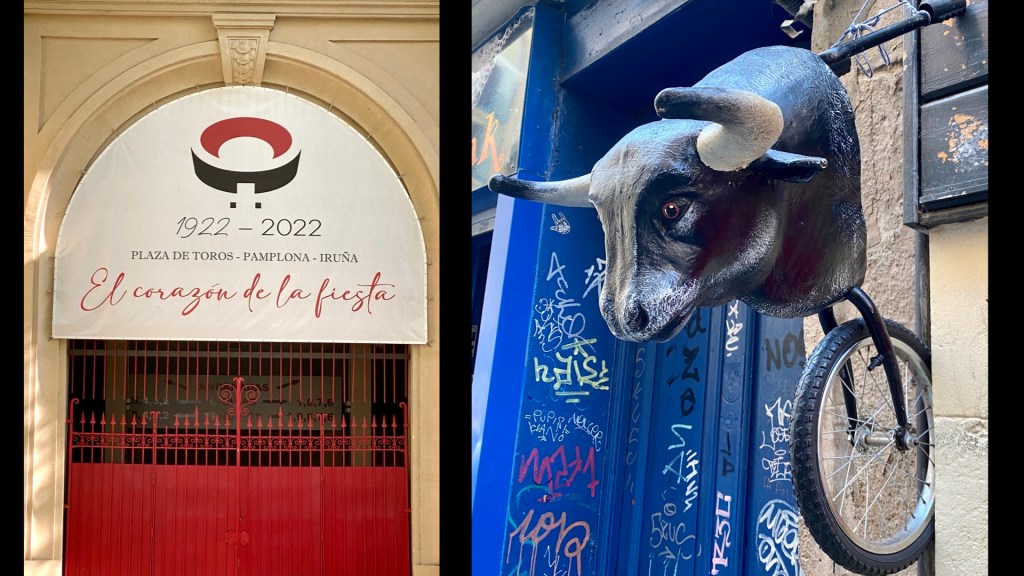
For lunch on our own, we have the opportunity to sample the local pintxos – perhaps at multiple establishments as the Pamplonans do.
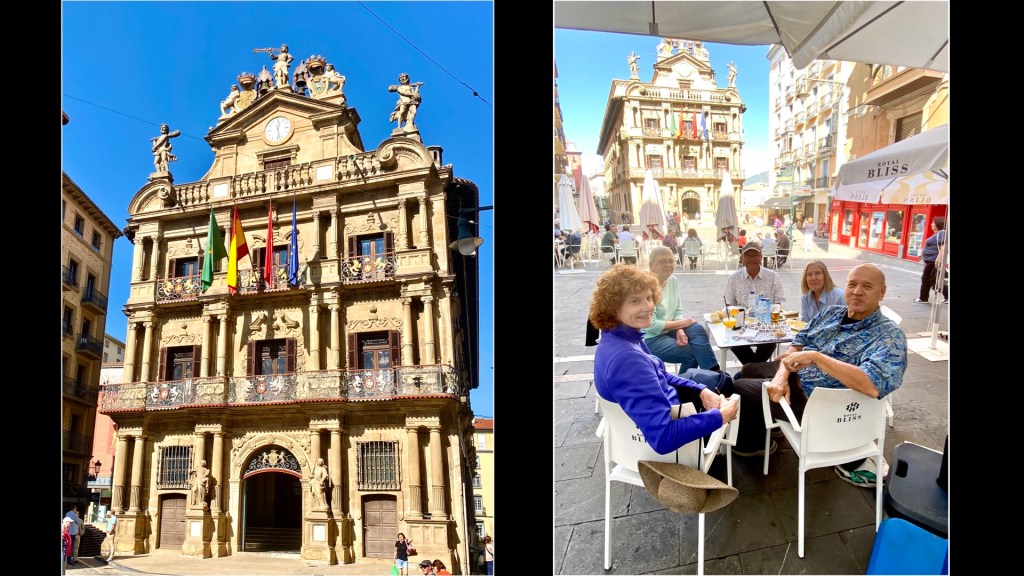
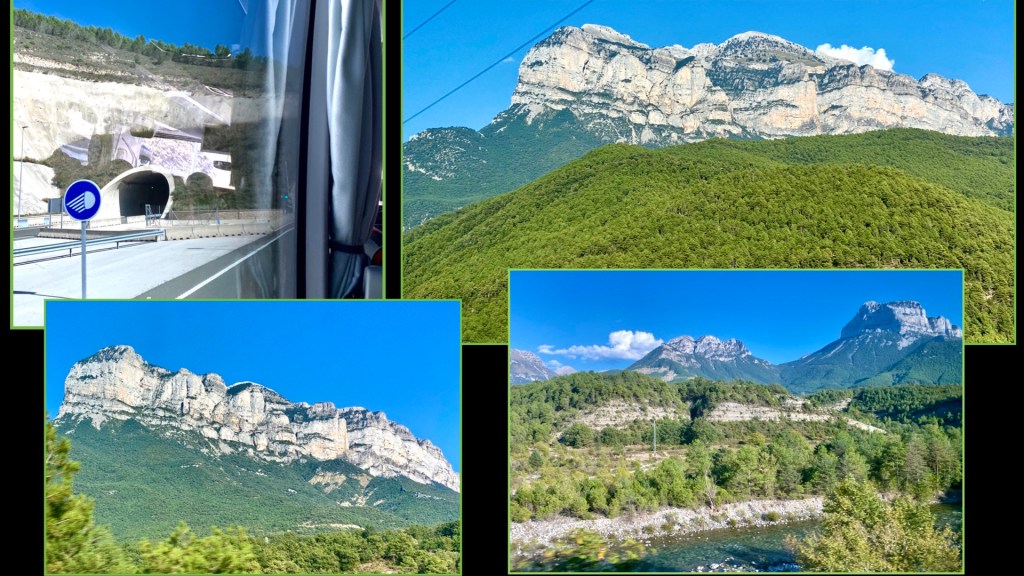
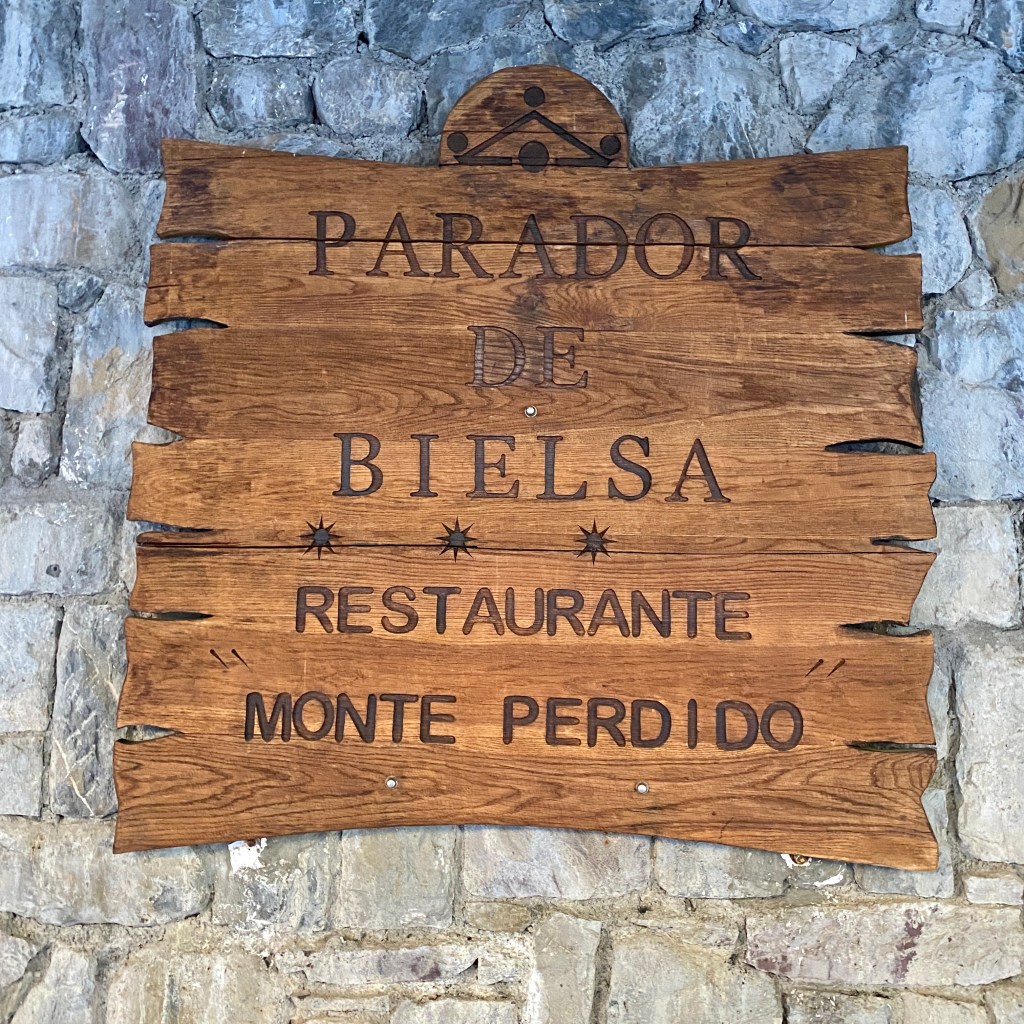
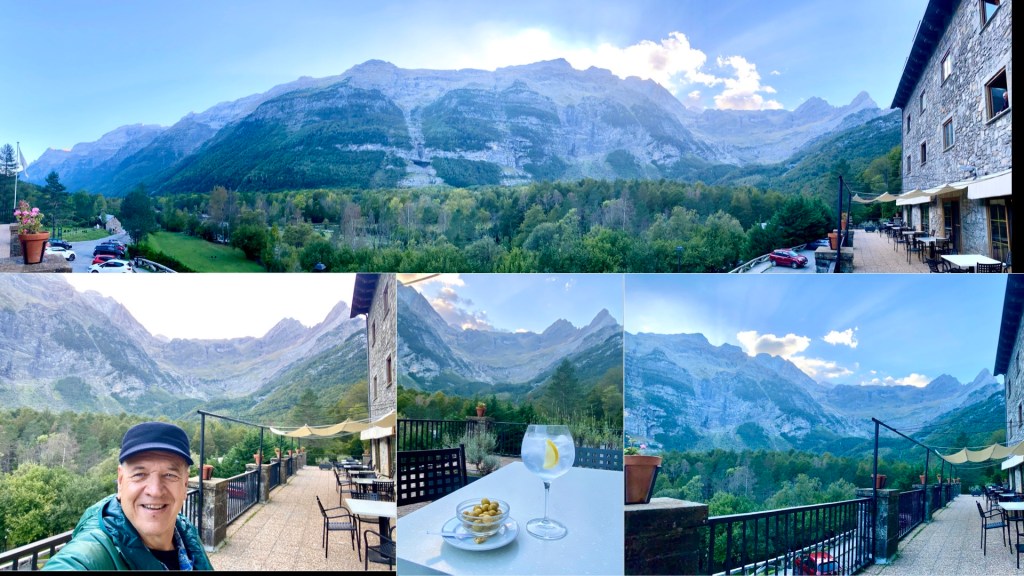
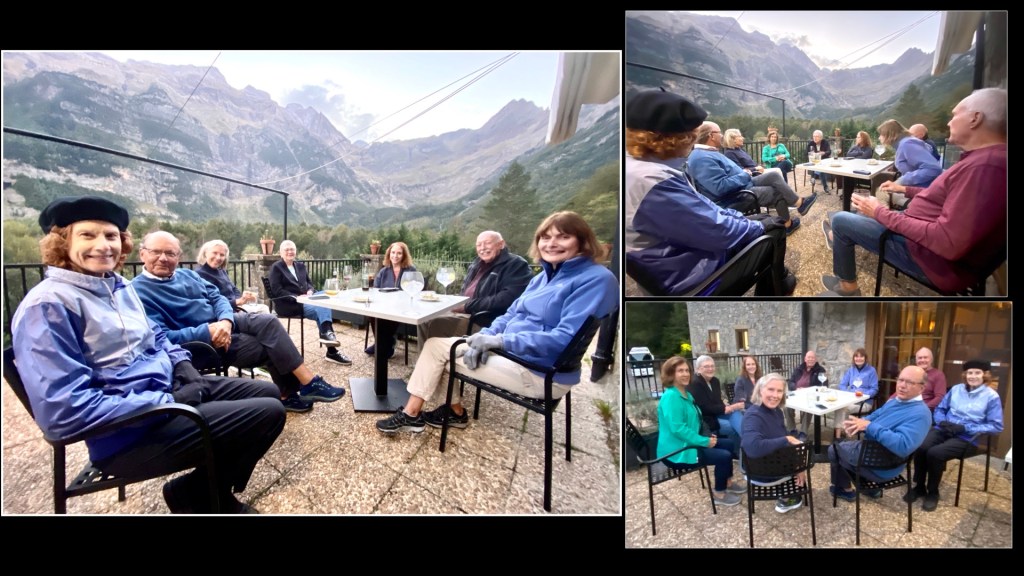
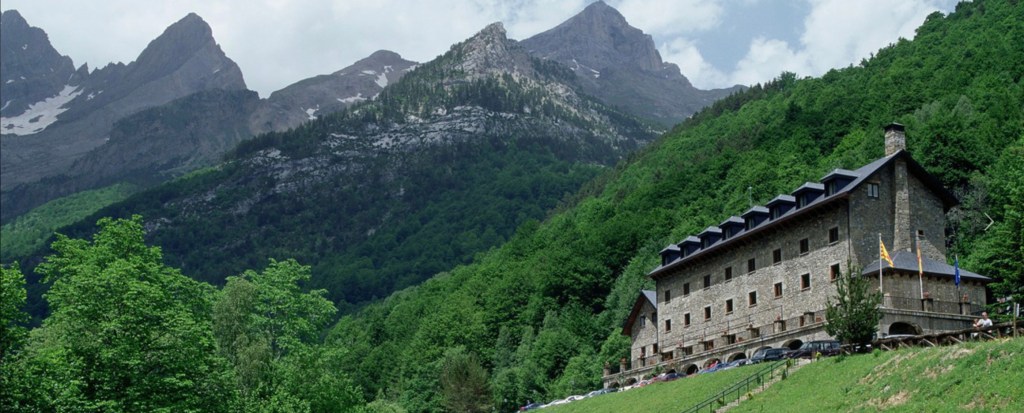
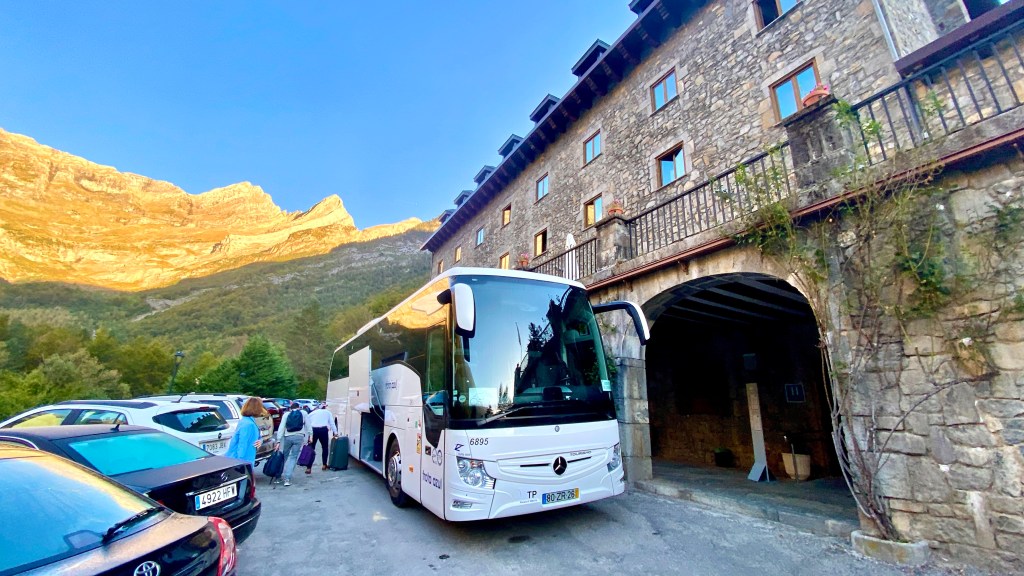
After lunch, we continue into the Pyrenees over mountain roads to Bielsa and our parador, arriving late afternoon.


Hotel
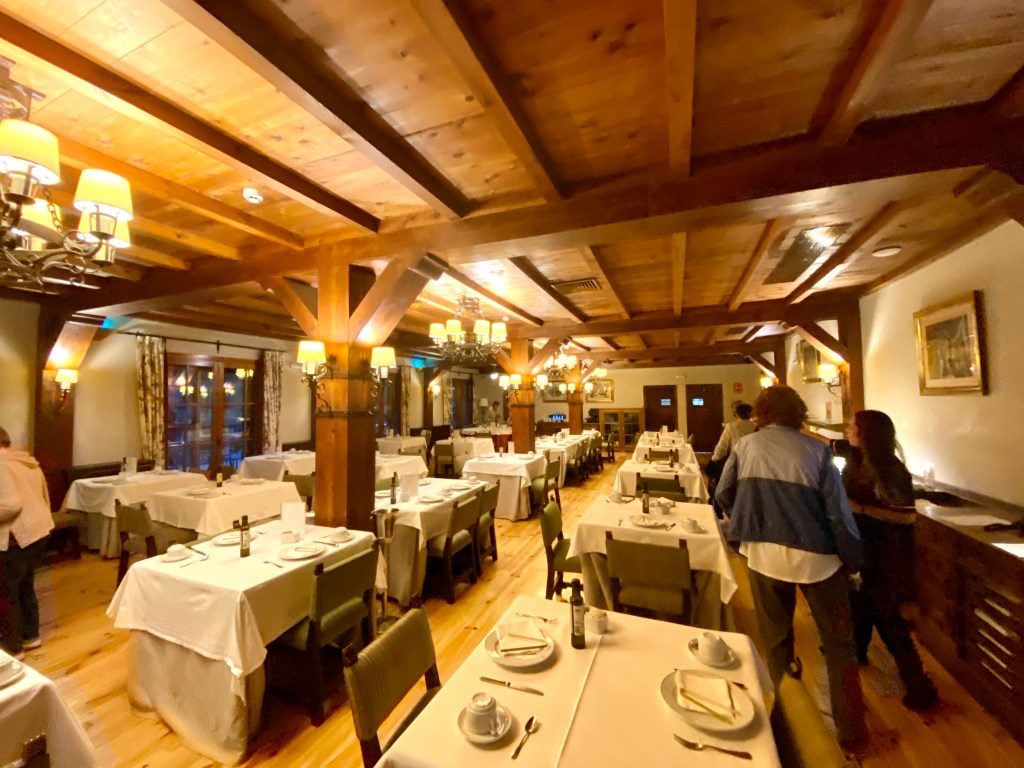
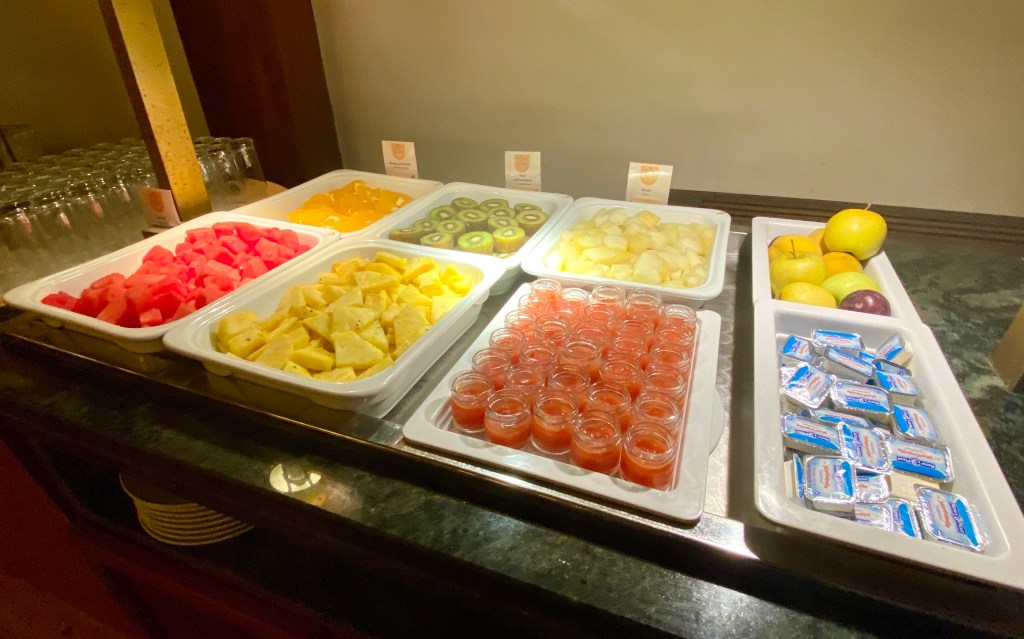
Parador de Bielsa
Day 13- Wednesday 11 Oct
Bielsa/Chistau Valley
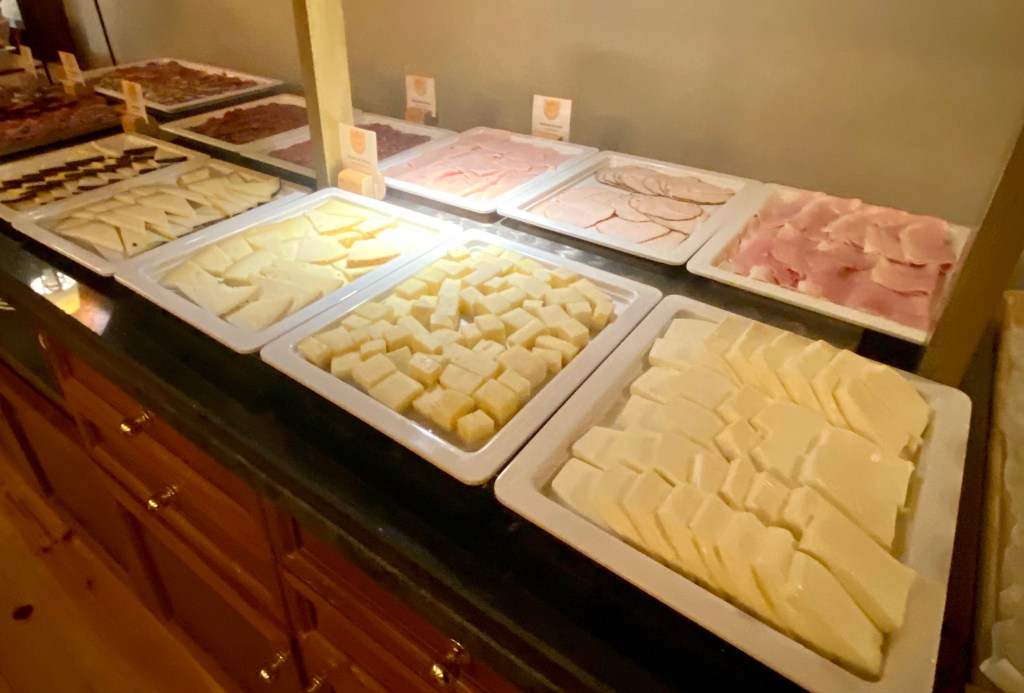
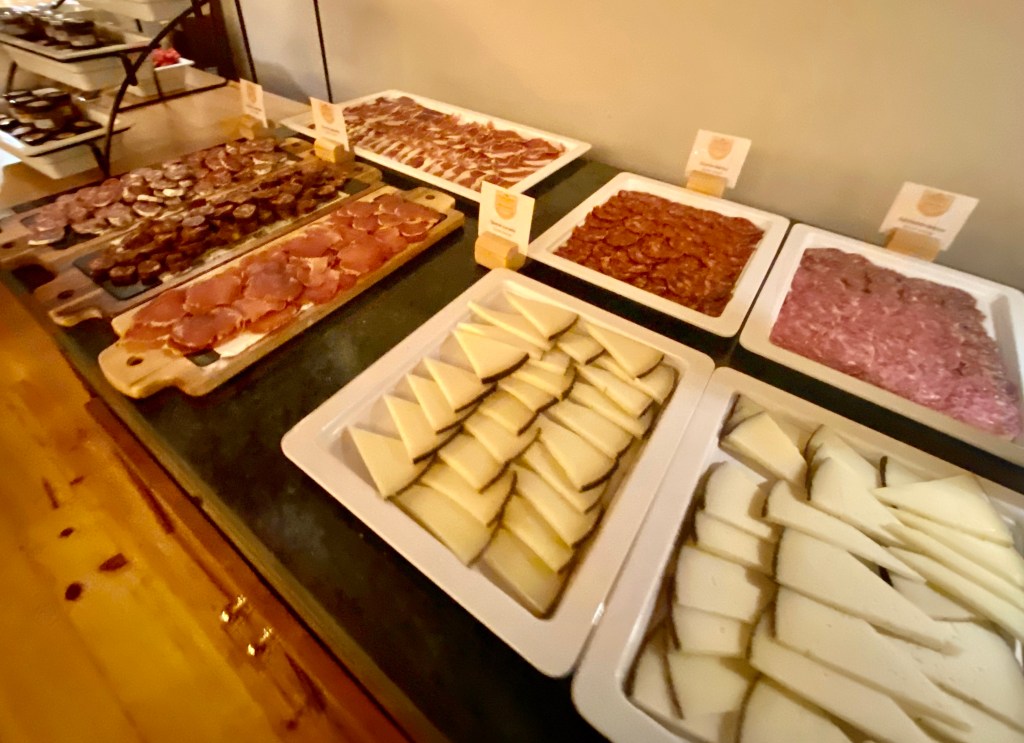
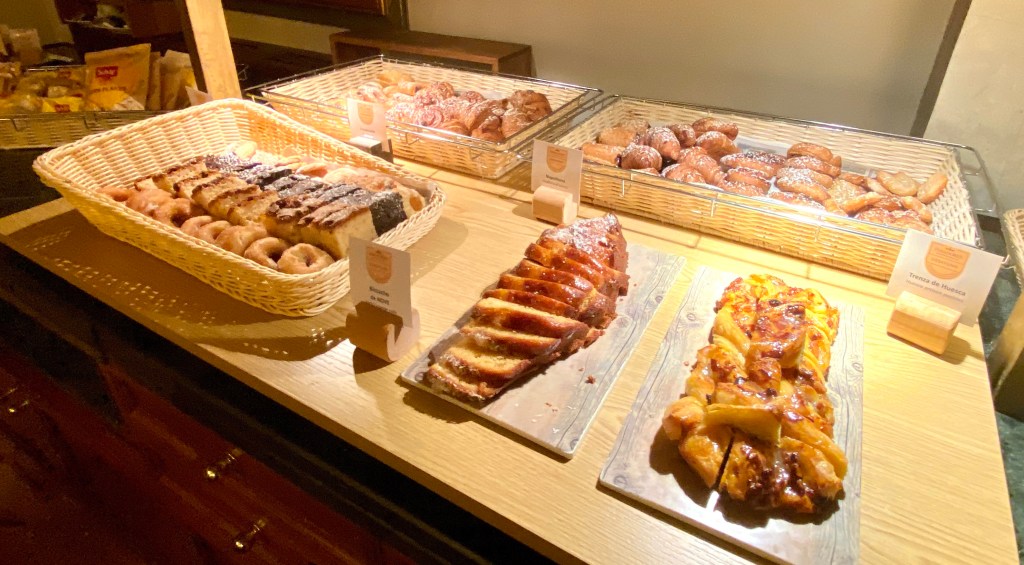
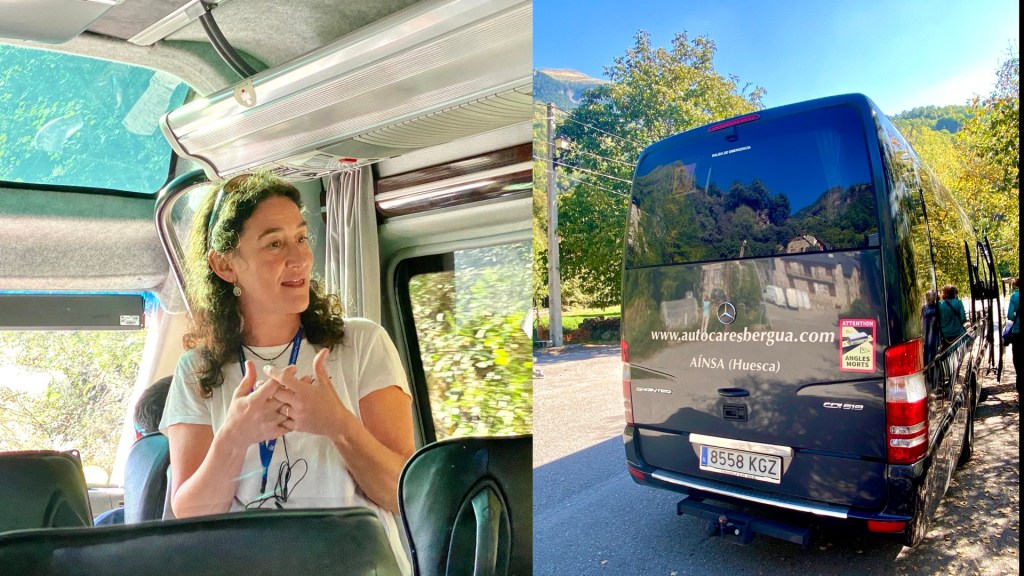
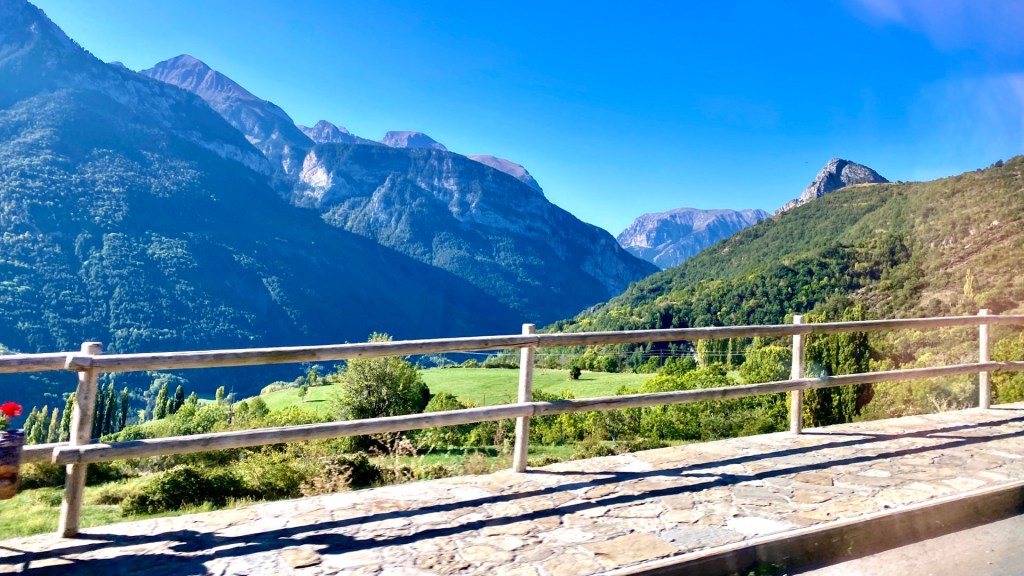
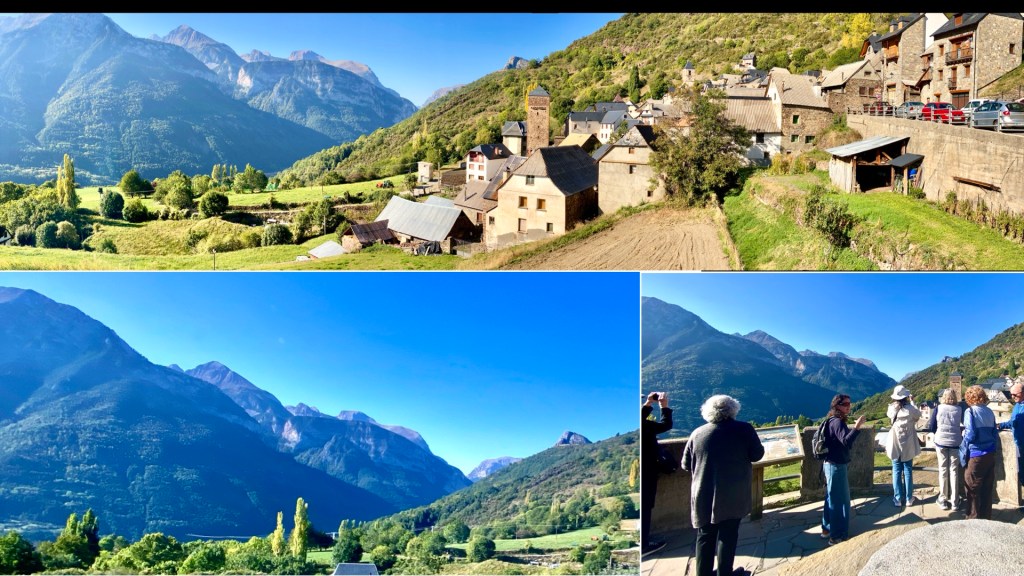
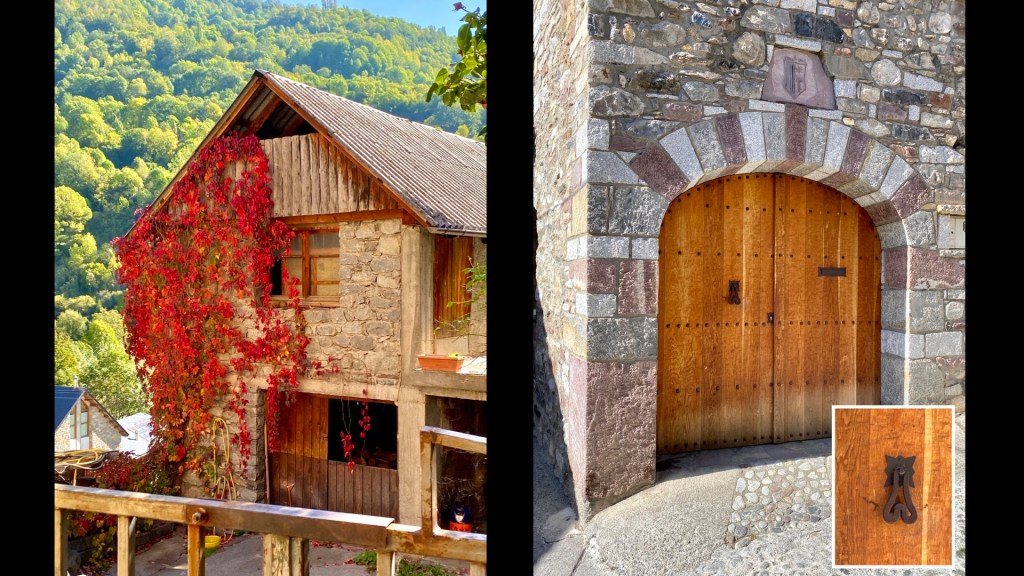
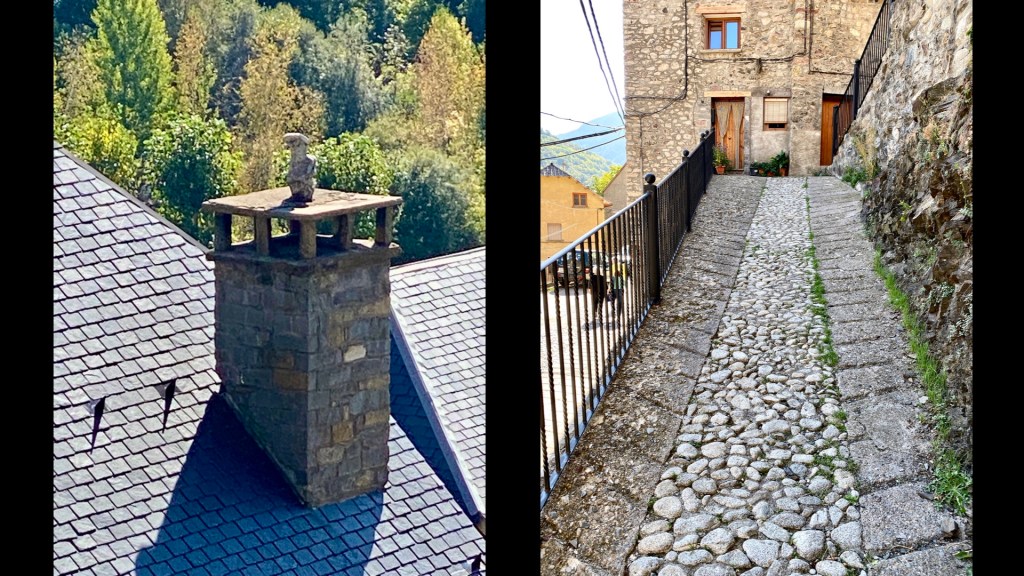
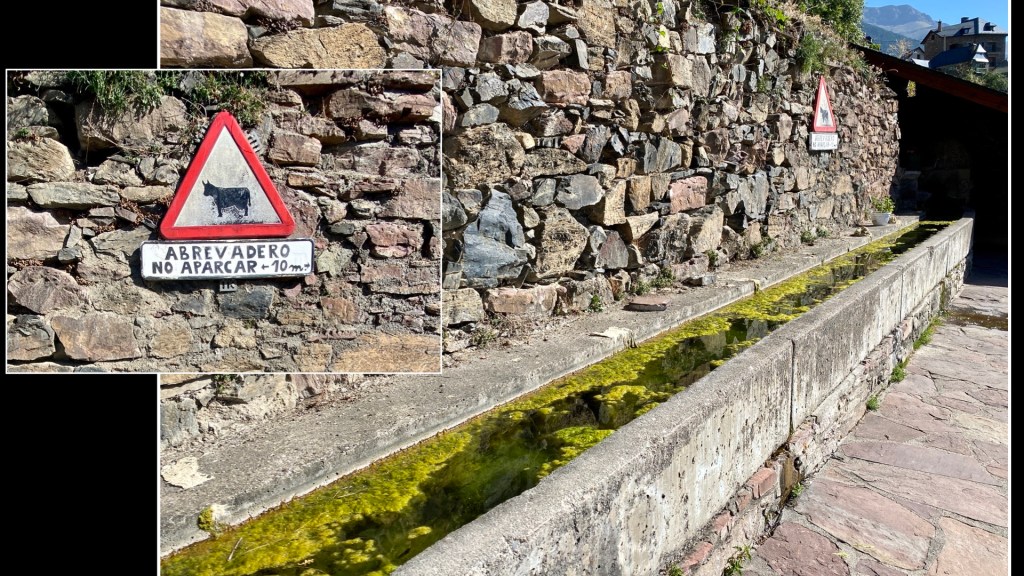
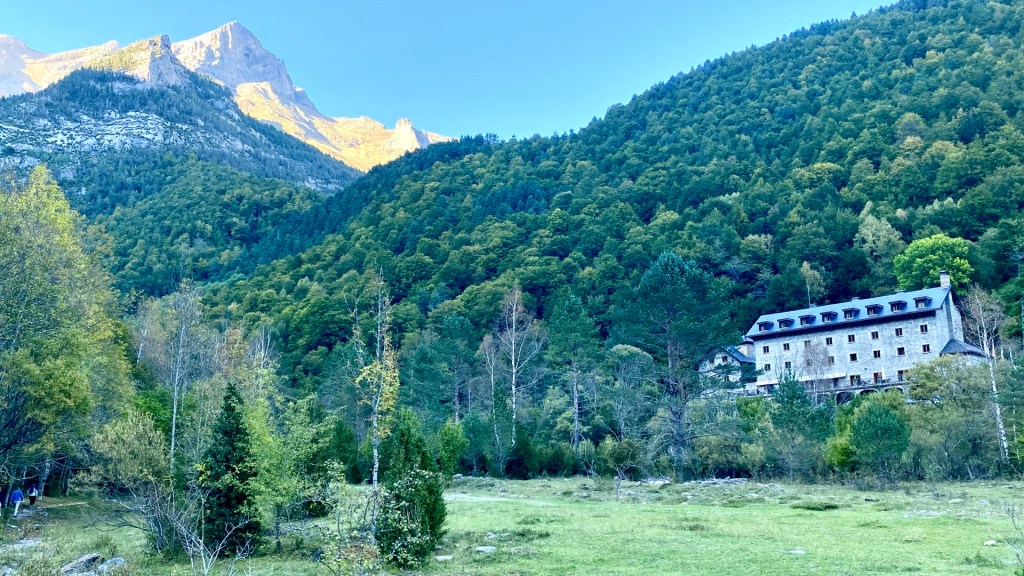
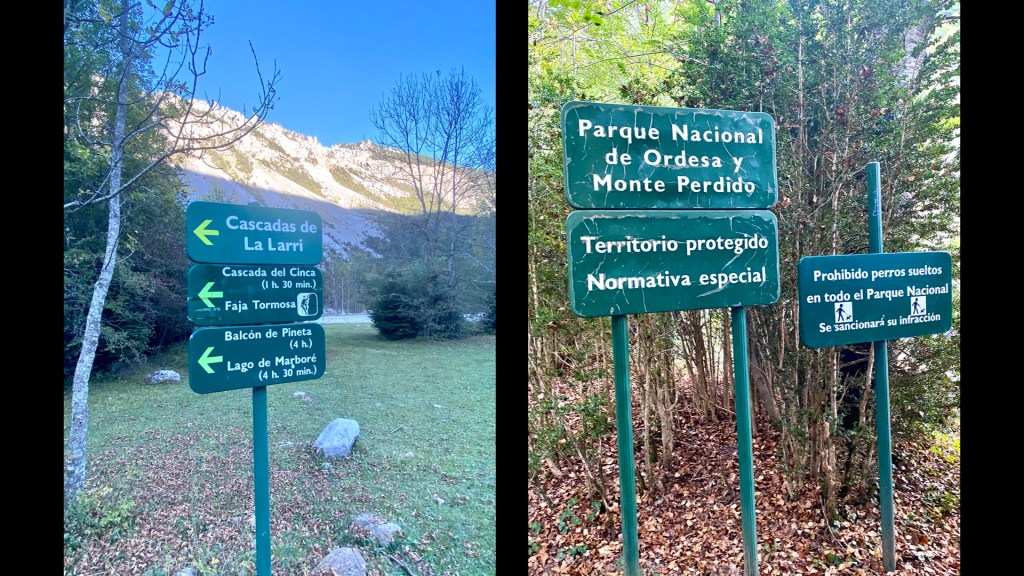
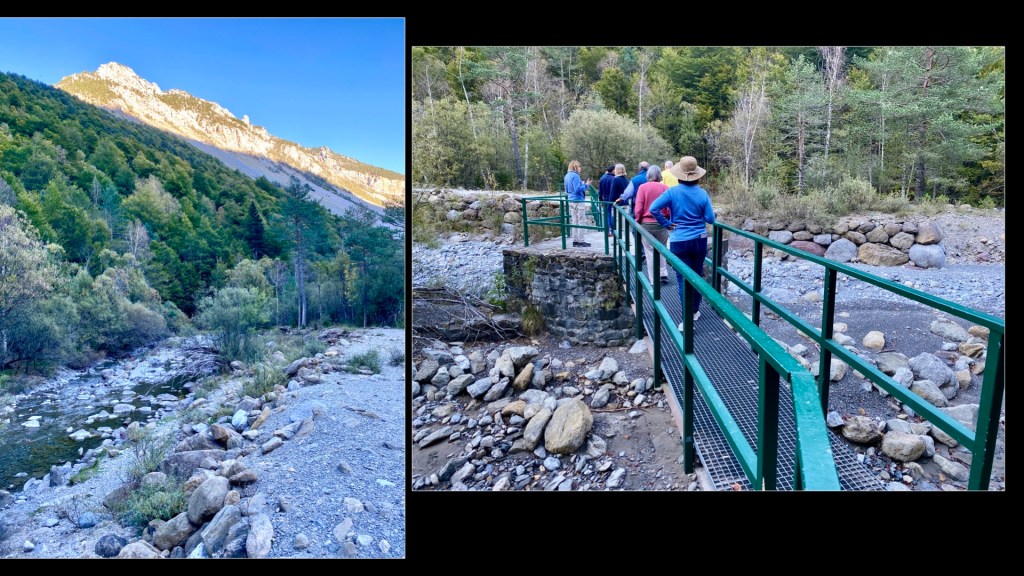
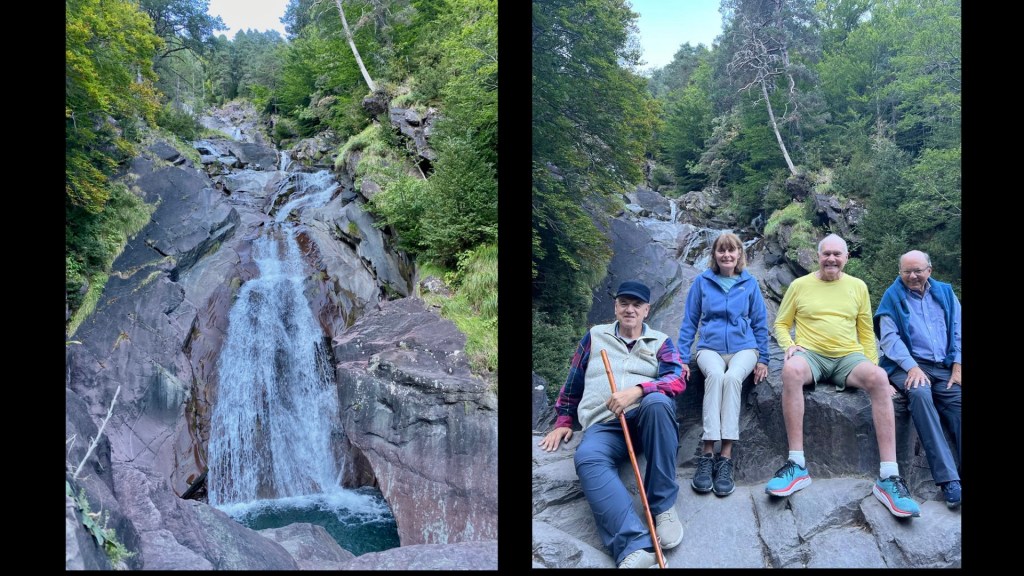
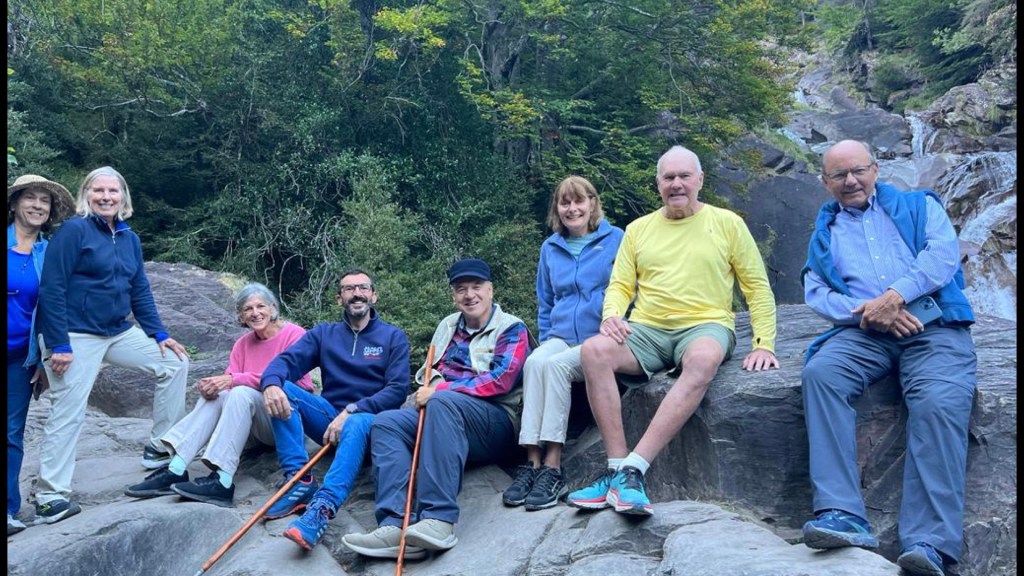
Fresh mountain air and stunning scenery are on tap today as we visit Ordesa y Monte Perdido National Park, a UNESCO Biosphere Reserve.
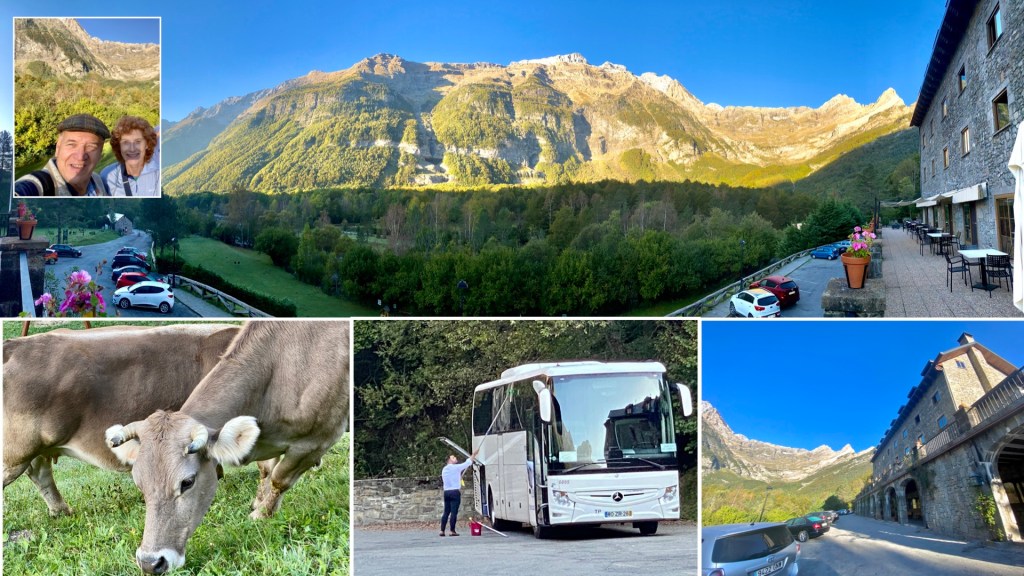
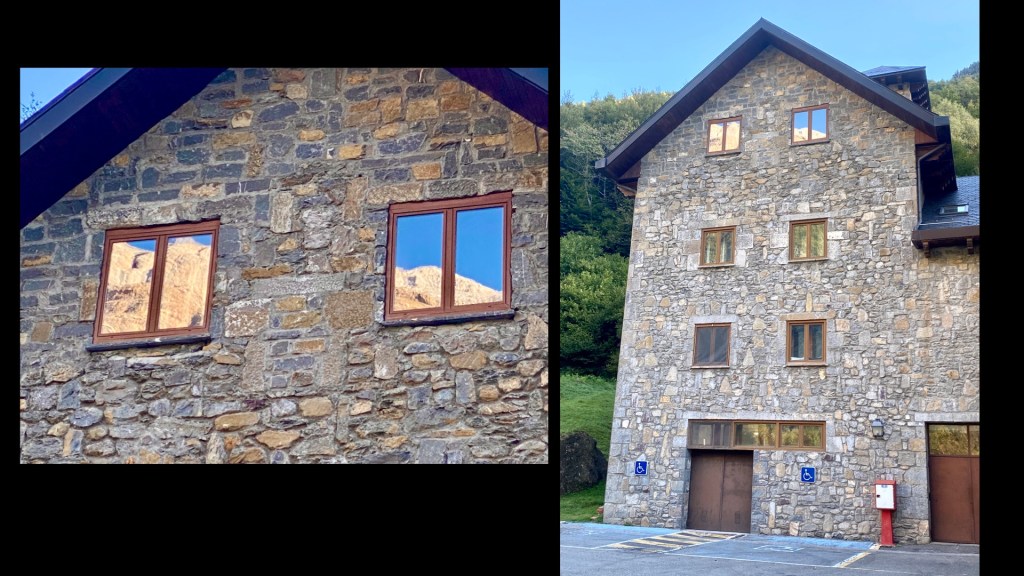
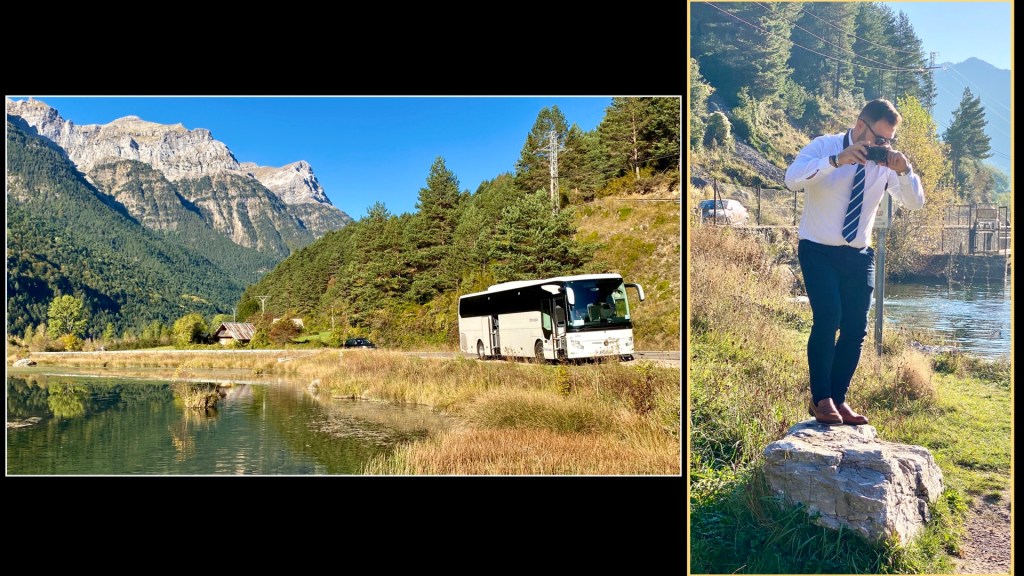
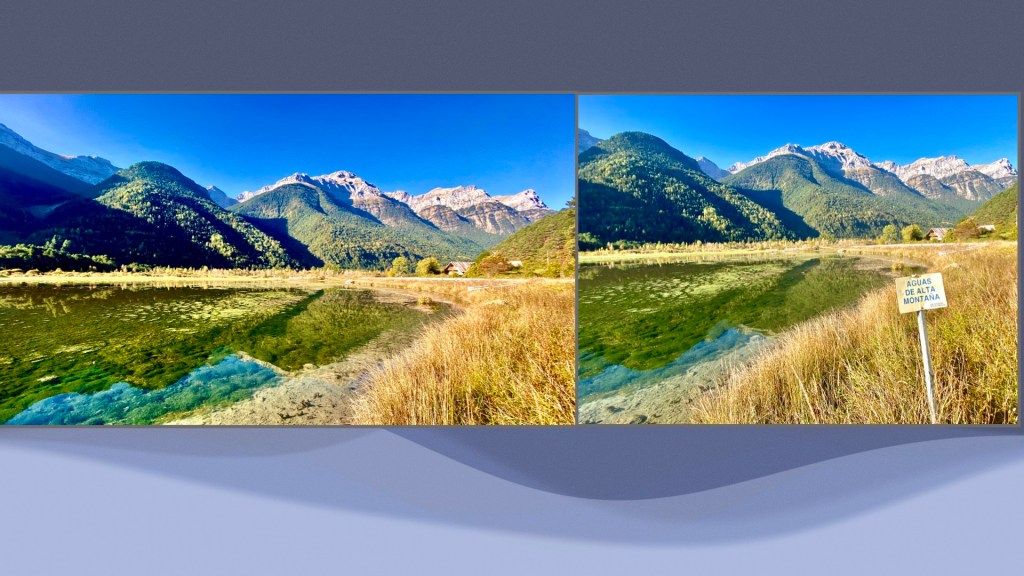
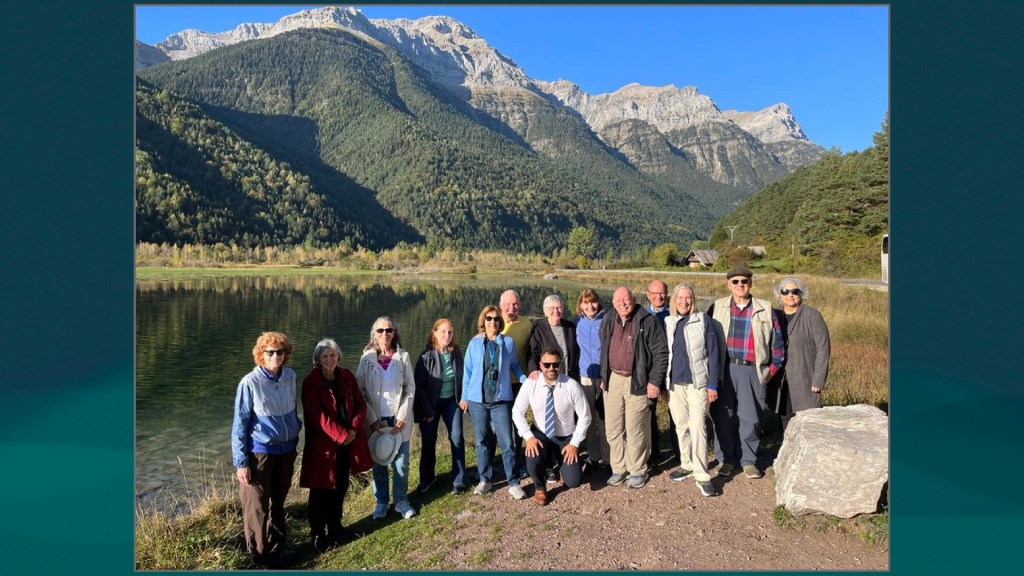
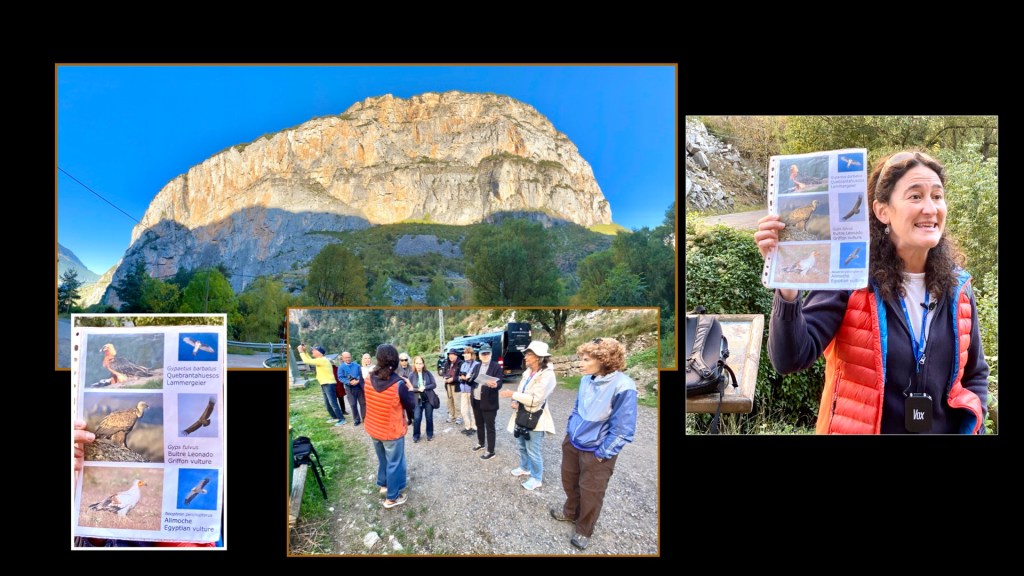
A royal decree established Ordesa, Spain’s oldest national park and one of Europe’s first, in 1918 and the government has since expanded it to include more than 56,000 acres. This dramatic,glacier-carvedlandscapeprovideshabitatfor171birdspeciesand32mammalspecies including the endangered ibex and the lammergeier, a bearded vulture.
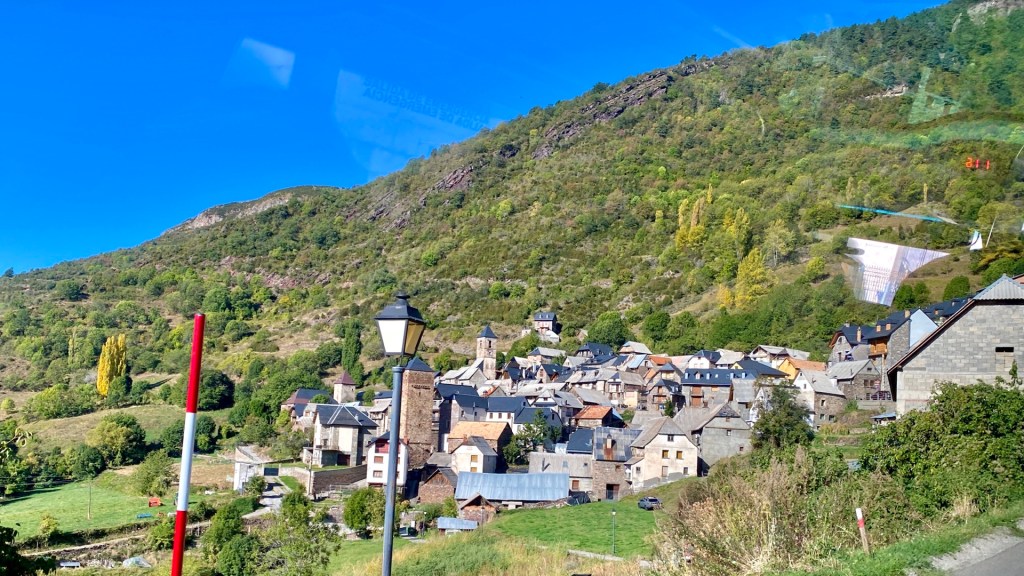
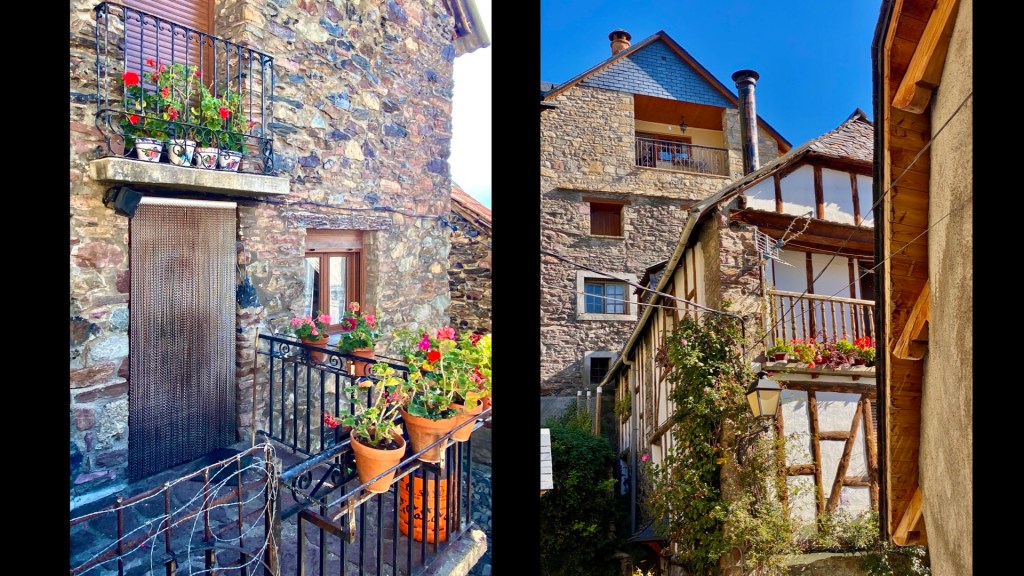
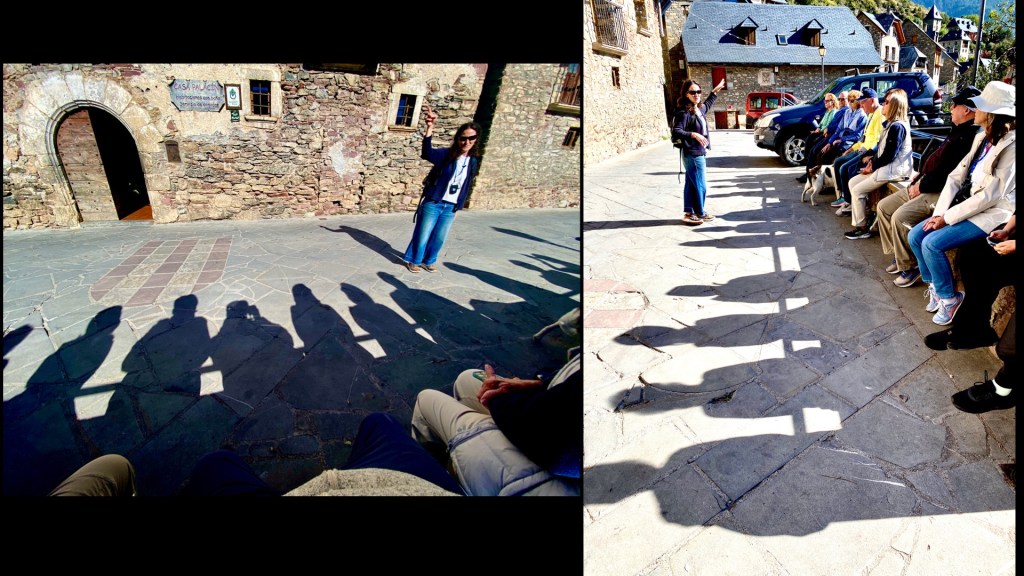
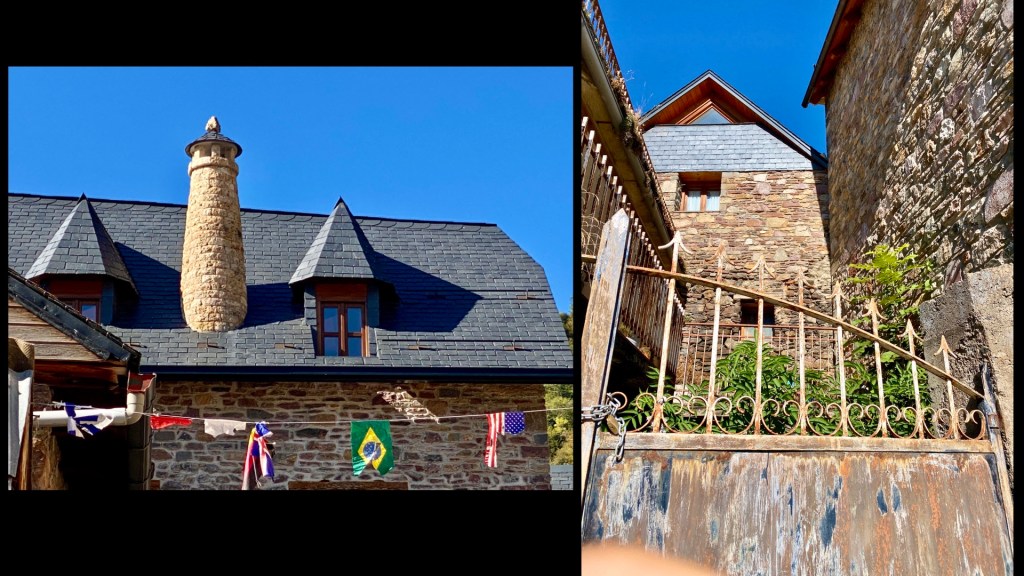
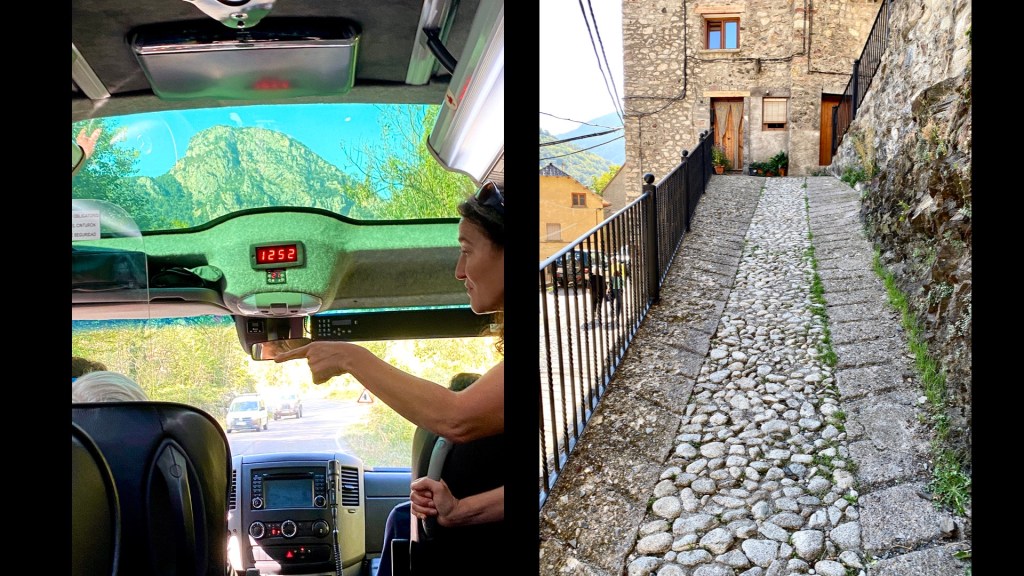
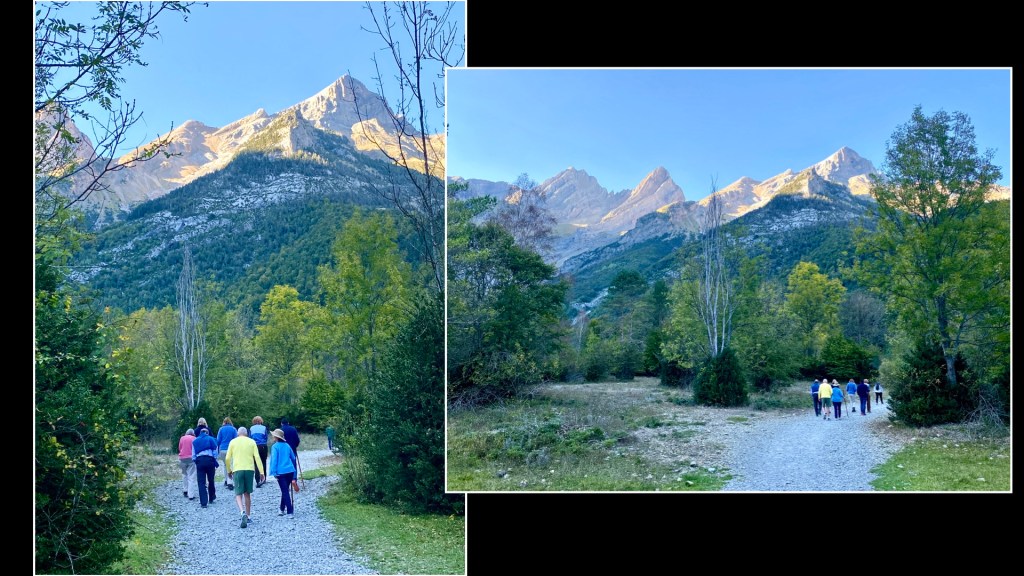
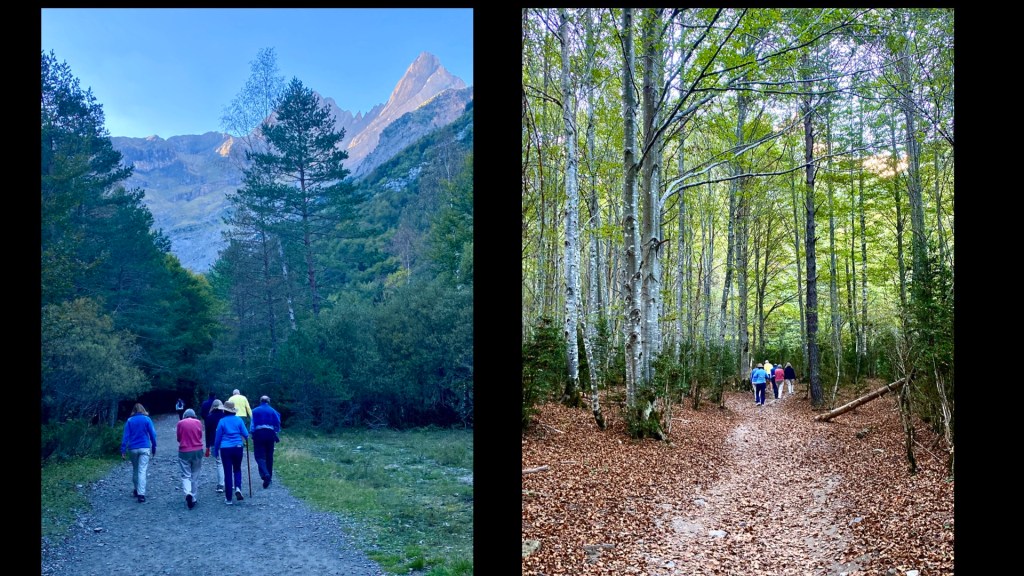
Touring by smaller vehicles, we take in the beauty of the limestone Pyrenees mountain chain with its lush valleys dotted with clear blue streams and beech, fir, and pine trees, making stops for photo opportunities.

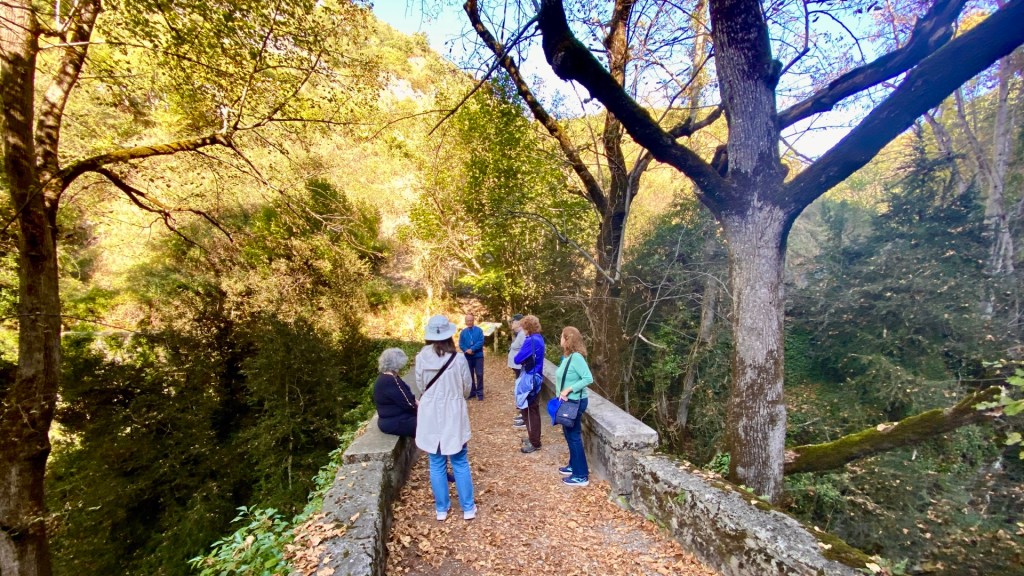
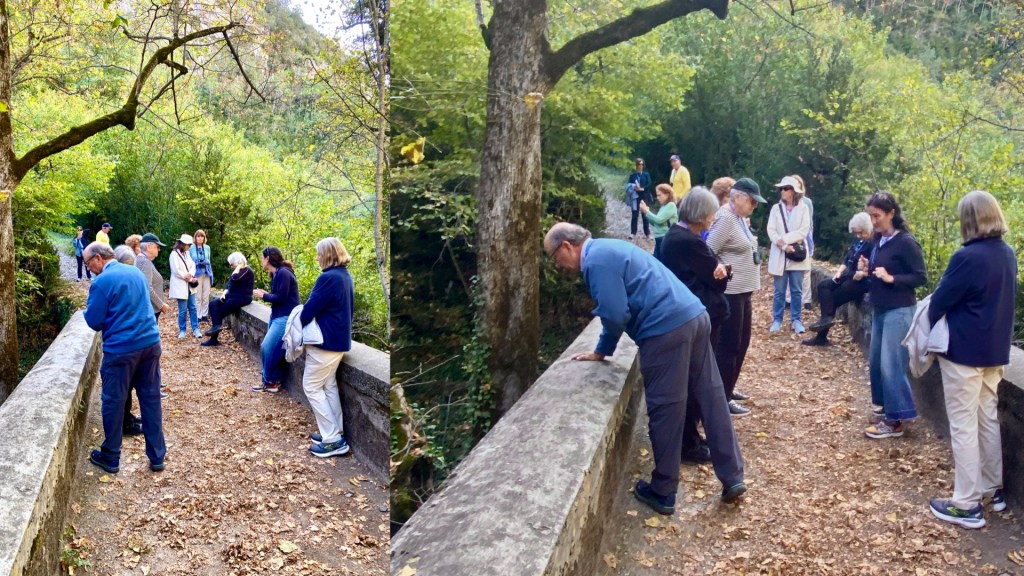
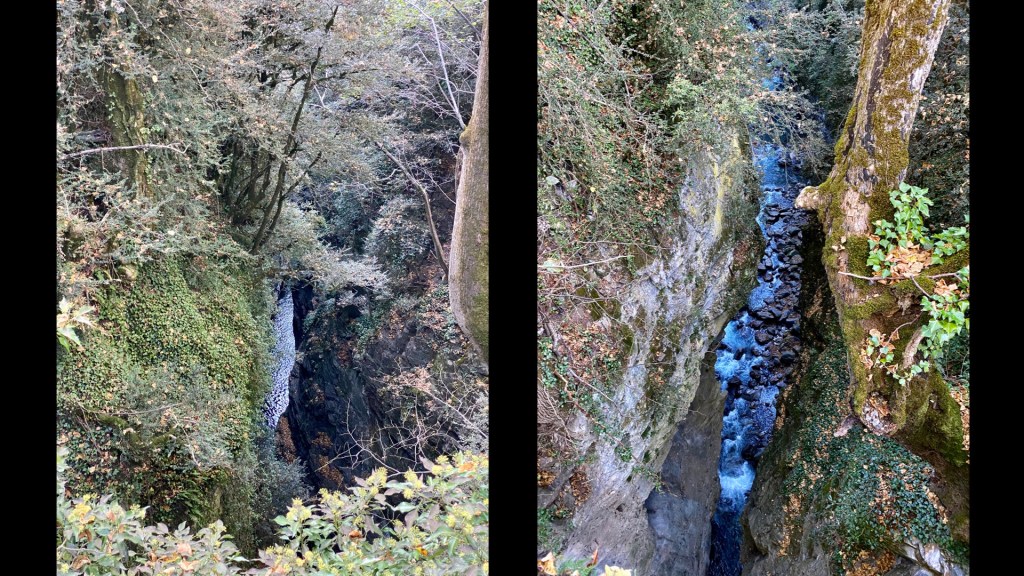

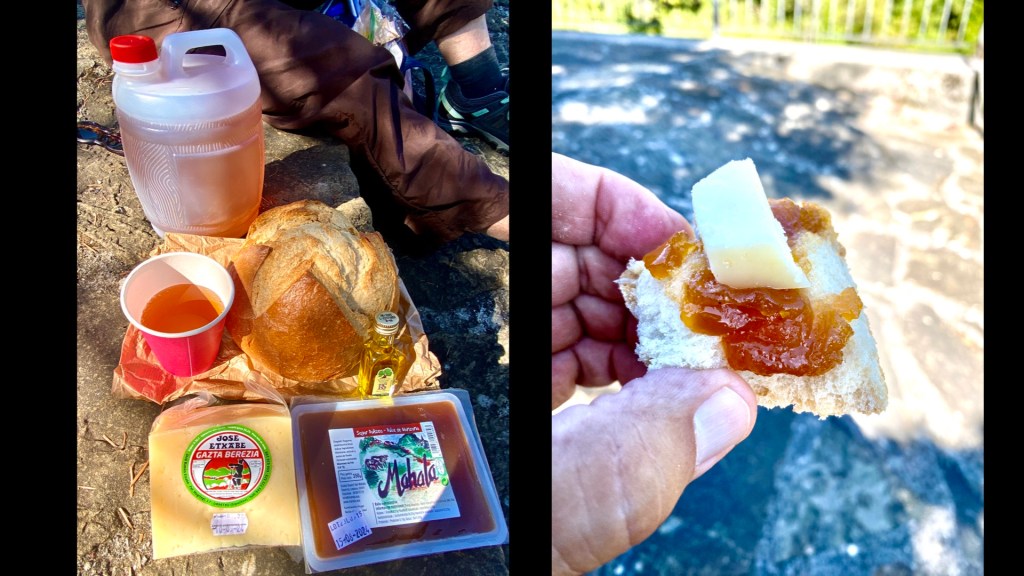
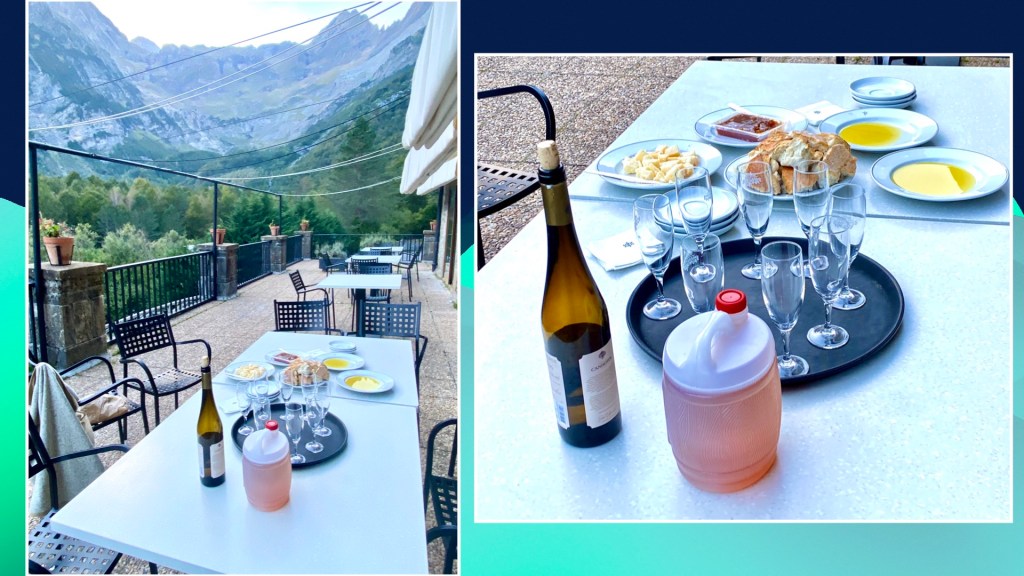
Later this afternoon is free to hike or simply relax amidst the natural beauty.

Day 14 Thursday 12 October Barcelona
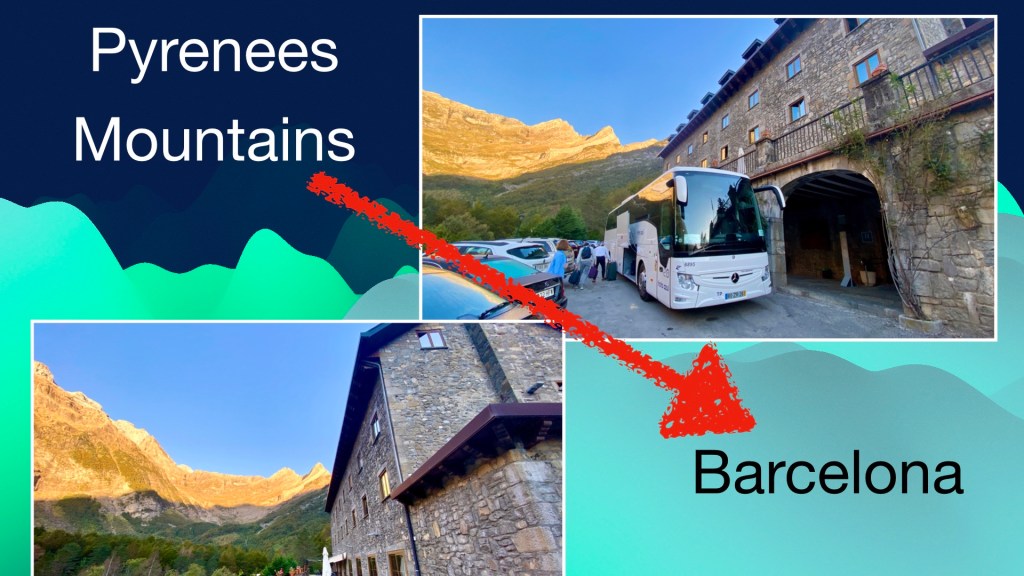
Today we transfer to the fascinating city of Barcelona.
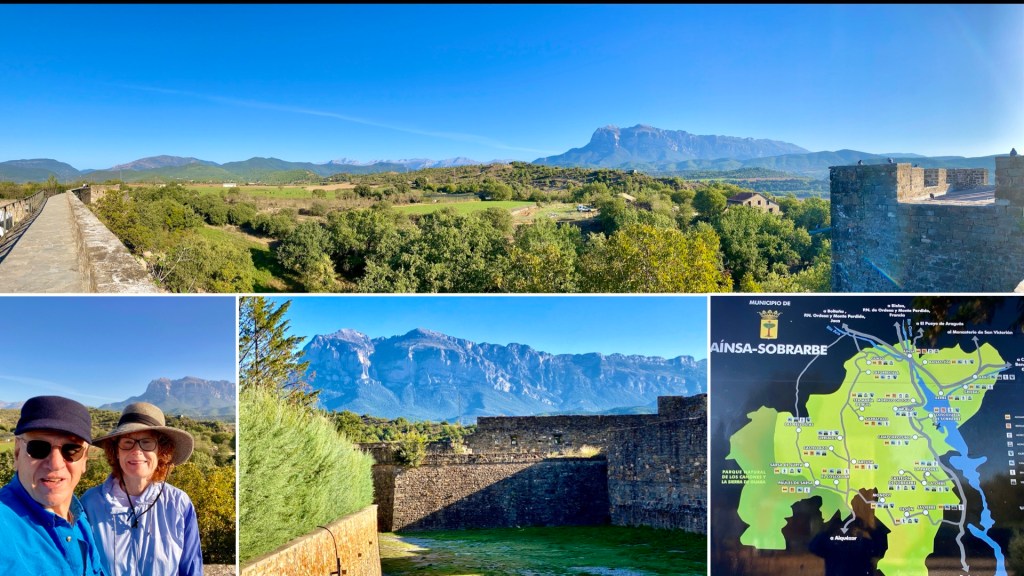
People remain divided over the origins of this coastal city, with one legend saying Hercules founded it 400 years before Rome’s birth and another insisting that Hannibal’s father Hamilcar Barca founded it in the 3rd century BCE.
Now Catalonia’s capital, Spain’s second largest city, and one of Europe’s most popular vacation spots, Barcelona had no beaches prior to the 1992 Olympics, when it relocated the industries that had occupied the seaside and reclaimed more than 21⁄2 miles of beachside.
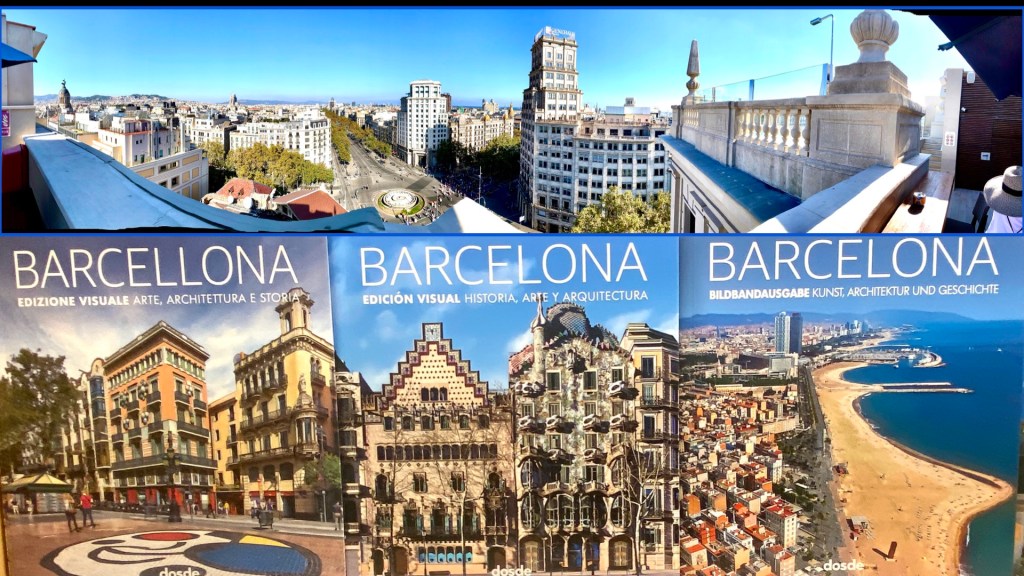
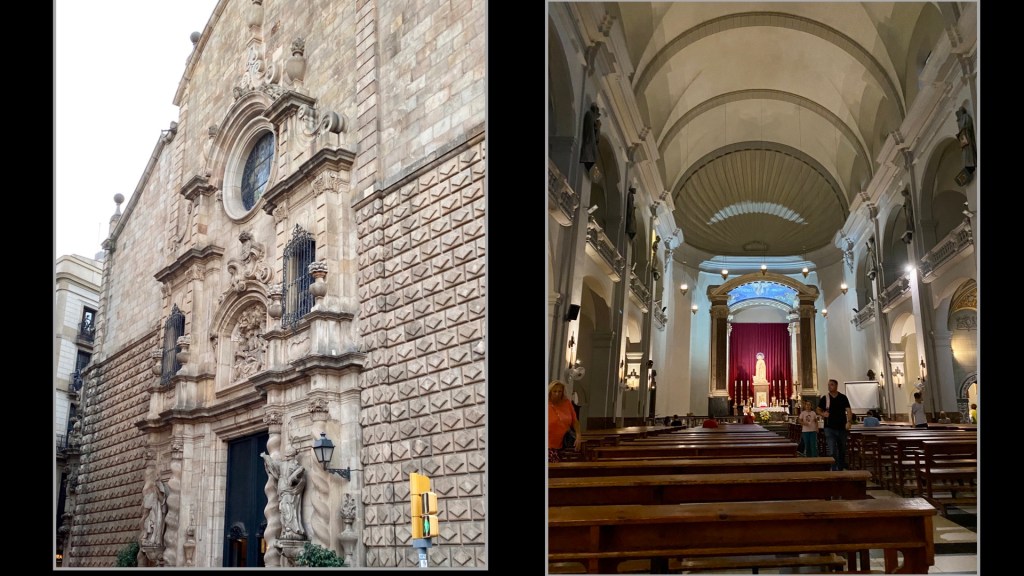
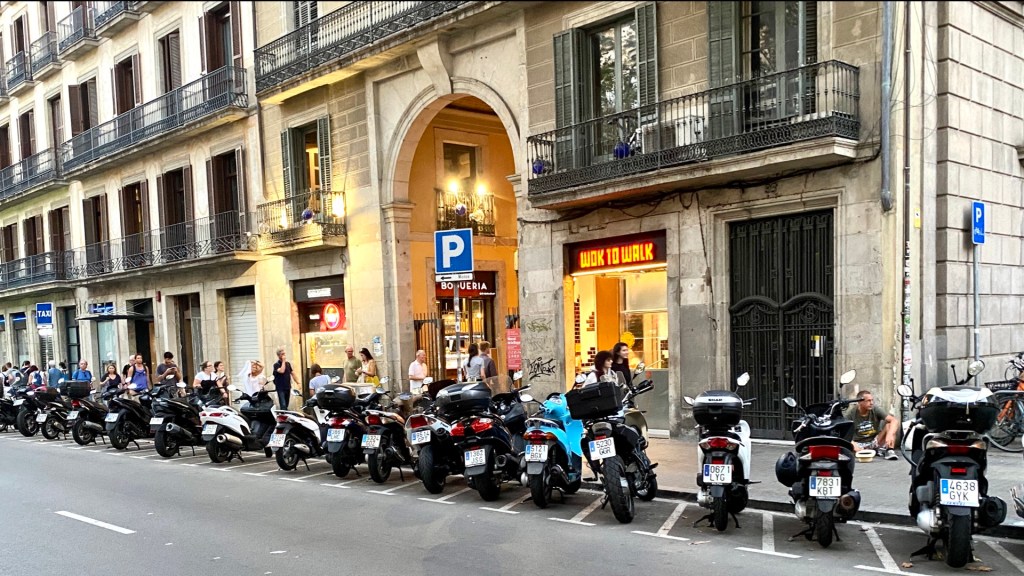
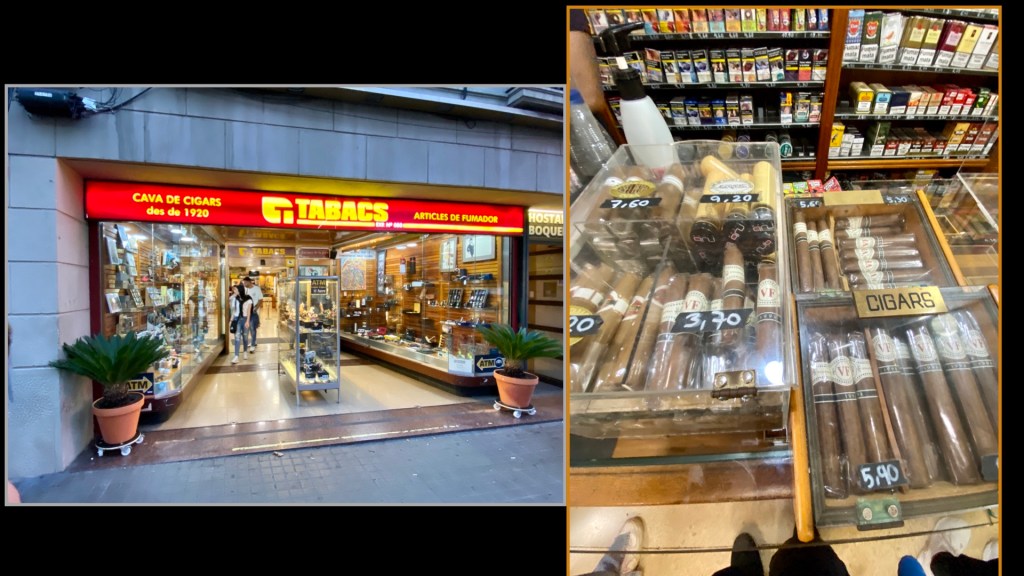
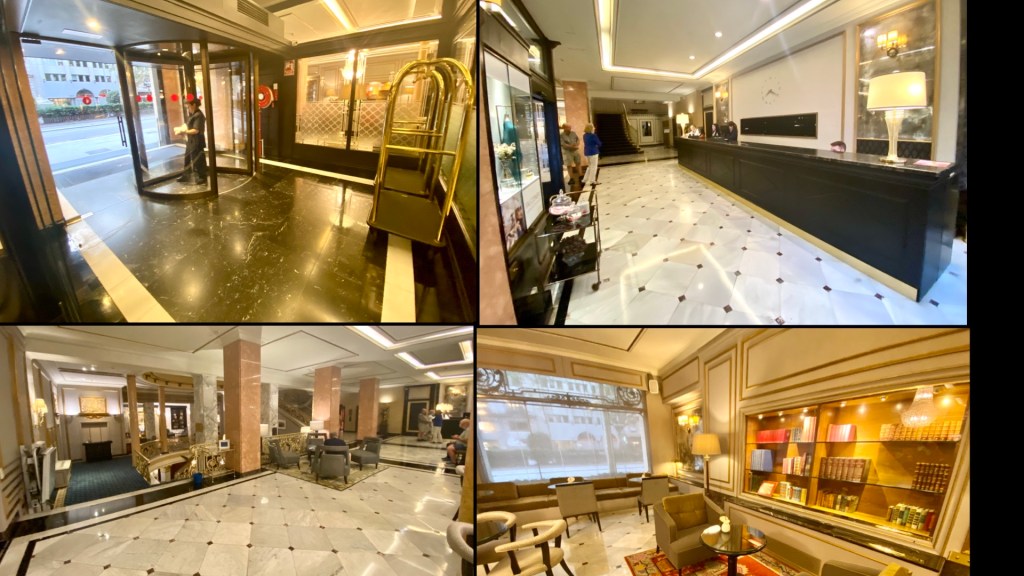
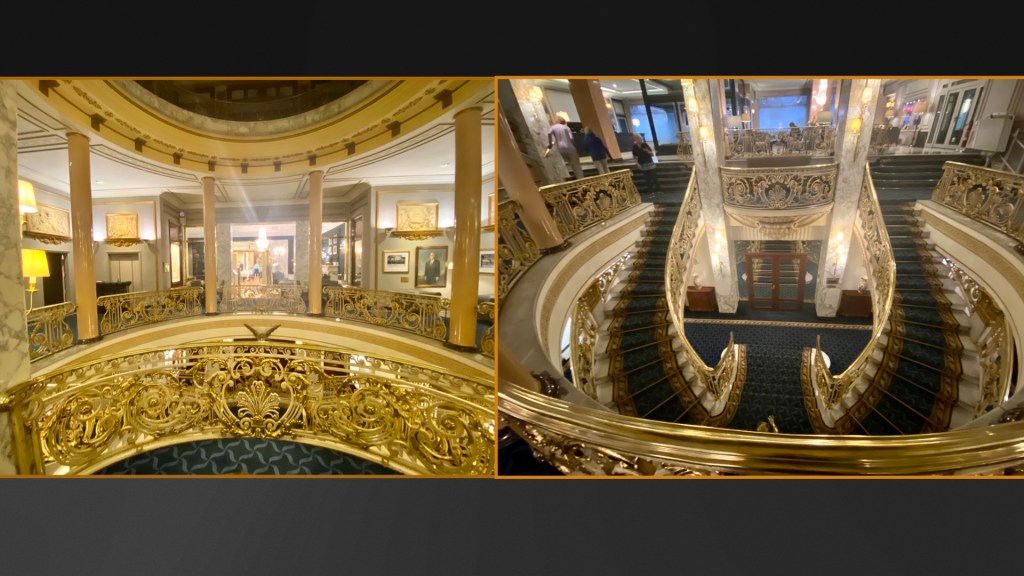
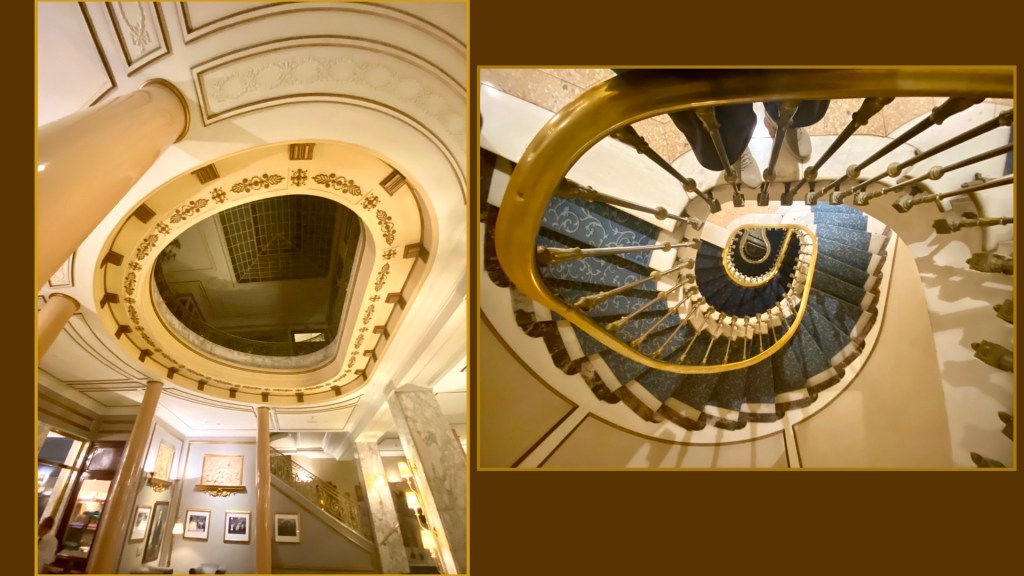
Our hotel’s location in the heart of this city renowned for its walkability gives us a great starting point forexploration and dining options aplenty; our tour director will happily provide suggestions
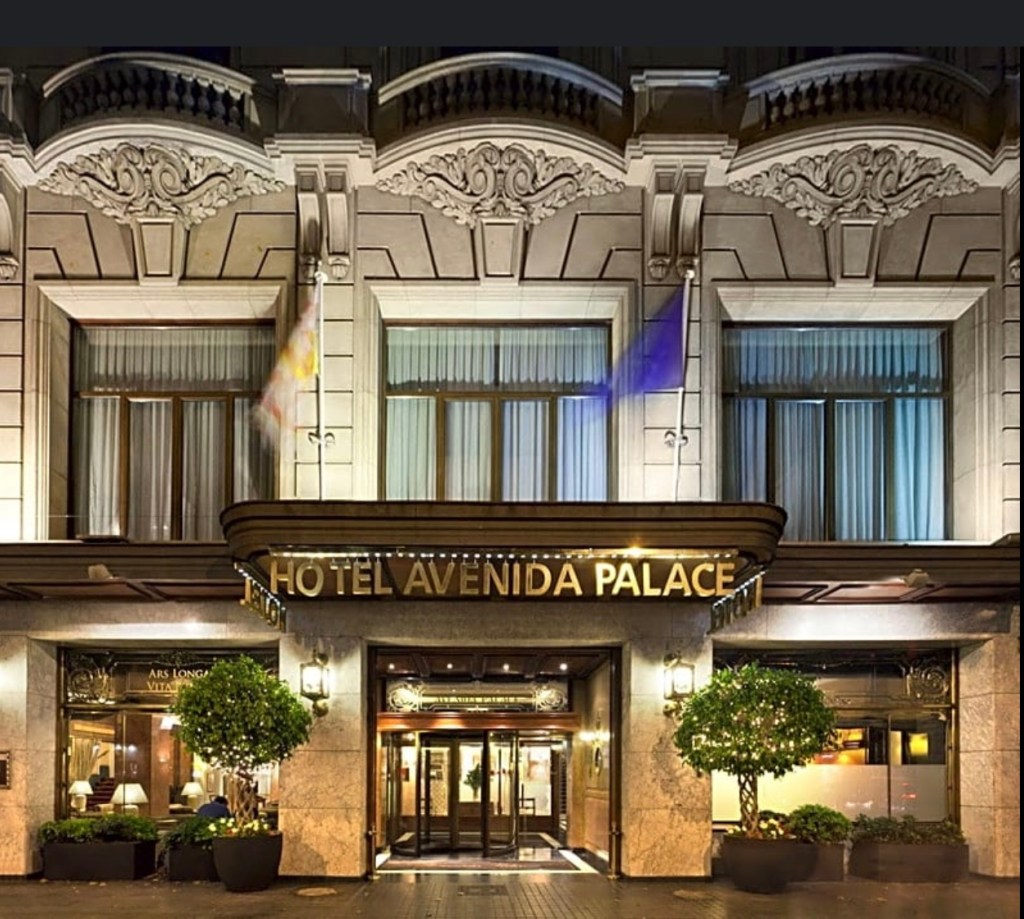
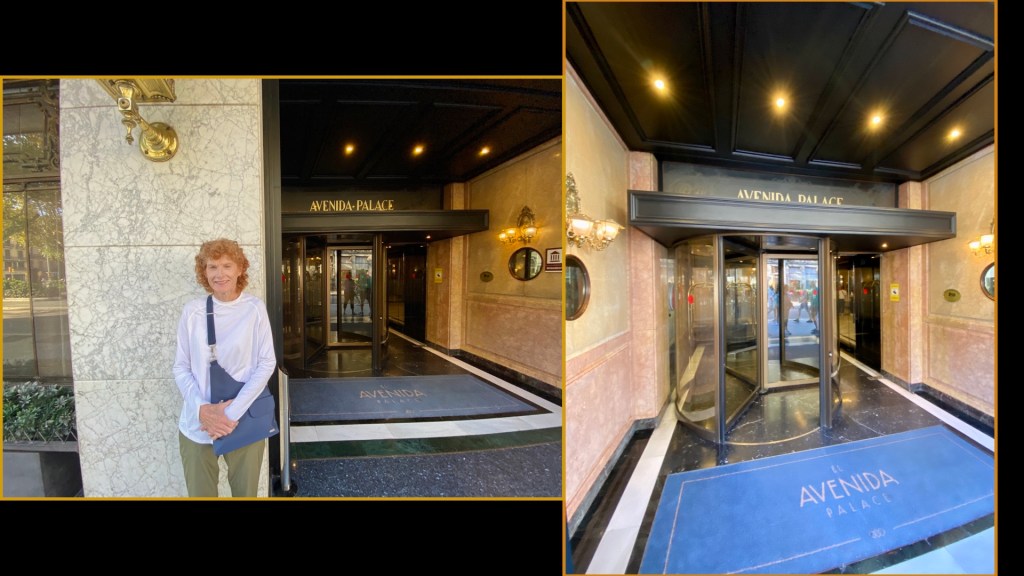
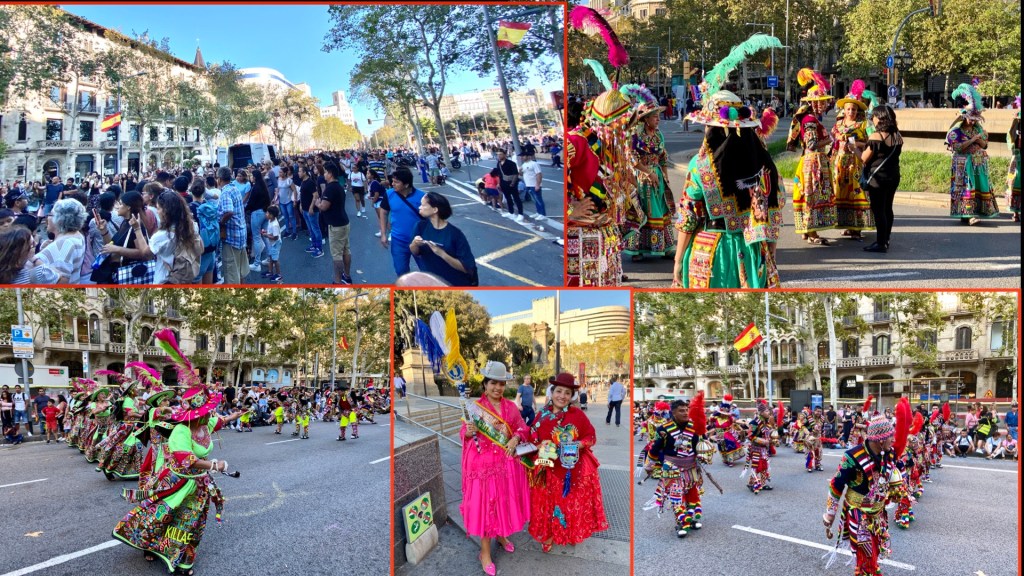
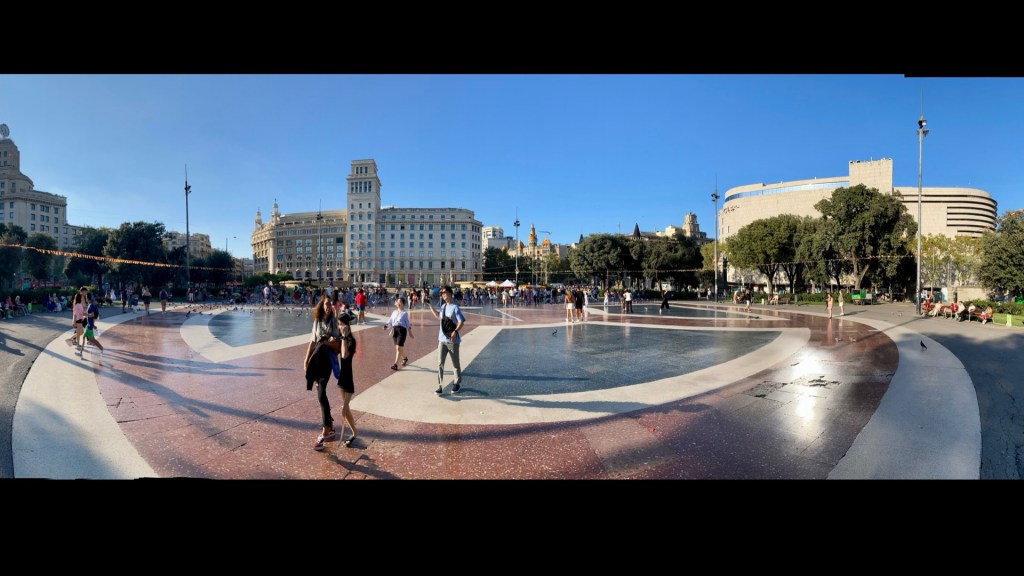
The city loves its walkers, too, as we will see, boasting the equivalent of 260 football fields designated as pedestrian zones; roughly 3,500 people stroll down the Portal de l’Ángel, Spain’s most-traversed street, each hour.
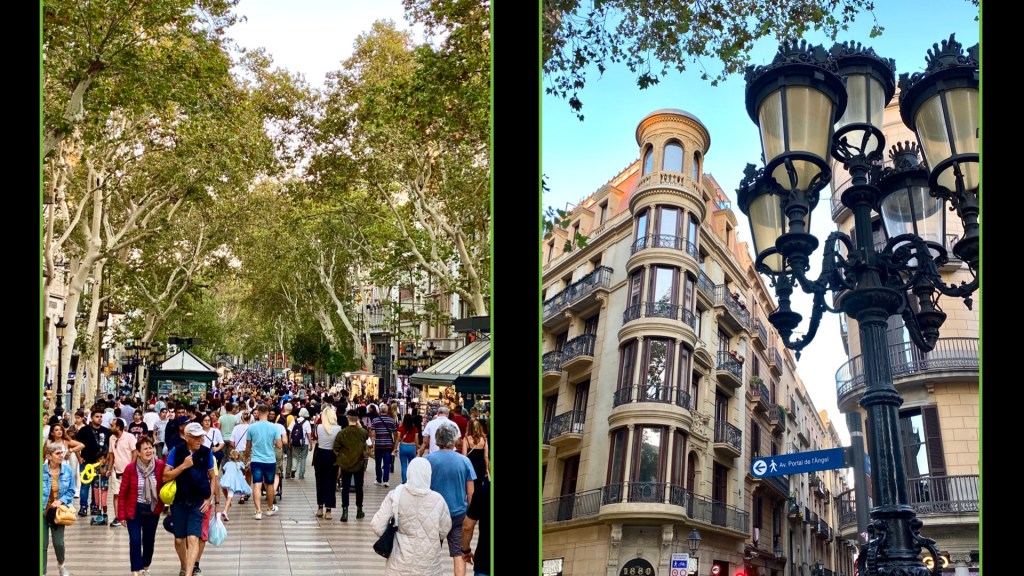
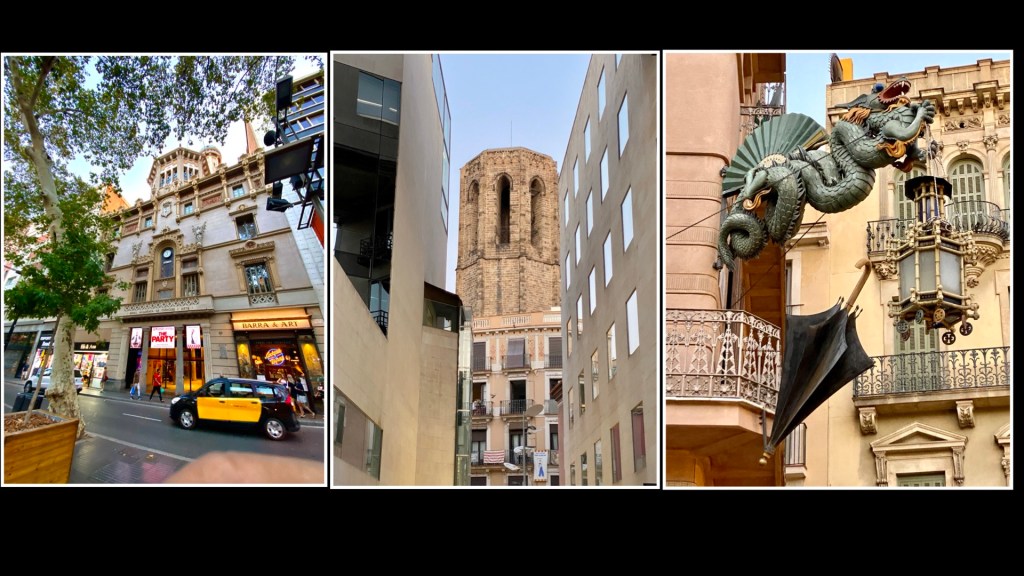


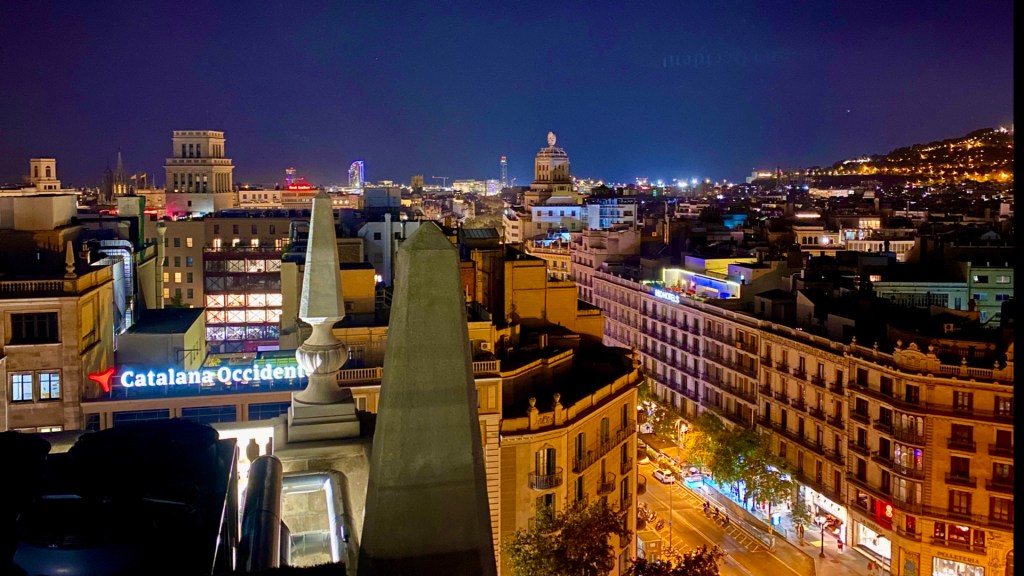
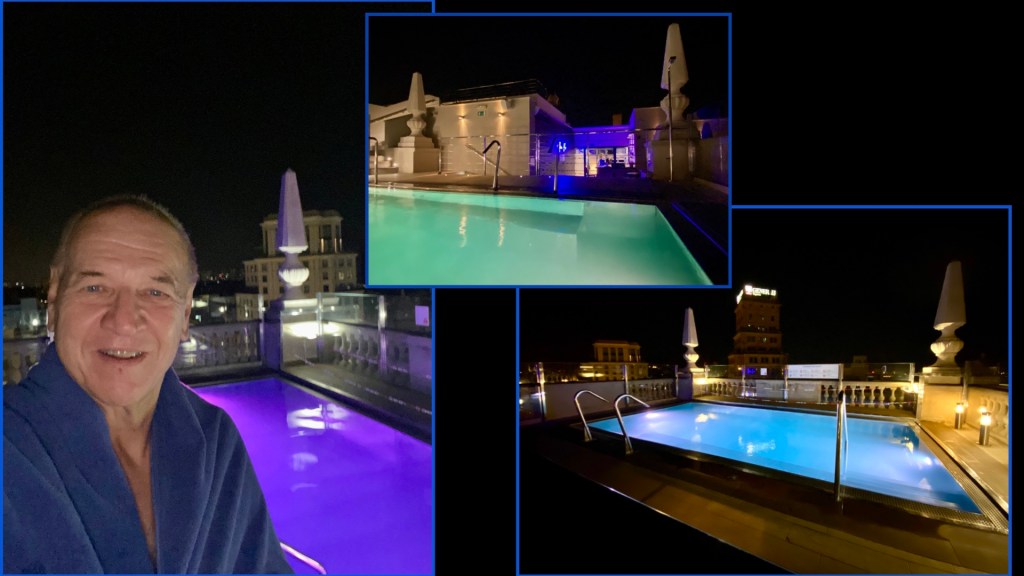

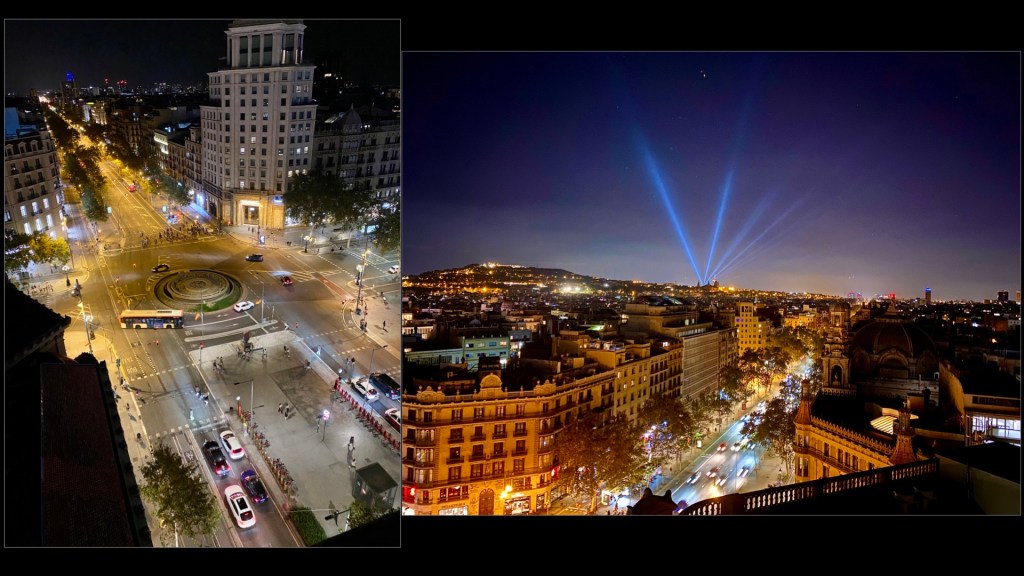
Day 15- Friday 13 Oct
Barcelona Day 2

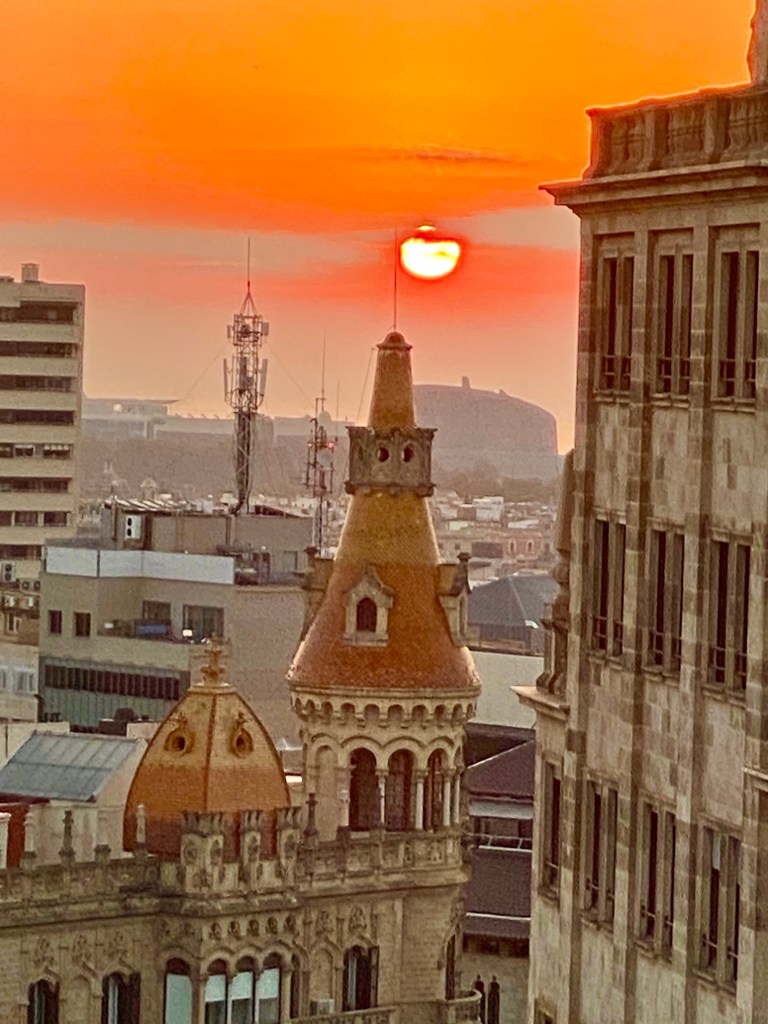
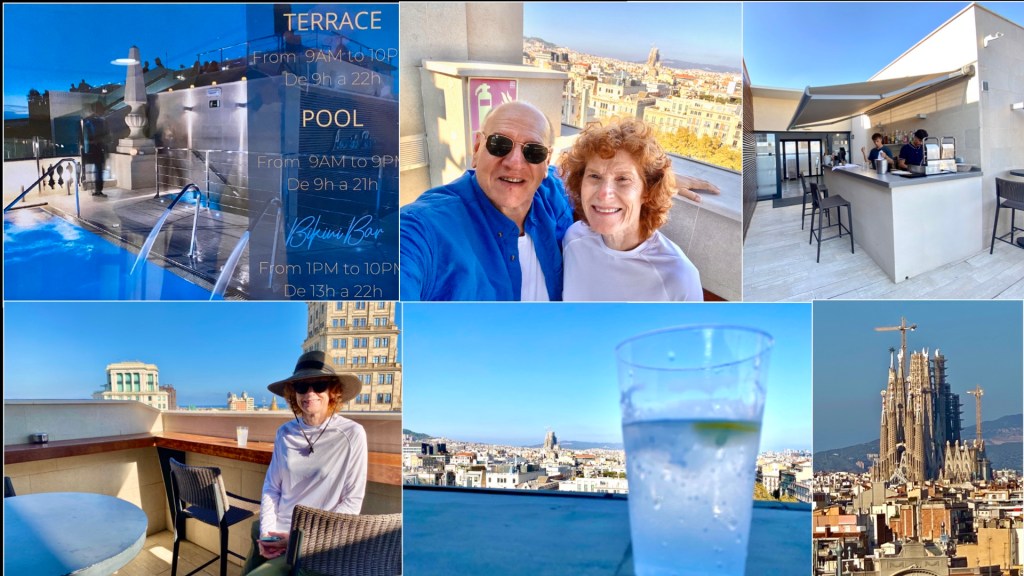
Sunrise Viewed From Hotel Rooftop
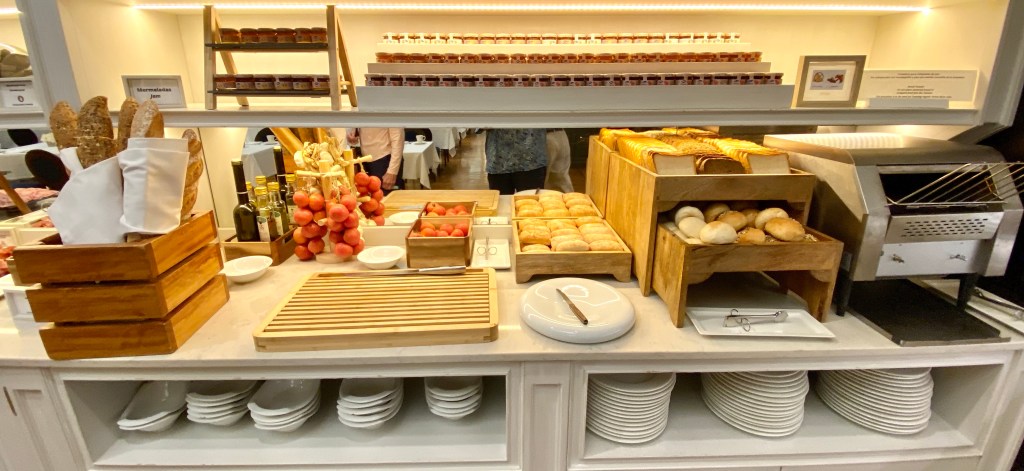
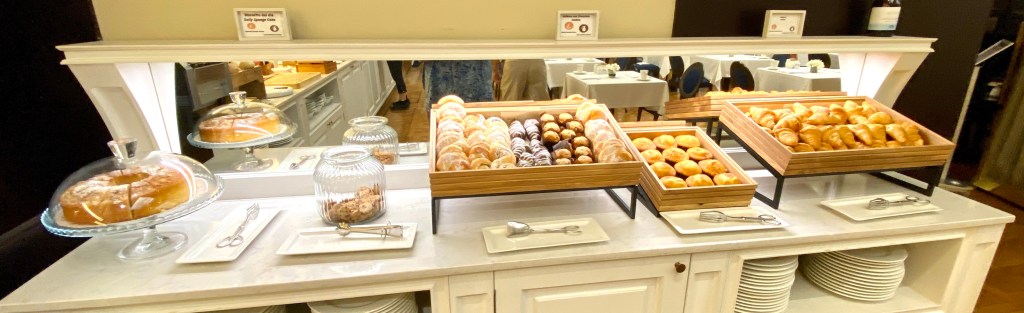
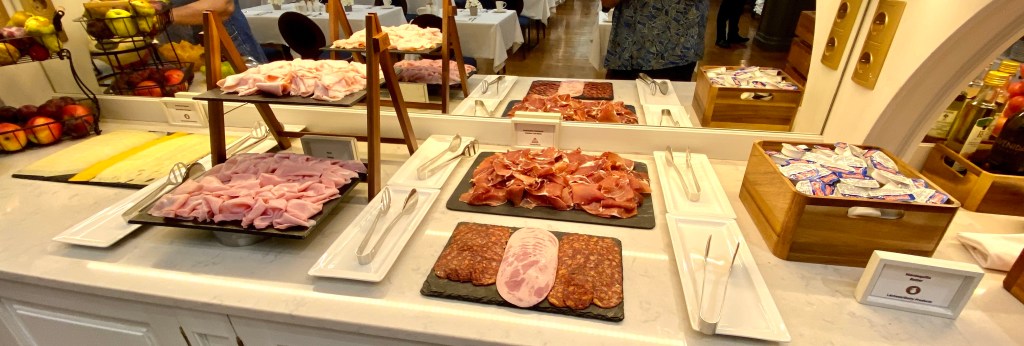
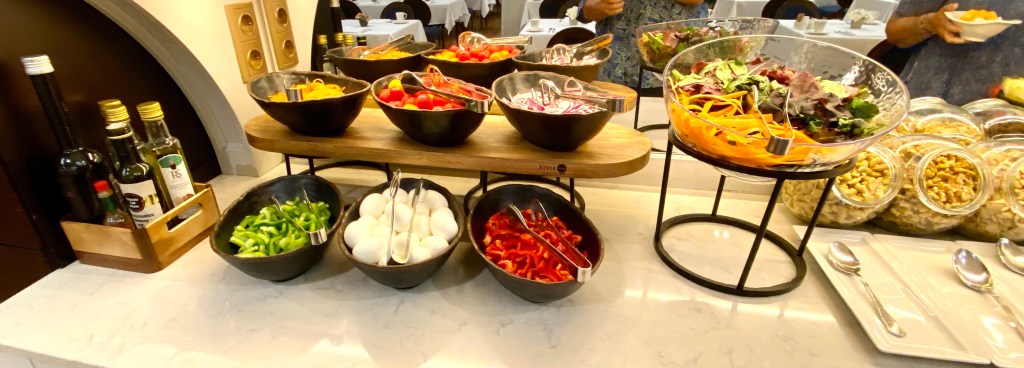
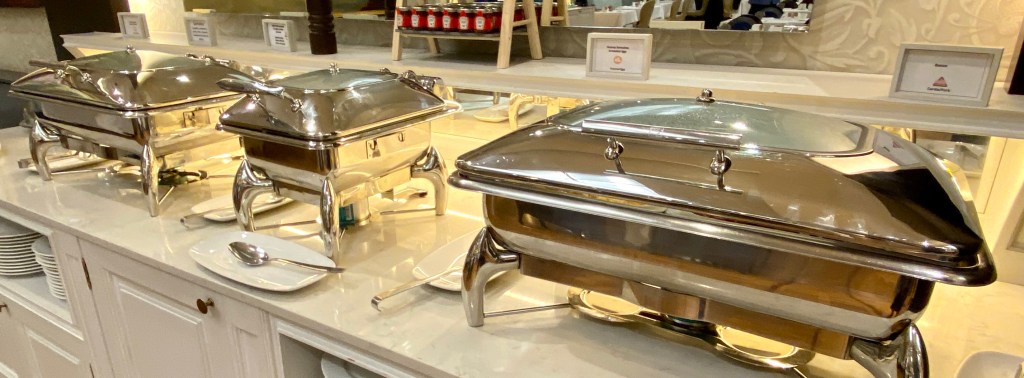
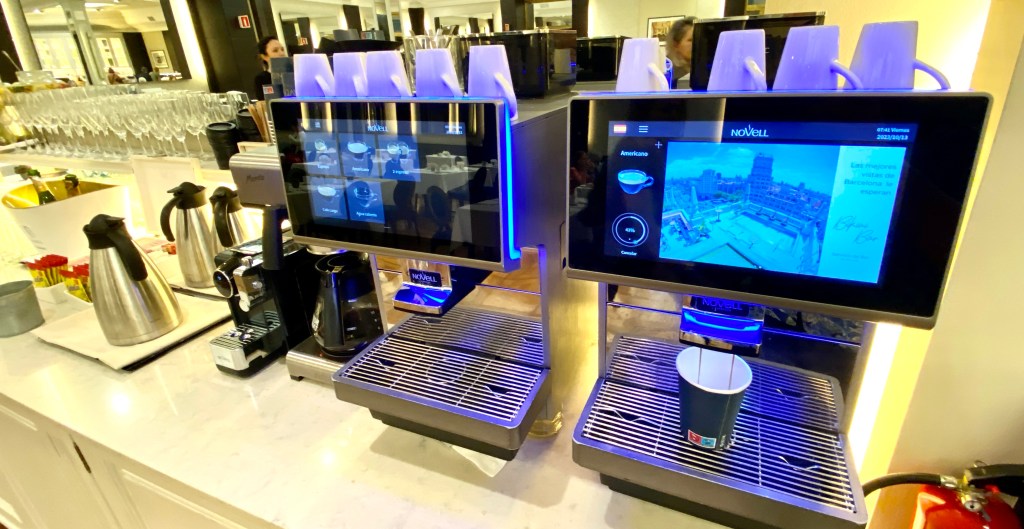
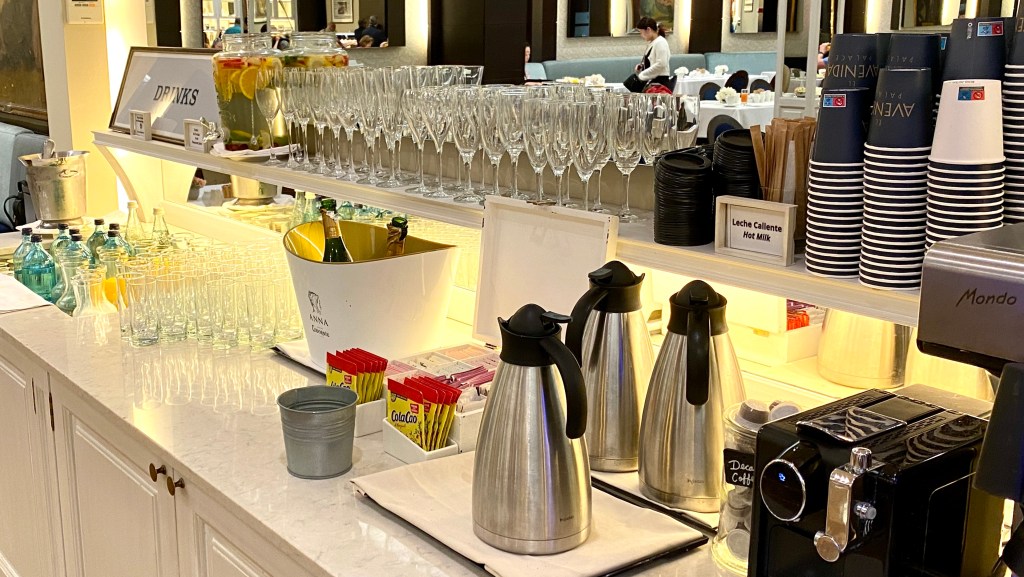
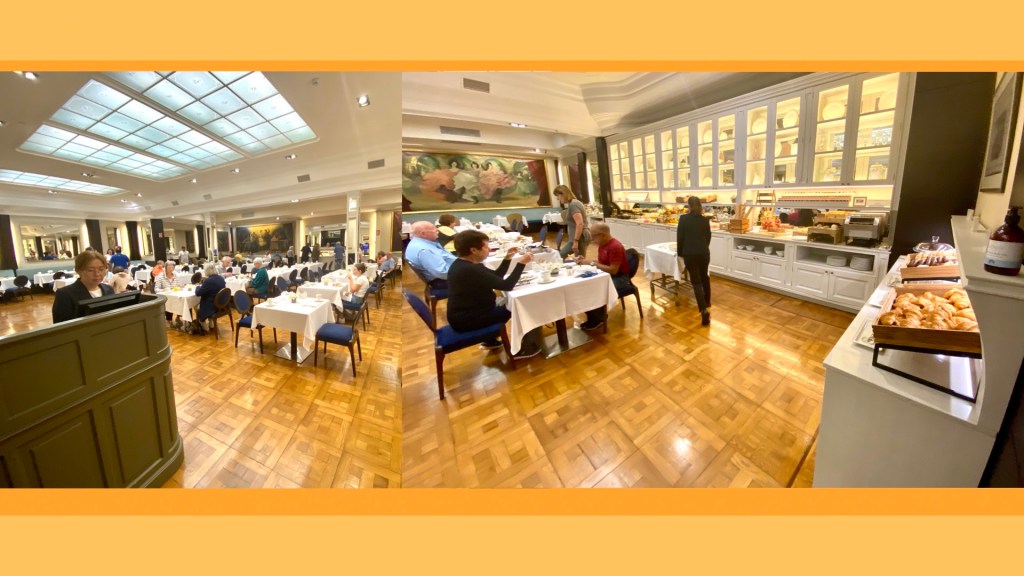
Another AMAZING Breakfast

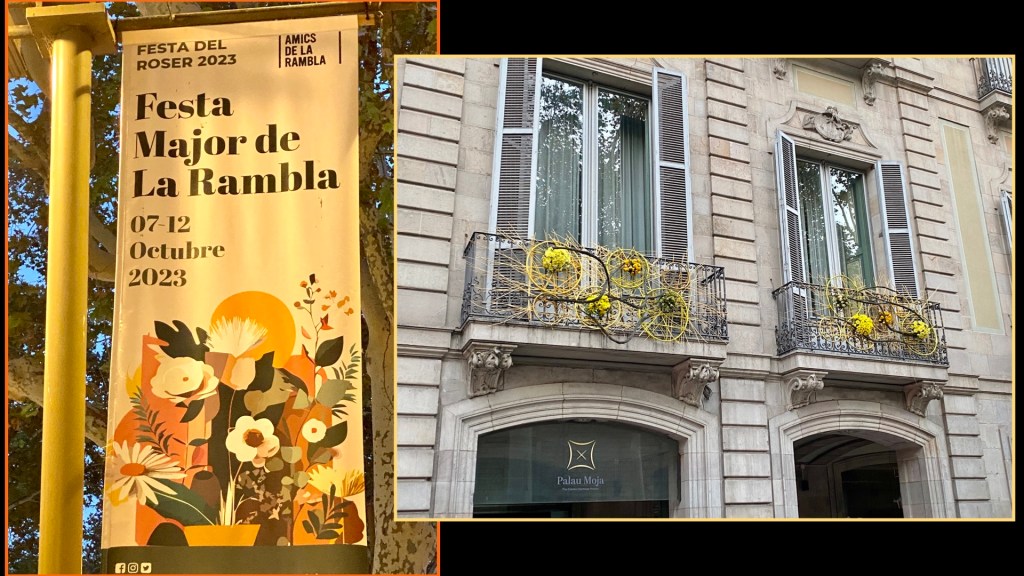
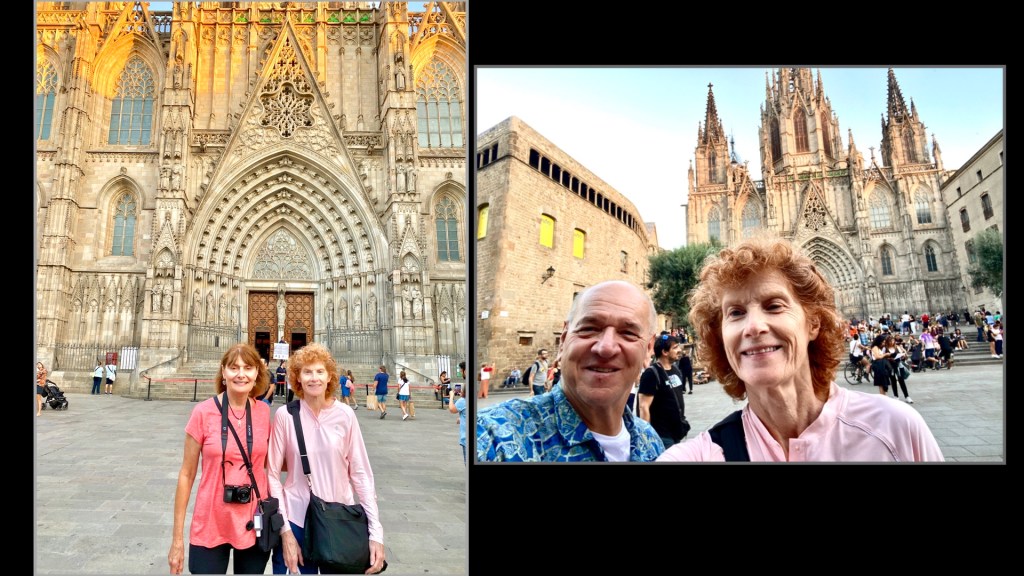
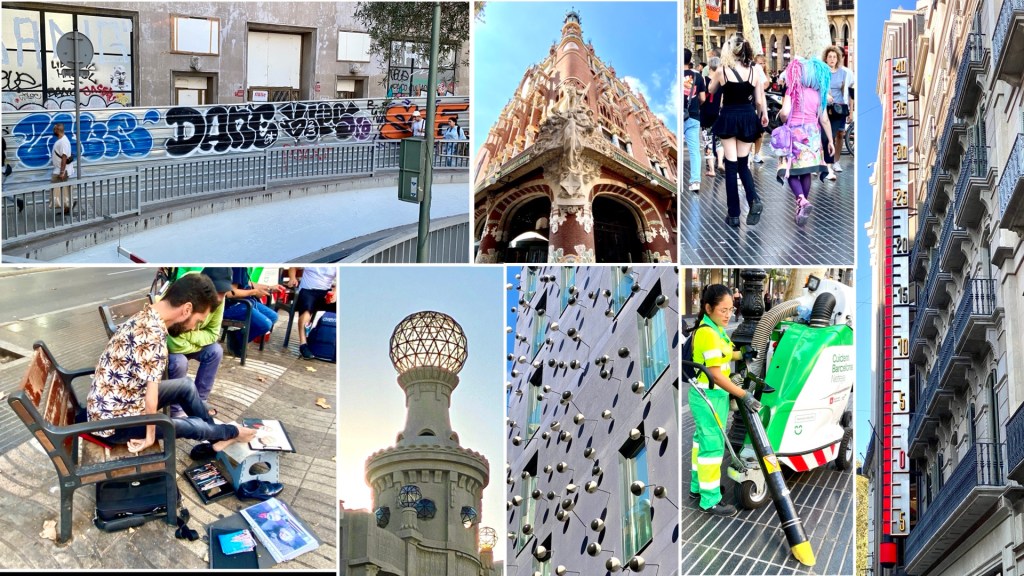
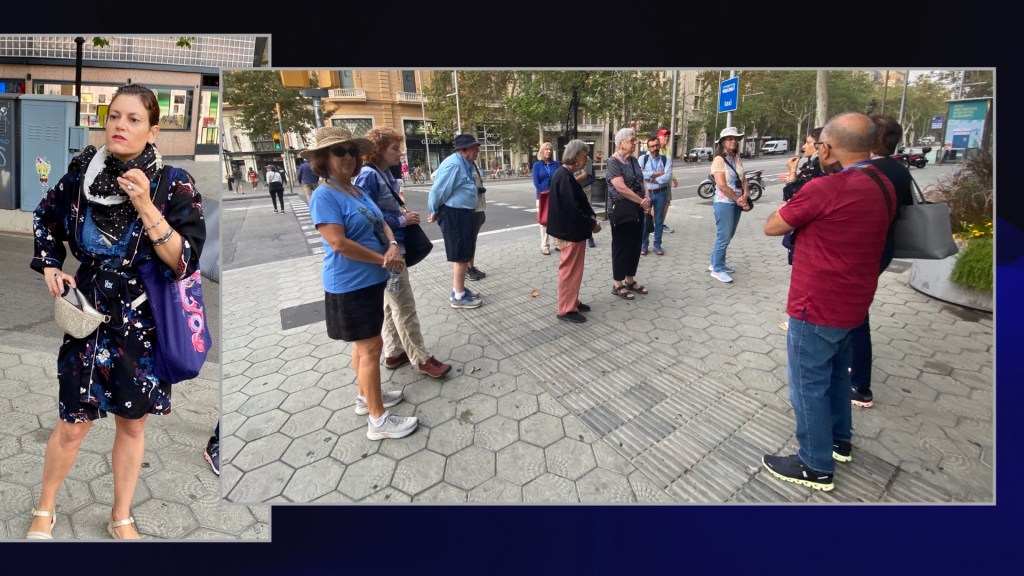
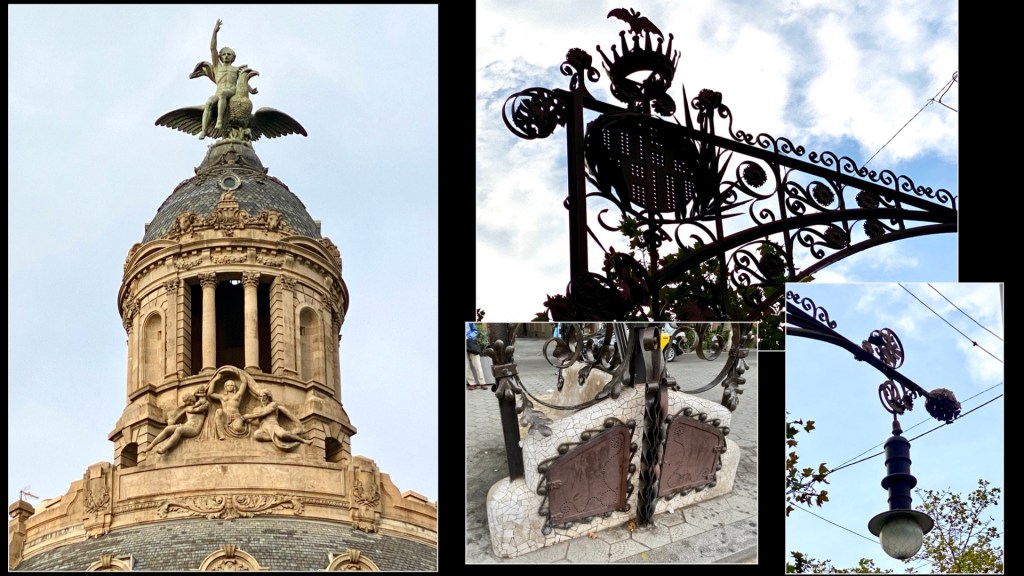
This morning’s city tour features Barri Gòtic (Gothic Quarter), a maze of medieval streets, squares, and mansions; and Las Ramblas, the tree-lined pedestrian mall that attracts locals and visitors alike, day and night.
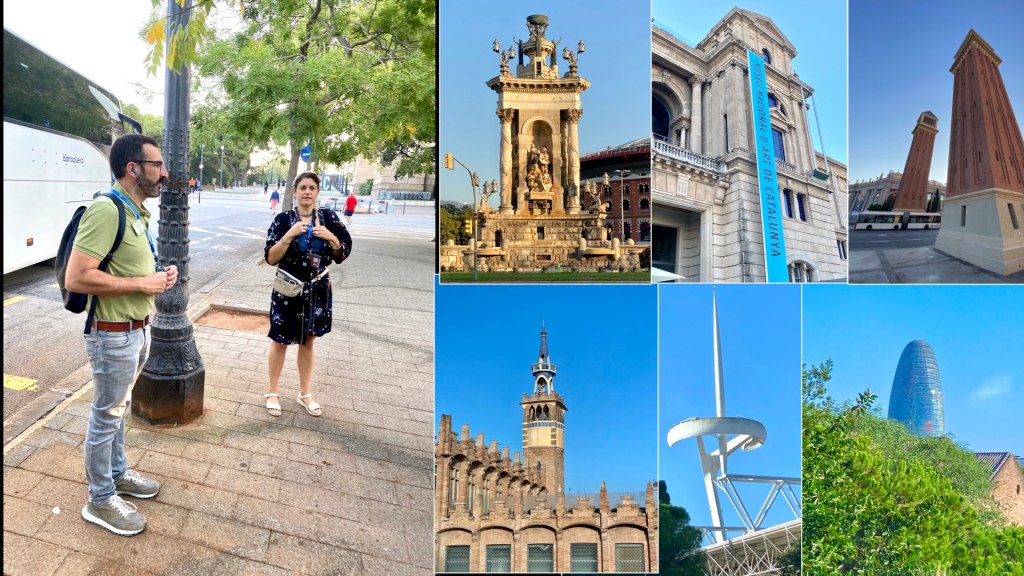
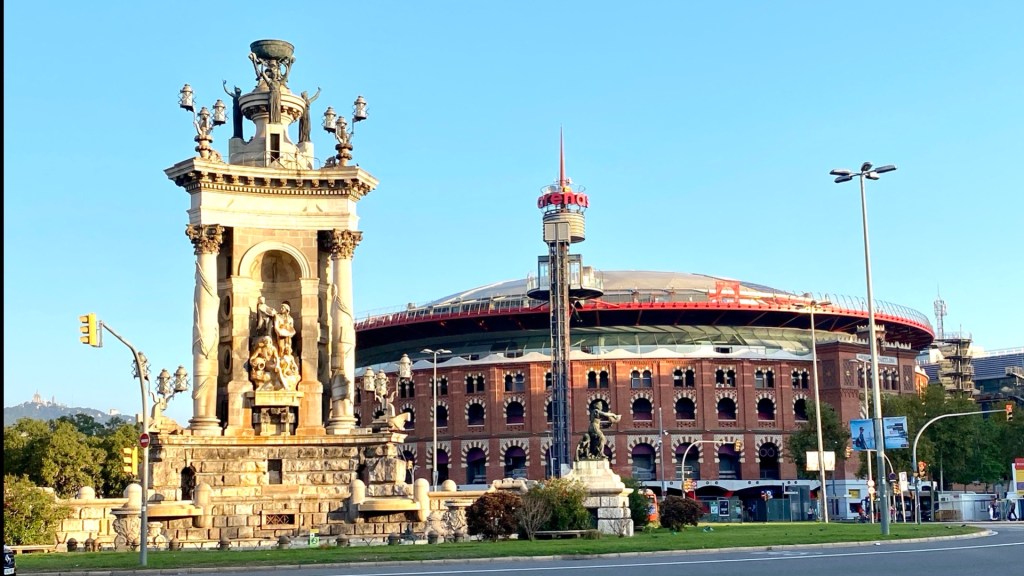
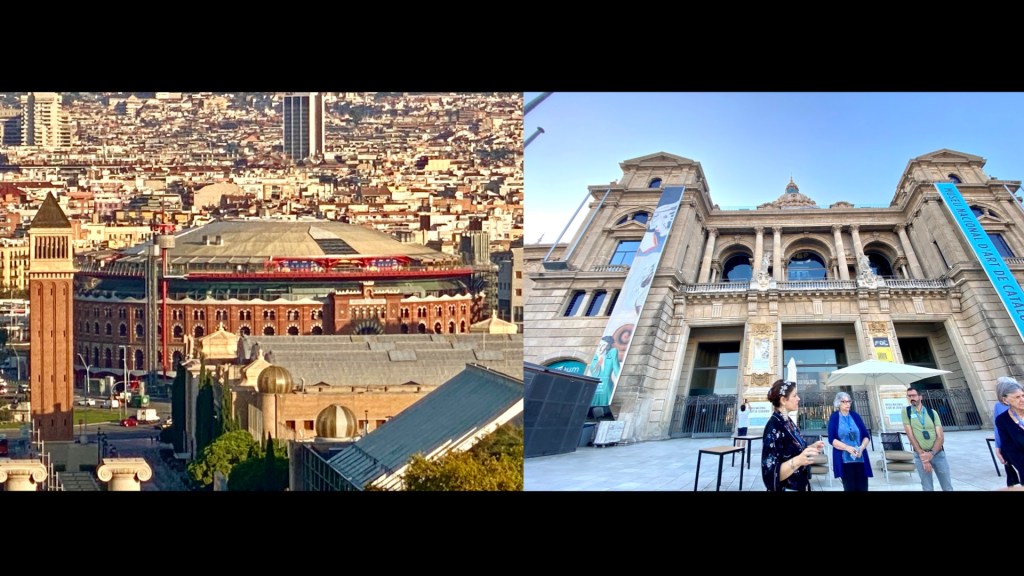
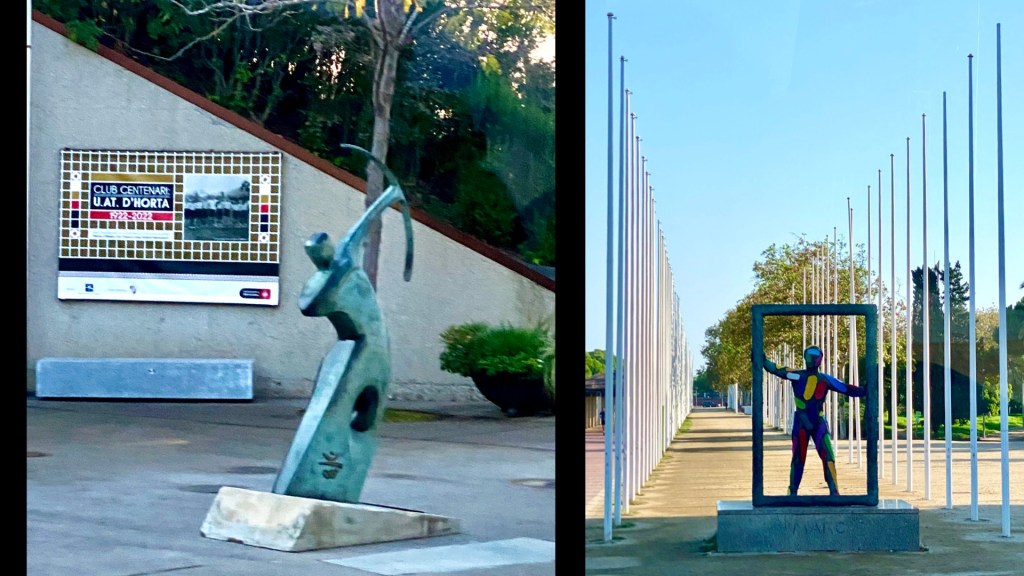
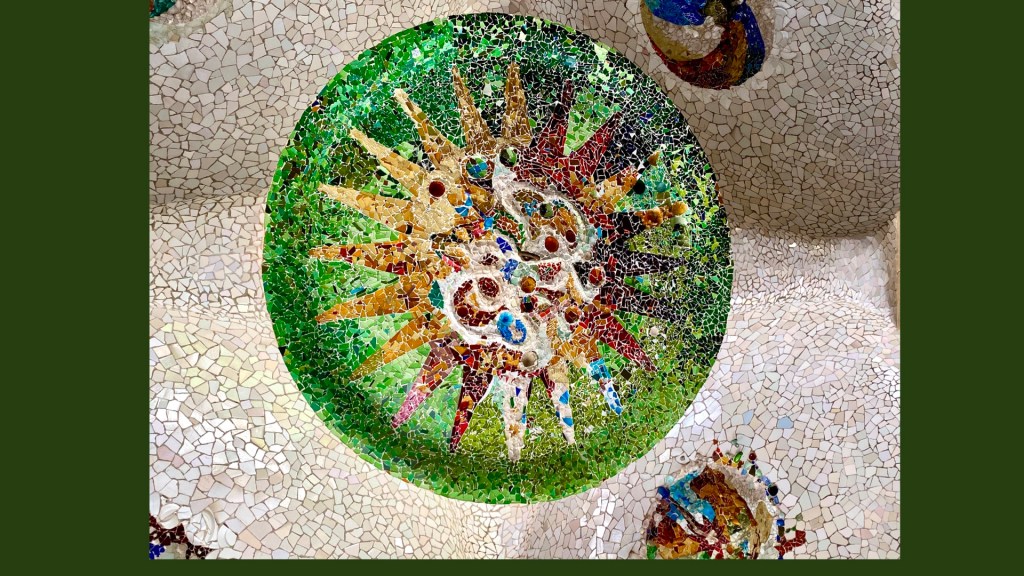
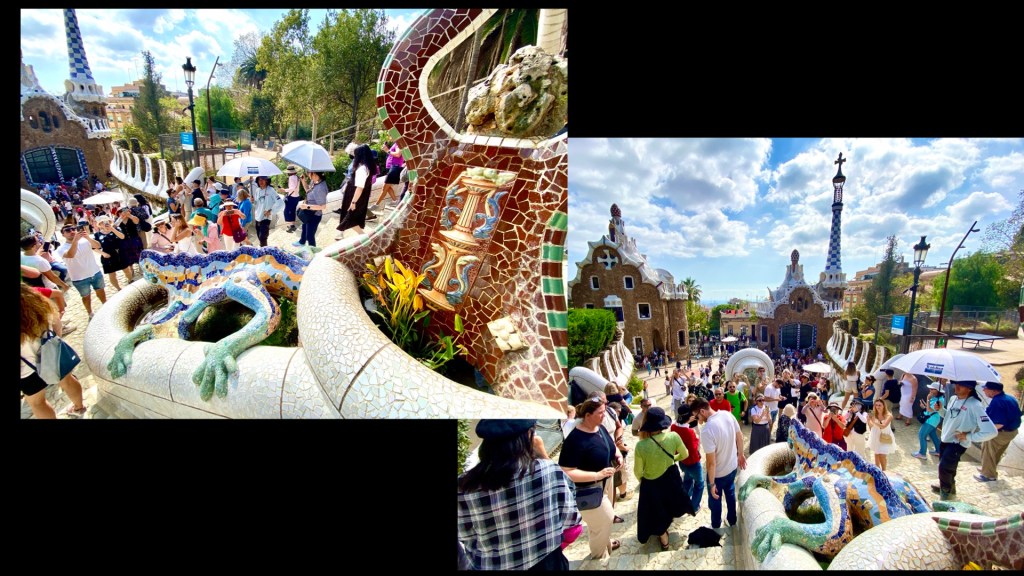
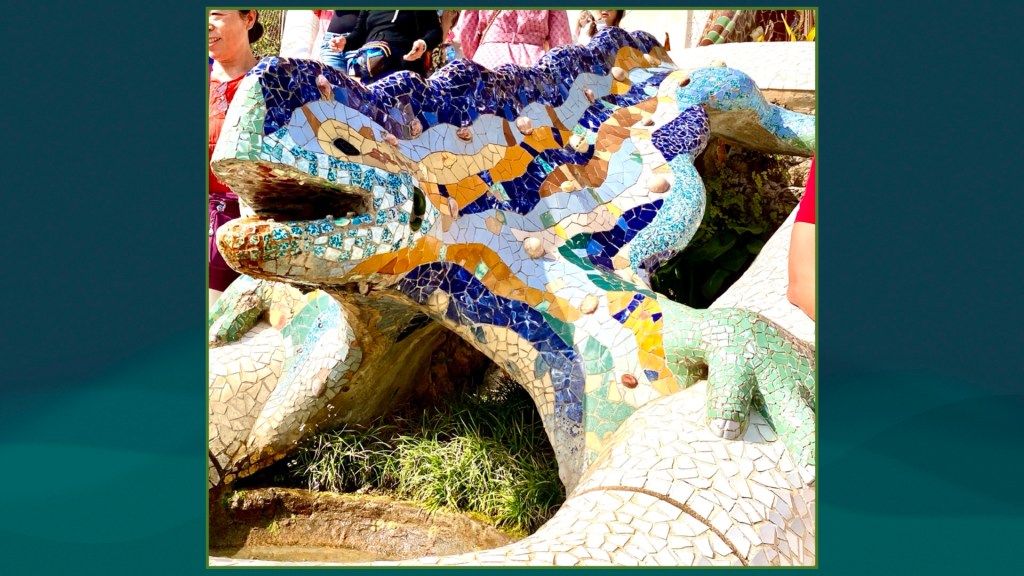
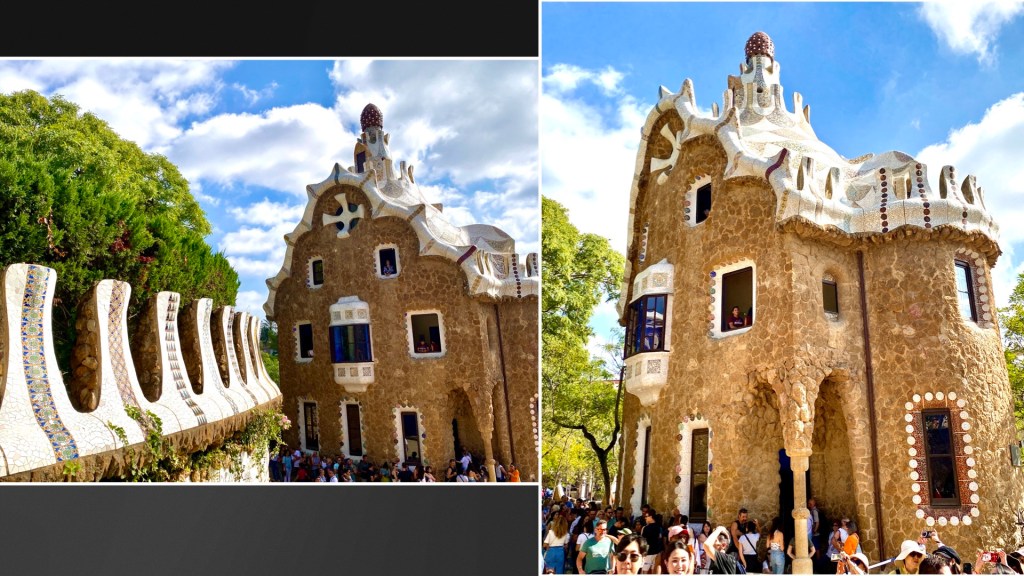
We pay homage to Barcelona’s native son, flamboyant artist Antonio Gaudí, as we walk through fanciful Parc Guell, one of Barcelona’s most beloved spots; and take a tour inside the landmark Sagrada Familia, the surreal cathedral that was unfinished when the artist died unrecognized and penniless in 1926.
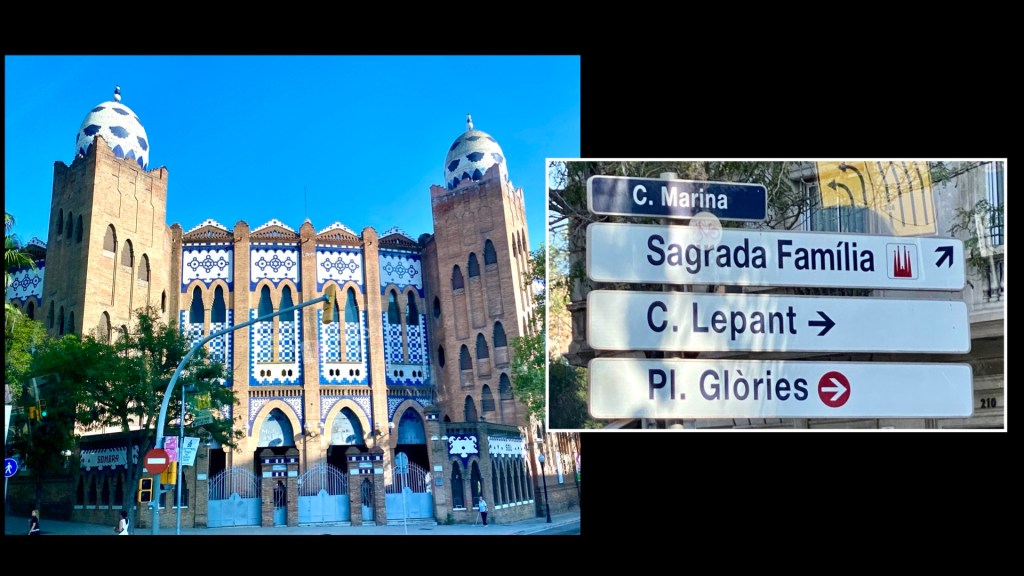
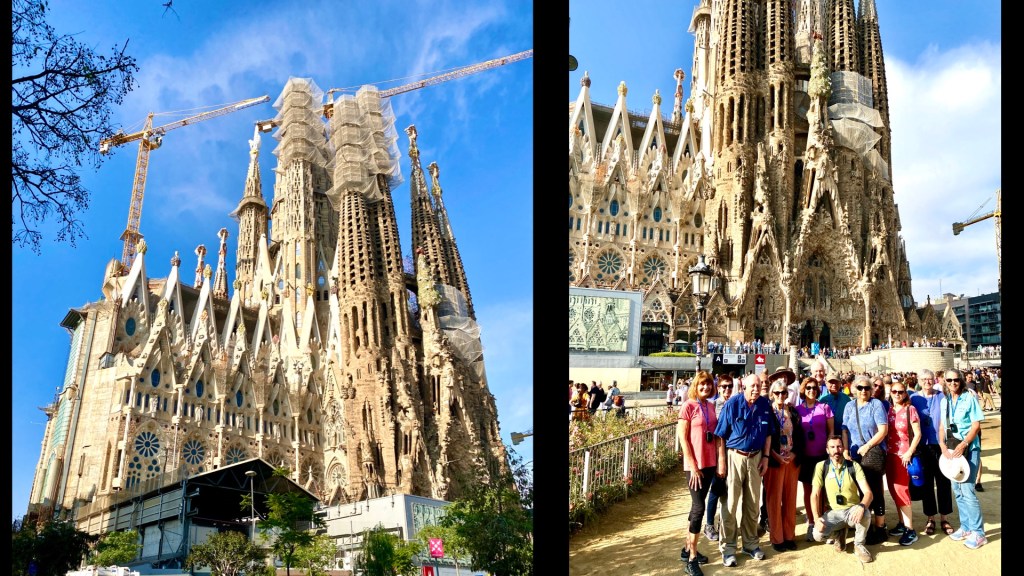
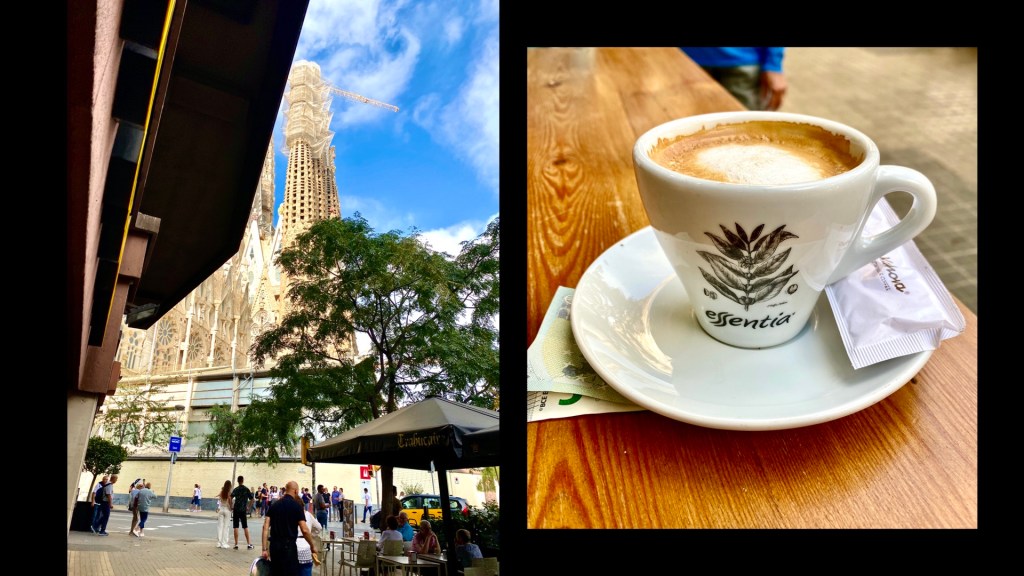
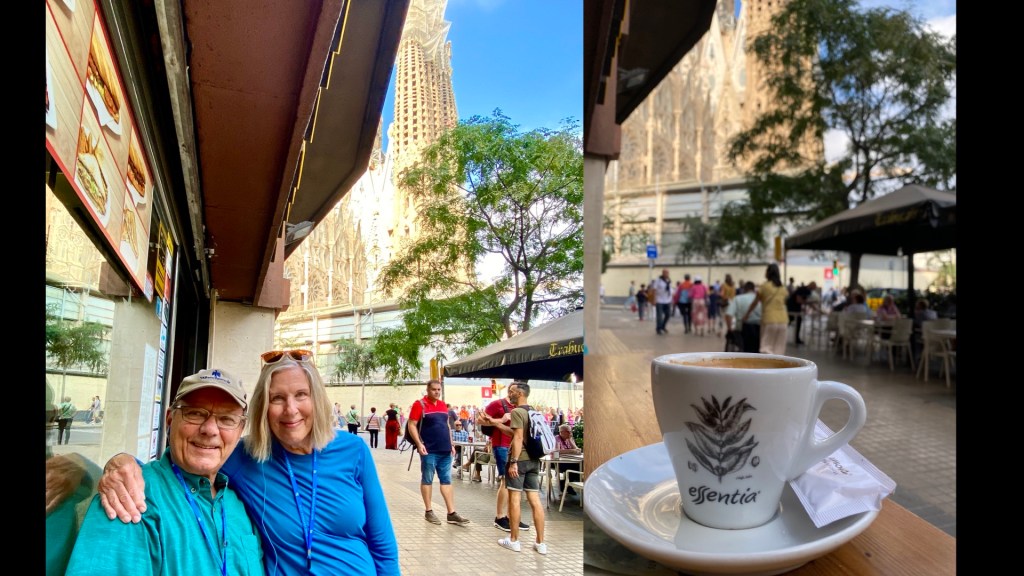
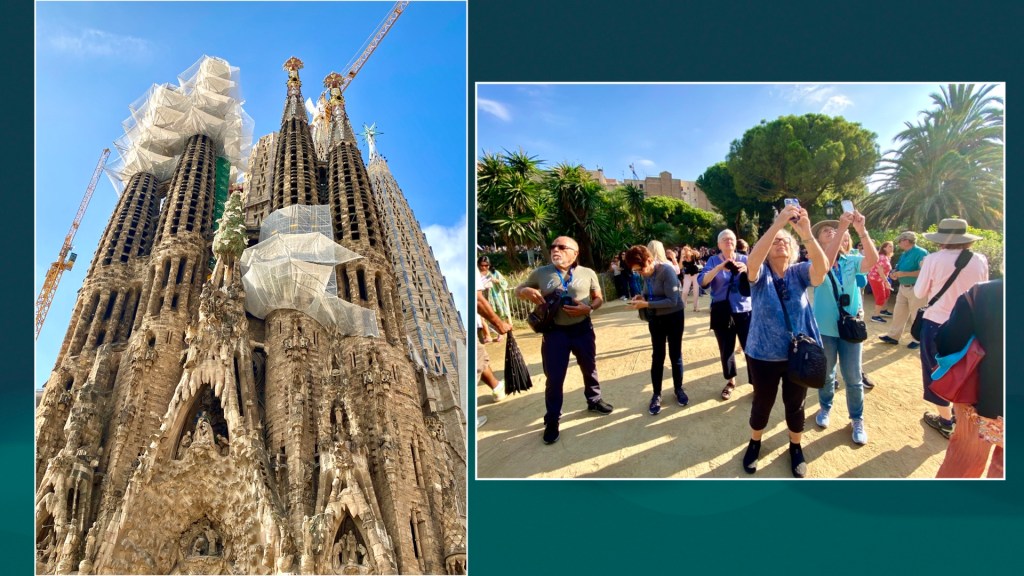
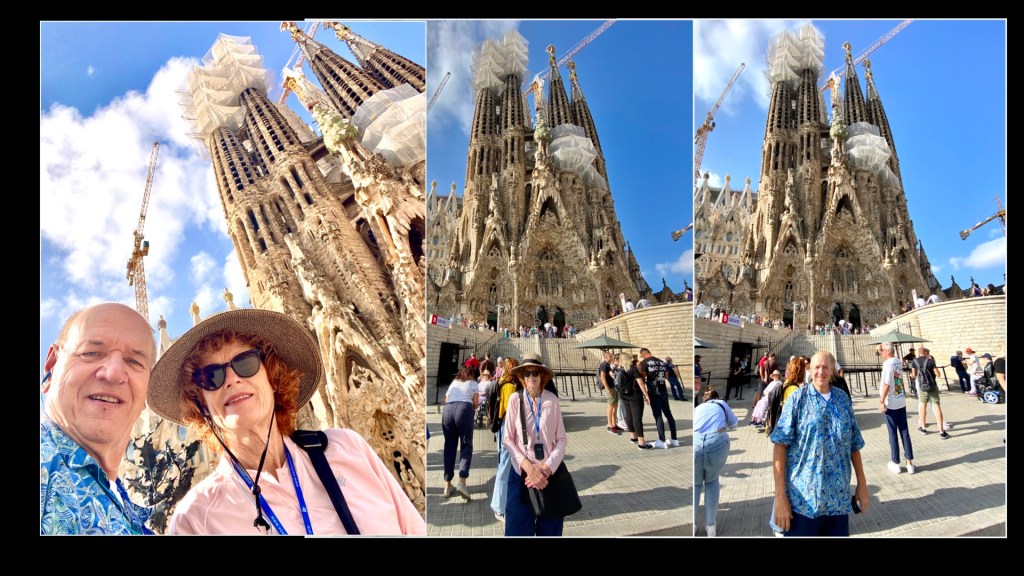
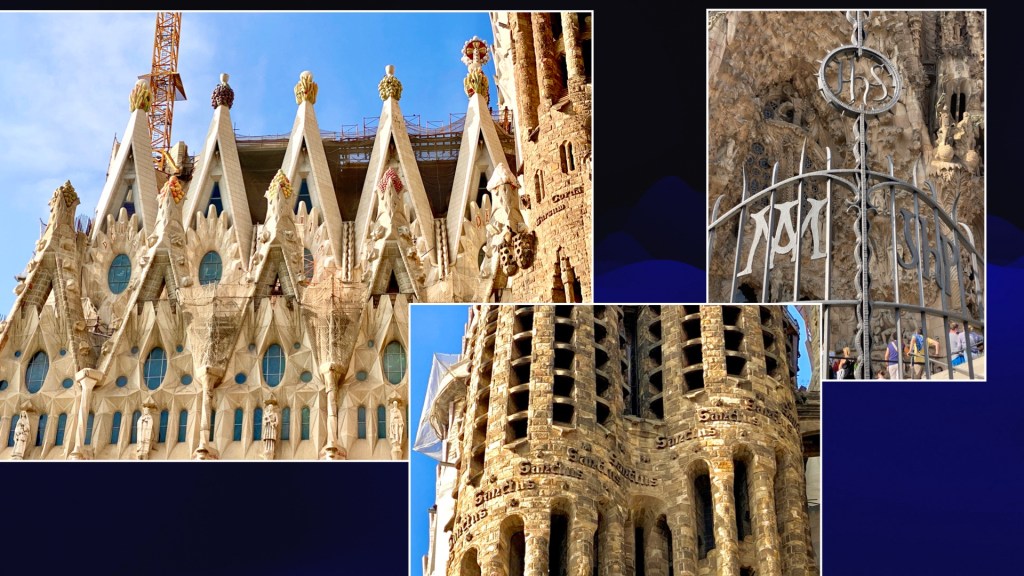
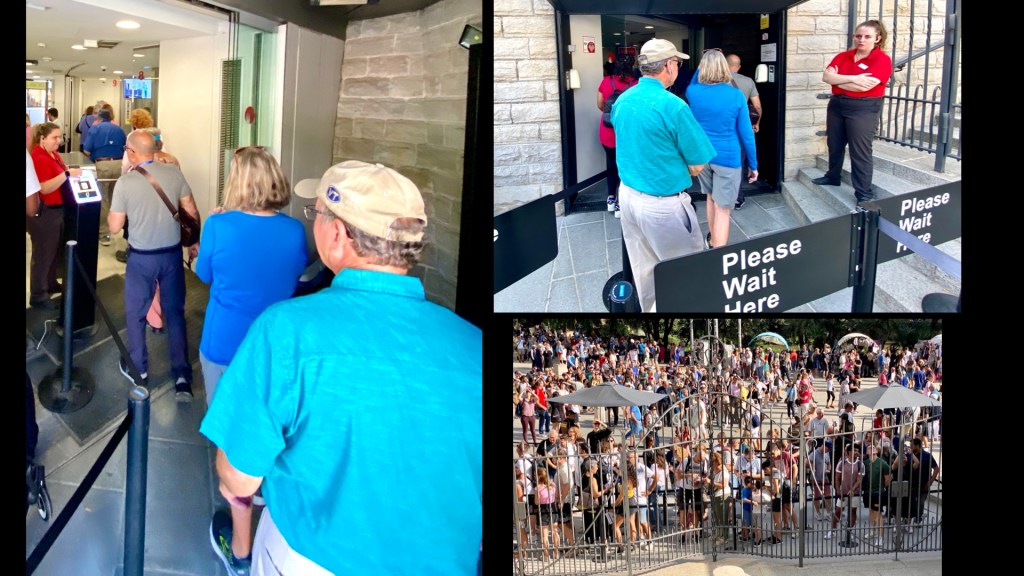
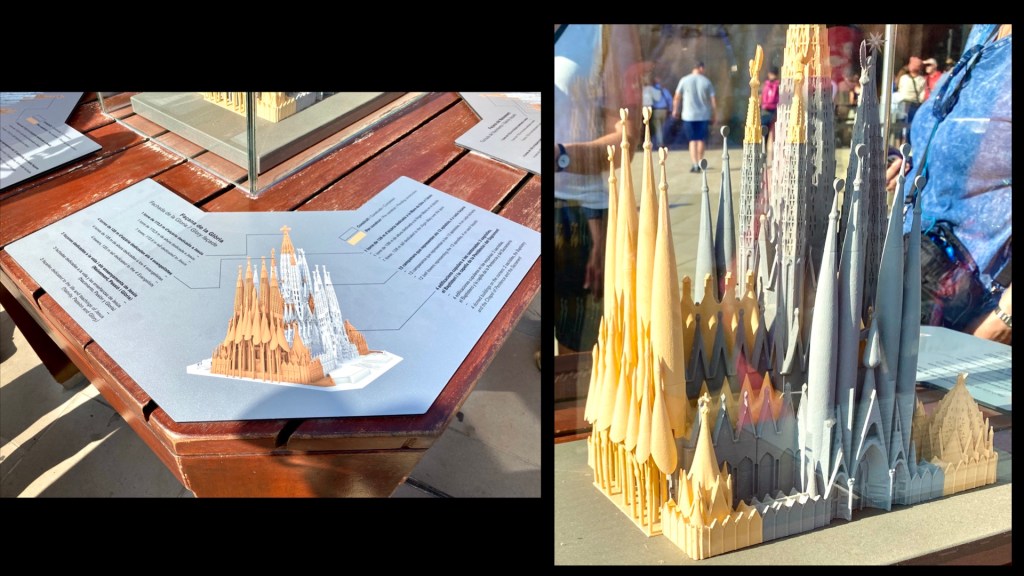
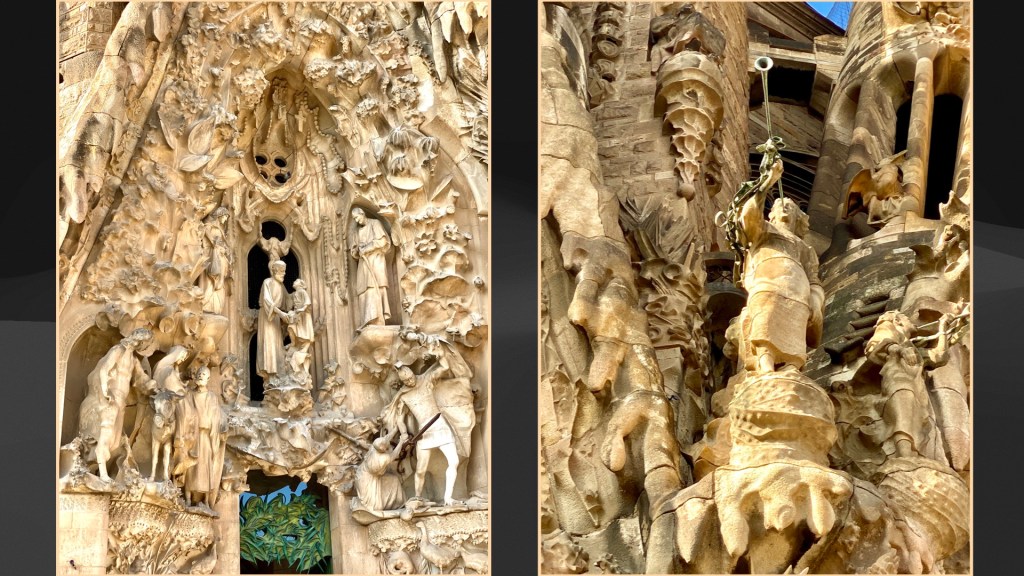
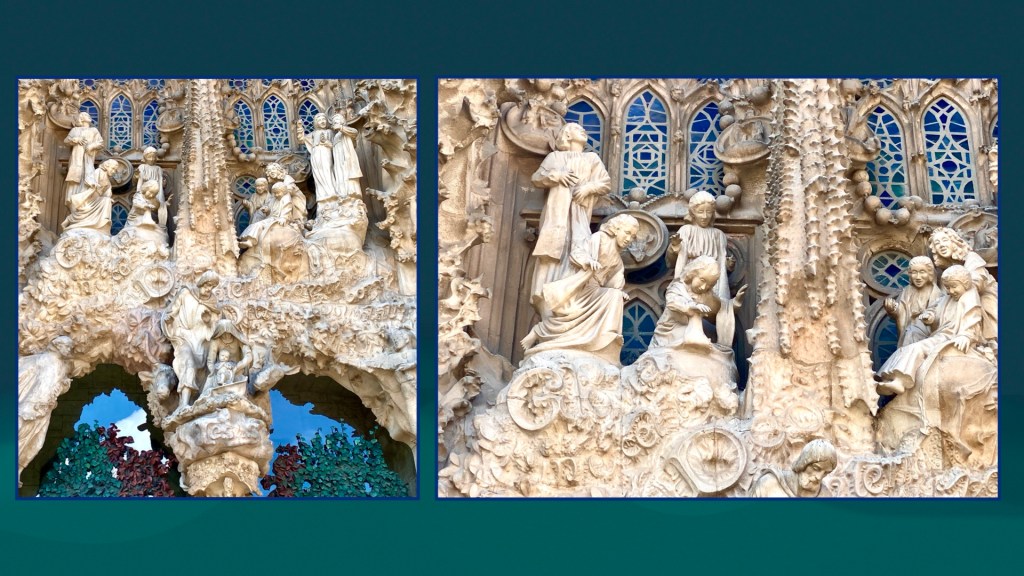

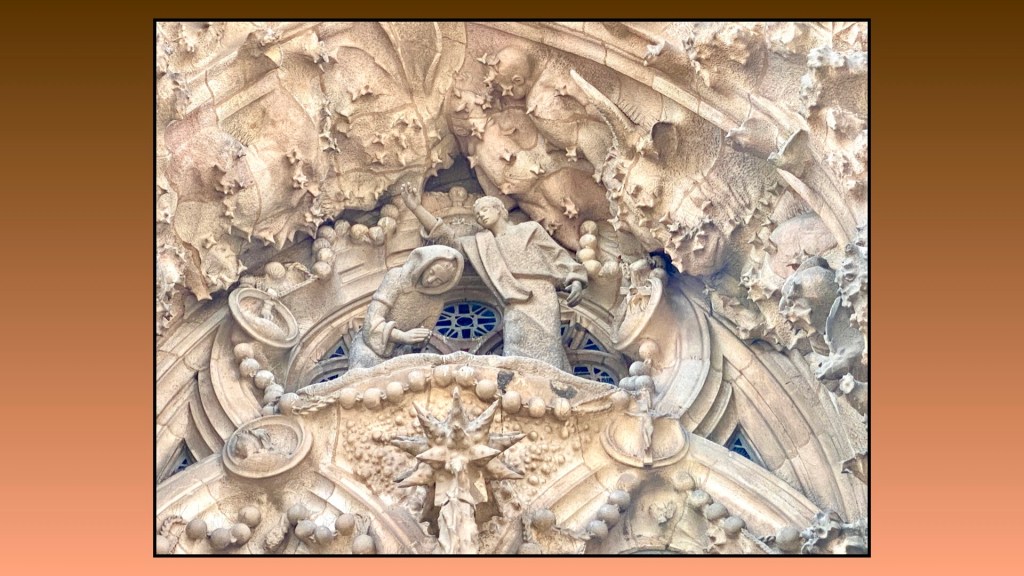
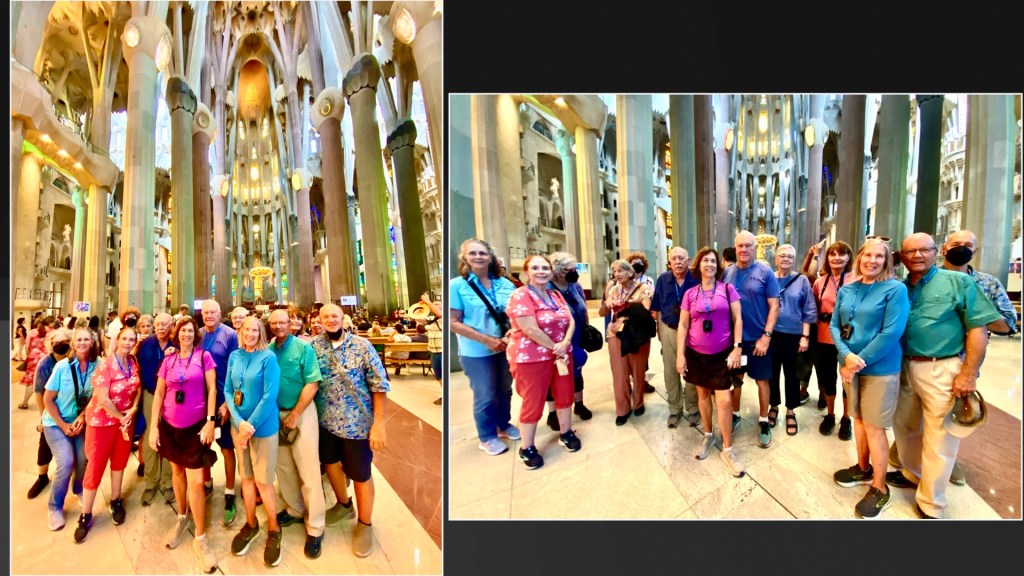

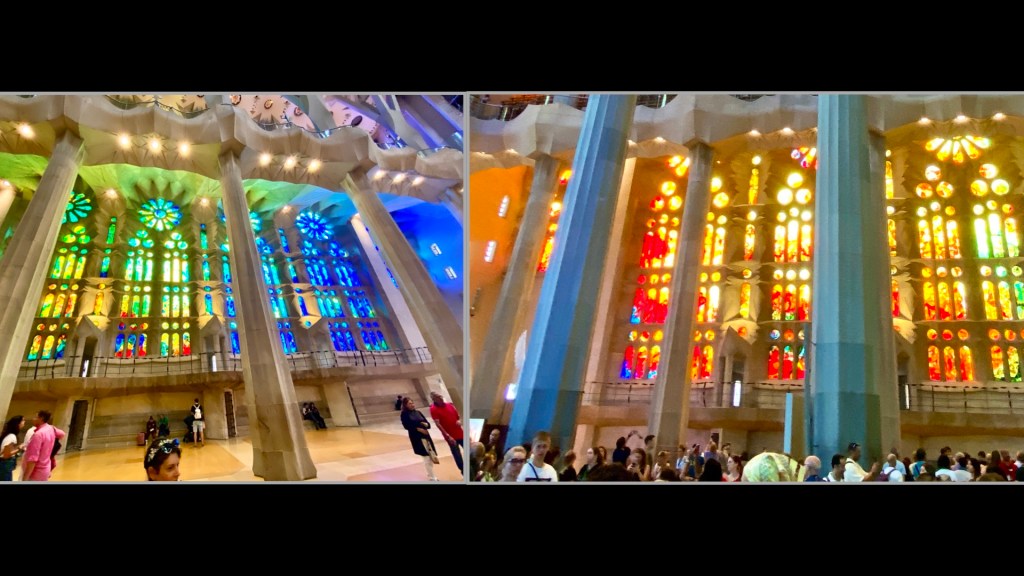
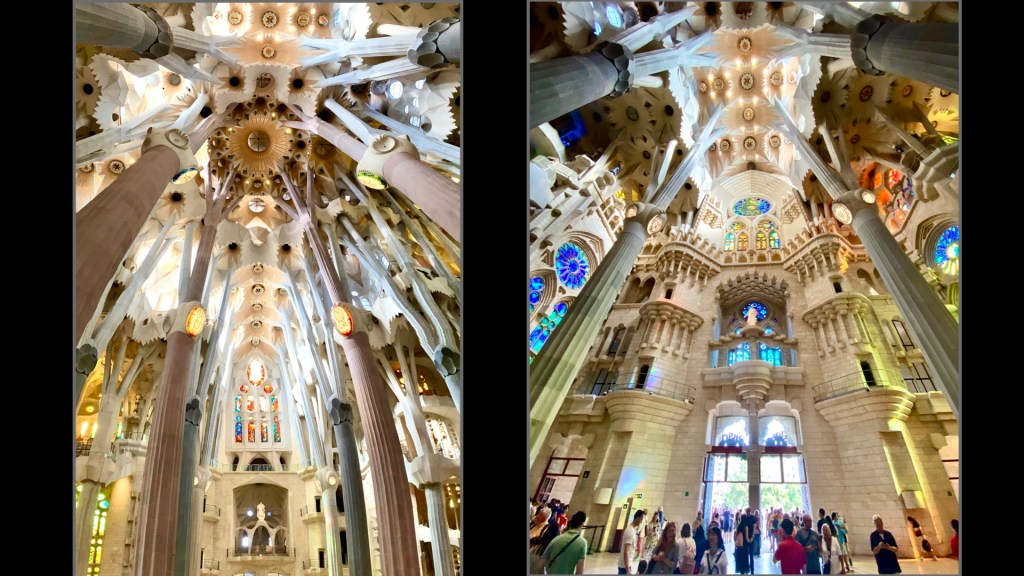
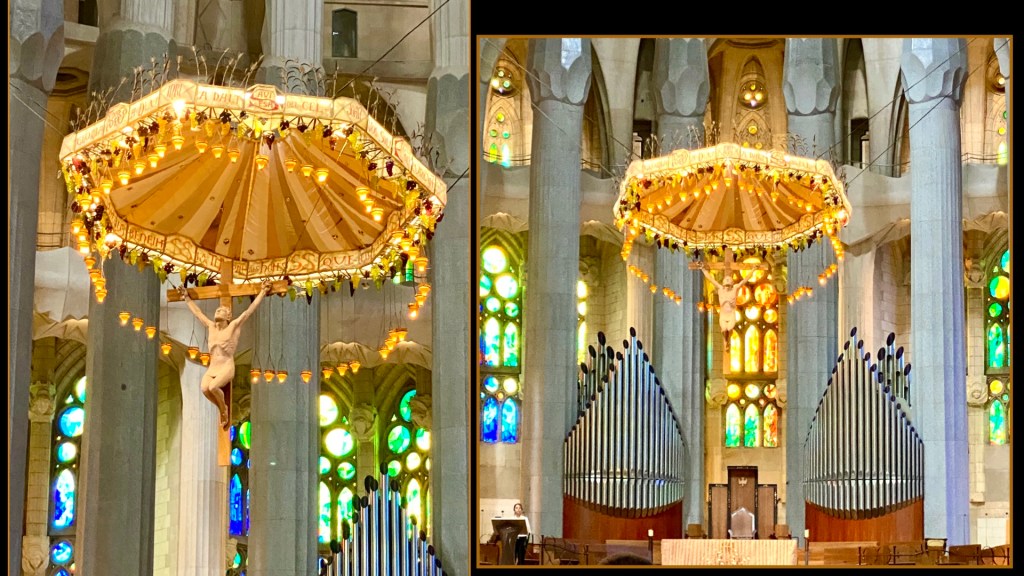
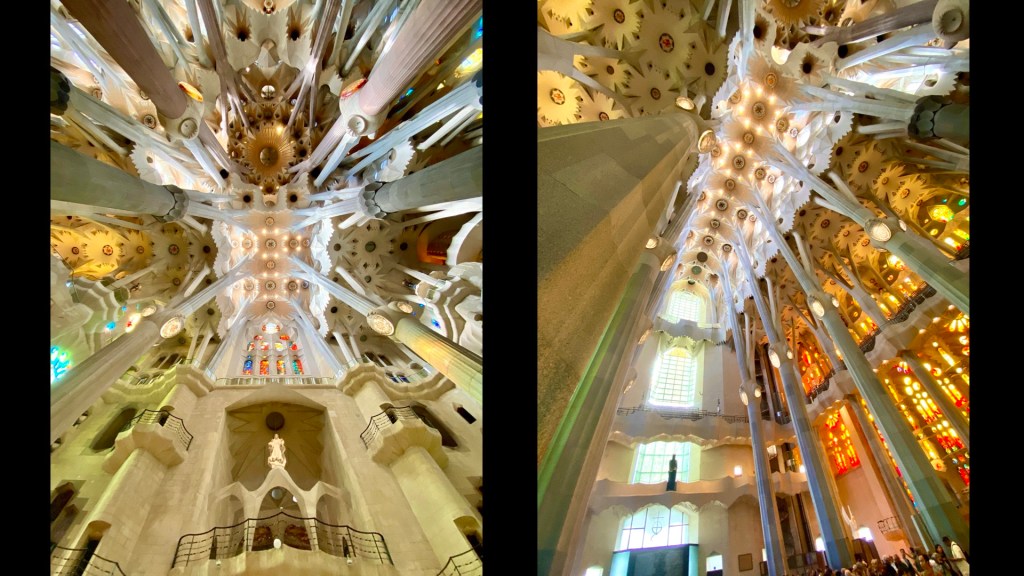
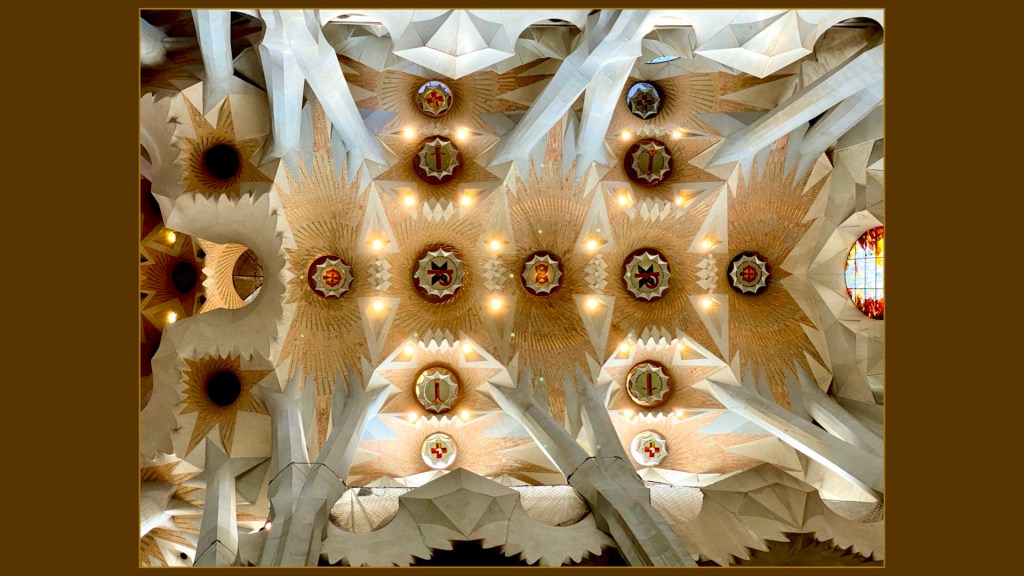
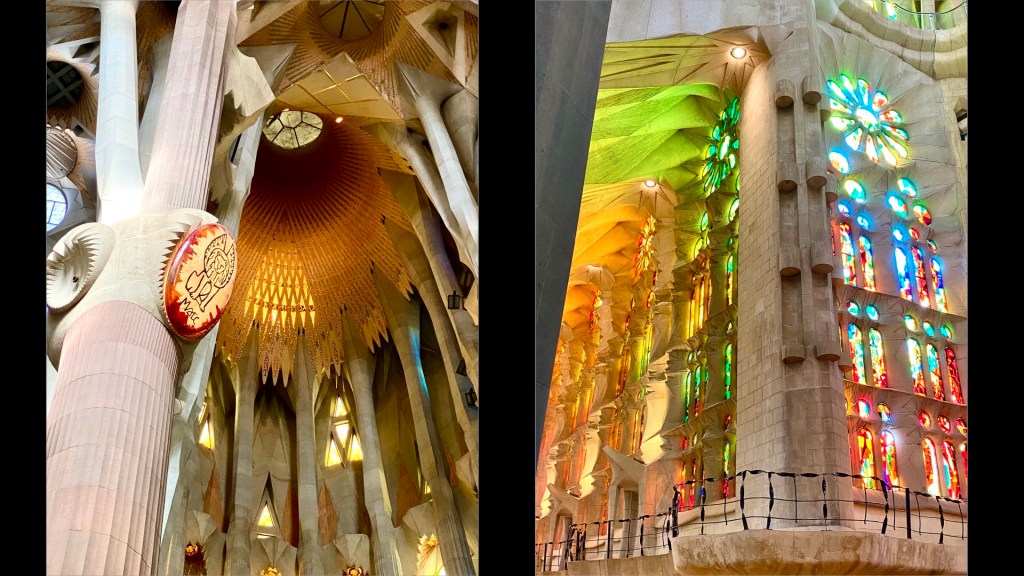
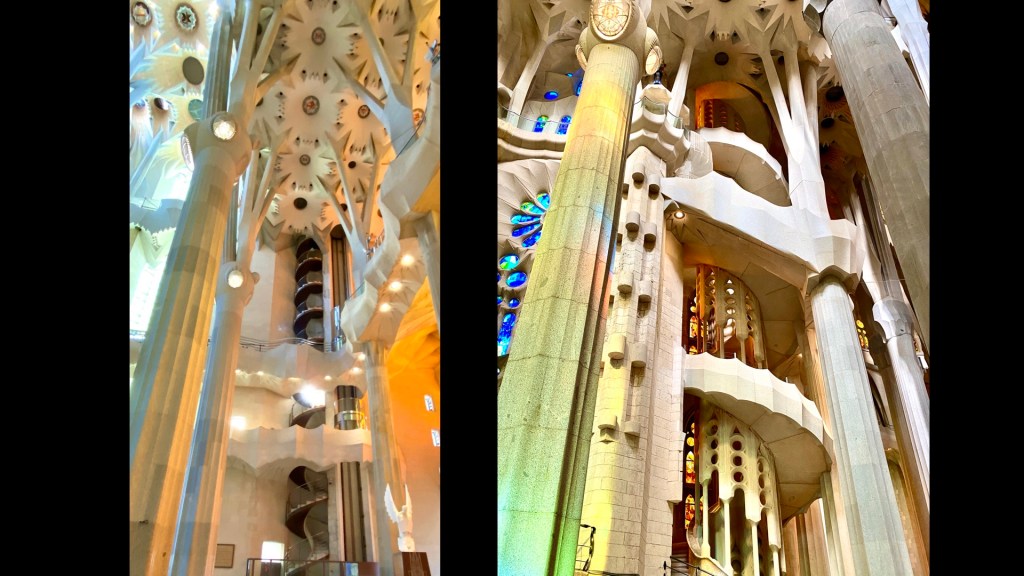
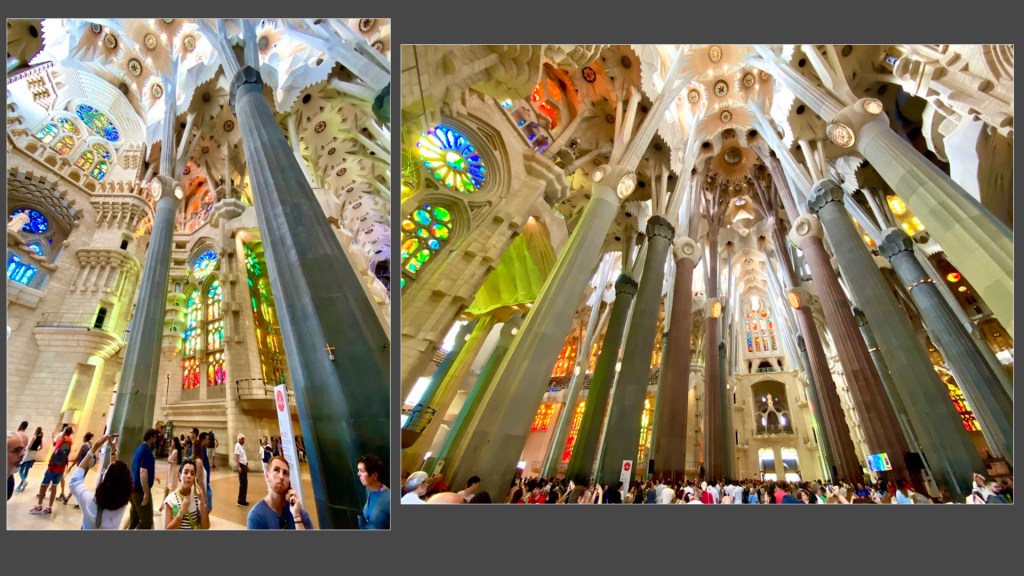
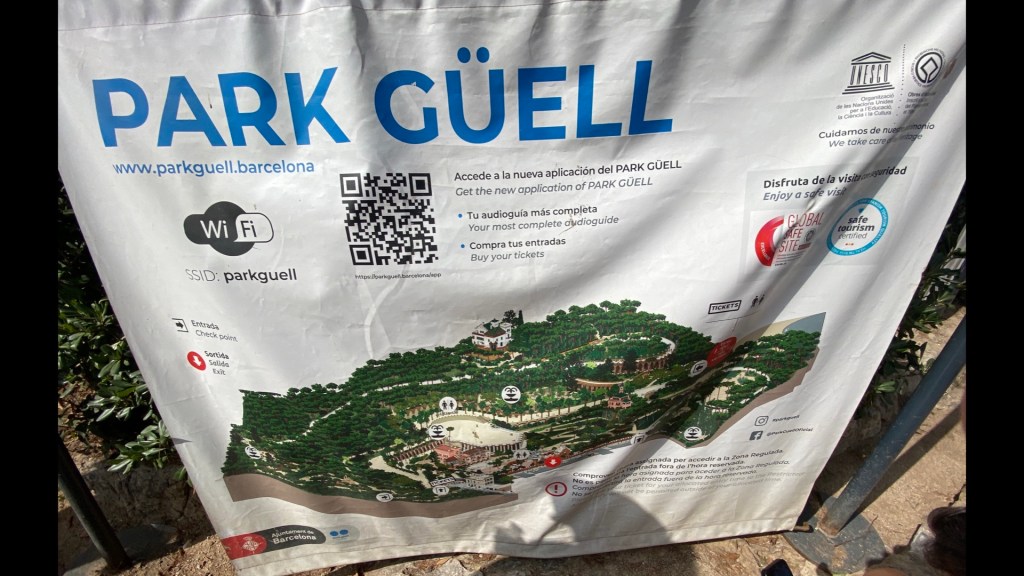
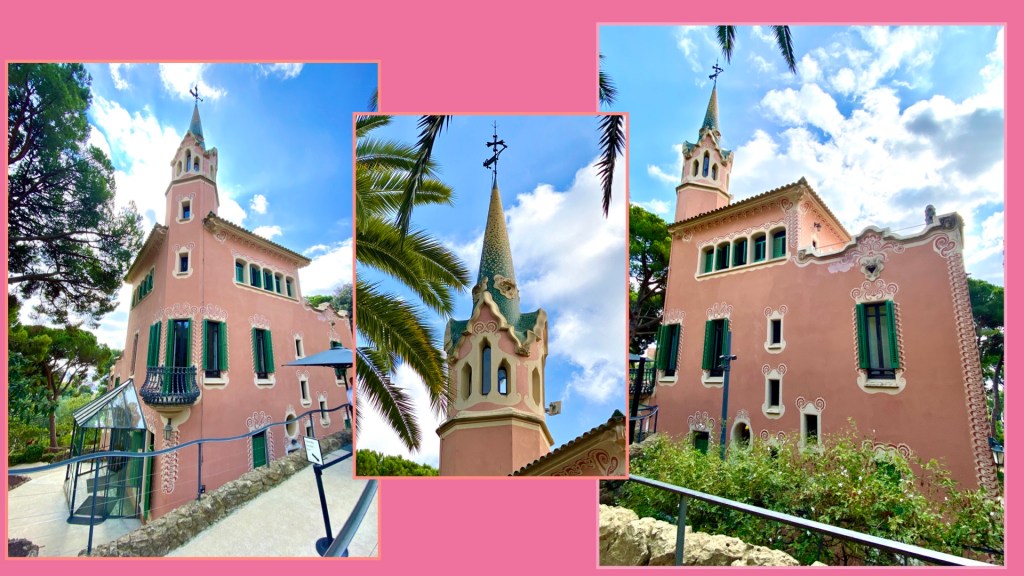
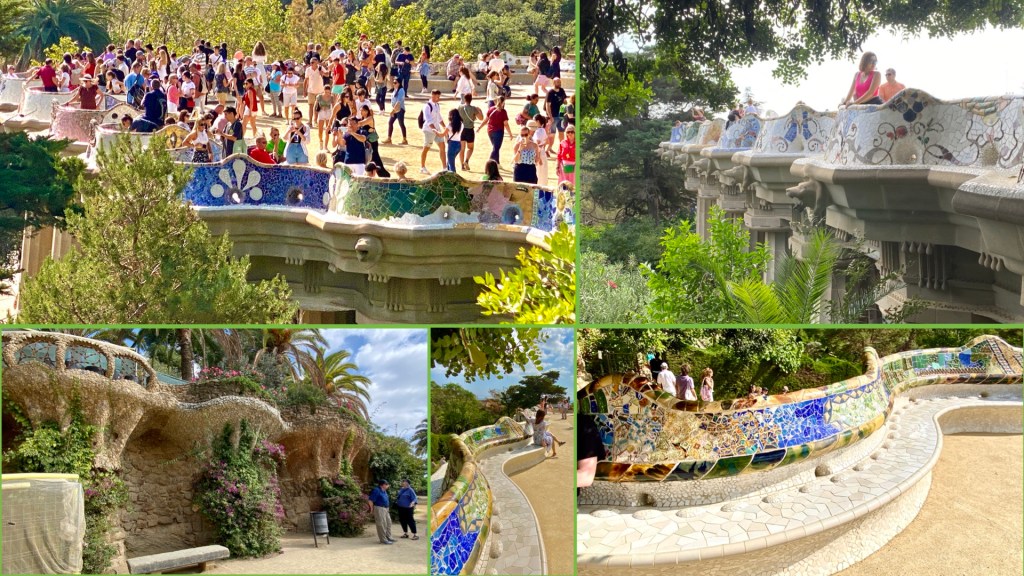
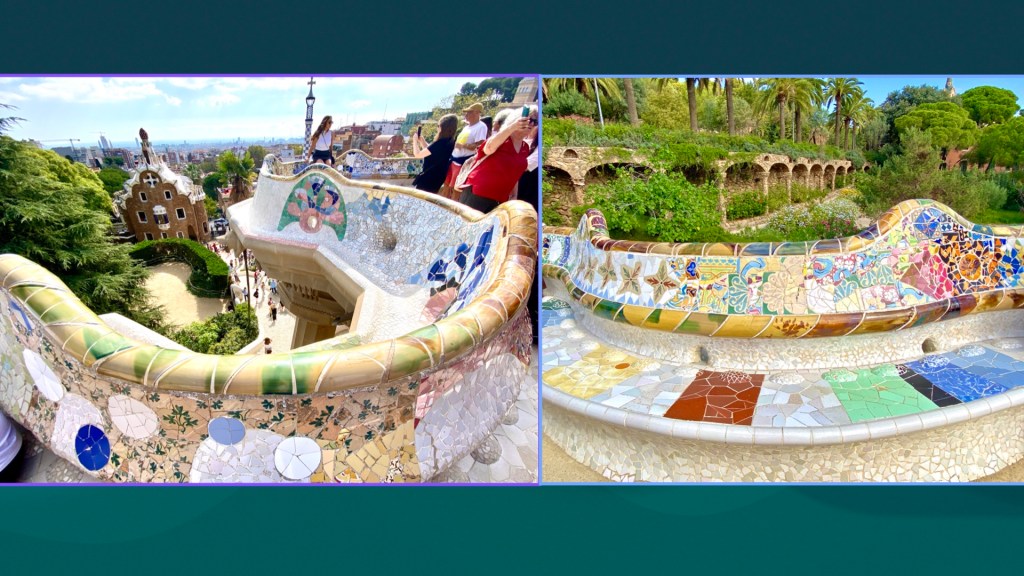
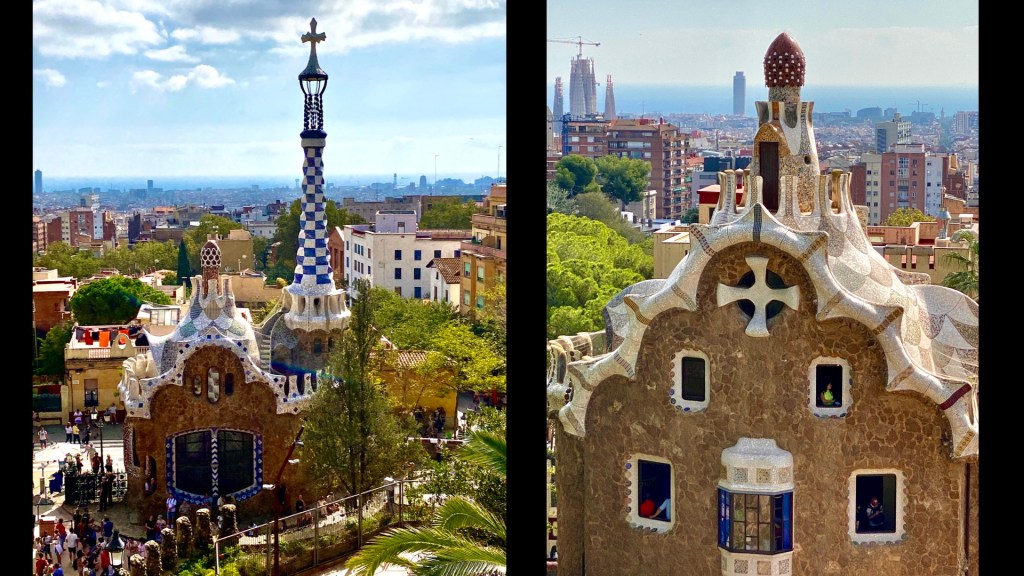
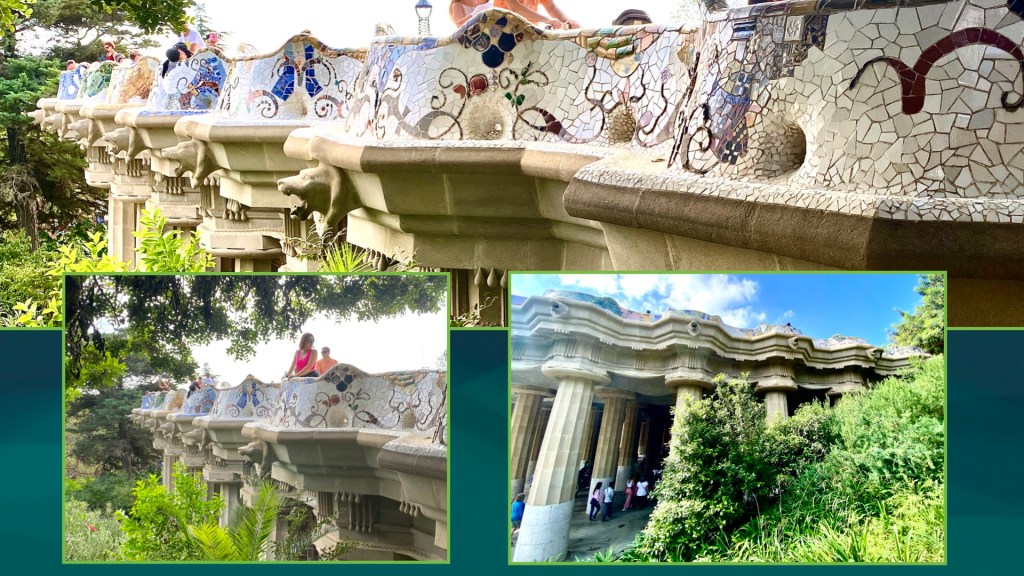
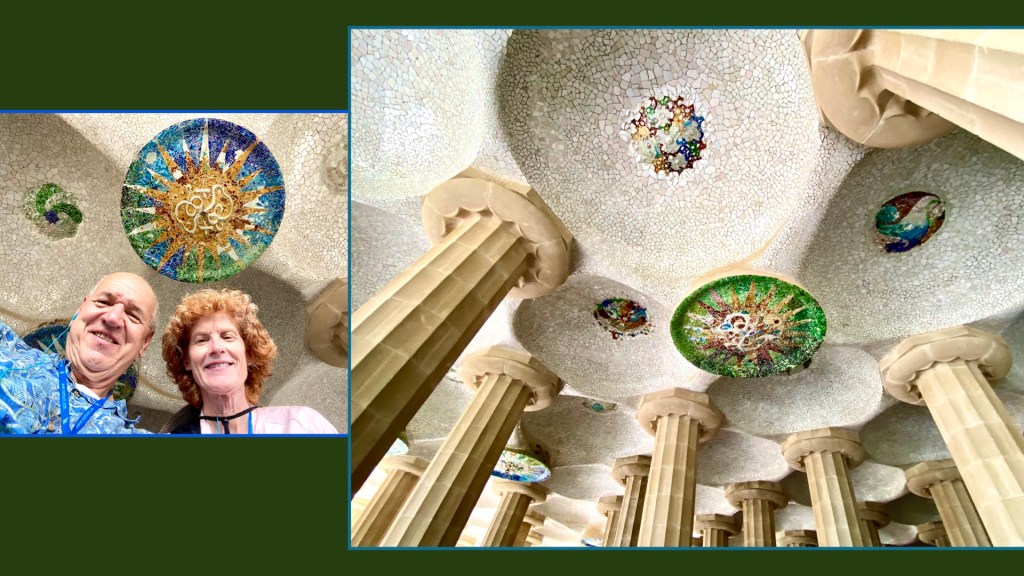
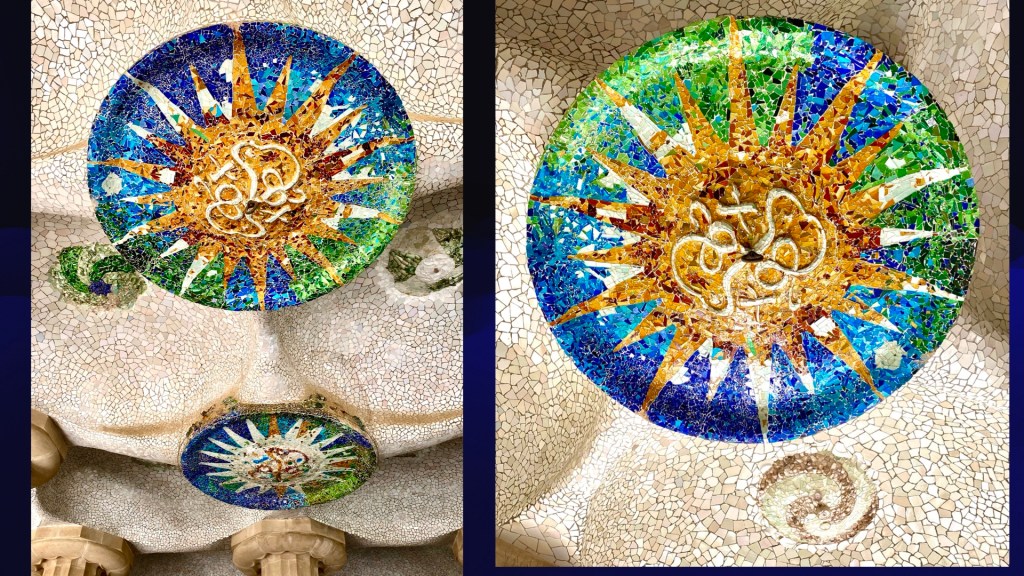
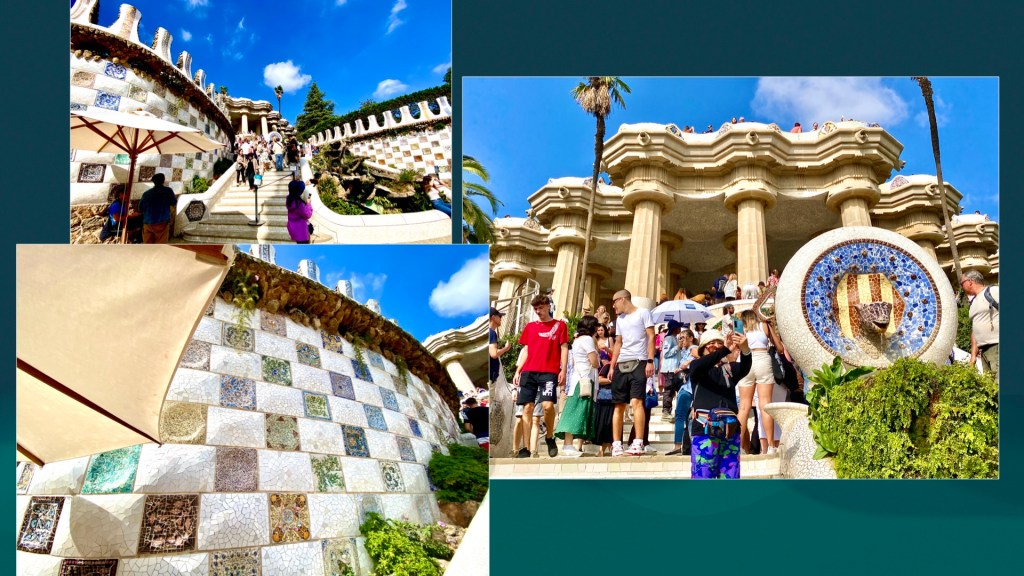

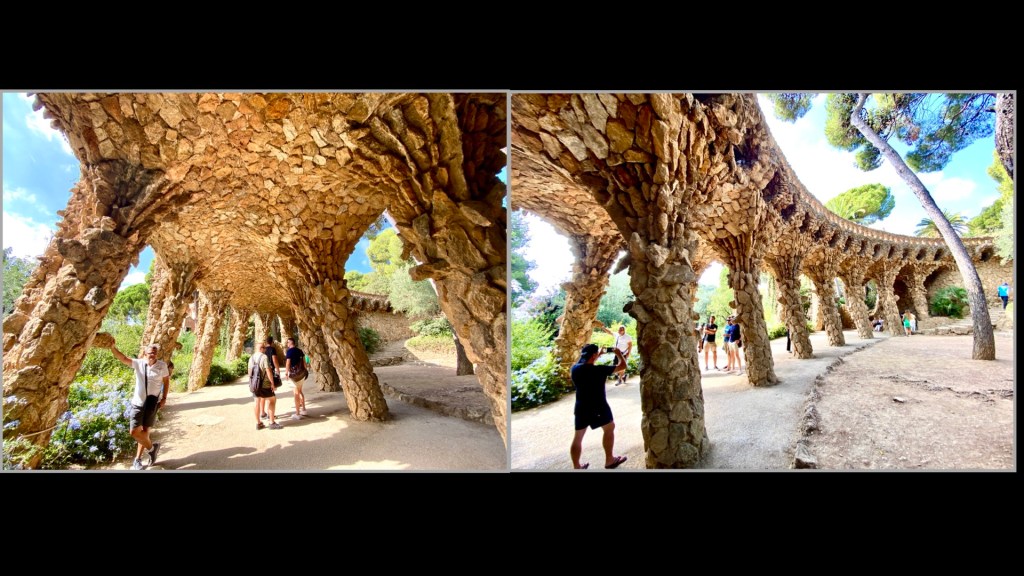
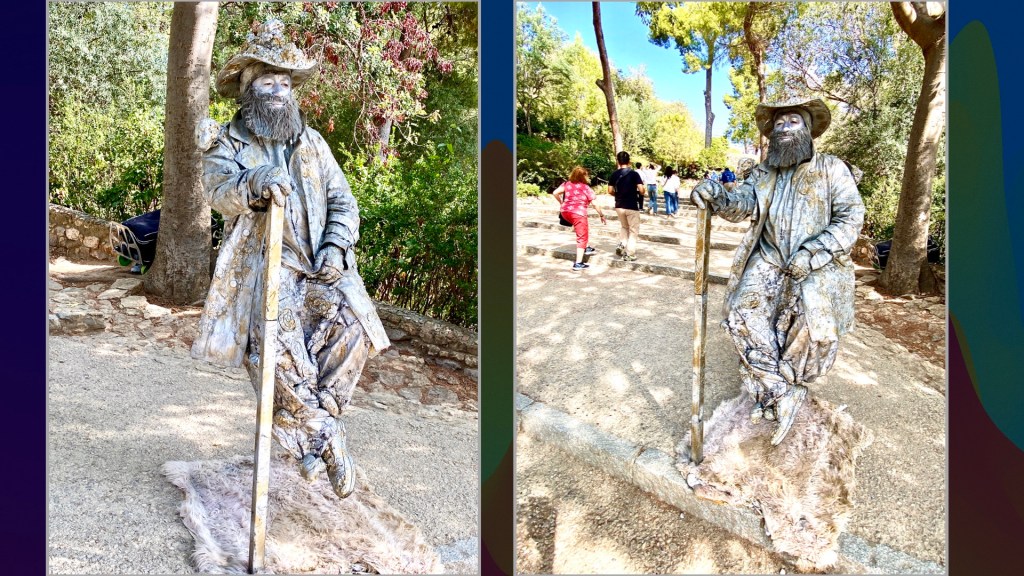
Following a tapas lunch at a local restaurant, the remainder of the day is free to explore this exciting city as we wish.
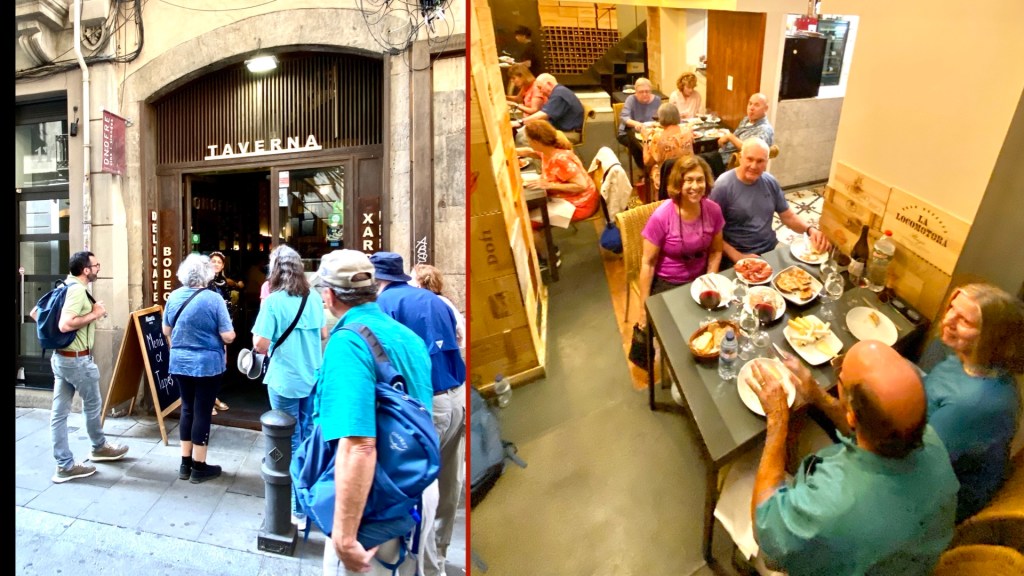
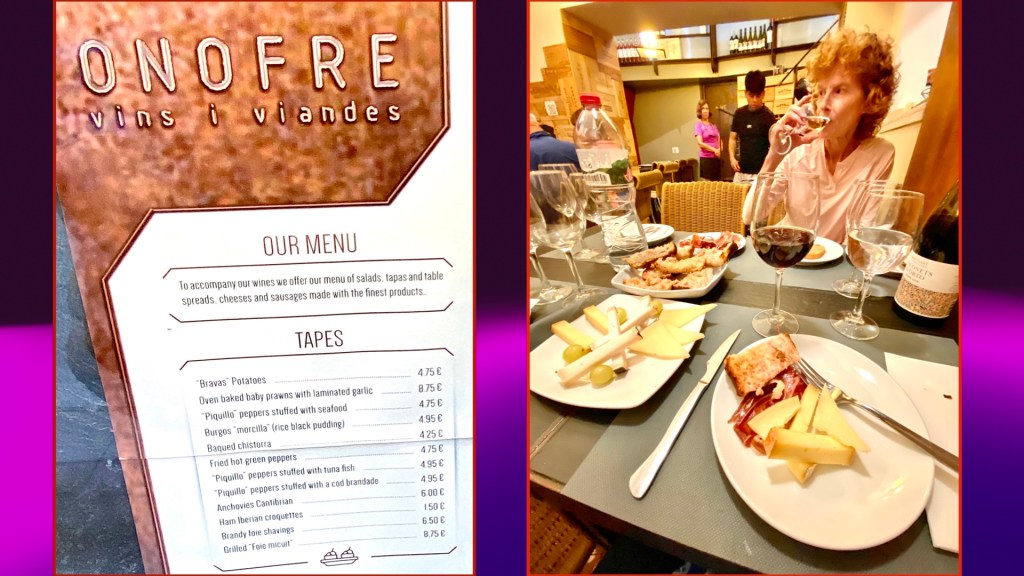
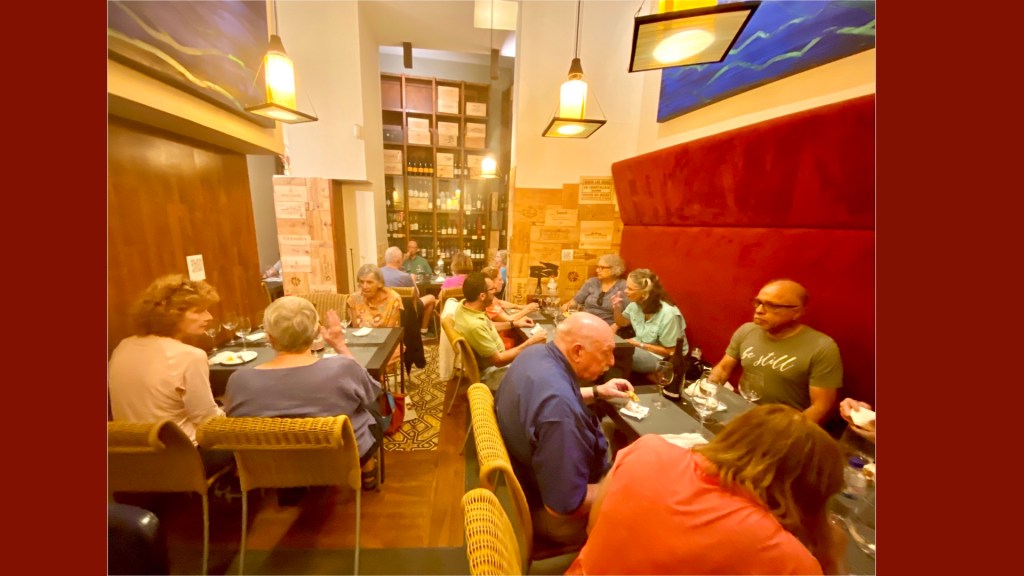
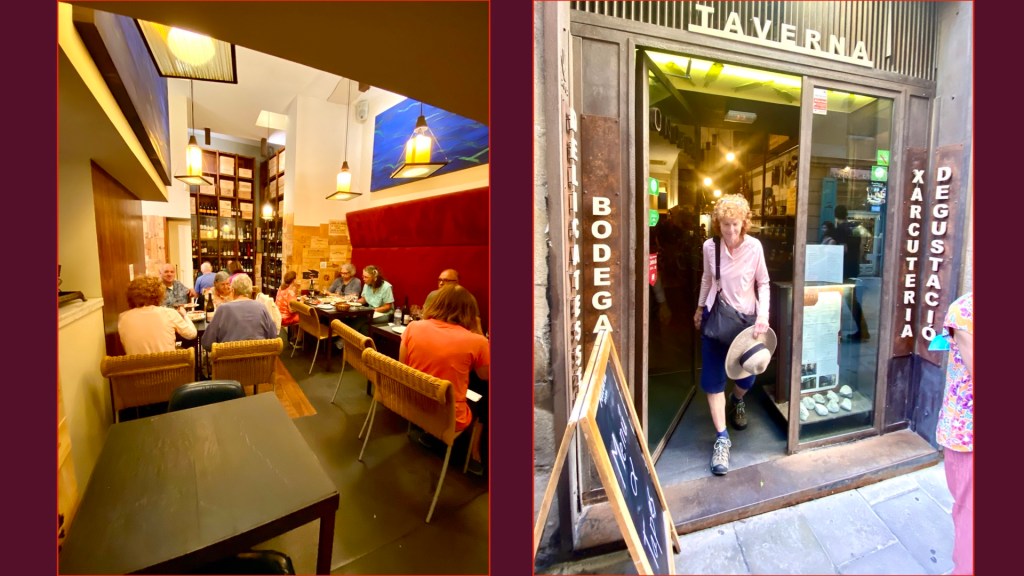


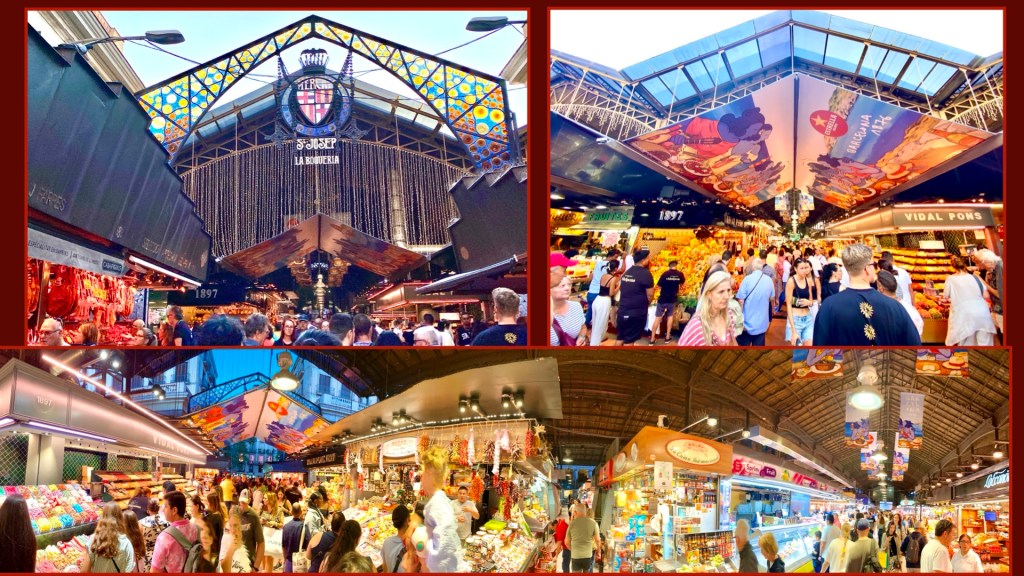
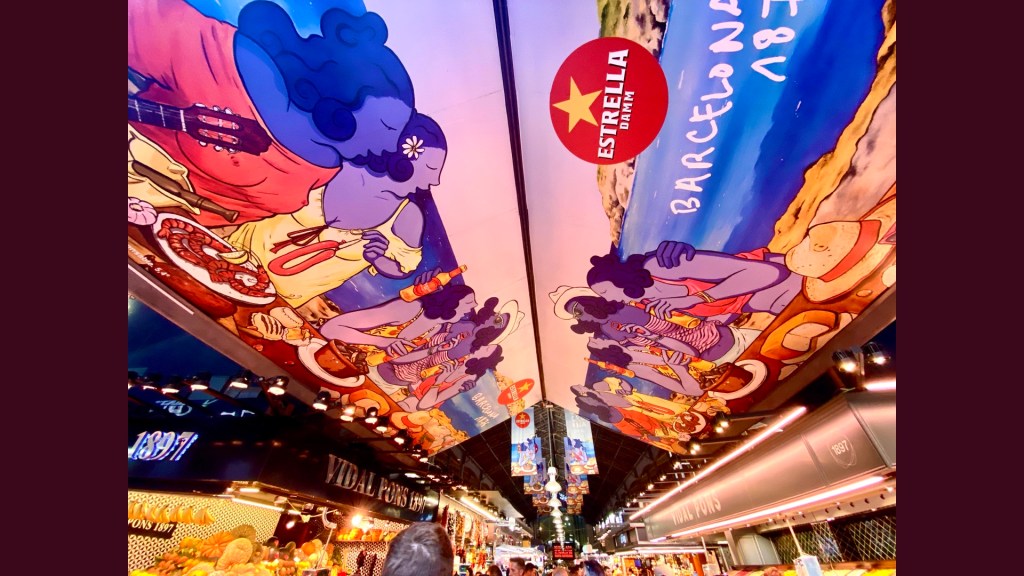
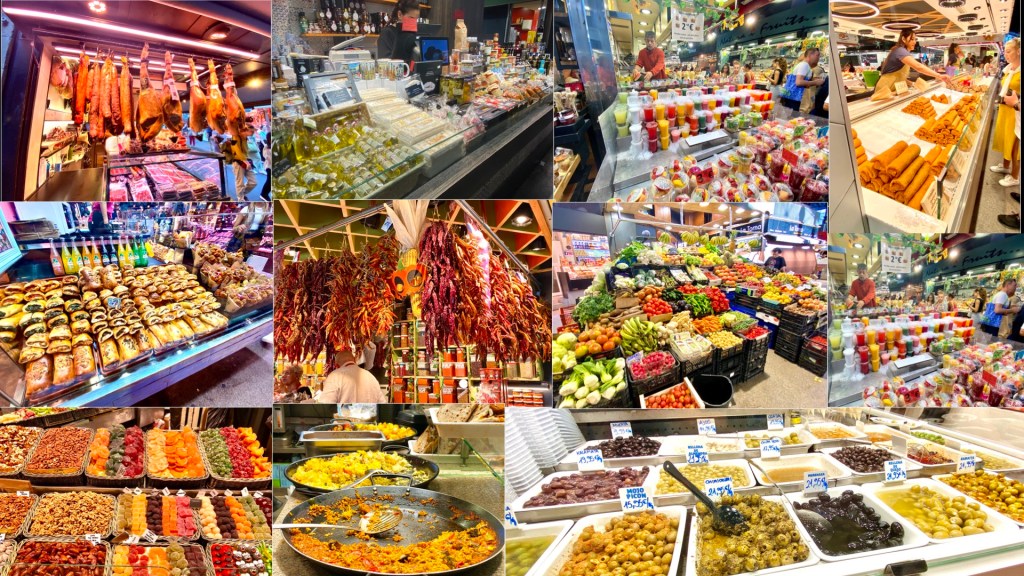
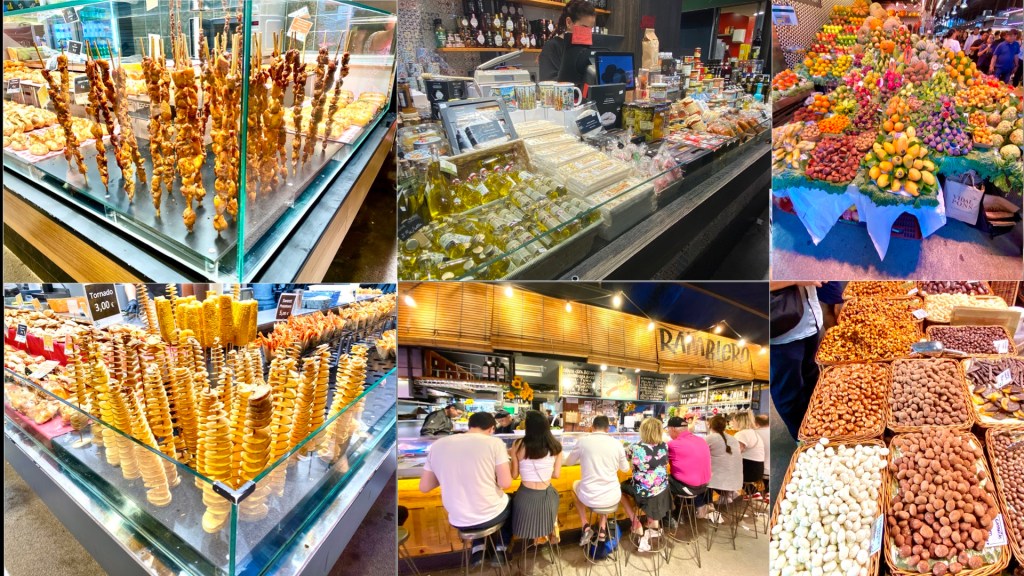

Take Out Dinner On The Plaza

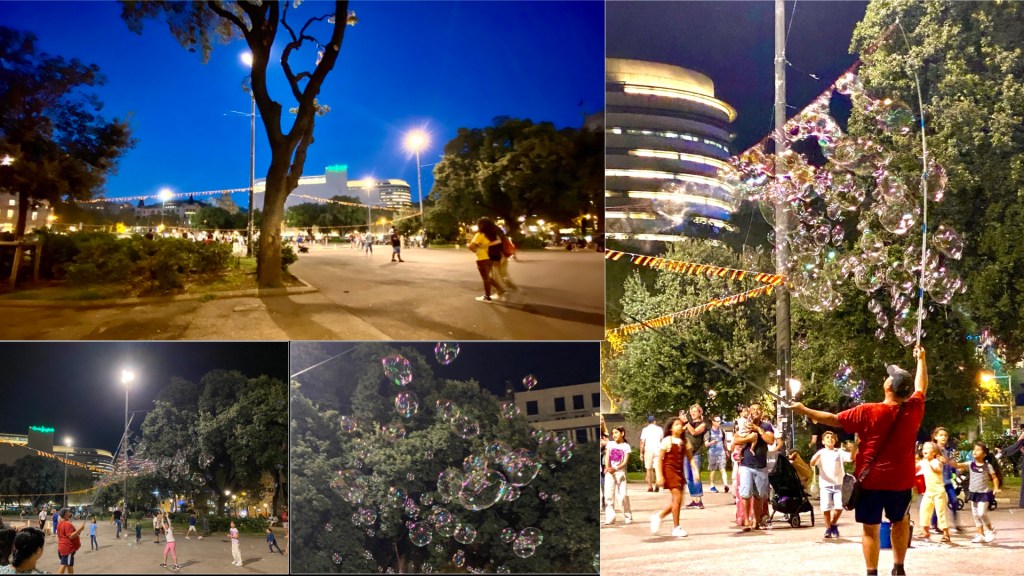

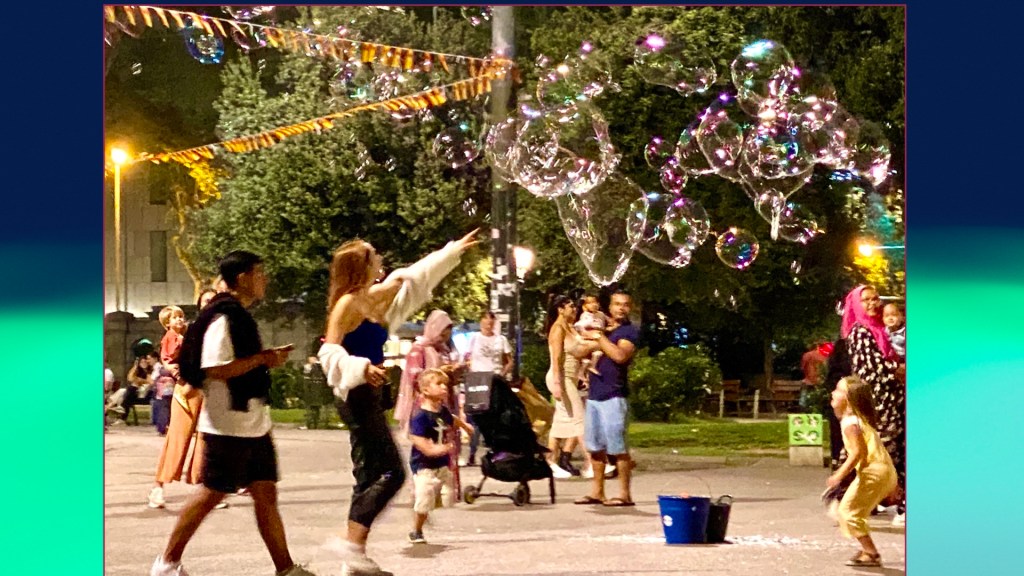

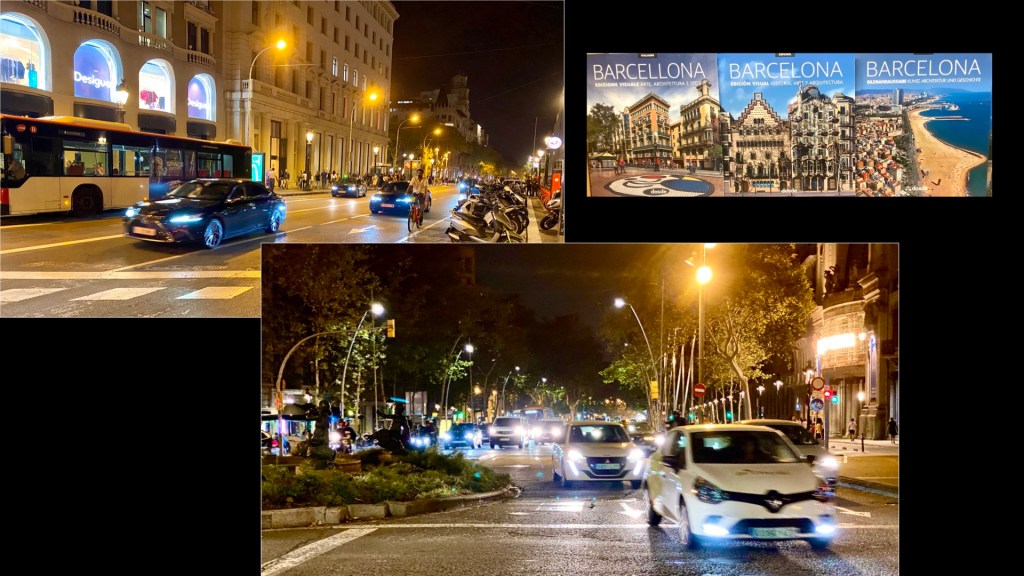
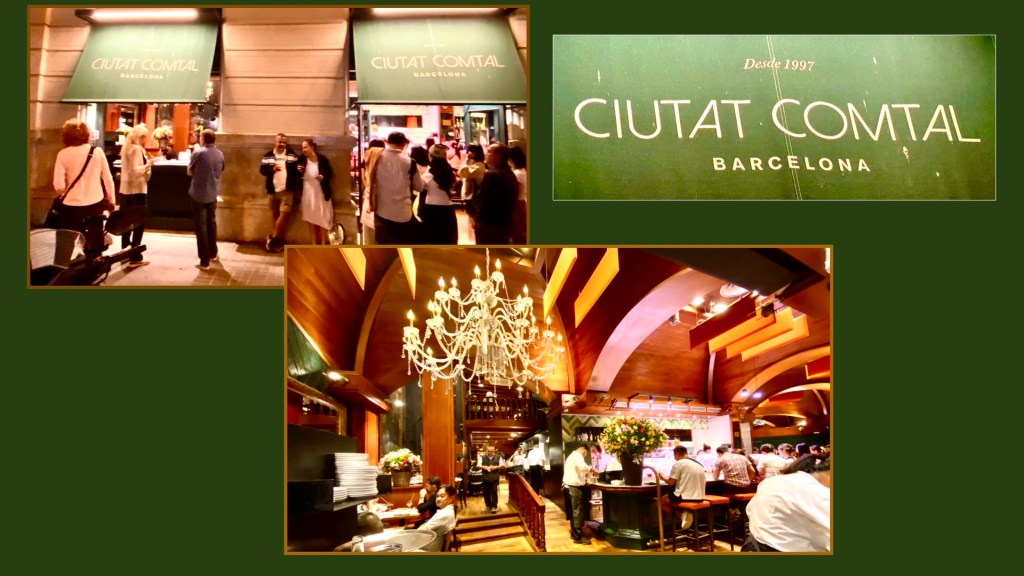
Day 16- Saturday 14 Oct
Barcelona


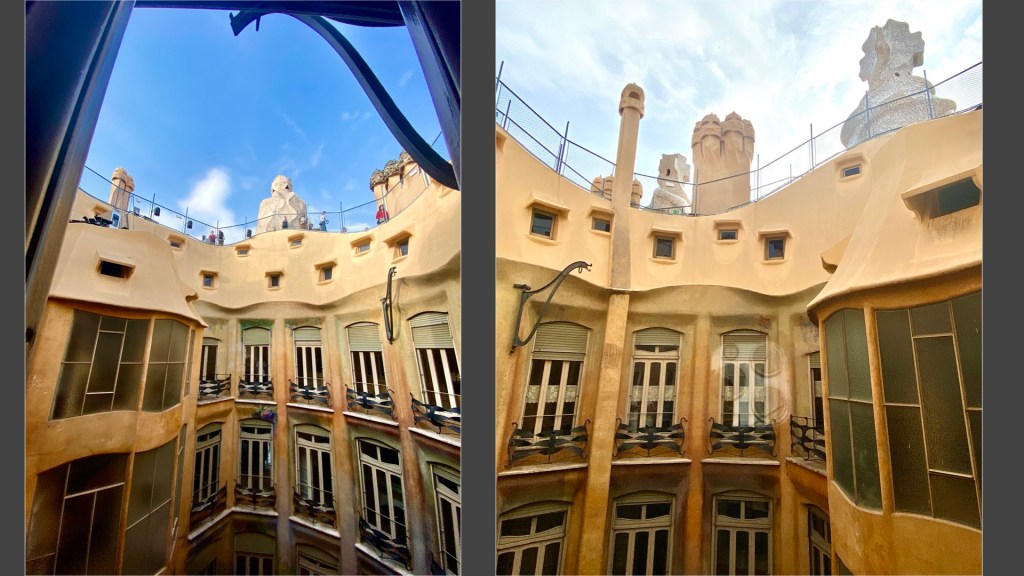
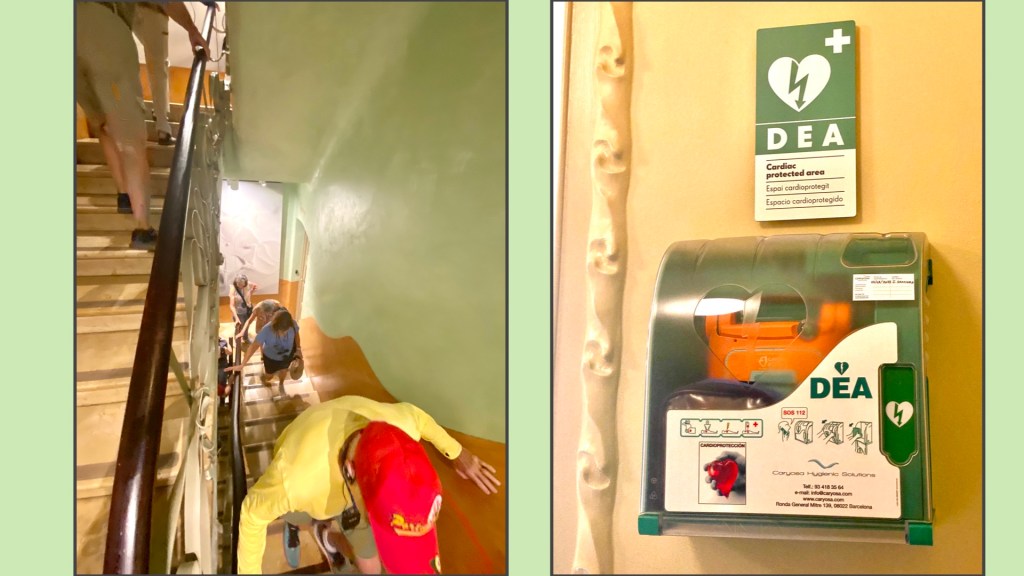
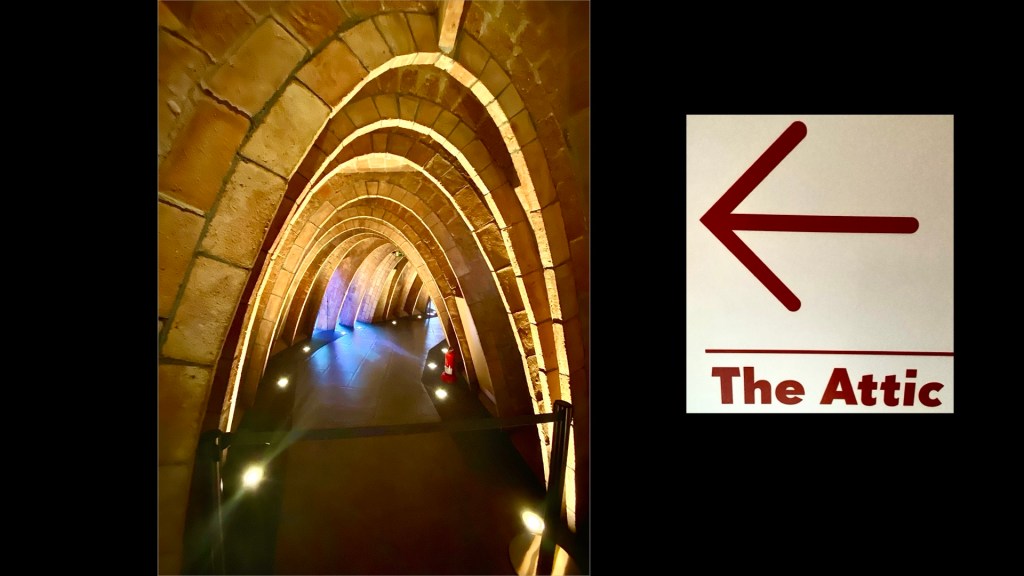
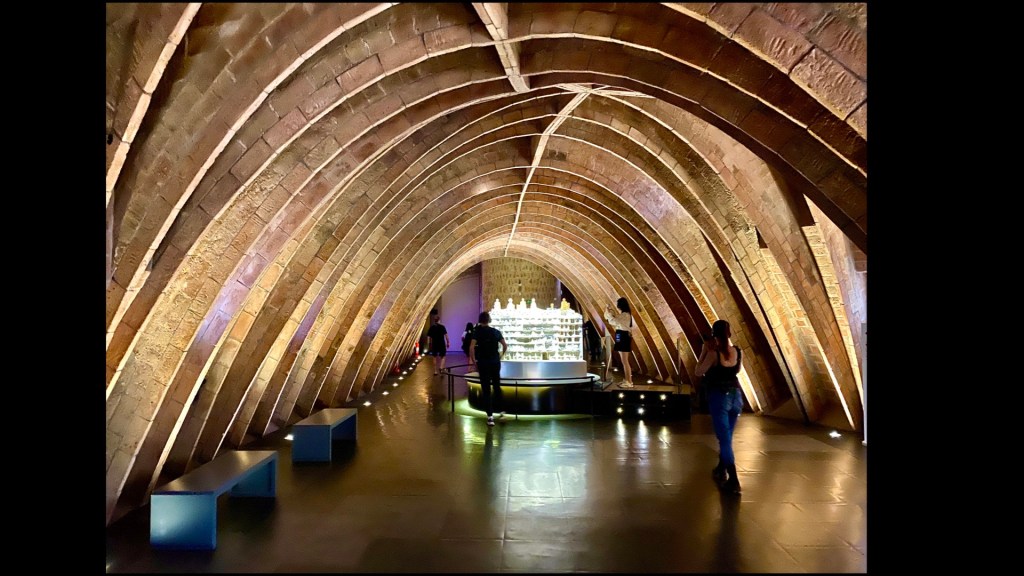
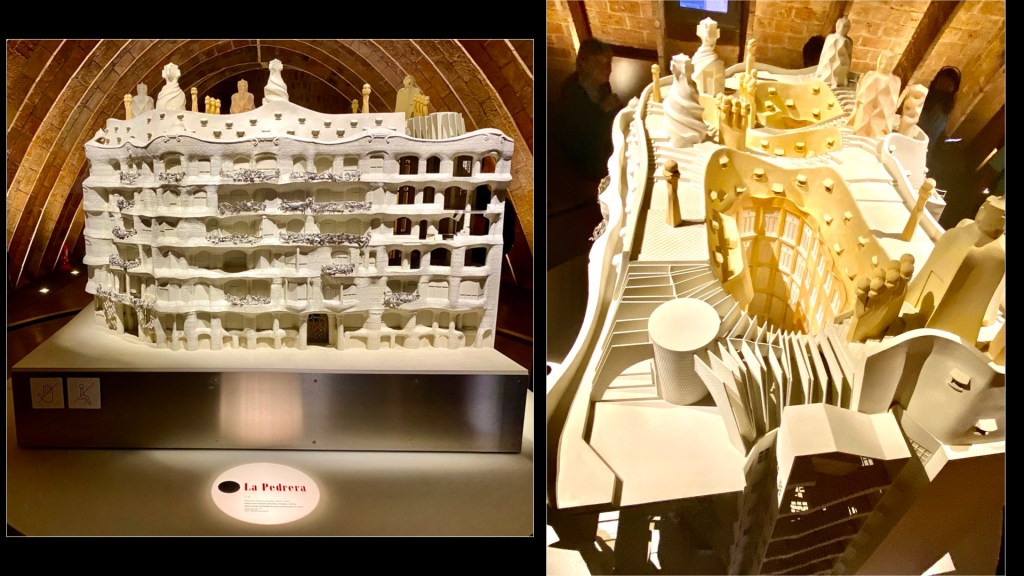
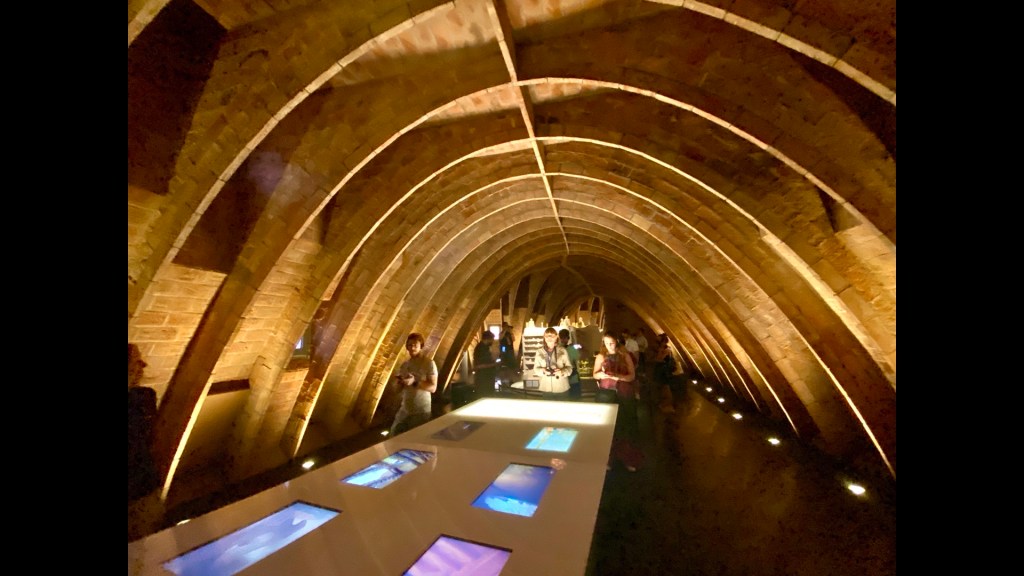
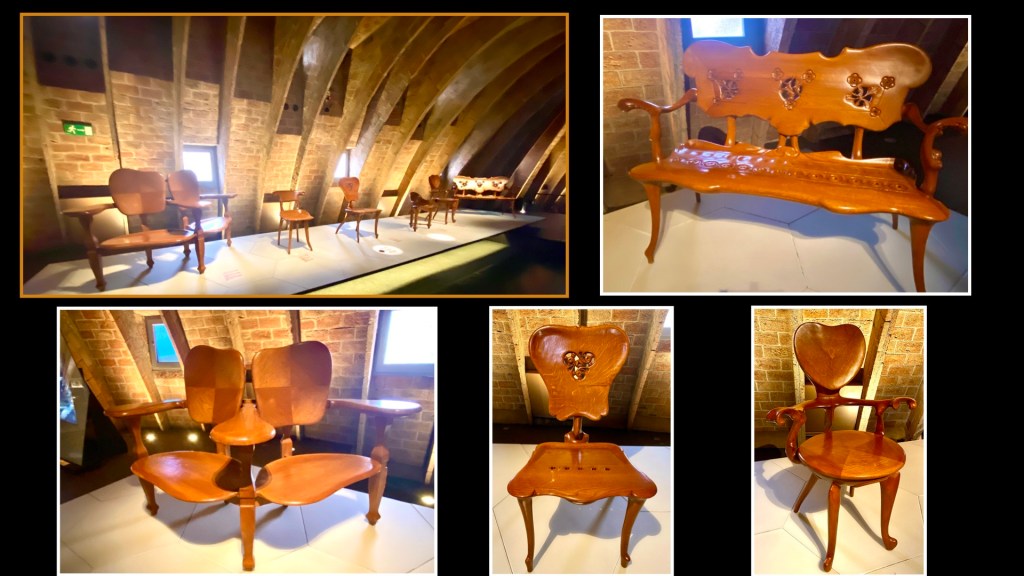
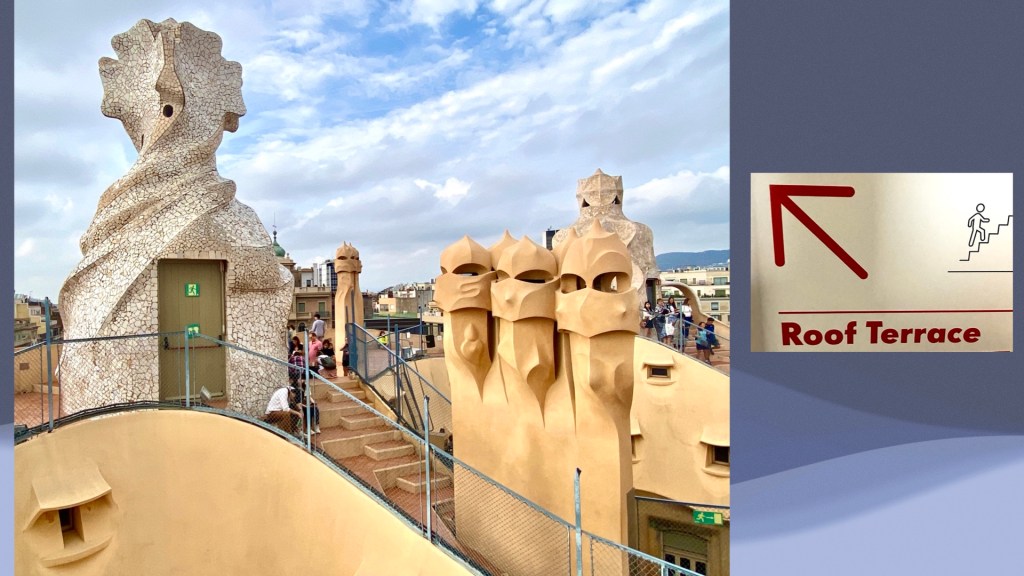
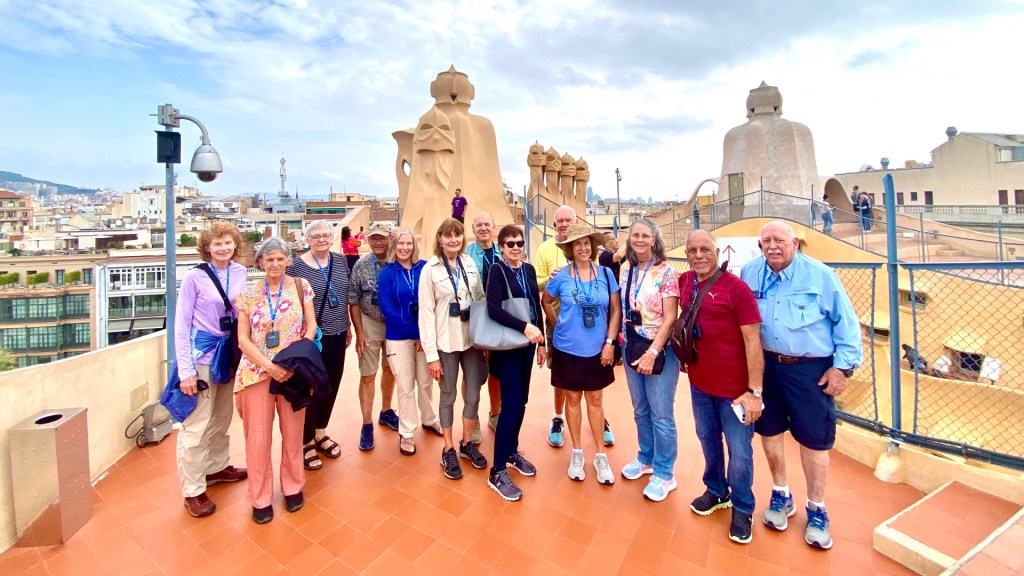
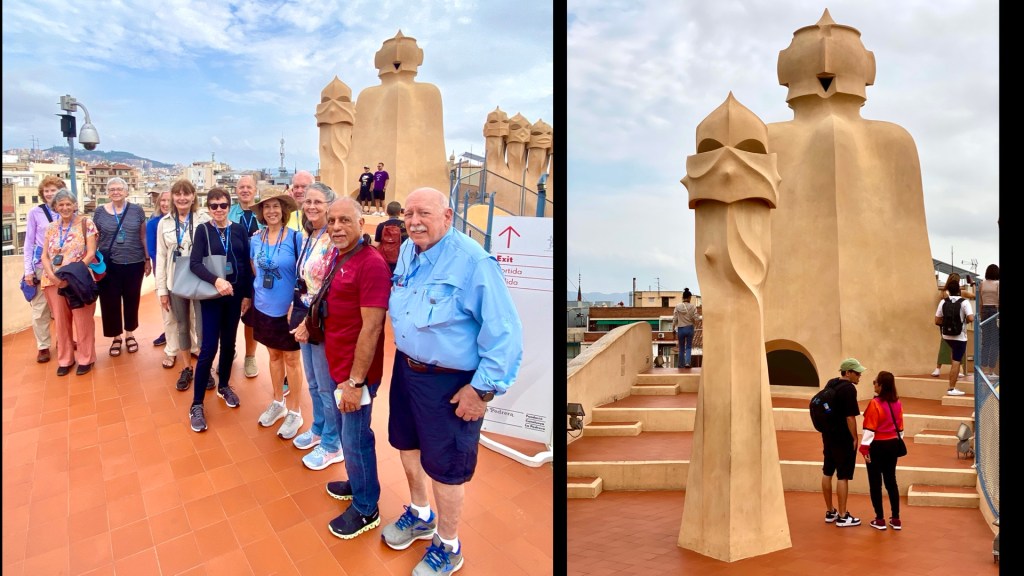
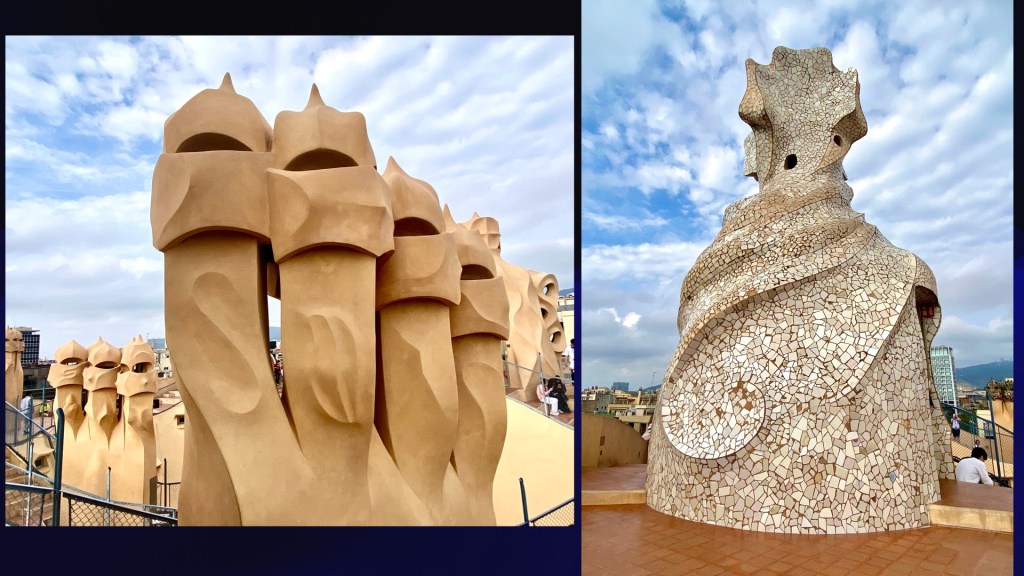
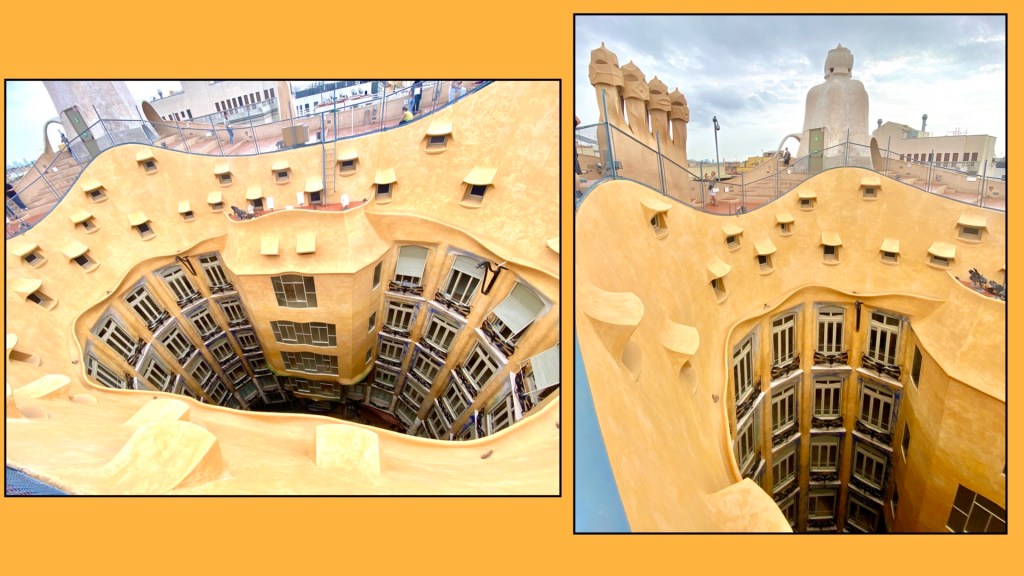

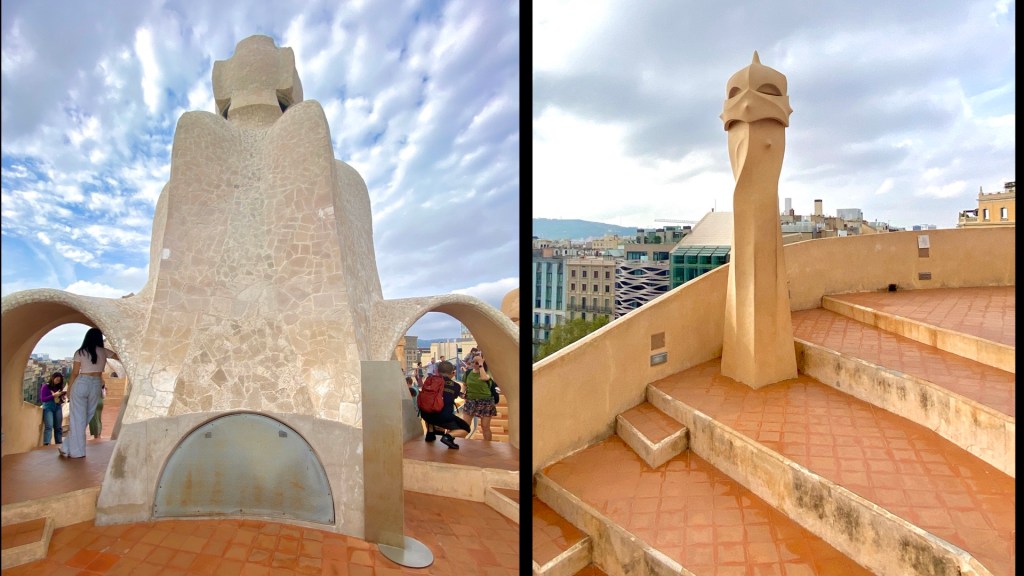
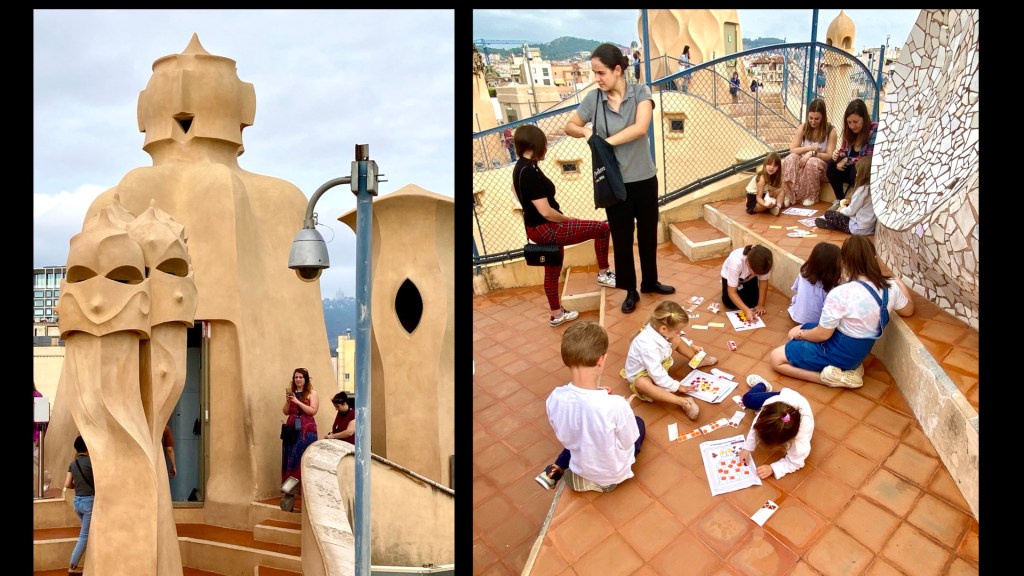
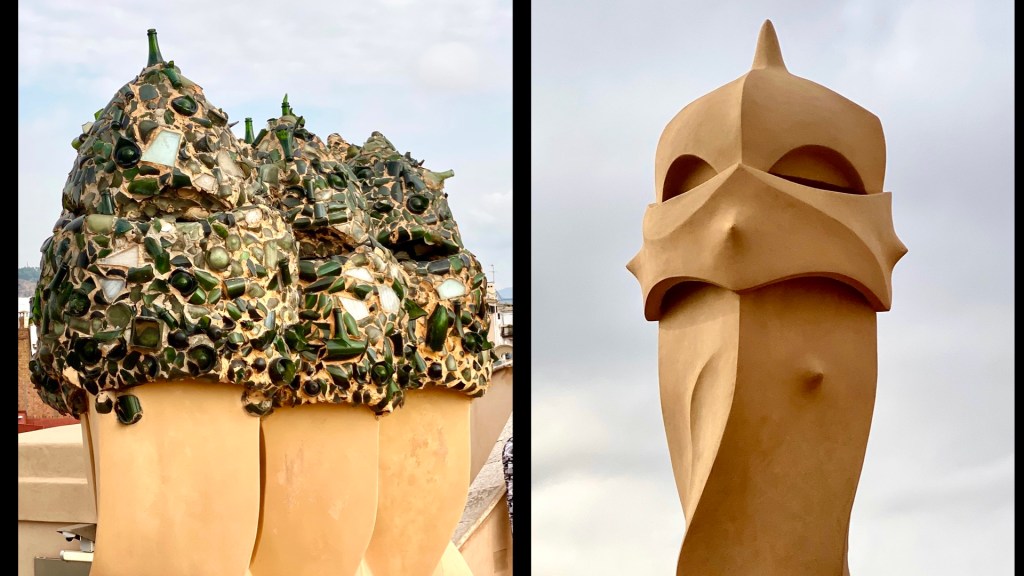
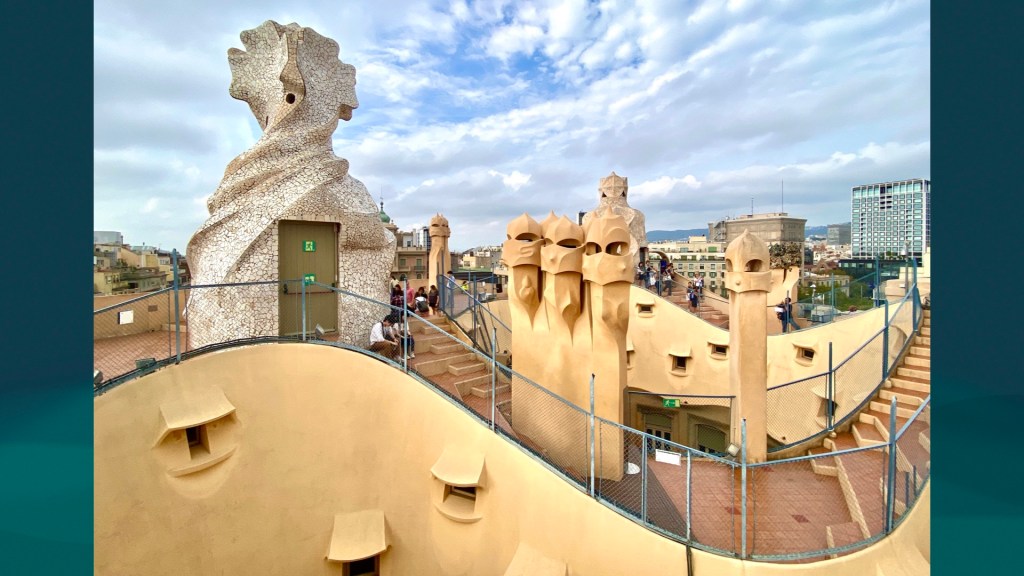
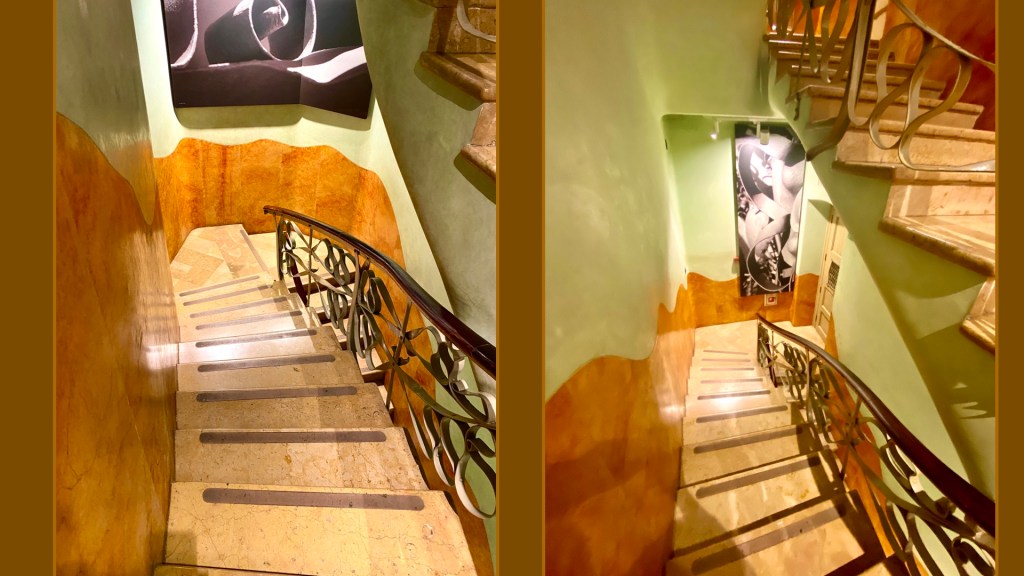
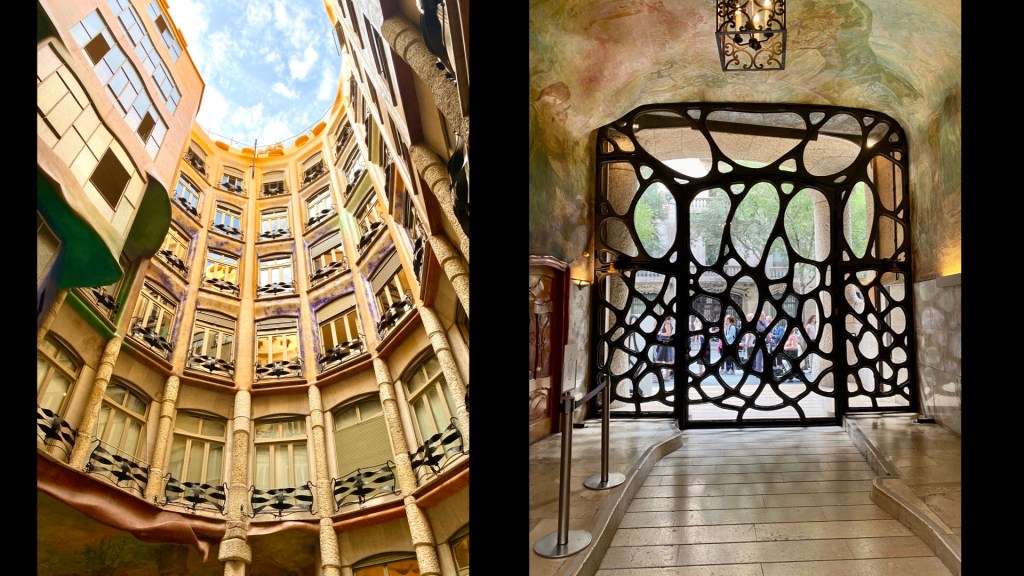
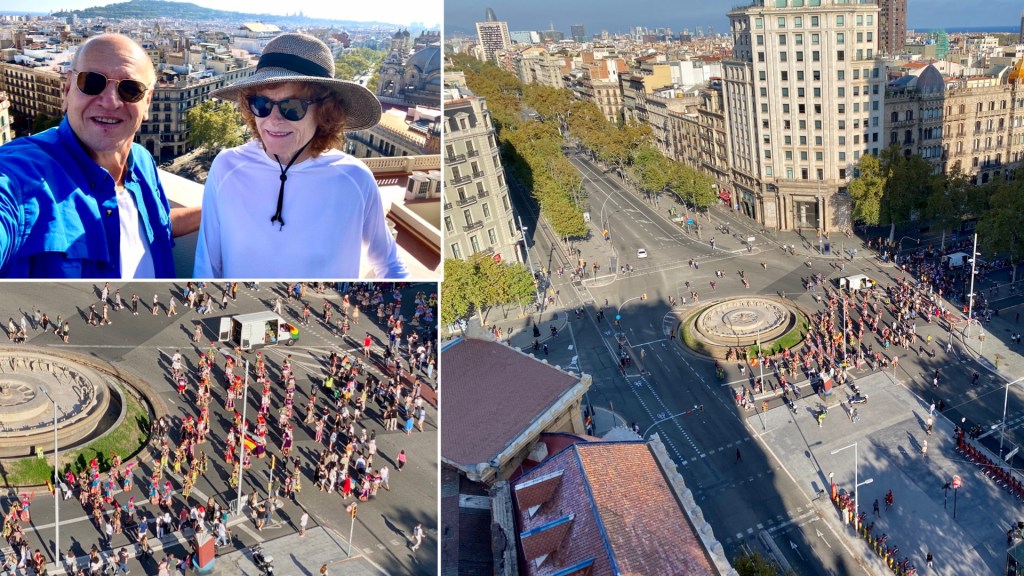
Rooftop View

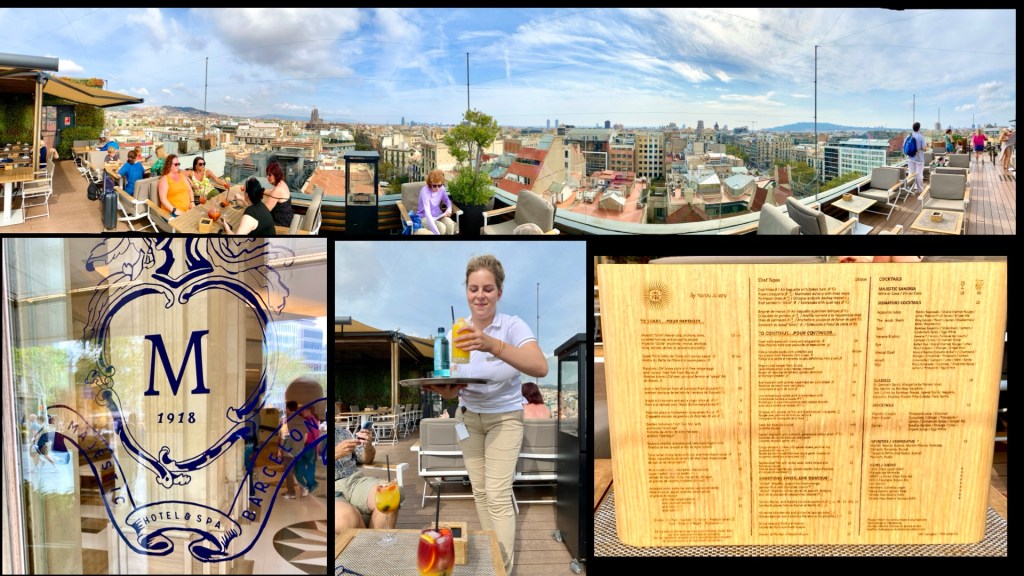
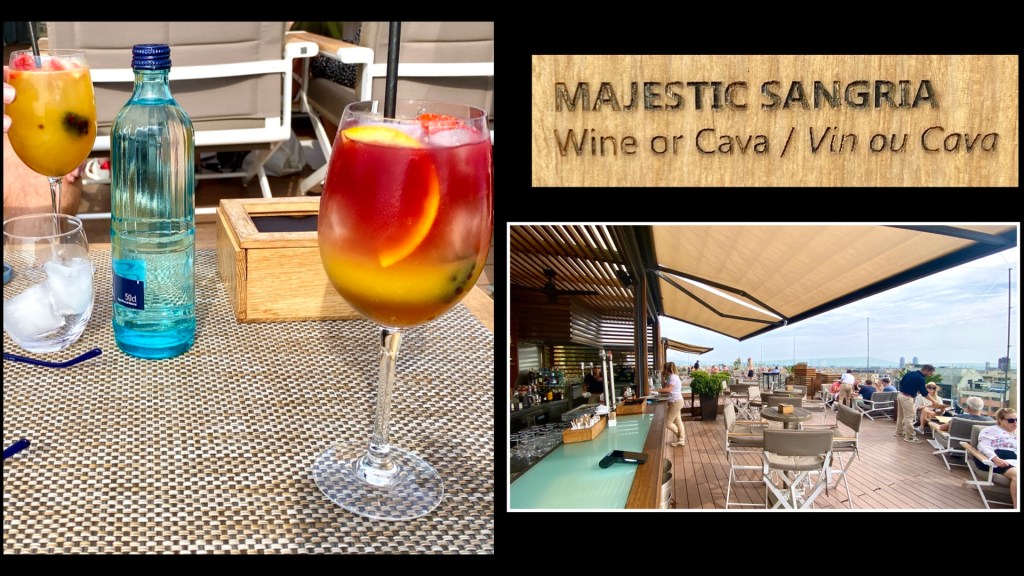
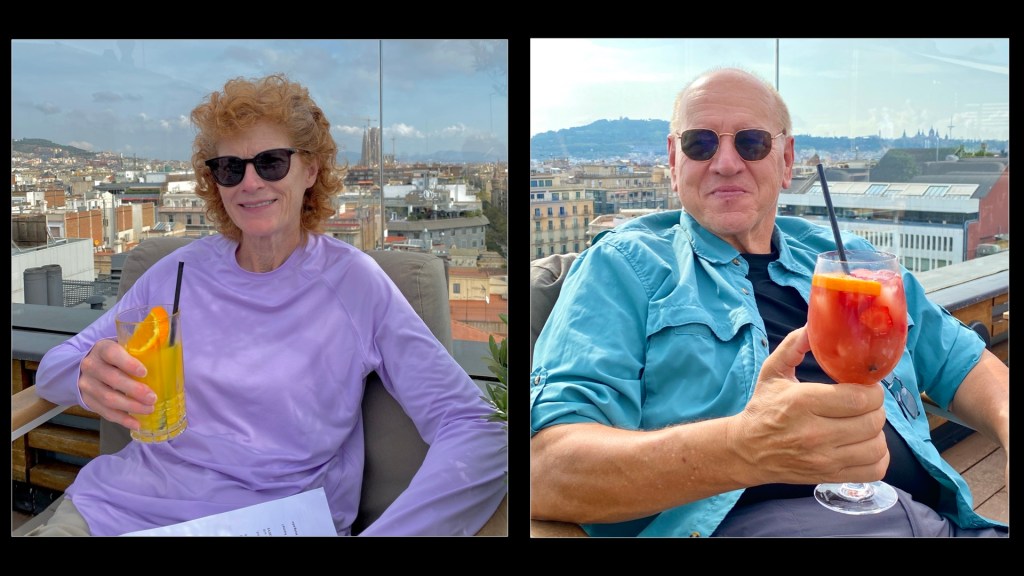

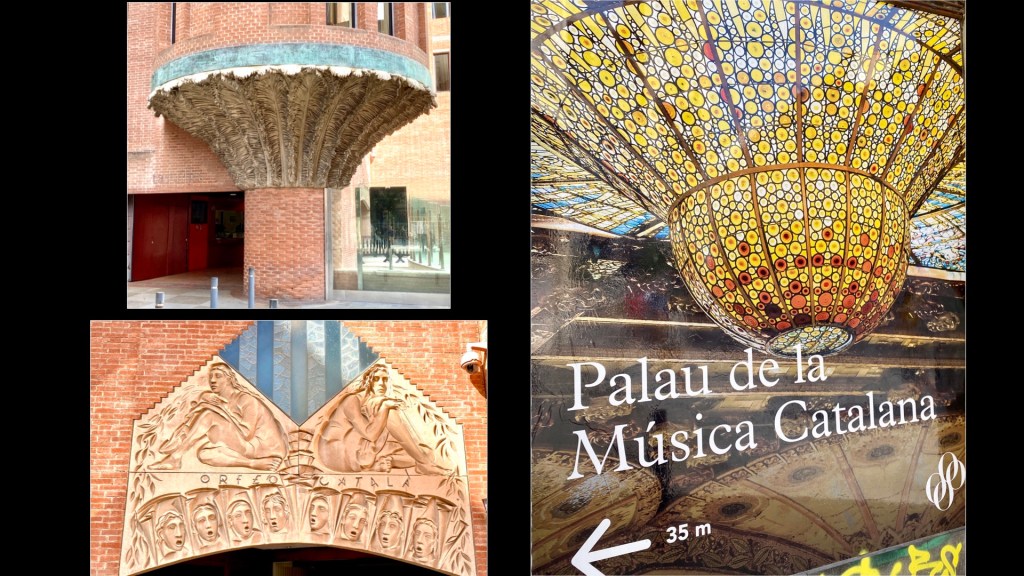
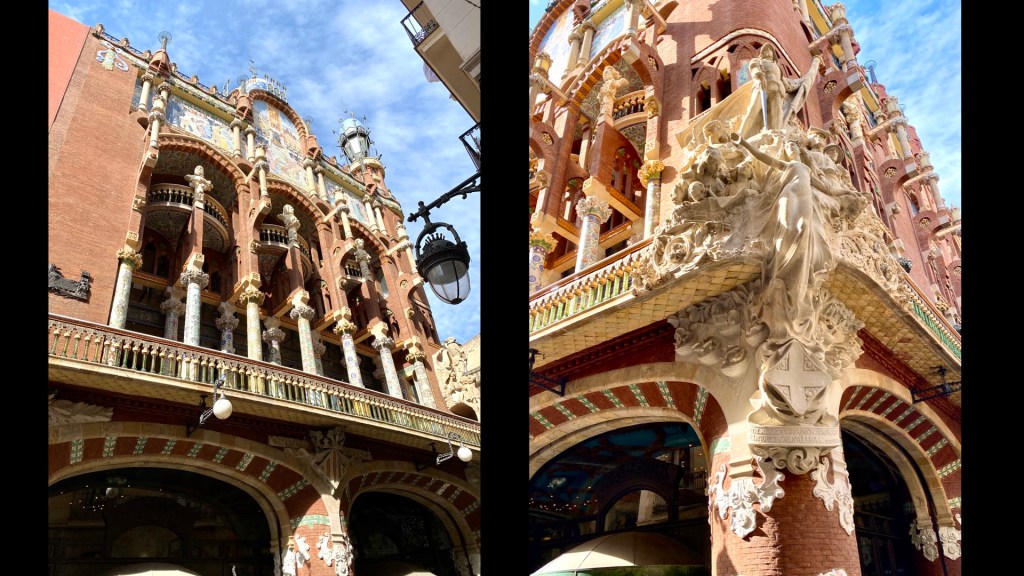
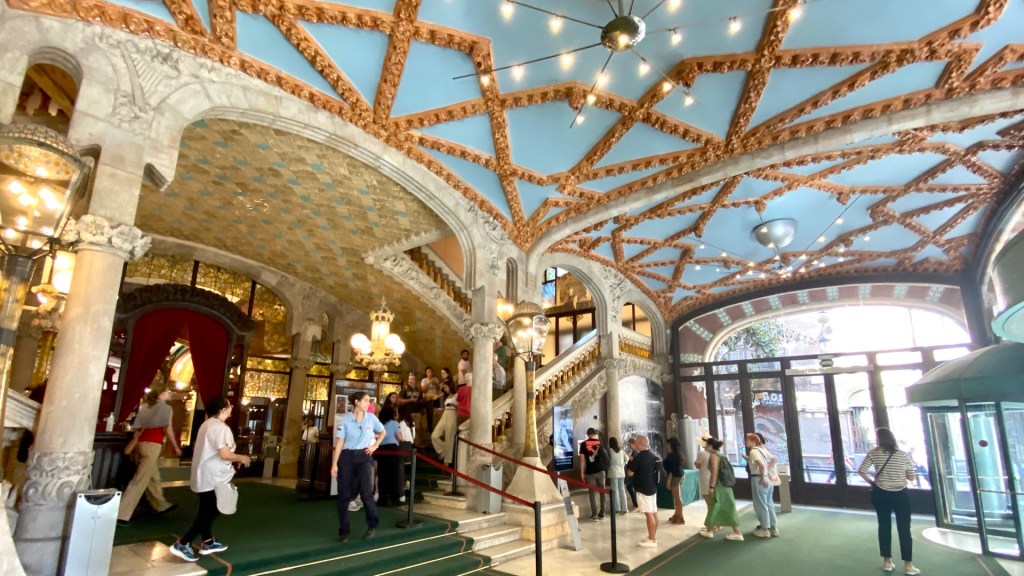
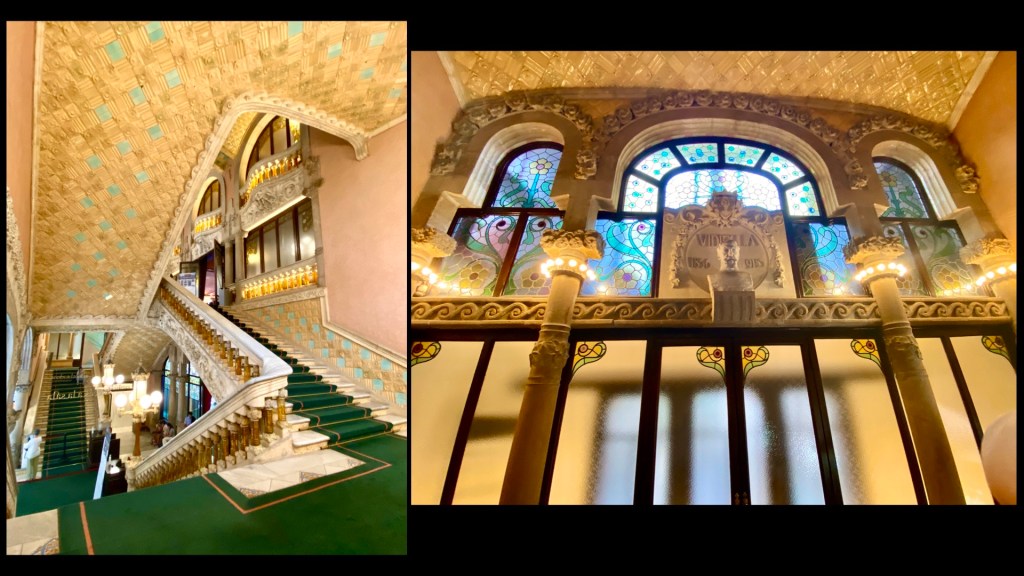

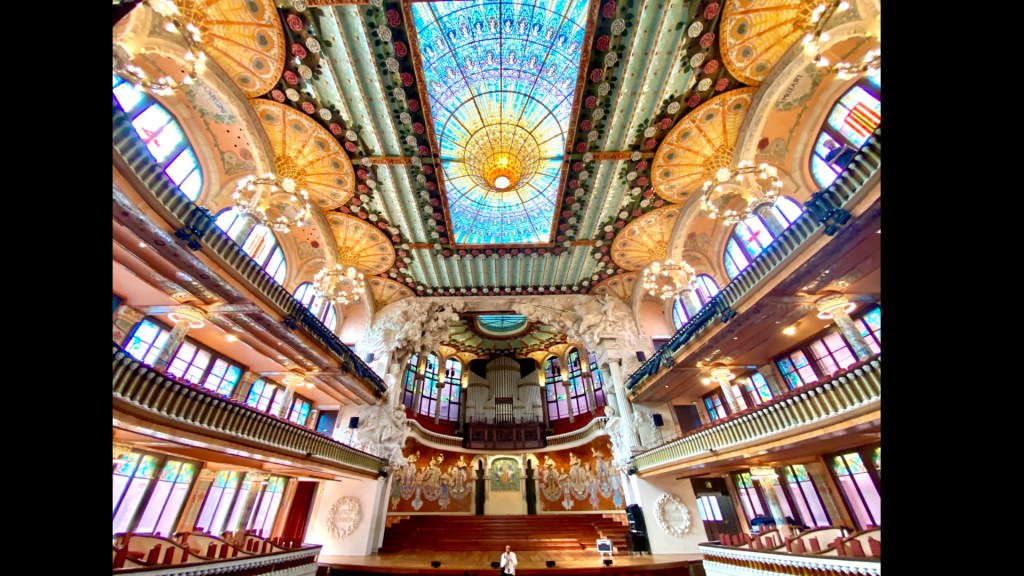
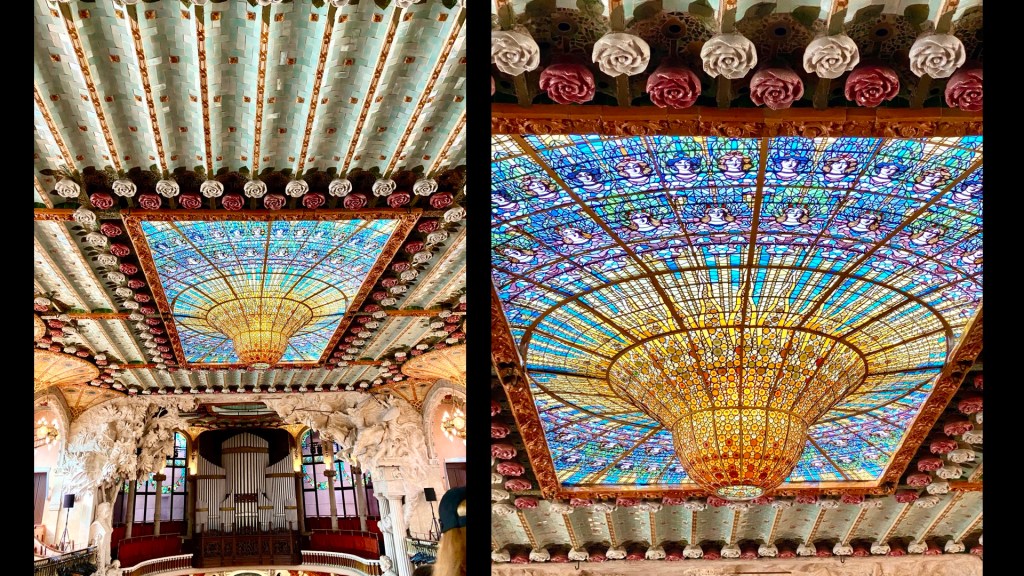

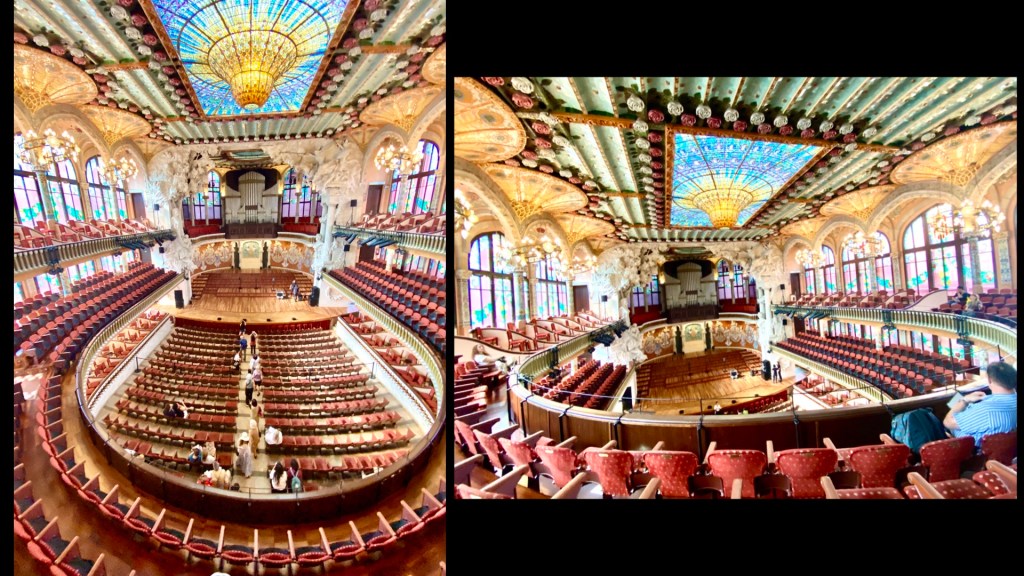
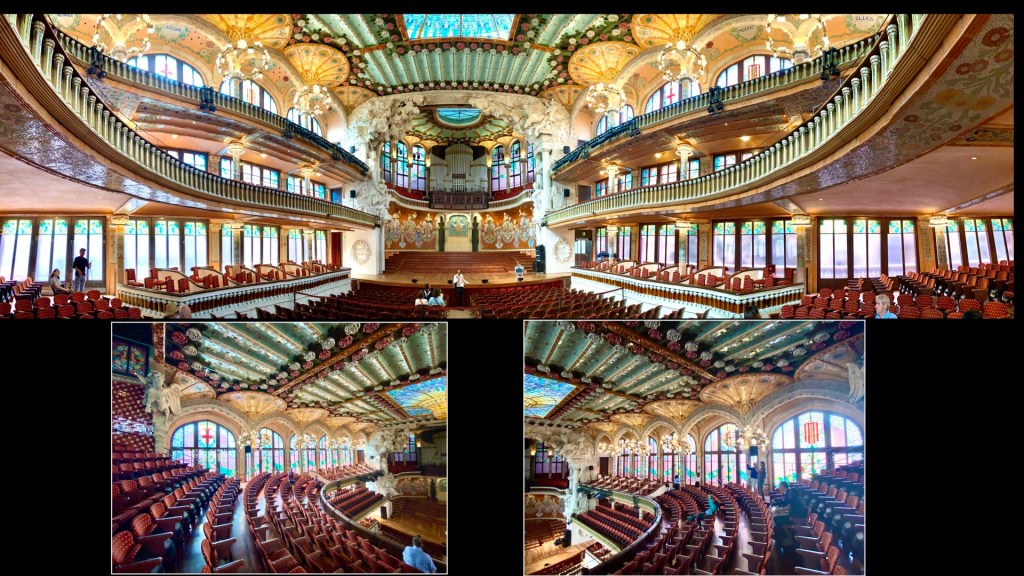
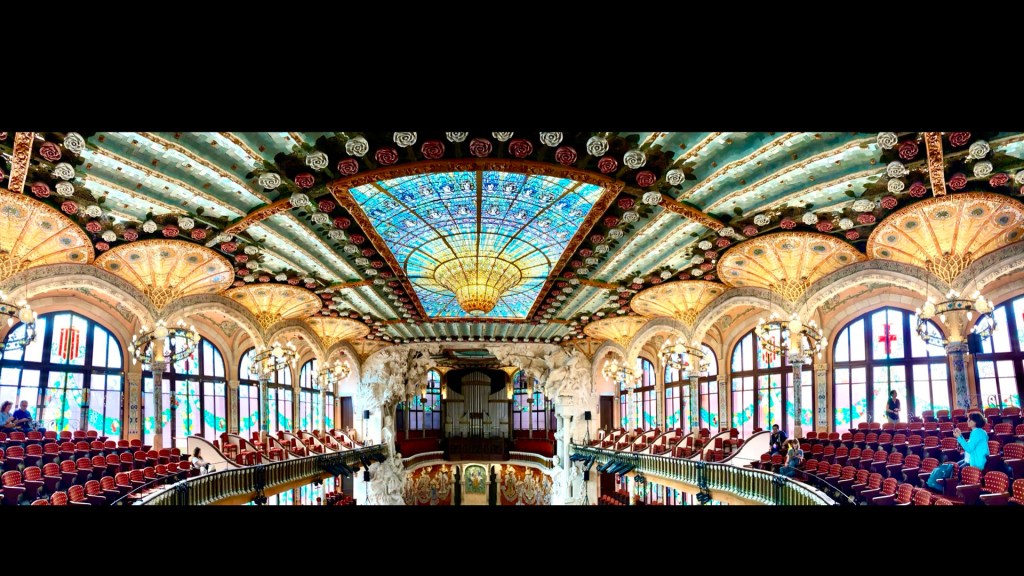
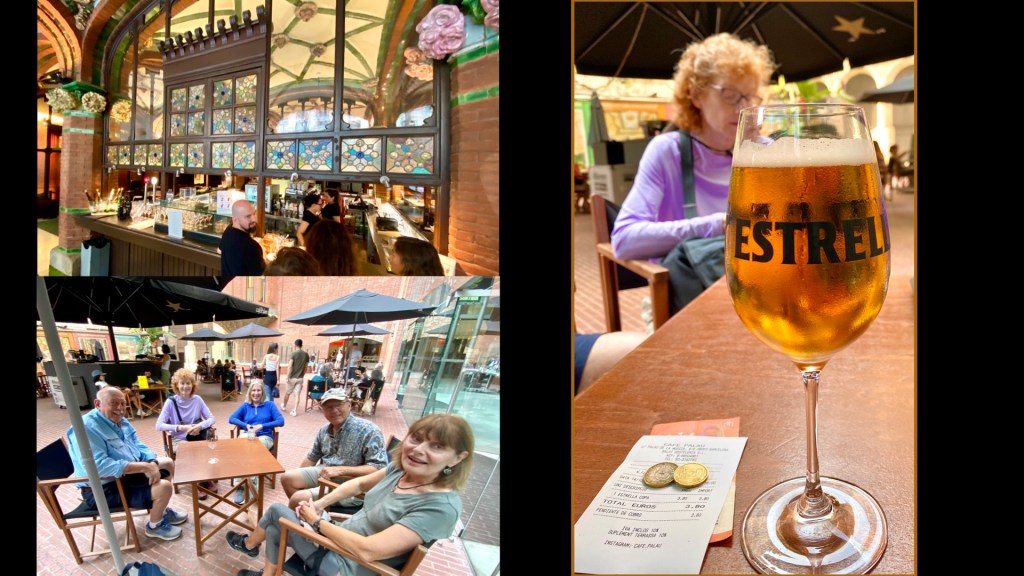
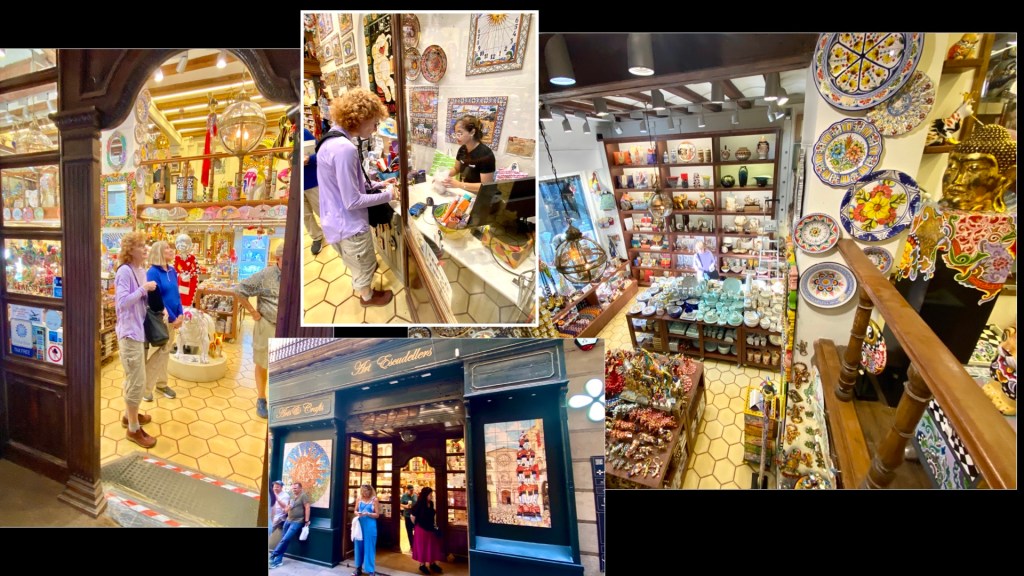
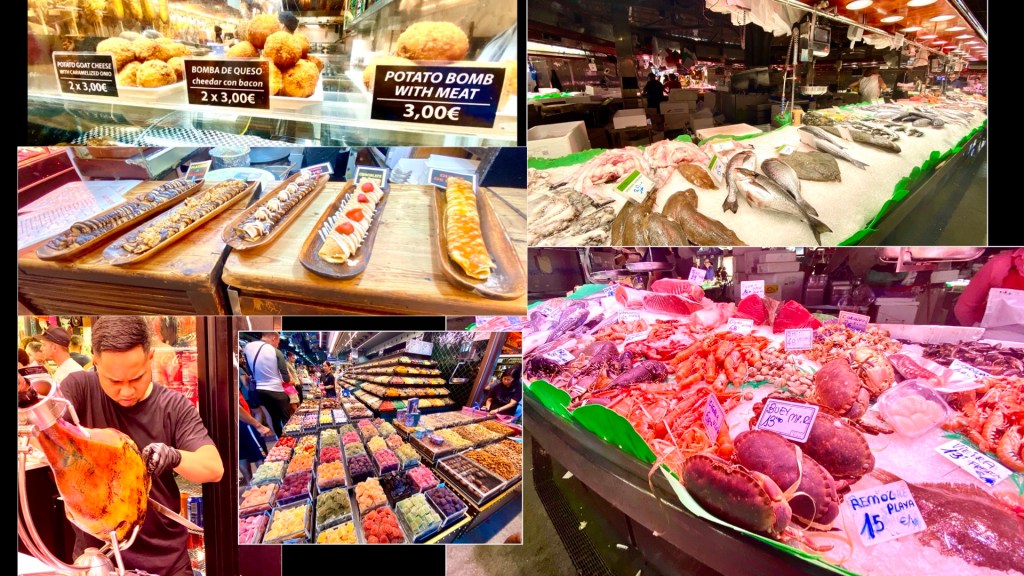
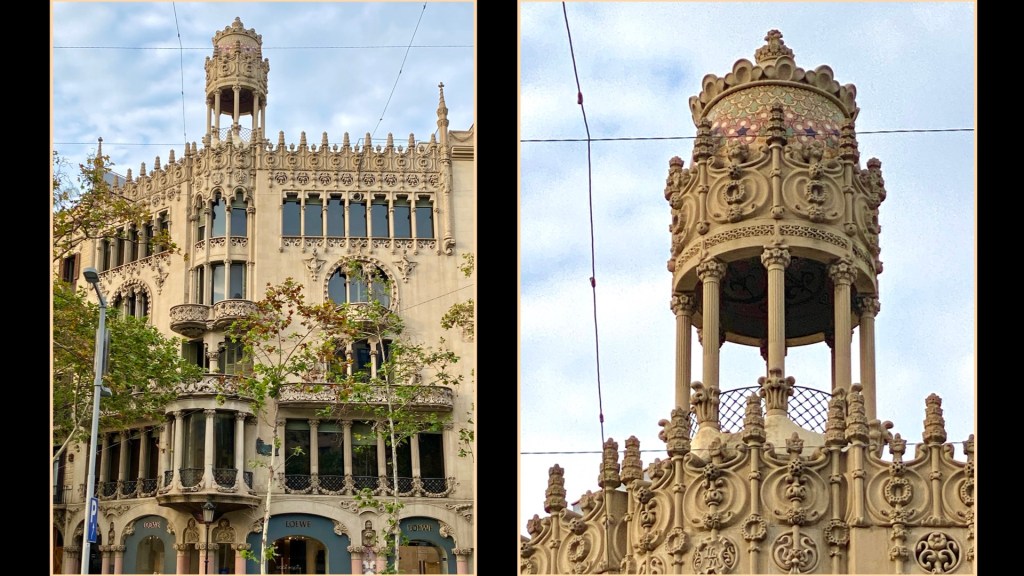
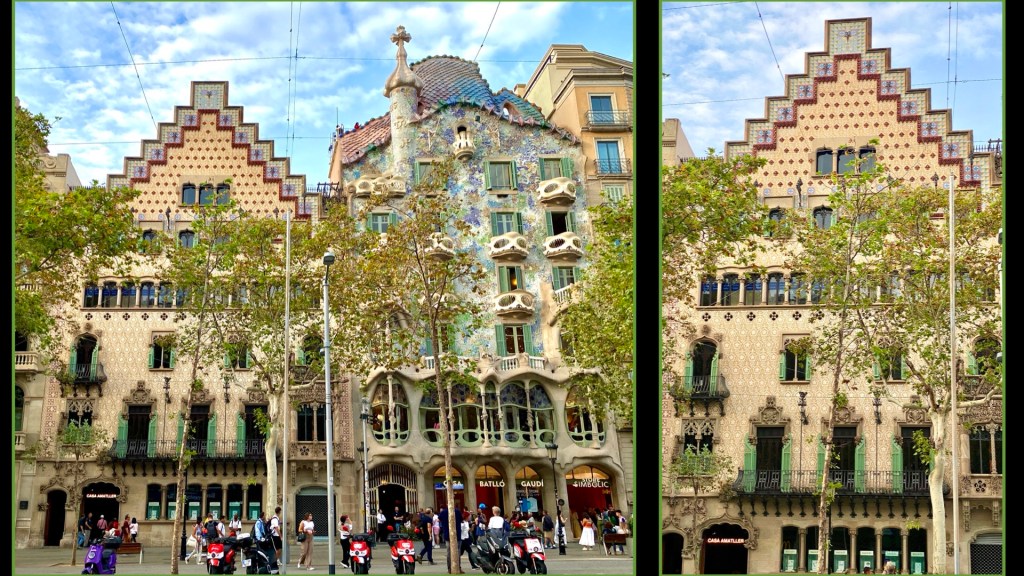
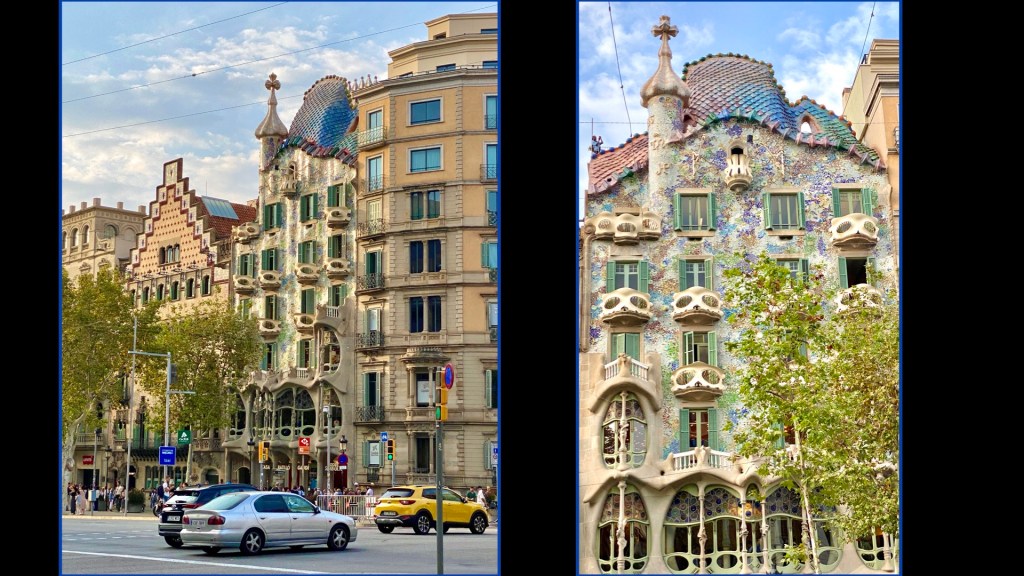
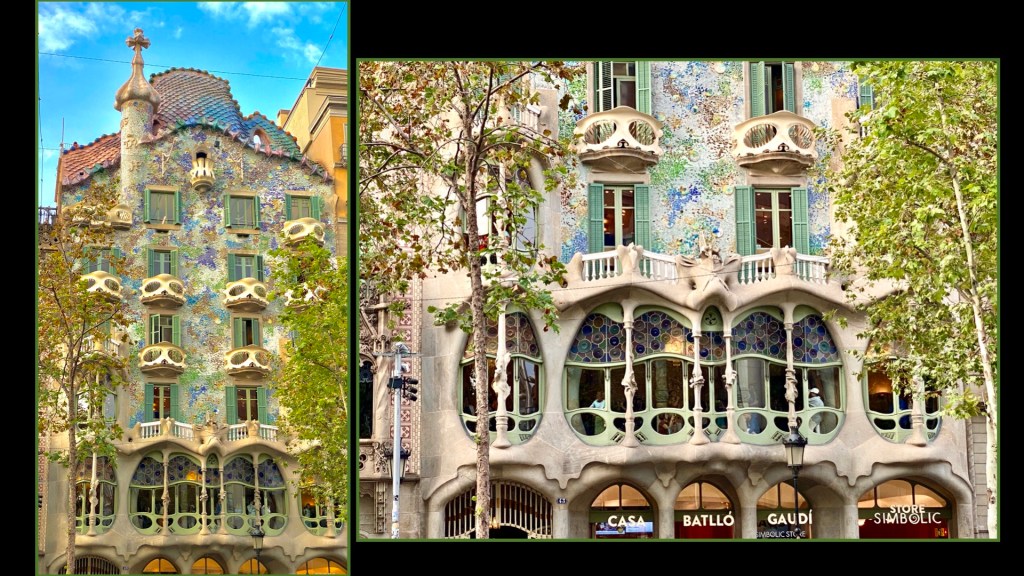
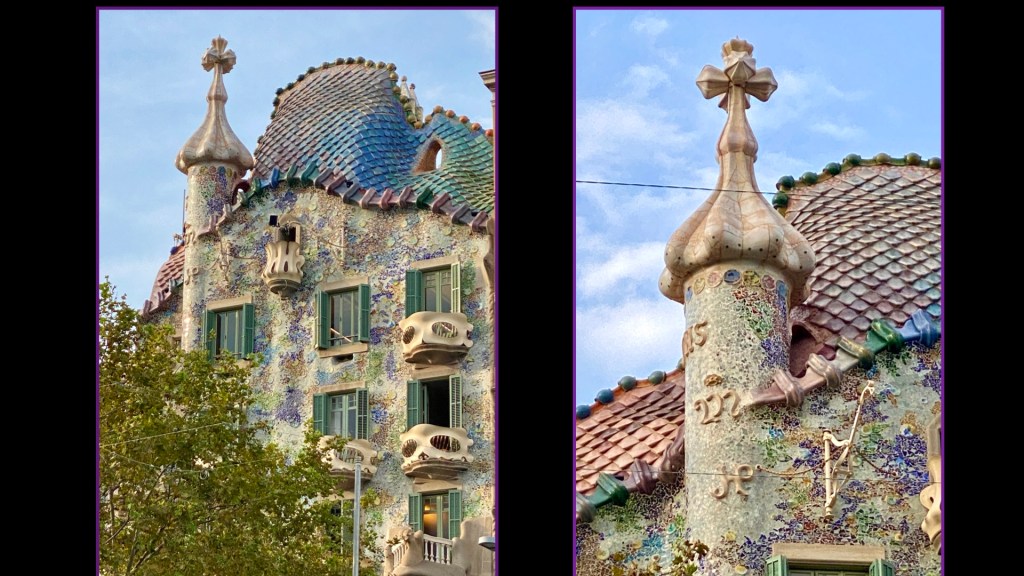
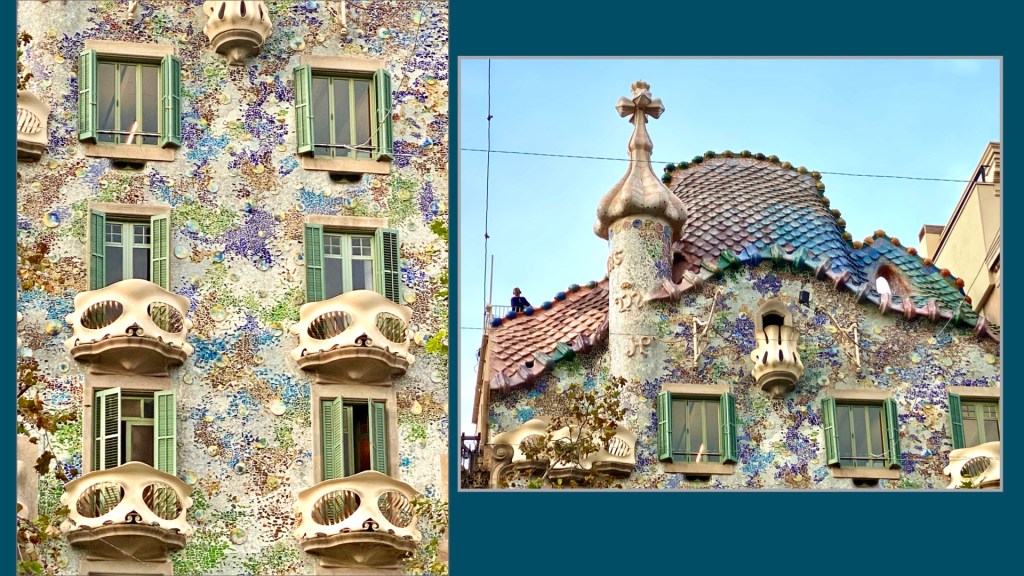
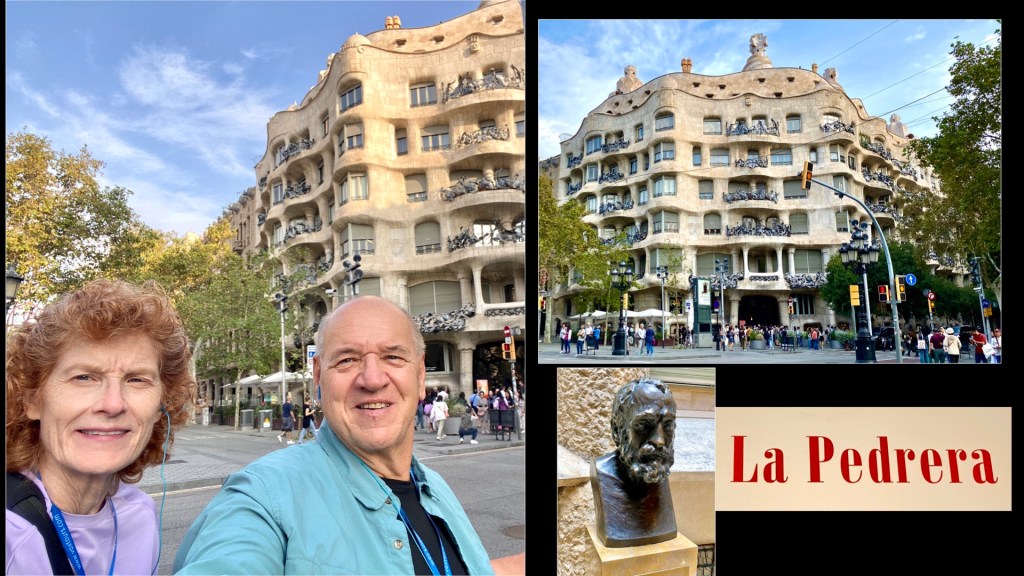
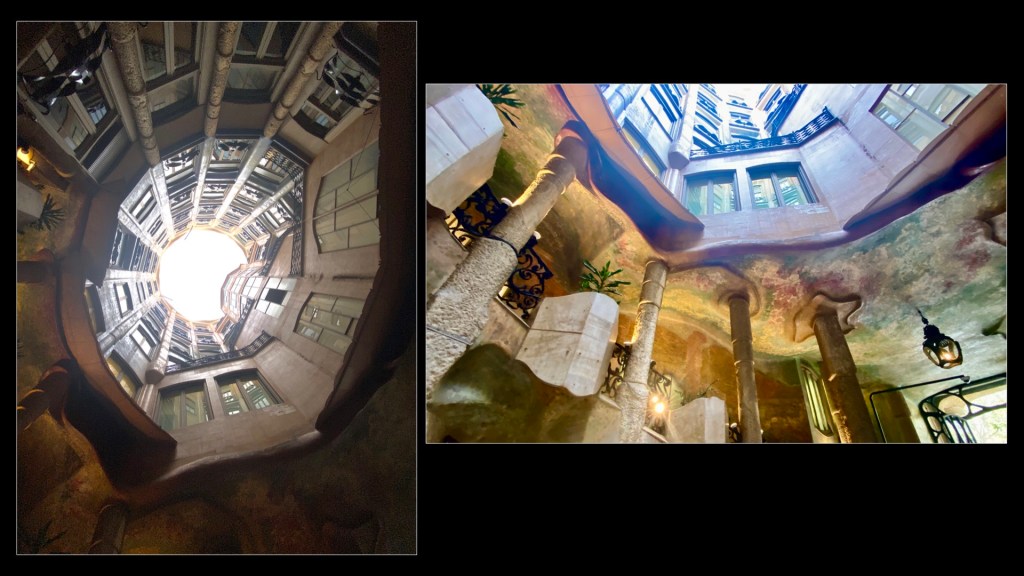
Today we start with a visit to the curving stone-faced Casa Milà with its rooftop chimney garden made by famous architect Antoni Gaudi.
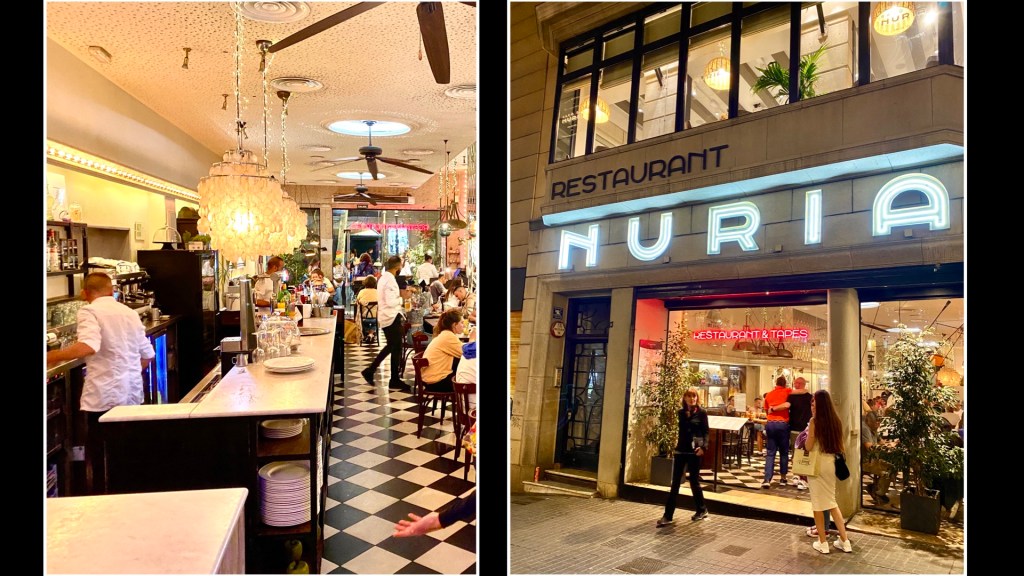
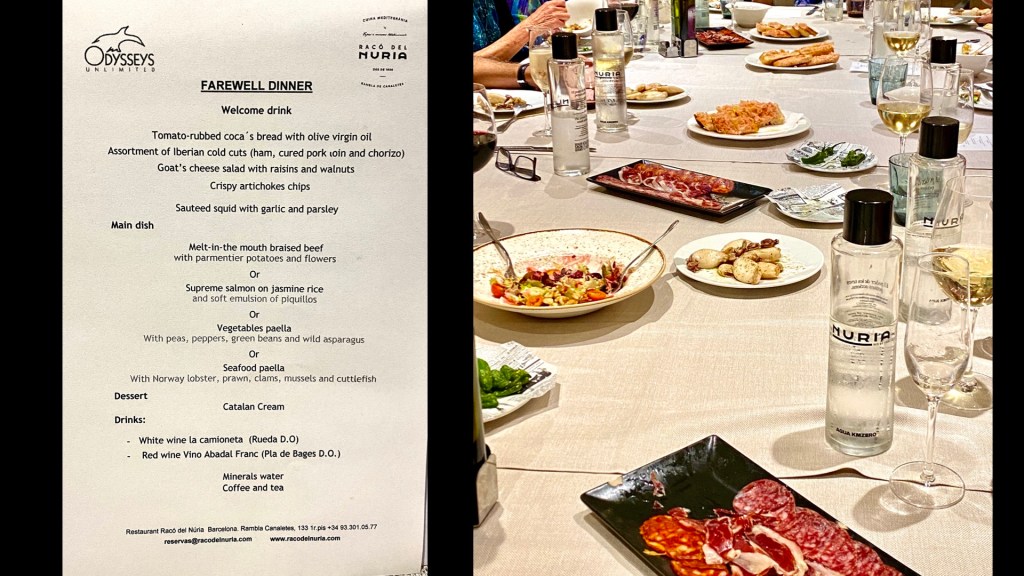
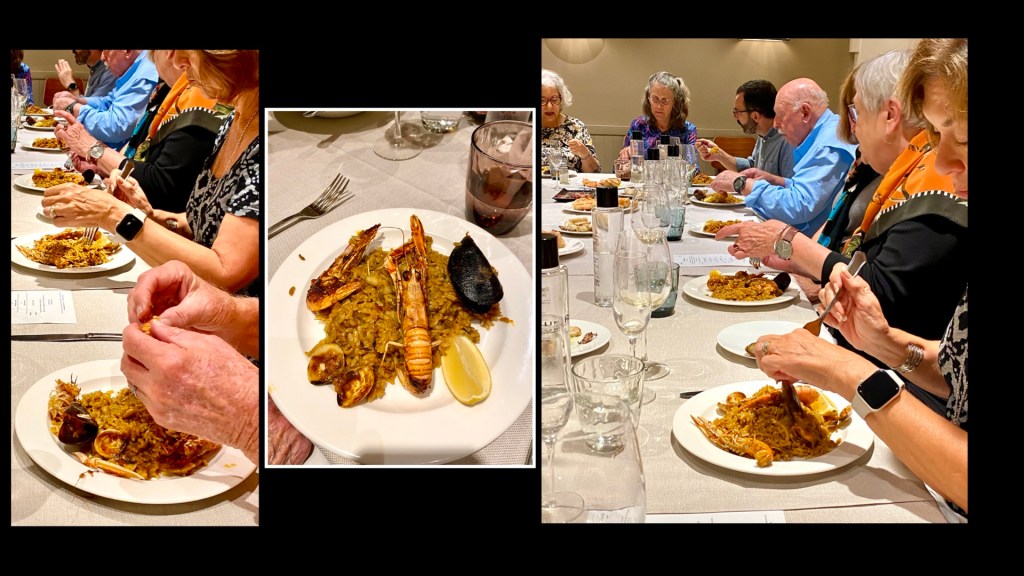
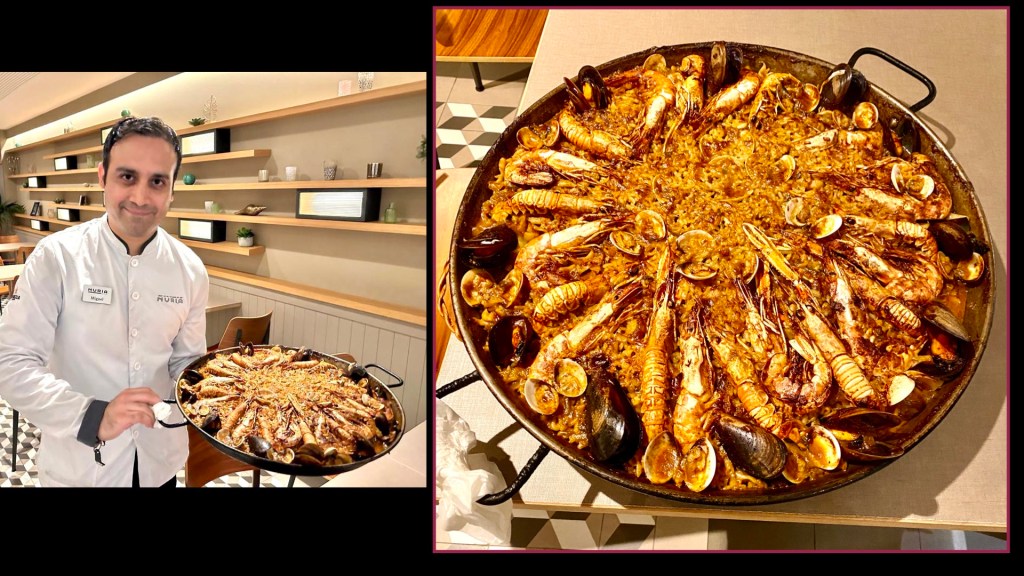
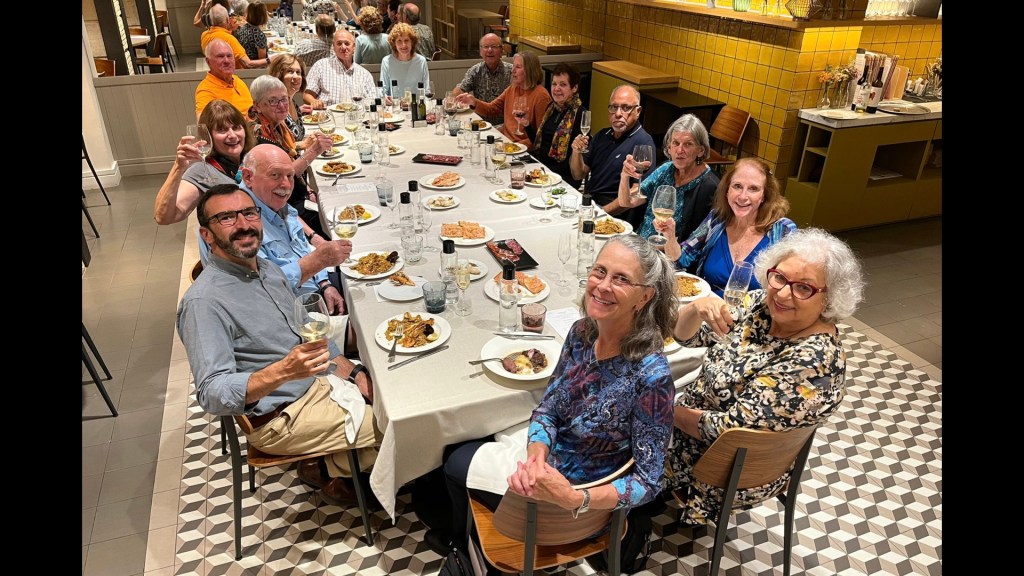
Tonight we bid !adios! to Spain, and to our fellow travelers at a farewell dinner featuring Spanish paella at a local restaurant
Day 17- Sunday 15 October
Depart for U.S.
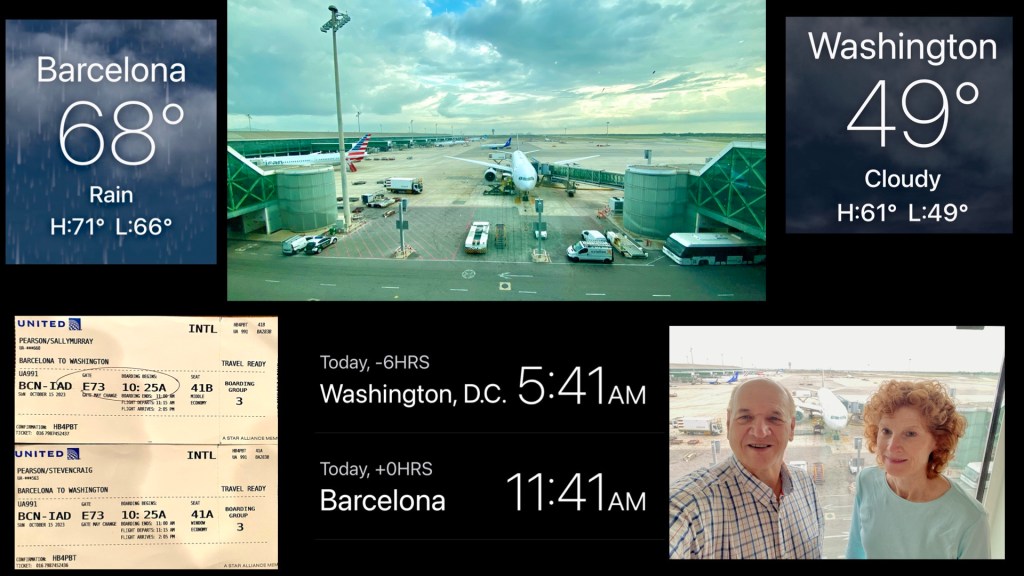
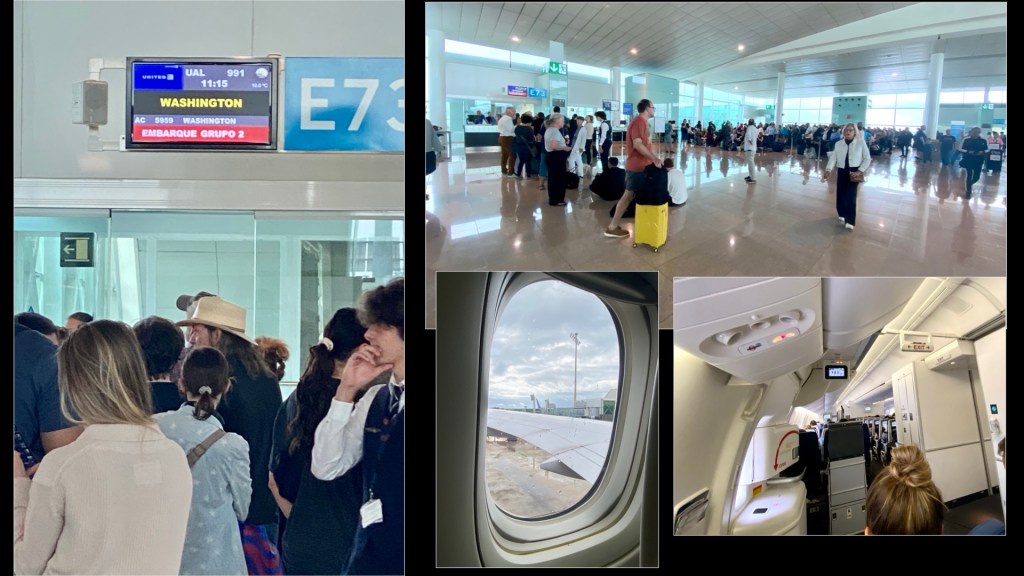
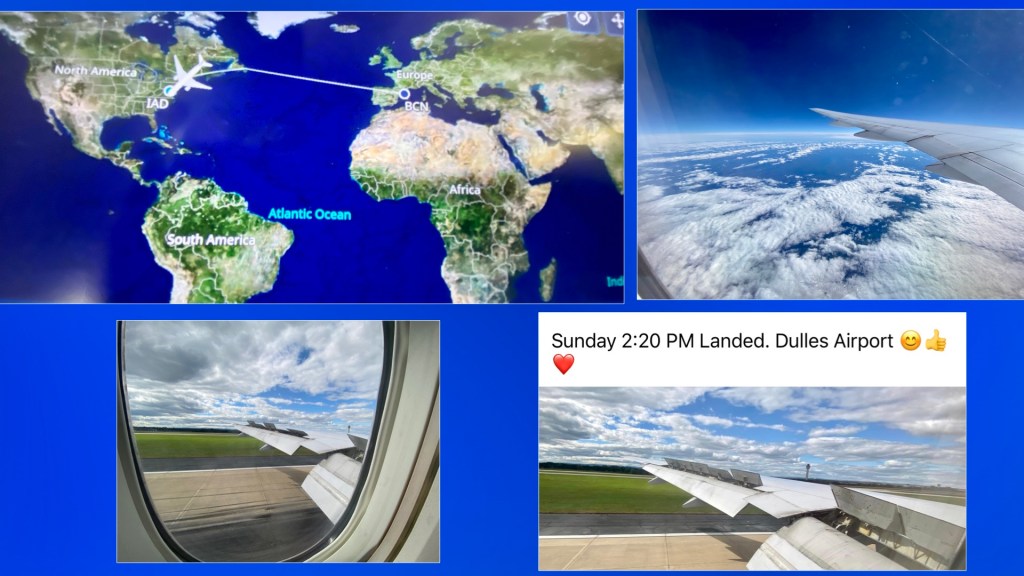
We transfer to the airport this morning for our flight to the United States. United Airlines 0991 Departing 11:15 AM Arriving IAD 2 PM

 Steve and Sallys Travels